
Introduction to Solar Energy
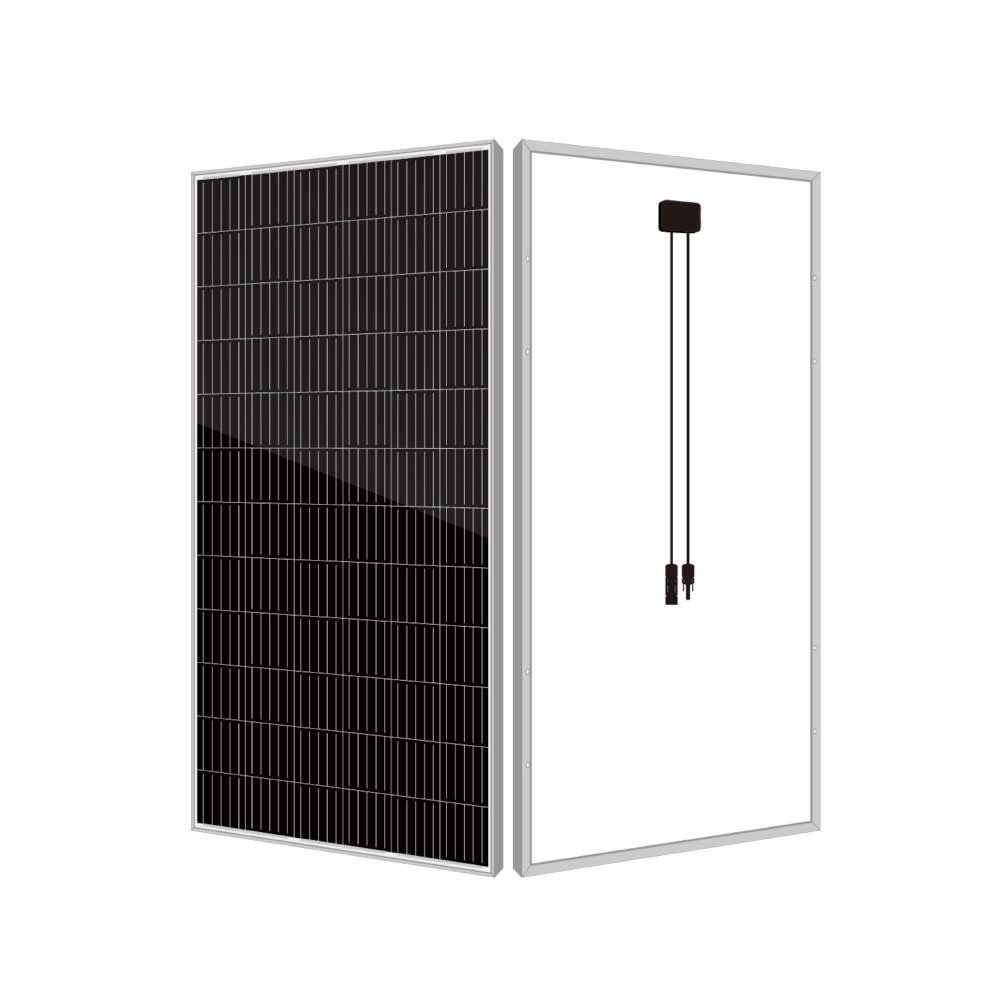
Solar energy, a form of renewable energy harnessed from the sun’s rays, has become a pivotal element in the global pursuit of sustainable energy solutions. As nations grapple with escalating environmental challenges and the impacts of climate change, the importance of solar panels is increasingly recognized. They serve not only as a means of energy production but also as a vital step towards reducing greenhouse gas emissions and reliance on fossil fuels.
The transition to solar energy aligns with a universal trend towards renewable energy sources, as countries strive to meet growing energy demands while mitigating the effects of conventional energy production. Solar panels convert sunlight into electricity, presenting a clean and inexhaustible energy source that can significantly alter the landscape of energy generation. This technology enables both individual households and entire industries to harness solar power, thus contributing to energy independence and improved environmental health.
Adopting solar energy helps address several critical global energy challenges. It aids in diversifying energy portfolios, stabilizing energy prices, and enhancing energy security. Moreover, by investing in solar panels, countries can create green jobs and foster economic growth. As technology advances and costs continue to decline, solar energy becomes more accessible, allowing regions with abundant sunlight to optimize their energy strategies.
In many parts of the world, particularly in developing nations, the integration of solar panels stands out as a viable solution to energy poverty. By providing electricity to underserved communities, solar energy directly impacts the quality of life, powering lights, schools, and healthcare facilities. It is indispensable for ensuring that all people have access to sustainable energy solutions as we move towards a greener future.
Countries with the Highest Solar Potential
Solar energy has emerged as a pivotal solution to meet the global energy demands sustainably. Numerous countries possess significant potential for solar energy generation based on geographical and climatic factors, making them prime candidates for solar investments. Among these nations, India stands out remarkably. With a landmass that basks in over 300 sunny days annually, India has begun to harness this potential robustly, aiming for a solar capacity of 100 GW by 2022 and further expanding in subsequent years.
Australia also presents an exceptional case for solar energy utilization. Its vast expanses of land, coupled with high solar irradiance levels, make it one of the countries with the highest solar potential. In fact, Australia has been leading the world in rooftop solar installations, where as of late 2020, over 3 million households had adopted solar power systems. This extensive utilization results in solar energy contributing significantly to the national grid, showcasing just how beneficial solar energy investments can be.
Various African nations, such as Kenya and South Africa, are increasingly being recognized for their solar capabilities as well. Both countries receive abundant sunshine, providing favorable conditions for solar energy generation. South Africa, for instance, has implemented programs aimed at increasing its renewable energy share, with over 2,000 MW added through solar PV systems by the end of 2020. In Kenya, the government has supported solar power initiatives to enhance energy access, especially in rural areas, allowing more communities to benefit from electric power.
In light of these aspects, countries rich in solar resources not only facilitate the mitigation of fossil fuel reliance but also position themselves strategically for future energy advancements. By investing in solar energy solutions, these nations can both improve energy security and drive economic growth, ultimately highlighting the global need for solar panels. The solar landscape is transforming, and the potential is vast, promising a cleaner and greener world.
Problems Solar Panels Can Solve
Solar panels represent a transformative solution to several pressing global challenges. One of the most critical issues they address is energy poverty, particularly in developing nations where access to affordable energy remains limited. Many regions across Africa and parts of Asia struggle with inconsistent energy supplies, which hinders economic development and quality of life. By harnessing solar energy, these countries can deploy solar technologies that provide stable, renewable power, ultimately improving living standards and fostering economic growth.
In addition to energy poverty, solar panels play a pivotal role in mitigating environmental degradation caused by fossil fuel consumption. The reliance on non-renewable energy sources has led to pollution, greenhouse gas emissions, and habitat destruction. Solar energy, being a clean and sustainable alternative, significantly reduces carbon footprints and contributes to combating climate change. Transitioning to solar-powered systems helps decrease air and water pollution, promoting healthier ecosystems and communities.
The need for sustainable energy solutions is particularly relevant in urban areas, where population density and industrial activity intensify energy demands. Solar panels provide cities with an opportunity to integrate renewable energy into their infrastructures, thus enhancing energy resilience and decreasing reliance on centralized fossil fuel systems. Moreover, the economic benefits of solar are substantial. The solar industry is a significant job creator, offering pathways to employment in manufacturing, installation, and maintenance of solar technology. This shift not only supports local economies but also fuels a transition towards energy independence for nations seeking to diminish their reliance on imported fuels.
Finally, the adoption of solar panels contributes to enhancing public health and overall quality of life. By reducing air pollution associated with traditional energy sources, communities can experience lower rates of respiratory illnesses and other health issues related to pollution exposure. Overall, the deployment of solar panels serves as an effective solution to a multitude of pressing global problems.
Case Studies of Successful Solar Panel Implementations
As the world increasingly turns to renewable energy sources, several countries have emerged as leaders in the implementation of solar panels. This section explores notable case studies from Germany, the United States, and China, illustrating how these nations have effectively harnessed solar energy, faced challenges, and reaped significant benefits.
Germany is often regarded as a pioneer in solar energy with its ambitious Energiewende policy aimed at transitioning to renewable energy. The German government has invested heavily in solar panel installations, promoting decentralized energy production through feed-in tariffs. This initiative not only incentivized residential and commercial solar installations but also fostered a robust domestic solar market. Despite facing challenges such as fluctuating energy outputs and initial high costs, Germany’s commitment to solar energy has led to a substantial reduction in greenhouse gas emissions and has positioned the country as a global leader in renewable energy.
In the United States, solar energy has also witnessed a dramatic rise, particularly in states such as California and Texas. California’s Solar Initiative, launched in the early 2000s, aimed to install 3,000 megawatts of solar capacity by 2017. This initiative catalyzed significant investments in solar technology, leading to a decrease in costs and an increase in accessibility for consumers. The U.S. solar market faces challenges related to infrastructure and policy at both state and federal levels. However, the proliferation of solar panels has resulted in job creation and energy independence, showcasing the potential of solar energy as a viable solution to meet the country’s energy demands.
China, currently the largest producer and consumer of solar panels, has made remarkable strides in solar energy implementation. Government policies have heavily subsidized solar production, leading to a dramatic decrease in costs. By 2022, China’s solar energy capacity surpassed 300 gigawatts, demonstrating how large-scale investments and aggressive targets can lead to comprehensive solar integration. While facing challenges such as supply chain constraints and uneven distribution, China has ultimately benefited from enhanced energy security and global market leadership in solar technology.
The collective experiences of these countries exemplify the profound impact effective solar panel initiatives can make. They underscore the importance of government support, public-private partnerships, and innovation in overcoming obstacles to maximize the benefits of renewable energy solutions.