
太阳能储能电池:磷酸铁锂系统、容量选型与循环寿命
储能电池决定一套光伏系统是「只在白天省电费」,还是「夜里也能带负载」。本主题汇总东岚能源关于磷酸铁锂(LiFePO4)储能电池的工程笔记:如何按日用电量(kWh)与备电天数反推电池容量,为什么放电深度与倍率比铭牌容量更重要,BMS 如何做电芯均衡与保护,以及 6000 次循环在真实工况下等于多少年。从小型别墅用的 5kWh 壁挂机,到微电网用的 30kWh 堆叠电池柜,下面的文章按相关度排序,并随新测试数据持续更新。
本主题文章 (22)
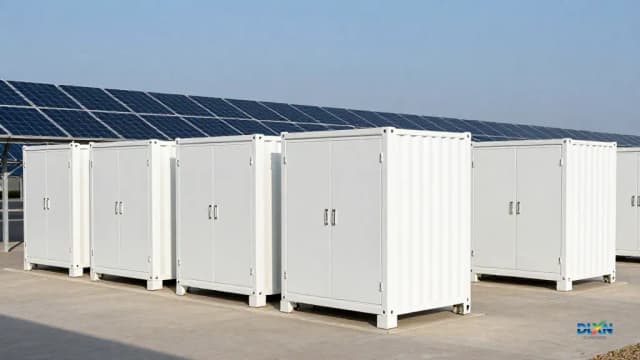
Lithium Storage Battery Market Trends: The Data Behind the Storage Boom
The rechargeable lithium battery market is undergoing its most significant expansion since the consumer electronics era. Driven by grid-scale deployments, elec
阅读全文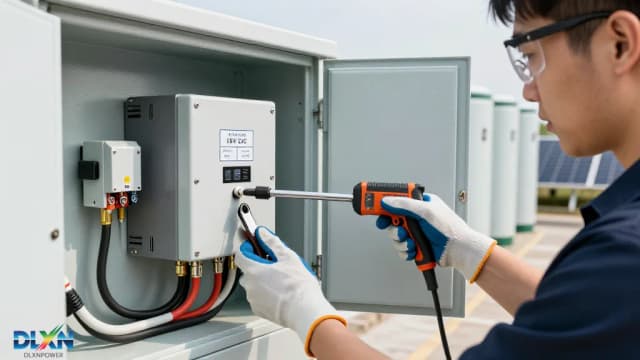
Lithium Battery Installation Guide: Safe Home Storage Steps
Lithium battery installation has shifted from a niche electrical specialty to a mainstream part of residential and commercial solar work, driven by falling cell prices and record storage deployment. This guide walks through the full process — site assessment and sizing, chemistry selection, mounting and fire-code clearances, DC wiring and torque specifications, inverter coupling, commissioning settings, and long-term monitoring — with the specific data points, standards, and field practices that separate a compliant installation from a callback.
阅读全文
Lithium Battery Efficiency Breakthrough Reshapes Storage
Lithium battery efficiency has crossed several thresholds at once in 2025 — coulombic efficiency near 99.9% in production LFP cells, silicon-dominant anodes reaching 500 Wh/kg in pilot lines, and dry-electrode manufacturing cutting the energy and capital cost of every kilowatt-hour produced. According to BloombergNEF, volume-weighted average pack prices fell to $115/kWh in December 2024, down roughly 20% year on year, while the IEA's Global EV Outlook 2025 confirms battery demand approaching 1 TWh. For solar owners and developers, the implications are practical: higher round-trip efficiency, longer cycle life, faster charge acceptance and lower cost per stored kilowatt-hour are quietly rewriting the economics of solar-plus-storage.
阅读全文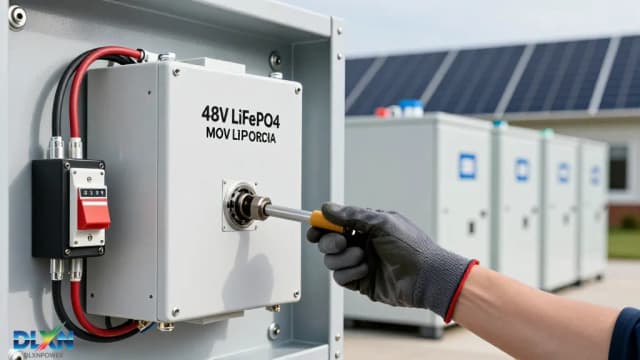
Solar Lithium Battery Pack Installation Guide: Engineering Best Practices for Safe, Durable Storage
Installing a solar lithium battery pack is far more involved than connecting terminals and powering on. A successful installation depends on disciplined load sizing, the correct cell chemistry, deliberate thermal design, code-compliant electrical protection, and inverter communication. This guide walks through each stage with concrete figures — from calculating capacity against depth of discharge to torquing busbar connections to specification — so both solar professionals and advanced self-installers can deliver systems built for 6,000 cycles or more. Backed by lithium iron phosphate (LiFePO₄) data and current market benchmarks, it covers residential and small-commercial 48-volt architectures, with practical references to DLXN Energy's battery, panel and inverter .
阅读全文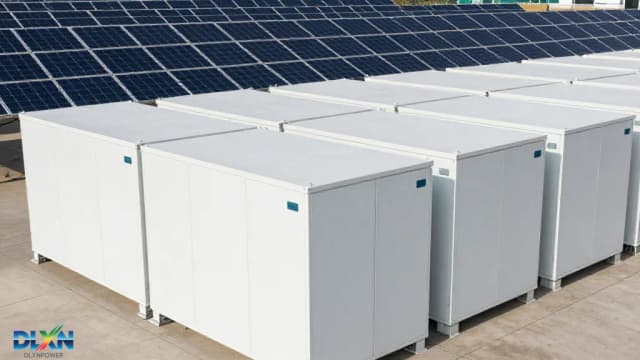
Lithium Battery Manufacturers vs. Traditional Lead-Acid: The Energy Storage
The global energy storage market is witnessing a decisive technological and economic battle between lithium battery manufacturers and traditional lead-acid battery producers. As lithium iron phosphate (LFP) costs have plummeted below $100/kWh, the balance has tipped decisively in favor
阅读全文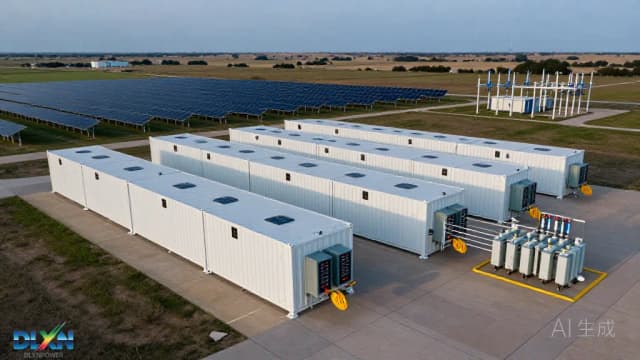
Lithium Battery Storage Market Trends Reshape Solar
The rechargeable lithium storage battery market has entered a new phase defined by steep pack-price declines, LFP chemistry dominance, gigawatt-scale grid deployments, policy-driven regional manufacturing, and tightening circularity rules. BloombergNEF's December 2024 survey put average pack prices at USD 115/kWh, down 20% year on year, while global battery storage additions reached record levels and tariffs began redrawing supply chains. For solar developers, the strategic question is no longer whether lithium storage is bankable, but how to specify chemistry, duration, safety compliance and augmentation schedules to capture lowest-cost energy over a 20-year asset life.
阅读全文
Lithium Battery Efficiency Breakthrough for Solar Storage
A cluster of advances — silicon-dominant anodes, dry-electrode manufacturing, longer-lived LFP chemistries and maturing solid-state designs — is pushing lithium battery round-trip efficiency and energy density to levels that change the economics of solar-plus-storage. Cell-level round-trip efficiency now routinely exceeds 95% for lithium iron phosphate, while silicon anode cells have crossed 400 Wh/kg in commercial sampling. This article breaks down the technical parameters, the market data from BloombergNEF, IEA and NREL, and what the shift means for installers, homeowners and utility-scale projects.
阅读全文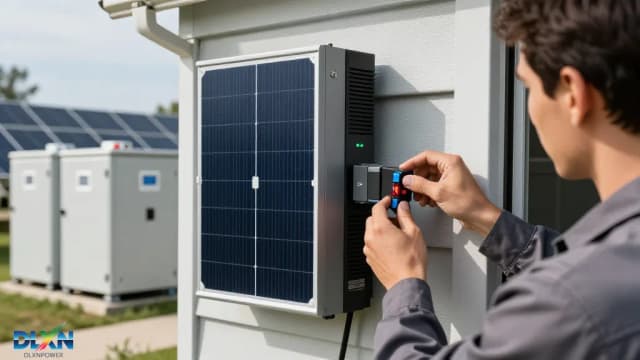
Lithium at $100/kWh forces a gel battery reckoning
Gel batteries — the silica-thickened lead-acid chemistry long used in off-grid solar — still win on cold-weather charging and low self-discharge. But after lithium-ion pack prices fell 20% in 2024 to a global BloombergNEF average of US$115/kWh, a LiFePO₄ battery now delivers several times more usable charge over its lifetime at roughly the same purchase price. The deciding factors for buyers have narrowed to depth of discharge, cycle count and cost per stored kilowatt-hour, and on all three metrics lithium has taken a decisive lead in most residential and commercial installations.
阅读全文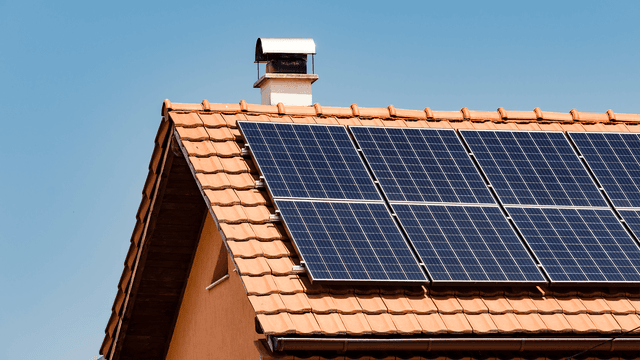
LiFePO4 200Ah 48V Battery: Specs, Runtime and Best Uses
Everything specifiers need to know about the LiFePO4 200Ah 48V battery class: real usable capacity, cycle life, charge parameters, runtime math and typical applications.
阅读全文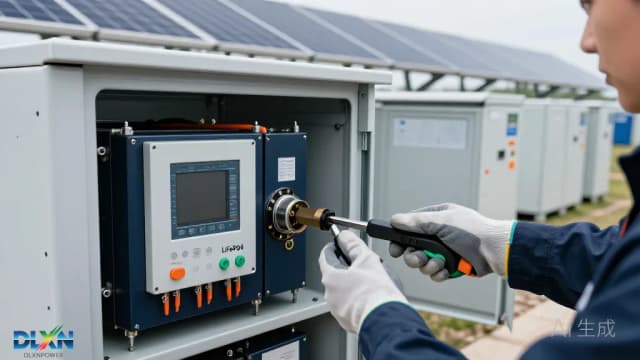
LiFePO4 Battery Solar Market Trends: 2025 Outlook
Lithium iron phosphate (LFP) has become the default chemistry for solar-coupled energy storage, capturing more than 90% of new grid-scale capacity additions as pack prices fall to record lows. This analysis examines the market forces, technical parameters, cost trajectories and policy drivers shaping LiFePO4 adoption across residential, commercial and utility-scale solar segments — and what system designers and project developers should anticipate through 2027.
阅读全文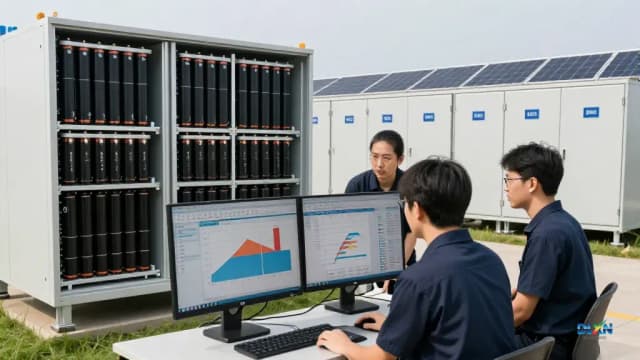
The Efficiency Ceiling Is Moving: How New Battery Chemistries Are Reshaping Solar Storage Economics
Recent breakthroughs in lithium-ion battery efficiency—from silicon-dominant anodes to solid-state electrolyte designs—are pushing round-trip efficiency past 95% while extending cycle life beyond 10,000 cycles. For solar professionals, these advances directly translate into higher usable storage capacity, lower levelized cost of storage (LCOS), and faster payback periods. This article examines the technical drivers, quantifies the economic impact with data from NREL and BNEF, and outlines how system integrators should adapt procurement strategies.
阅读全文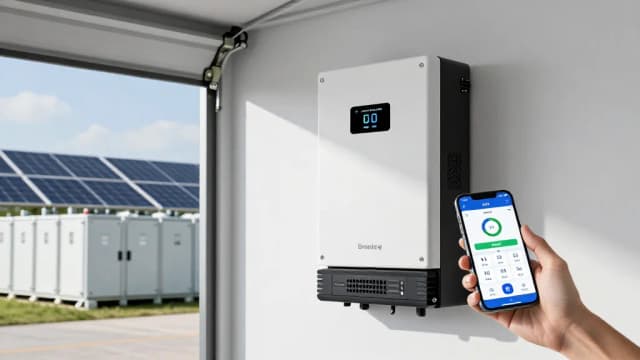
Residential Battery Storage in 2025: The Technology Shift Reshaping Home Energy Economics
The residential battery storage market has crossed a critical inflection point in 2025, with lithium iron phosphate chemistry now dominating new installations, smart inverters enabling grid-service revenue streams, and system costs falling below $400/kWh for the first time. This article examines the technology stack driving this transition, the data behind it, and what it means for homeowners and installers evaluating storage investments.
阅读全文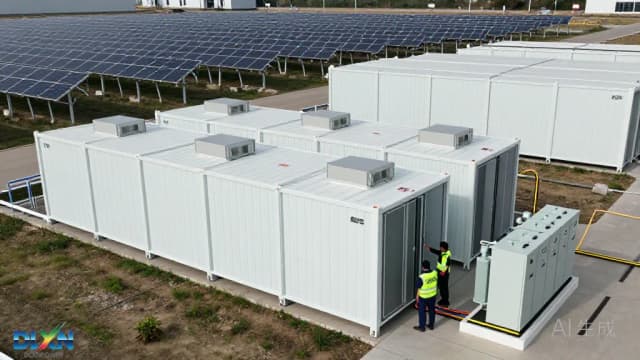
Commercial Battery Storage Technology in 2025
Commercial and industrial battery energy storage in 2025 has crossed from pilot-stage experimentation into standardized, bankable infrastructure. Pack-level energy density has jumped roughly 60% in two years as 314 Ah and 587 Ah LFP cells pushed 20-foot containers past 5 MWh, while cell-to-AC architectures, liquid cooling and grid-forming inverters have become default specifications rather than differentiators. Chemistry is diversifying with sodium-ion and LMFP entering commercial volumes, safety codes (UL 9540A, NFPA 855) are tightening, and software platforms now determine project revenue more than hardware. This article examines the six technology shifts that matter most for C&I buyers in 2025, with market data, technical parameters and procurement guidance.
阅读全文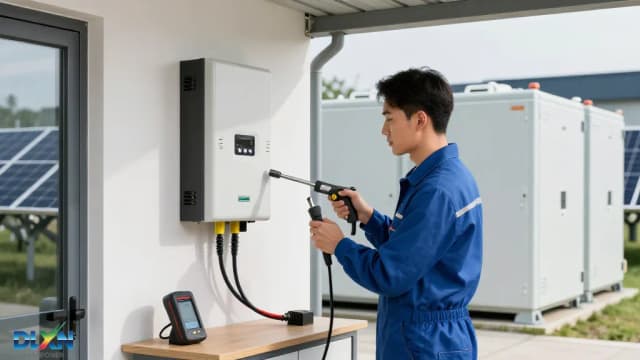
Lithium-Ion Solar Battery Installation Guide
Lithium-ion battery installation has moved from niche DIY territory to a regulated, code-driven trade. This guide walks through the full sequence — load profiling, chemistry selection, NFPA 855 and NEC 706 compliance, mounting and torque specifications, DC wiring and overcurrent protection, hybrid inverter pairing, commissioning tests and long-term economics — with the 2024–2025 market and technical data an installer or homeowner needs before the first bracket goes on the wall.
阅读全文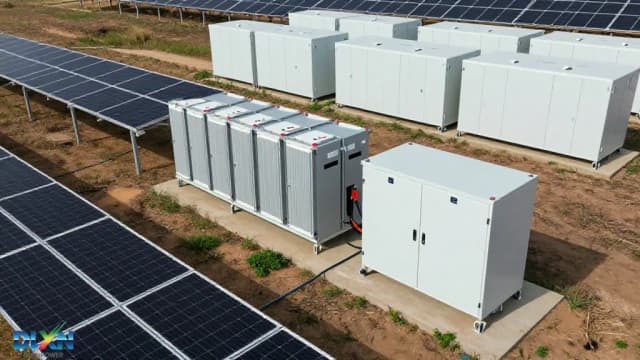
Off-Grid Solar Lithium Battery Systems: 2025 Tech Guide
Off-grid solar lithium battery systems reached a maturity tipping point in 2025 as lithium iron phosphate (LFP) pack prices fell below the $100–115/kWh mark for the first time, making clean standalone power cheaper than diesel or grid extension in thousands of locations. This article examines the chemistry upgrades, smart battery management systems (BMS), high-voltage architectures, and hybrid inverter integrations defining the current generation of off-grid storage. Backed by BloombergNEF and IEA market data, it also clarifies safety standards, real-world return on investment, and what to expect from sodium-ion alternatives. For homeowners, rural businesses, and telecom operators, the off-grid opportunity has never been more technically or financially compelling.
阅读全文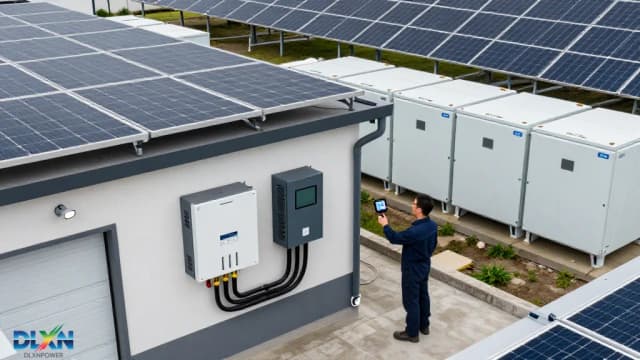
The Complete Solar Battery Energy Storage Unit Installation Guide
This technical guide provides a comprehensive, step-by-step framework for installing solar battery energy storage units, covering site assessment, system sizing, electrical integration, safety protocols, commissioning, and maintenance. With global residential battery storage installations projected to reach 42 GWh by 2025 (BloombergNEF), this guide translates industry best practices into actionable procedures, backed by real-world data, component specifications, and regulatory considerations. From lithium iron phosphate (LFP) chemistry selection to inverter interoperability, every phase is detailed for installers, engineers, and informed homeowners.
阅读全文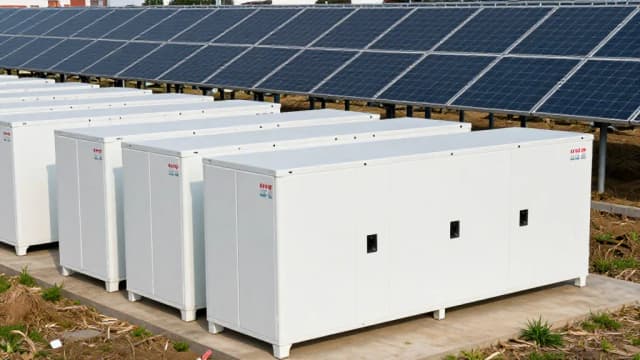
Off-Grid Solar Lithium Battery Systems: The 2025 Technology Leap
The off-grid solar industry is undergoing a shift in 2025, driven by breakthroughs in lithium iron phosphate (LFP) chemistry, smart battery management systems (BMS), and hybrid inverter integration. These advances are slashing costs, extending lifespan, and enabling true
阅读全文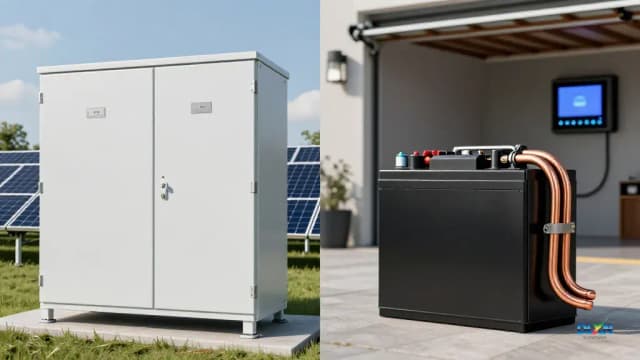
High Voltage Lithium Batteries vs. Traditional Storage: The Economics of the 800V Shift
The energy storage industry is undergoing a quiet but decisive transition from conventional 48V low-voltage battery architectures to high-voltage (HV) lithium-ion systems operating at 400V–800V. This shift, driven by inverter efficiency gains, reduced copper cabling costs, and faster response times, is reshaping both residential and commercial installations. Data from the National Renewable Energy Laboratory (NREL) and BloombergNEF (BNEF) indicate that high-voltage systems can reduce balance-of-system (BoS) costs by 15–25% while improving round-trip efficiency by 2–4 percentage points. This article examines the technical, economic, and safety trade-offs between HV and traditional battery topologies, backed by 2024–2025 industry data, and outlines how DLXN Energy's product line addresses the migration to higher voltage platforms.
阅读全文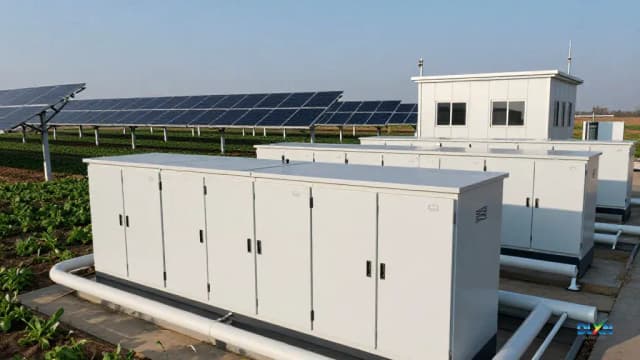
Lithium Storage in 2025: The Chemistry Shift Reshaping Solar Economics
The rechargeable lithium battery sector is undergoing its most significant chemistry transition since the shift from lead-acid, driven by LFP adoption, sodium-ion commercialization, and structural innovations like cell-to-pack (CTP) design. This article examines the data behind these shifts, their impact on solar-plus-storage economics, and what system integrators should specify in 2025. Drawing on IEA, BNEF, and NREL data, we analyze how falling $/kWh costs and rising cycle life are changing project payback periods and technology selection criteria.
阅读全文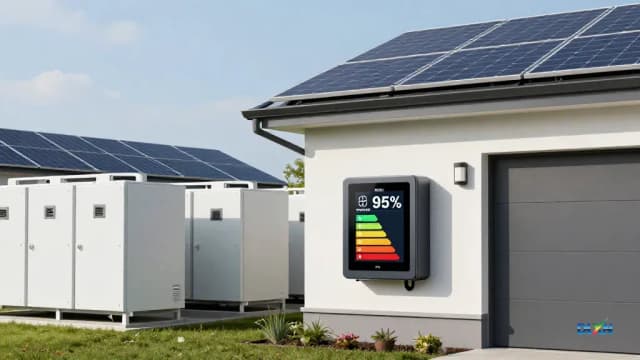
Home Battery Storage Efficiency Breakthrough: Round-Trip Gains Reshape Residential Economics
New lithium iron phosphate (LFP) battery chemistries and advanced power conversion systems are pushing residential round-trip efficiency past 95%, a threshold that fundamentally changes the payback calculus for home solar-plus-storage. With the US Energy Information Administration reporting average residential electricity prices at 16.3 cents/kWh in 2024, and the International Energy Agency projecting 600 GW of distributed storage by 2030, efficiency gains are now the single most important lever for system economics. This article examines the technical breakthroughs driving these gains, their real-world impact on system sizing and payback periods, and what they mean for homeowners and installers.
阅读全文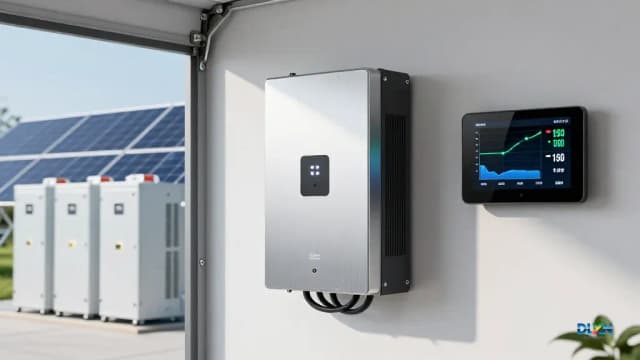
Home Battery Storage 2025: The Year Chemistry, Software, and Grid Services Converge
The home battery storage market in 2025 is defined by a shift from simple backup power to intelligent energy management. Advancements in lithium iron phosphate (LFP) chemistry, the rise of bidirectional charging, and the integration of AI-driven energy software are transforming residential batteries into grid assets. This article examines the key technological trends, market data, and what they mean for homeowners and installers, with a focus on the engineering realities behind the headlines.
阅读全文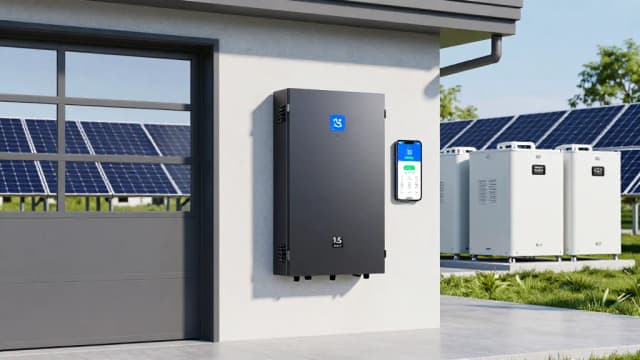
Residential Battery Storage 2025: The Year Chemistry and Software Rewrite the Economics
The residential battery storage market in 2025 is defined by a shift from lithium iron phosphate (LFP) dominance toward sodium-ion alternatives, the integratio
阅读全文常见问题
光伏系统需要配多大容量的储能电池?
先用日用电量(kWh)除以可用放电深度(磷酸铁锂一般取 90%),离网场景再加一天自给天数;纯备电场景按 0.3–0.5 天计算。例如日用电 10kWh 且需一天自给,约需 11–12kWh 标称容量,另需为低温衰减留出余量。
磷酸铁锂储能电池能用多少年?
按 6000 次循环(容量保持 80%)计算,每天一次满循环约合 16 年。实际寿命往往先被日历老化(25℃ 下约每年 2%)与高温环境终结,而不是循环次数,因此电池柜要通风、环境温度尽量控制在 35℃ 以下。