뉴스
폐배터리 재활용·세컨드라이프, ESS 새 축으로 부상
전기차 보급이 급증하면서 2030년 전후부터 폐배터리가 대규모로 쏟아질 전망이다. 잔존용량을 그대로 활용하는 '세컨드라이프(Second Life)'와 리튬·코발트·니켈을 회수하는 '재활용' 기술이 자원 안보와 ESS(에너지저장장치) 비용 절감의 핵심 동력으로 떠오르고 있다. 본 기사는 IEA, BloombergNEF, NREL 등 해외 권위 기관의 데이터를 바탕으로 폐배터리 물량 전망, 세컨드라이프 기술 기준, 재활용 공정별 효율, 글로벌 규제 동향까지를 아우르고 태양광 연계 ESS 구축 전략을 제시한다.
더 알아보기 →
계통 연계 태양광 효율 혁신: 모듈 레벨 전력 전자 기술이 시스템 성능을 재정의하다
Recent advances in module-level power electronics and cell architecture are pushing grid-tied solar system efficiency past 23% for commercially available panels, with real-world performance ratios climbing above 85% in distributed installations. This article examines the technical drivers behind these gains—from half-cut cell designs to MLPE optimization—and what they mean for system owners calculating payback periods. Drawing on data from NREL, IEA, and SEIA, we analyze how these improvements translate into measurable financial returns and why the integration of smart storage is becoming the natural next step for maximizing self-consumption.
더 알아보기 →
리튬 저장 배터리 시장 동향: 저장 붐을 뒷받침하는 데이터
리튬 이차전지 시장은 소비자 전자제품 시대 이후 가장 큰 확장을 겪고 있습니다. 그리드 규모의 배치, 전기차 보급, 비용 하락에 힘입어 2024년 글로벌 리튬이온 배터리 수요는 950GWh에 도달했으며, 고정식 저장이 차지하는 비중은 점점 커지고 있습니다. 이 기사는 시장 데이터, L
더 알아보기 →
대규모 상업용 에너지 저장 설치: 2025년 현장 가이드
Commercial and industrial (C&I) energy storage installations are surging globally, driven by falling battery prices and grid reliability demands. This guide covers site assessment, system design, safety compliance, and financial modeling—grounded in data from IRENA, BNEF, and NREL—to help project developers navigate the complexities of deploying multi-megawatt storage systems.
더 알아보기 →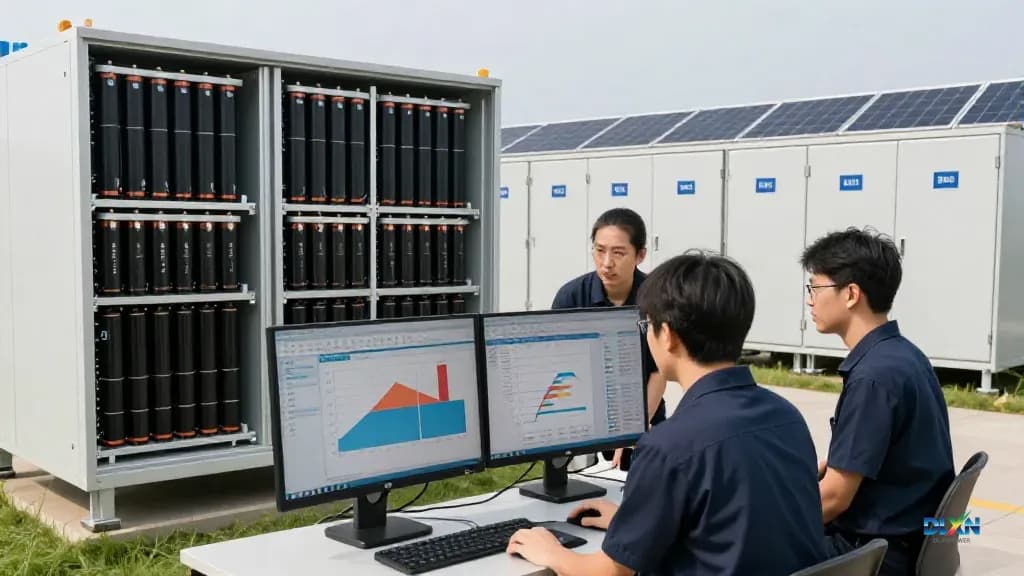
효율성의 한계가 움직이고 있다: 새로운 배터리 화학이 태양광 저장 경제성을 어떻게 재편하고 있는가
Recent breakthroughs in lithium-ion battery efficiency—from silicon-dominant anodes to solid-state electrolyte designs—are pushing round-trip efficiency past 95% while extending cycle life beyond 10,000 cycles. For solar professionals, these advances directly translate into higher usable storage capacity, lower levelized cost of storage (LCOS), and faster payback periods. This article examines the technical drivers, quantifies the economic impact with data from NREL and BNEF, and outlines how system integrators should adapt procurement strategies.
더 알아보기 →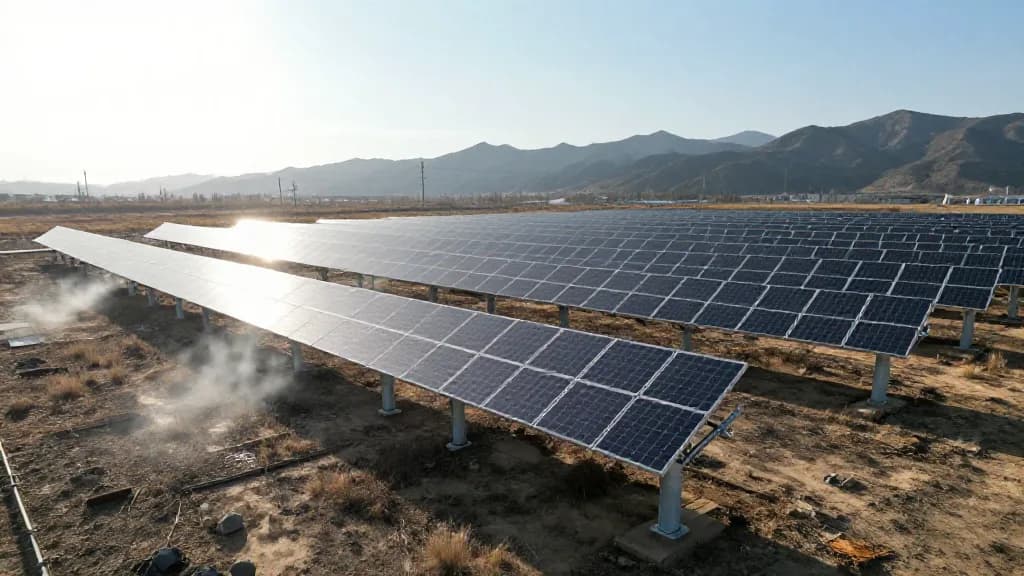
8월 폭염이 태양광 발전량을 줄이나? 세 가지 냉각 조치로 발전량 15% 향상
High panel temperatures in August can slash PV output by 10–25% due to the negative temperature coefficient of silicon cells. This article details three field-proven cooling strategies—passive airflow design, active water misting, and optimized mounting geometry—that together restore up to 15% of lo
더 알아보기 →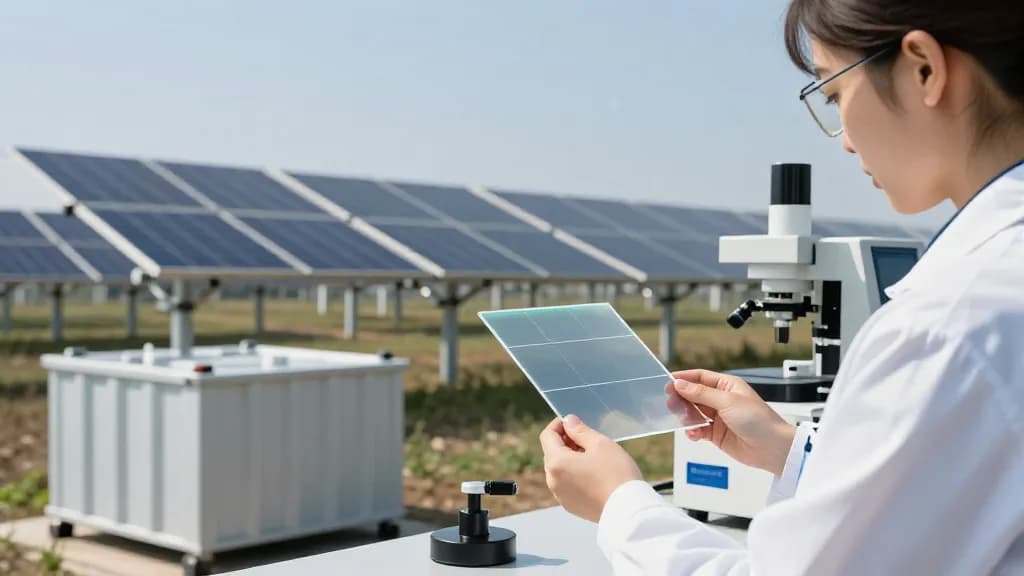
태양광 에너지의 2025년 기술 최전선: 페로브스카이트, 그리드 포밍 인버터, 그리고 저장의 필수성
The solar industry in 2025 is defined by a convergence of three distinct technological movements: the commercial maturation of tandem perovskite-silicon cells, the widespread deployment of grid-forming inverters that treat solar as a baseload-capable resource, and the integration of distributed storage as a standard architectural component rather than an optional add-on. This article examines the engineering specifics, market data, and practical implications of each trend, drawing on data from the IEA, NREL, and BNEF.
더 알아보기 →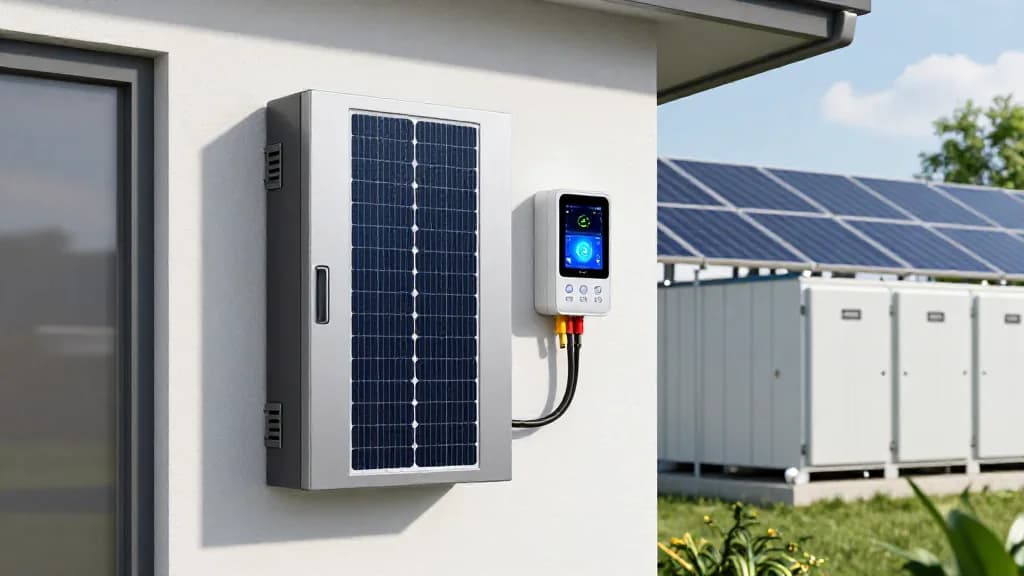
글로벌 태양광 인버터 및 가정용 저장장치 시장: 2025년 주거용 에너지를 재편하는 트렌드
주거용 태양광 인버터 및 배터리 저장장치 시장은 리튬이온 가격 하락, 새로운 계통 연계 규정, 그리고 유럽, 북미, 아시아태평양 지역의 정책 변화에 힘입어 구조적 전환을 겪고 있습니다. 이 기사는 최신 시장 데이터, 하이브리드 인버터로의 기술 전환, 그리고 가정용 에너지 저장장치 급증
더 알아보기 →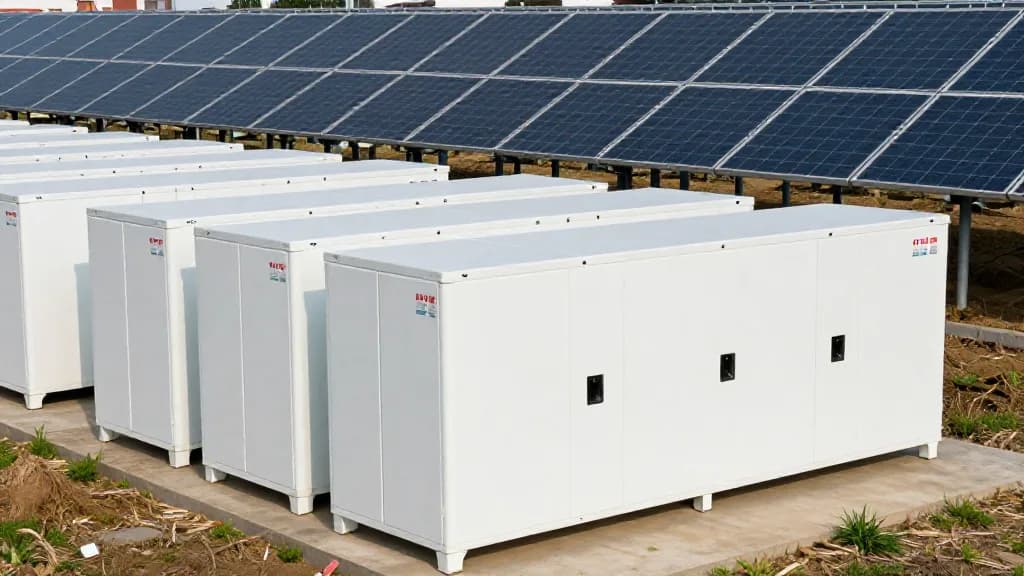
독립형 태양광 리튬 배터리 시스템: 2025년 기술 도약
The off-grid solar industry is undergoing a shift in 2025, driven by breakthroughs in lithium iron phosphate (LFP) chemistry, smart battery management systems (BMS), and hybrid inverter integration. These advances are slashing costs, extending lifespan, and enabling true
더 알아보기 →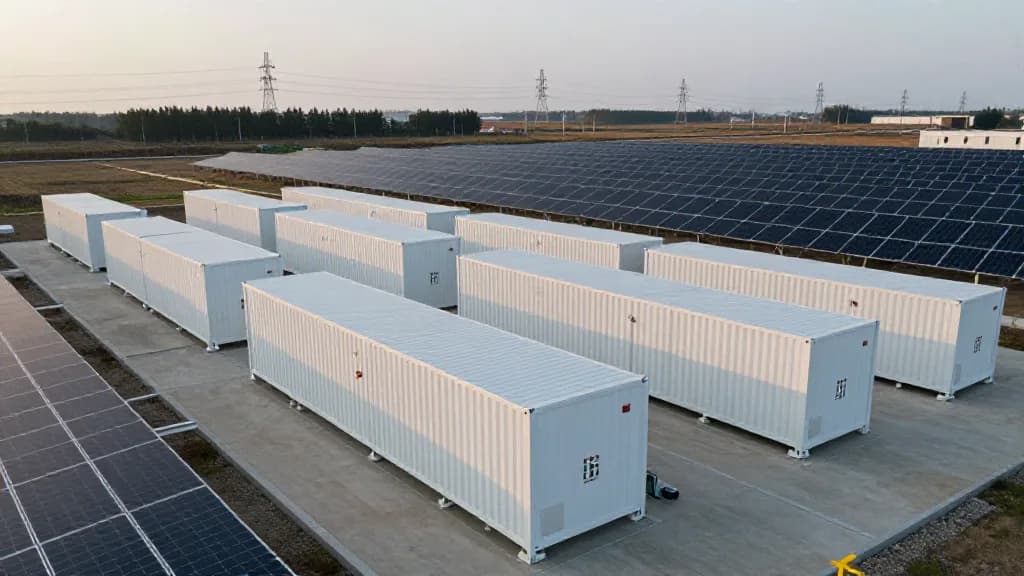
에너지 저장 시장, 보조 서비스에서 핵심으로 전환: 2025년 트렌드가 전력망을 재편하다
The global energy storage system market is transitioning from a niche grid service to a foundational infrastructure component, driven by falling battery costs, aggressive renewable deployment targets, and evolving market mechanisms. This analysis examines the key market trends—including the rise of multi-hour duration systems, the expansion of C&I storage, and the growing role of residential storage in grid resilience—drawing on data from the International Energy Agency (IEA), BloombergNEF (BNEF), and the U.S. Energy Information Administration (EIA). The article explores how these shifts create new opportunities and challenges for manufacturers, project developers, and utilities, with a particular focus on technology selection, system integration, and the critical role of intelligent energy management.
더 알아보기 →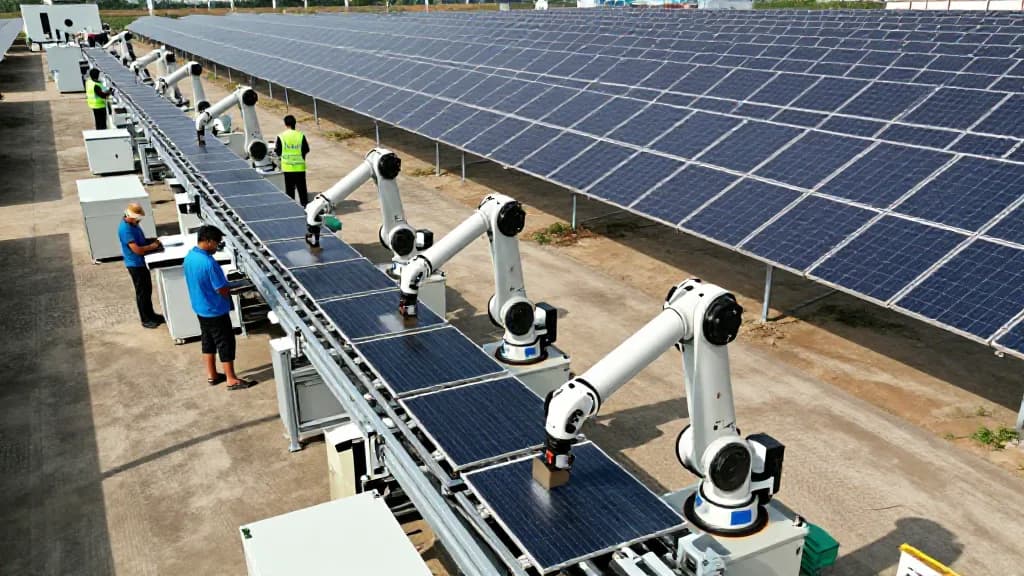
다결정 실리콘 태양광 패널: 시나리오를 거부하는 시장의 변화
While monocrystalline PERC technology dominates headlines, polycrystalline solar panels maintain a significant share of the global PV market, particularly in cost-sensitive regions. This article examines the data behind the persistent demand for polycrystalline modules, the manufacturing economics that keep them viable, and the technology upgrades extending their lifecycle. Market projections from BloombergNEF and the IEA suggest polycrystalline panels will retain a 15–20% market share through 2030, driven by utility-scale projects in emerging economies and repurposing in distributed applications.
더 알아보기 →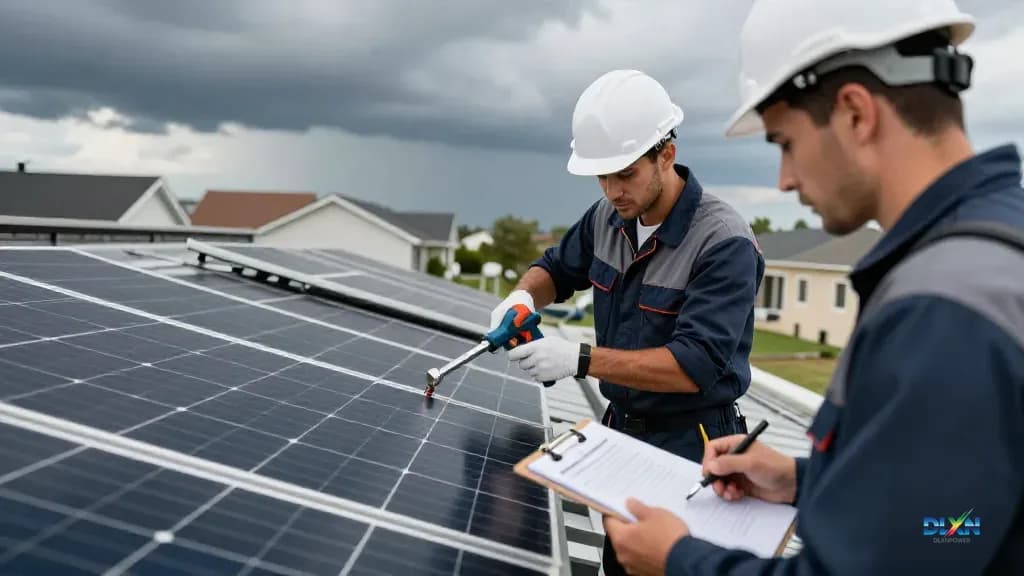
태풍 시즌 체크리스트: 분산형 태양광의 구조 보강 및 낙뢰 보호
As typhoon season approaches in coastal Asia-Pacific markets, distributed solar assets face dual threats from high wind loads and lightning strikes. This article presents a data-backed inspection and reinforcement checklist for mounting structures and surge protection systems, drawing on internation
더 알아보기 →