
News & Updates
Latest from DLXN Energy
LiFePO4 200Ah 48V Battery: Specs, Runtime and Best Uses
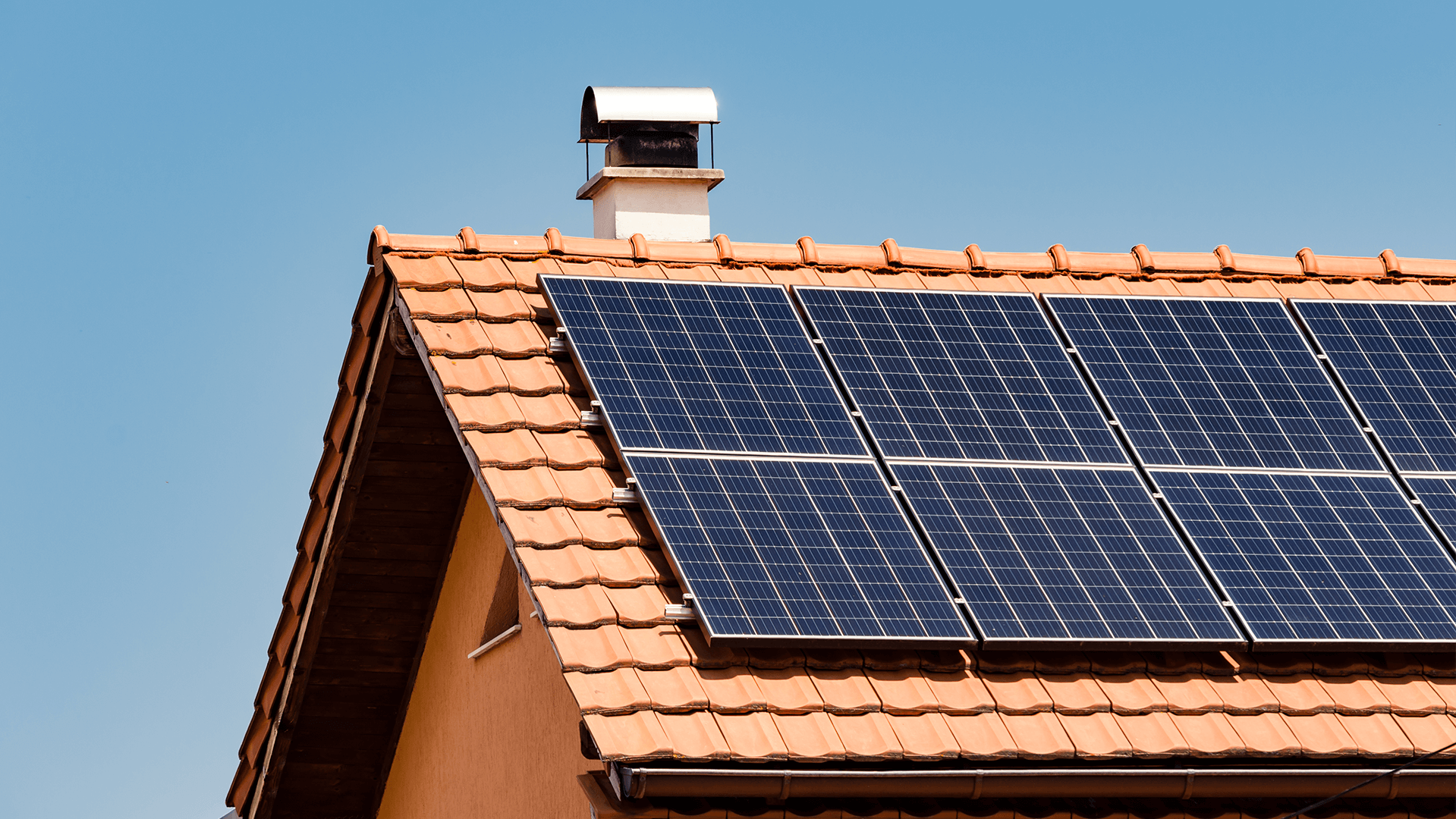
The LiFePO4 200Ah 48V battery has become the workhorse format of residential and light-commercial storage. It is large enough to carry a house through the night, standard enough to pair with virtually any 48V hybrid inverter, and available in rack, stacked and wall-mounted form factors. This guide covers the specifications that matter, how to calculate runtime, and where this class of battery fits best.
Core specifications
At 51.2V nominal (16 series cells), a 200Ah pack stores 10.24 kWh nominal, of which roughly 9.6 kWh is usable when you respect the 5-95% depth-of-discharge window that maximizes cycle life. Quality packs use Grade-A LiFePO4 prismatic cells with a built-in Battery Management System handling cell balancing, over-current, over-temperature and low-temperature charge protection.
- Nominal voltage: 51.2V (48V class)
- Capacity: 200Ah / 10.24 kWh nominal, ~9.6 kWh usable
- Cycle life: 6,000+ cycles at 80% depth of discharge — 10+ years in typical daily-cycling duty
- Continuous discharge: commonly 100-200A depending on BMS and inverter pairing
- Communication: CAN/RS485 to major 48V hybrid inverters
Runtime: what does 200Ah 48V actually run?
Usable energy is about 9.6 kWh. A modest home with lighting, fridge, TV, router and a few sockets draws 0.5-1.0 kW overnight, so one pack covers a full night with room to spare. Add well pumps, air conditioning or workshop tools and you move into multi-pack territory — which is exactly why this format scales: packs parallel in racks to build 20, 40, 60 kWh banks without changing voltage or inverter.
Best applications
Home backup and self-consumption
Paired with a 5-10 kW hybrid inverter and a rooftop array, a single 200Ah 48V pack stores a full day of generation for evening use — the core of grid-tied self-consumption and the standard answer to South African load-shedding or unstable grids across Nigeria and similar markets.
Off-grid cabins and telecom sites
The 48V architecture matches telecom power plants directly, and the wide temperature tolerance of LiFePO4 chemistry suits enclosed outdoor cabinets better than lead-acid.
Commercial and industrial peak shaving
Parallel racks form 100 kWh+ systems for facilities that need demand charge reduction or uninterruptible backup.
How to specify one correctly
Check three things before buying: inverter compatibility (CAN/RS485 protocol list), low-temperature charge cutoff (essential if the battery sits in an unheated room), and the warranty's cycle-life terms stated at a defined depth of discharge. For a system-level quote covering inverter, panels and installation, browse the lithium battery range or send us your load list.
Charging parameters that protect your investment
A 200Ah 48V LiFePO4 pack wants a dedicated lithium charge profile: constant-current charging to roughly 58.4V, then constant-voltage absorption until current tapers, with no float stage required for full cells. Most quality integrated BMS units handle cell balancing automatically, but the charger or inverter must be programmed to the pack's voltage window — a lead-acid profile with elevated absorption voltage is the fastest way to stress cells. Equalization settings designed for flooded batteries should always be disabled when lithium is connected.
Temperature: the quiet warranty clause
LiFePO4 tolerates high discharge temperatures far better than lead-acid, but charging below zero degrees Celsius without pre-heating causes permanent lithium plating on the anode. Packs intended for unheated installations should either include integrated heating elements or be specified with a low-temperature charge cutoff that pauses charging until cells warm. If the battery room can drop below freezing in winter, this single specification matters more than a few extra kilowatt-hours of capacity.
How 200Ah compares to neighboring formats
The format sits between two neighbors for good reason. A 100Ah 48V pack (5.1 kWh) is lighter and easier to install but forces parallel complexity for whole-home backup. A 280Ah 48V cell (14.3 kWh) offers better per-kilowatt-hour pricing but arrives as heavy floor-standing cabinets that complicate tight electrical rooms. The 200Ah class lands at the practical middle: one person can still maneuver a wall unit, a rack of four builds a 40 kWh bank, and replacement or expansion down the road stays modular. For most residential and light-commercial specifications, starting at 200Ah and paralleling upward as loads grow is the lowest-risk path — you are never stranded with an oversized single asset if your needs change.
Commissioning checklist
Before the first full cycle: verify cell balance voltages within 20 mV, confirm CAN/RS485 communication shows state of charge and temperature correctly on the inverter display, set charge and discharge current limits to the BMS rating, and record the pack's serial and firmware for warranty. A ten-minute commissioning pass prevents the vast majority of year-one support calls, and gives you a documented baseline to measure capacity retention against years later.
Frequently asked questions
How long does a LiFePO4 200Ah 48V battery last?
6,000+ cycles at 80% DoD — over 10 years of daily cycling. Calendar life typically exceeds 15 years at moderate temperatures.
Can I parallel multiple 200Ah 48V packs?
Yes. Packs with matching BMS communication parallel in racks to build larger banks while staying on the 48V architecture.