ニュース
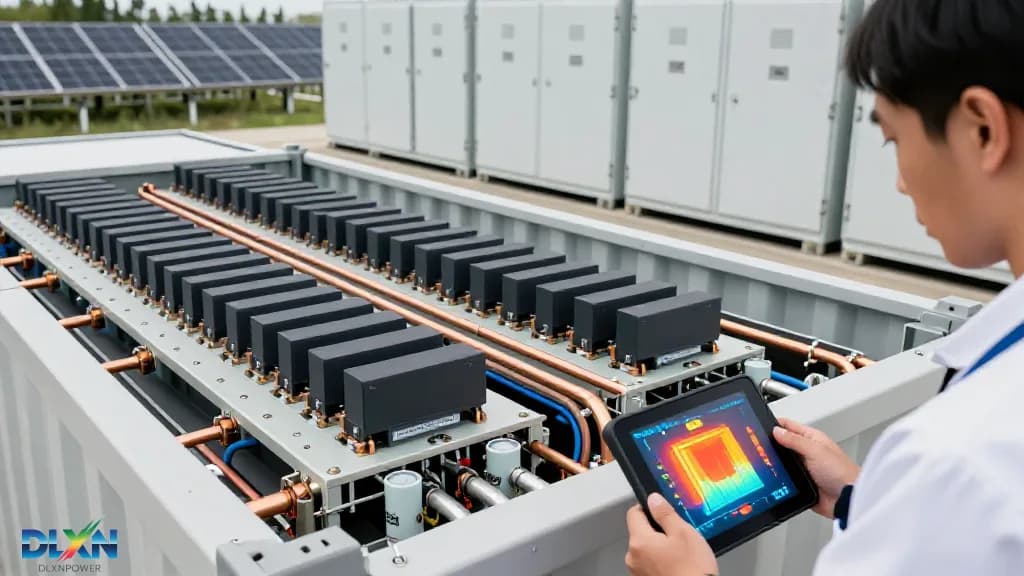
蓄電用インバータ効率99%突破——SiCが切り開く損失削減
蓄電池システム用のパワーコンディショナ(PCS)は、炭化ケイ素(SiC)をはじめとするワイドバンドギャップ半導体の採用により、ピーク効率99%超の水準へ到達しつつある。変換効率1ポイントの改善は損失を数分の1に減らし、系統用蓄電所のLCOEやO&Mコストを大きく左右する。本稿では、技術的背景、市場データ、規制動向、そして日本市場での実装課題までを具体的な数値とともに整理する。
もっと詳しく →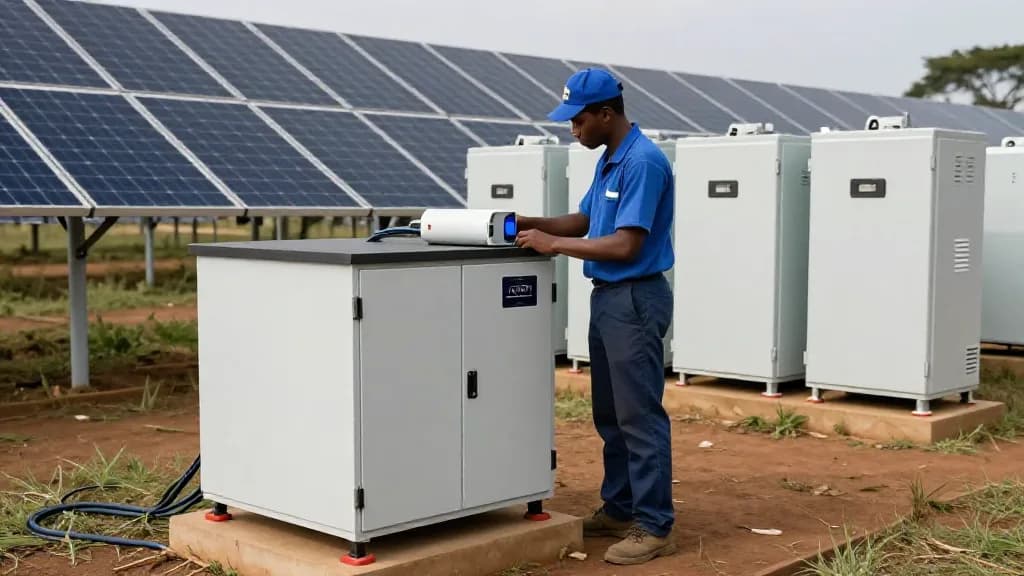
ハイブリッドオフグリッド太陽光蓄電キットが記録的な往復効率を達成、農村電化の経済性を再構築
Recent laboratory data from the National Renewable Energy Laboratory (NREL) and independent testing bodies confirms that modern hybrid off-grid solar storage kits now achieve round-trip efficiency ratings above 92%, a 7% improvement over systems available just three years ago. This efficiency breakthrough, driven by advances in lithium iron phosphate (LFP) chemistry, gallium nitride (GaN) inverters, and adaptive maximum power point tracking (MPPT) algorithms, is cutting the levelized cost of electricity (LCOE) for off-grid applications to below $0.18/kWh in high-insolation regions. For the estimated 675 million people worldwide who still lack reliable electricity access, according to the International Energy Agency (IEA), these gains translate directly into smaller solar arrays, reduced battery capacity requirements, and faster payback periods. This article examines the specific engineering developments behind the efficiency gains and what they mean for installers, project developers, and end-users in remote and islanded applications.
もっと詳しく →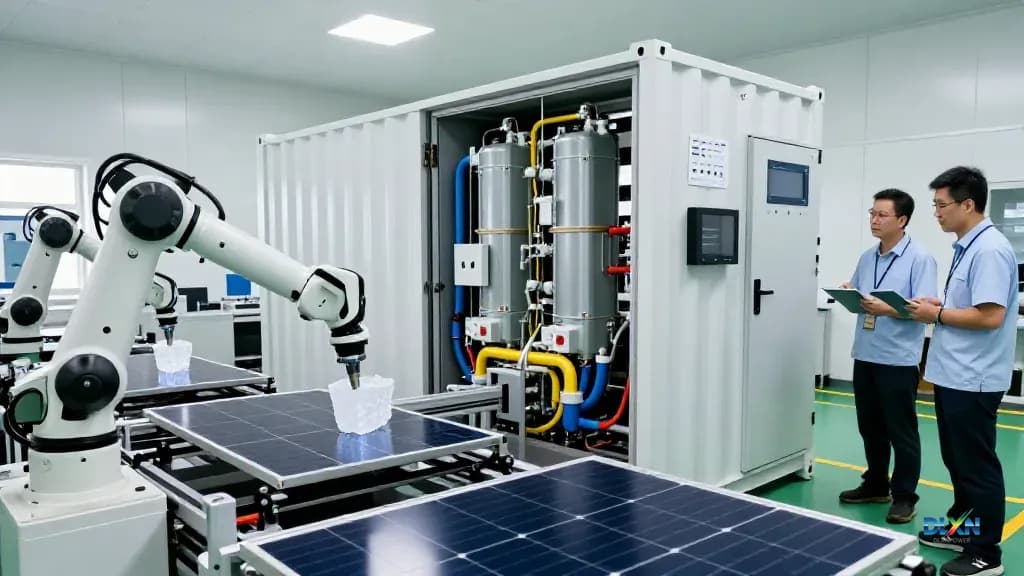
商業用BESSメーカーが往復効率92%を達成:グリッド規模貯蔵の新たなベンチマーク
Commercial battery energy storage systems (BESS) have crossed a critical technical threshold, with leading manufacturers now demonstrating round-trip efficiency (RTE) above 92% at the system level. This breakthrough, driven by advancements in cell chemistry, power conversion systems, and thermal management, reduces levelized cost of storage (LCOS) by 15–20% compared to 2020 installations. This article examines the engineering developments behind this efficiency milestone, its economic implications for project developers, and what it means for the 2030 global storage deployment targets.
もっと詳しく →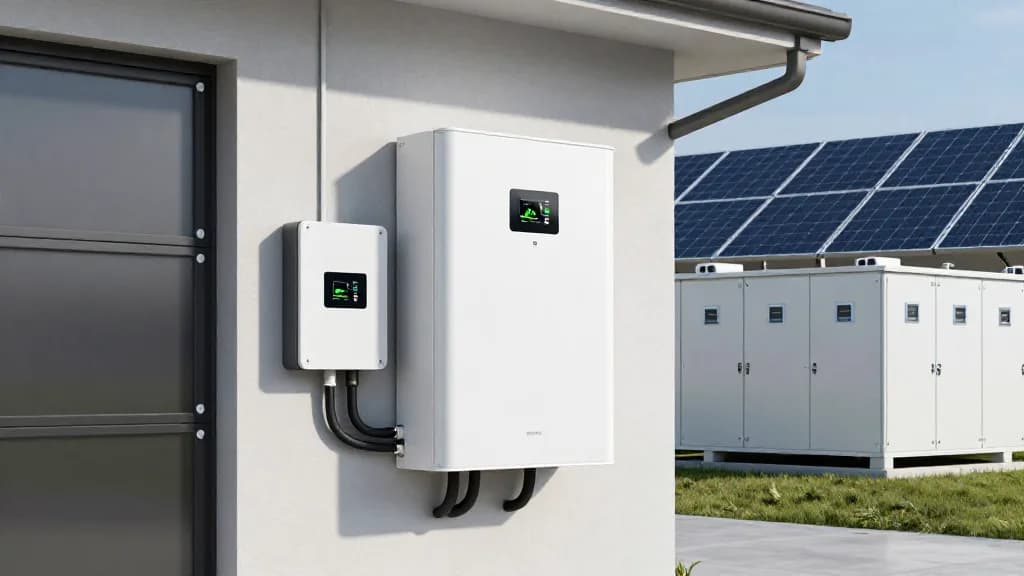
壁掛け型家庭用エネルギー貯蔵2025:フォームファクターの変革が住宅用太陽光を再形成する
The residential energy storage market is undergoing a significant form factor transition in 2025, with wall-mount systems emerging as the dominant choice for homeowners. This article examines the latest technological developments, market data, and efficiency gains driving this shift, including higher energy density cells, improved thermal management, and smarter power electronics. We analyze data from BloombergNEF, the International Energy Agency (IEA), and the Solar Energy Industries Association (SEIA) to provide a comprehensive overview of where the technology stands and where it is heading.
もっと詳しく →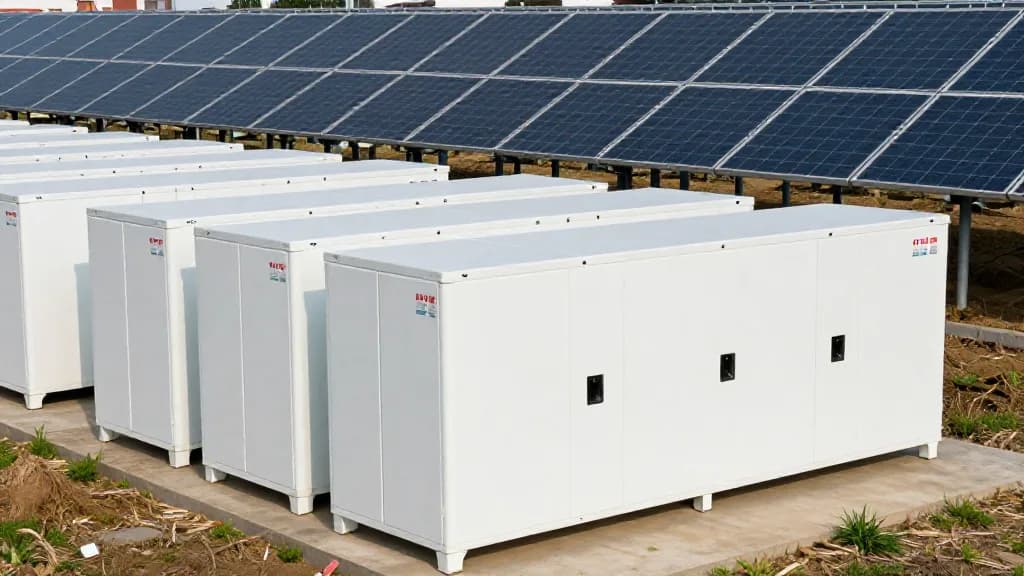
オフグリッド太陽光リチウム電池システム:2025年の技術躍進
The off-grid solar industry is undergoing a shift in 2025, driven by breakthroughs in lithium iron phosphate (LFP) chemistry, smart battery management systems (BMS), and hybrid inverter integration. These advances are slashing costs, extending lifespan, and enabling true
もっと詳しく →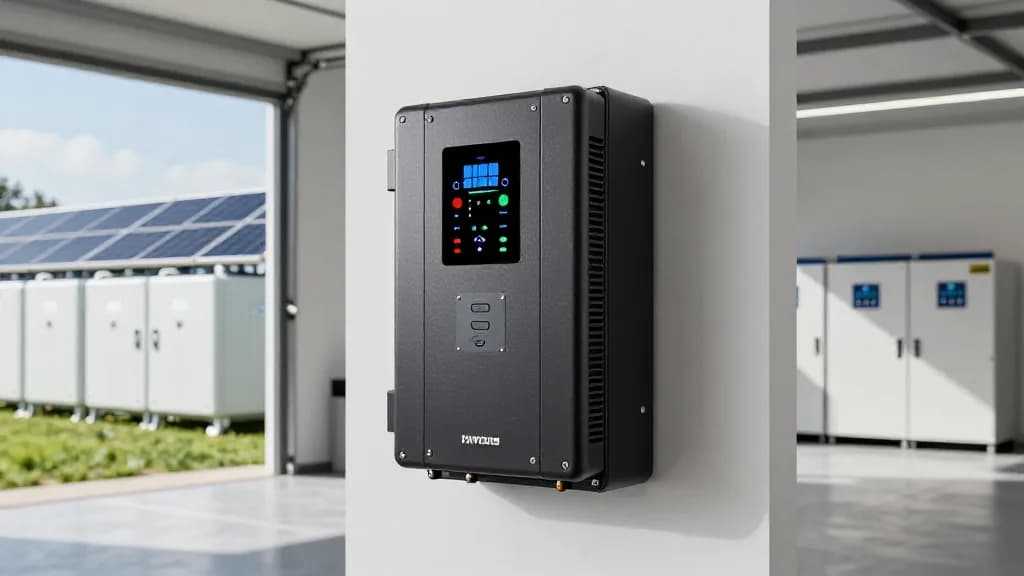
家庭用蓄電向けソーラーインバーター vs 従来型ストリングインバーター:技術的コスト便益分析
The rapid expansion of residential solar-plus-storage is forcing a fundamental reassessment of inverter architecture. Traditional string inverters, optimized for simple grid-tied export, are being challenged by hybrid and battery-ready inverters that manage on-site consumption, time-of-use arbitrage, and backup power. Using data from the U.S. Energy Information Administration, Lawrence Berkeley National Laboratory, and the Solar Energy Industries Association, this article quantifies the technical and economic trade-offs between these approaches—including efficiency losses, replacement timelines, and the levelized cost of storage—to help homeowners and installers make informed decisions.
もっと詳しく →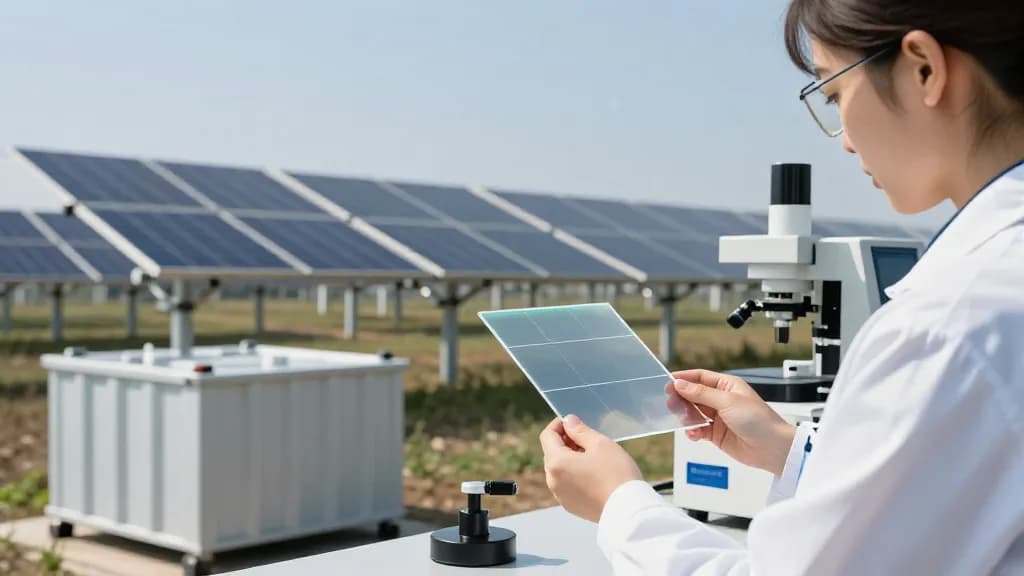
太陽光発電の2025年技術最前線:ペロブスカイト、グリッドフォーミングインバータ、そして蓄電の必須化
The solar industry in 2025 is defined by a convergence of three distinct technological movements: the commercial maturation of tandem perovskite-silicon cells, the widespread deployment of grid-forming inverters that treat solar as a baseload-capable resource, and the integration of distributed storage as a standard architectural component rather than an optional add-on. This article examines the engineering specifics, market data, and practical implications of each trend, drawing on data from the IEA, NREL, and BNEF.
もっと詳しく →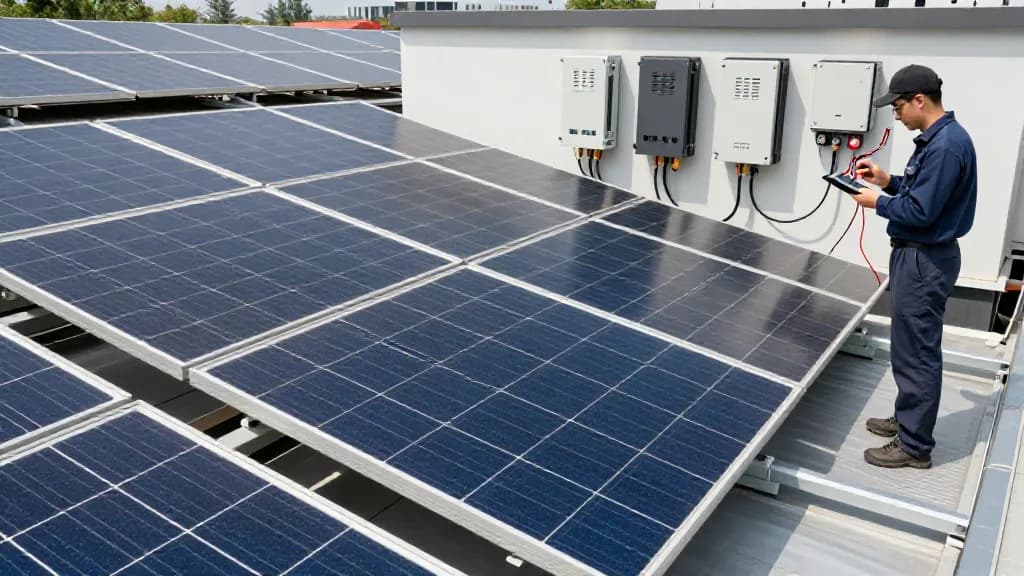
多結晶太陽光パネル設置ガイド:2024年のエンジニアリングベストプラクティス
This guide provides a technical overview of polycrystalline solar panel installation, covering site assessment, mounting systems, electrical design, and performance optimization. Drawing on data from NREL, IRENA, and SEIA, it addresses the specific characteristics of polycrystalline modules—including temperature coefficients, degradation rates, and efficiency ranges—and outlines step-by-step installation procedures for residential and commercial applications. The article also discusses cost considerations, permitting requirements, and maintenance protocols, offering practical guidance for installers and system owners.
もっと詳しく →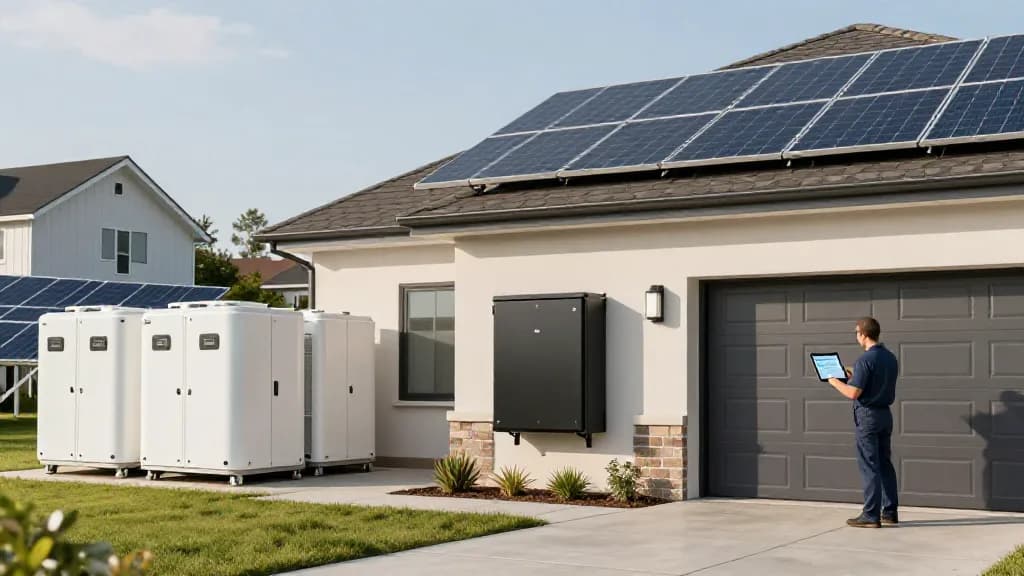
家庭用蓄電池 vs. 従来の電力網:経済性が逆転した
Residential battery storage has crossed a critical economic threshold. With average installed costs for lithium-ion home battery systems falling to approximately $1,000 per kilowatt-hour in 2024, and net metering policies eroding across key US states, the financial calculus for homeowners has shifted decisively. This article examines the hard numbers behind home battery adoption, compares the true cost of grid dependence against storage ownership, and projects where this market is heading through 2030.
もっと詳しく →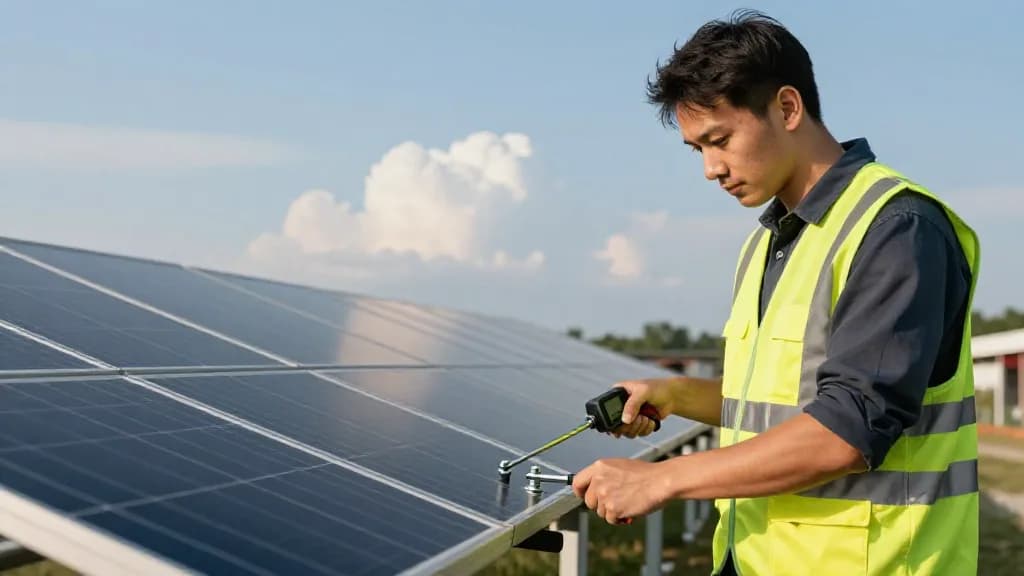
8月台風前チェックリスト:太陽光PVアレイの構造・排水監査
As the Western Pacific typhoon season peaks from August through October, solar asset owners face a critical maintenance window. This article provides a data-driven inspection checklist for PV mounting structures and drainage systems, drawing on failure analysis from the National Renewable Energy Lab
もっと詳しく →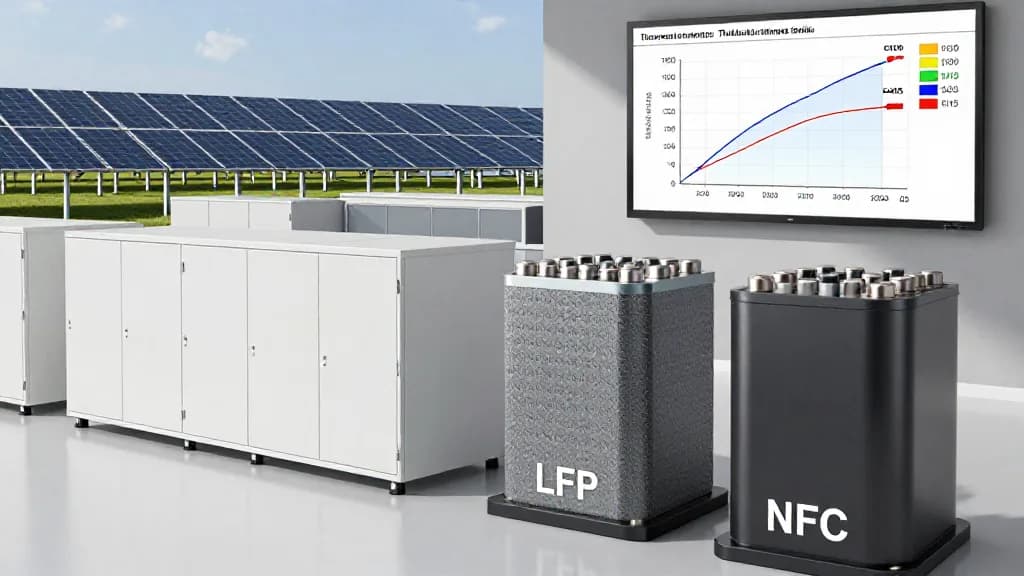
LFP vs. 従来型リチウムイオン:電池化学の転換が太陽光発電の経済性をどう変えているか
The solar energy storage industry is undergoing a fundamental chemistry transition. Lithium iron phosphate (LFP) batteries are displacing traditional nickel-manganese-cobalt (NMC) and nickel-cobalt-aluminum (NCA) chemistries across residential, commercial, and utility-scale applications. This shift is driven by cost reductions, safety advantages, and cycle-life improvements that directly impact the levelized cost of storage (LCOS). Data from BloombergNEF and the International Energy Agency confirm LFP's market share gains, while manufacturers like DLXN are aligning product lines with this chemistry to offer longer-duration storage at lower total ownership costs.
もっと詳しく →
夏季ピーク電力:太陽光発電と蓄電池で家庭の電気代を最大70%削減
As summer heatwaves drive residential electricity demand to record levels, households face soaring utility bills. This article examines how pairing rooftop solar with battery storage can reduce summer electricity costs by 50–70%, based on data from the U.S. Energy Information Administration, Lawrenc
もっと詳しく →