
News & Updates
Latest from DLXN Energy
Solar Battery for Home: The Complete Buyer Guide for 2026
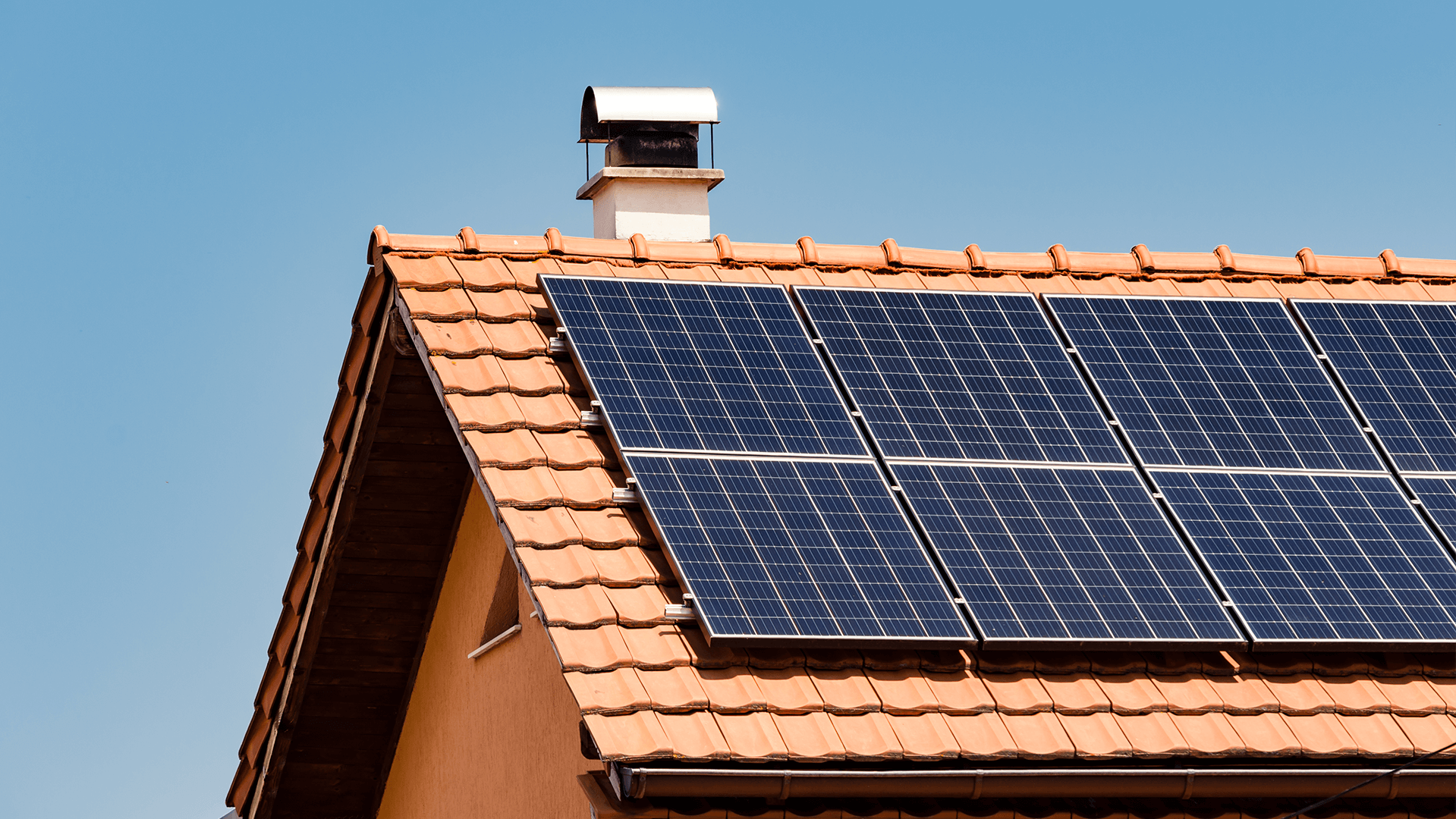
A solar battery for home is the component that turns a solar array from a daytime generator into round-the-clock power. Panels produce electricity when the sun shines; the battery decides whether that electricity is still available at eight in the evening when the household actually needs it. This guide covers how to size a solar battery for home use, which chemistry and form factor to choose, and the specifications that separate a ten-year asset from a three-year disappointment.
Why a solar battery for home changes the economics
Without storage, a grid-tied array exports surplus midday generation for a fraction of what the same kilowatt-hour costs to buy back at night. A battery captures that surplus instead, so every unit of self-consumed solar displaces a retail unit rather than a wholesale export credit. In markets with unreliable supply the value is higher still: the same battery that shifts solar energy also rides through outages without a generator start. That double duty — bill reduction plus resilience — is why storage now ships with most new residential systems rather than being retrofitted later.
How to size a solar battery for home correctly
Start with your evening and night load
Pull a week of consumption data and isolate the hours after sunset. A typical household draws 8-15 kWh across an evening and night, dominated by refrigeration, lighting, cooking and air conditioning. Size the battery to that figure first; the array can then be sized to refill it on an average winter day, which is the constraint that catches out optimistic designs.
Usable capacity, not nameplate capacity
Batteries are sold on nominal capacity but deliver usable energy. A 51.2V 200Ah pack stores 10.24 kWh nominally and roughly 9.6 kWh usable at a conservative depth of discharge. Quoting only the nameplate number is the most common way buyers end up 20% short of their target runtime, so ask every supplier to state usable kilowatt-hours at a defined depth of discharge.
Chemistry: why LiFePO4 is the default
Lithium iron phosphate delivers 6,000 or more cycles, tolerates high ambient temperatures, and carries no thermal runaway risk comparable to nickel-rich chemistries. Lead-acid remains cheaper on day one and roughly three times more expensive per usable kilowatt-hour delivered over a decade. For a home asset expected to run daily for ten years, LiFePO4 is the only sensible comparison.
Form factors: floor-standing, stacked and wall-mounted
The physical format usually follows the available space. Floor-standing cabinets suit utility rooms and garages and scale by adding units to a busbar; stacked systems keep a small footprint and let capacity grow module by module; wall-mounted units save floor area in tight apartments. Three representative products show the range: the DLXN-F5200 51.2V 200Ah at 10.24 kWh, the DLXN-F2314 25.6V 314Ah at 8.04 kWh for lower-voltage builds, and the DLXN-SL5314 51.2V 314Ah at 16.08 kWh for whole-home backup. Compare the full range of floor-standing ESS units before committing to a footprint.
Specifications to check before you buy
- Cycle-life warranty stated at a defined depth of discharge, plus a residual capacity guarantee.
- BMS communication — CAN or RS485 with an explicit protocol list for your inverter brand.
- Low-temperature charge cutoff or integrated heating if the room can approach freezing.
- Continuous discharge current matched to the inverter's peak demand, not just its rating.
- Certification for the destination market and a documented service path in-country.
Compatibility: inverter, array and backup circuits
Storage is a system decision. A hybrid inverter must be able to charge from solar and grid, discharge to essential loads, and expose state of charge to monitoring. Decide up front whether backup covers the whole board or a dedicated essential-loads panel; whole-home backup needs a transfer arrangement and a battery sized for motor starting loads, which can briefly draw several times their rated current.
Cost and payback
Residential storage typically lands between USD 250 and 400 per installed kilowatt-hour in 2026. Payback depends less on hardware price than on the tariff gap between import and export, so model it against your own bill rather than a vendor's generic case. Where outages are frequent, add the avoided generator fuel and downtime to the case and the payback shortens materially.
Frequently asked questions
How big a solar battery for home backup do I need?
Measure your evening and overnight consumption, then add a 20% margin. Most homes land between 10 and 16 kWh usable; a single 10.24 kWh pack covers a modest load, while whole-home backup with air conditioning usually needs 16 kWh or more.
Can I add a battery to an existing solar system?
Yes, if the inverter is hybrid or battery-ready, or if an AC-coupled battery inverter is installed alongside the existing string inverter. Confirm the communication protocol before ordering.
How long will a home battery last?
Expect 10 to 15 years. LiFePO4 cells rated at 6,000 cycles still retain 70-80% of capacity at end of warranty under daily cycling.