
News & Updates
Latest from DLXN Energy
C&I Energy Storage: A Complete Guide to Commercial and Industrial Battery Systems
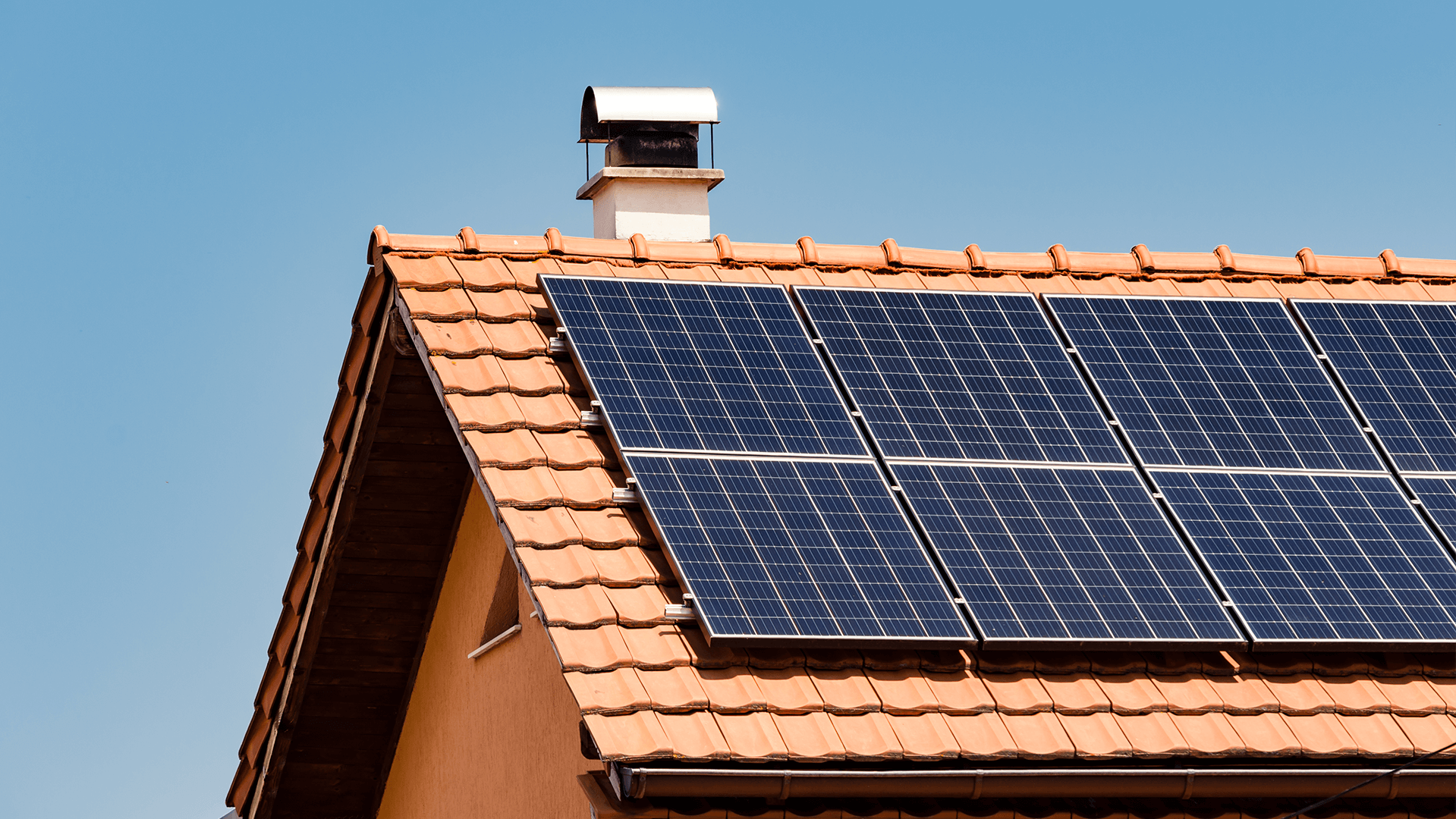
C&I energy storage — commercial and industrial battery systems — has moved from pilot projects to standard equipment for factories, cold stores, telecom sites and commercial buildings. The driver is no longer only backup: time-of-use arbitrage, demand charge reduction and PV self-consumption now justify C&I energy storage on pure financial grounds in most markets with volatile tariffs. This guide explains what these systems do, how to size them, and how to specify one that passes commissioning without surprises.
What C&I energy storage is used for
Peak shaving and demand charges
Many commercial tariffs bill a capacity charge based on the highest fifteen-minute demand in the month. A battery that discharges during those peaks lowers the billed maximum for the whole month, and the saving repeats every month without any further capital outlay. This is usually the fastest payback of any storage use case.
Time-of-use arbitrage
Charge overnight at off-peak rates, discharge through the expensive evening block. With a two-to-three-fold tariff spread and one cycle per day, the arithmetic is straightforward: annual savings equal usable capacity multiplied by the spread, cycle count and round-trip efficiency.
PV self-consumption and resilience
On a site with rooftop solar, storage captures generation that would otherwise be exported at a low feed-in rate, and keeps production running through grid interruptions. For facilities with process loads, a few minutes of ride-through prevents scrapped batches and restart costs that dwarf the energy saving.
How to size a C&I energy storage system
Work from four numbers: peak demand in kilowatts, the duration you must sustain that demand, daily energy shifted in kilowatt-hours, and the critical load list. Power rating and energy capacity are separate decisions — a site may need 200 kW for thirty minutes, which is a very different system from 50 kW for four hours despite similar energy. Add depth-of-discharge limits and end-of-life degradation to the calculation, then confirm the site's transformer and switchgear can accept the additional fault current and reverse power flow.
Cabinet and container formats
Outdoor cabinets suit 100-200 kWh installations where a plant room is unavailable: liquid-cooled racks, integrated fire suppression and a weatherproof enclosure arrive as one unit. The DLXN-GC100/120 outdoor battery cabinet covers 100-120 kWh with LiFePO4 racks and integrated thermal management, sized for a single commercial building or a large workshop. Above that, containerized systems become cheaper per kilowatt-hour and faster to deploy — browse the containerized BESS range for units from 100 kWh upward, including multi-megawatt-hour configurations for grid-scale work.
Safety, cooling and compliance
LiFePO4 reduces thermal risk but does not remove it: cell-level monitoring, pack-level gas detection, deflagration venting and a suppression agent rated for lithium fires all belong in the specification. Liquid cooling holds cell temperatures within a narrow band, which extends calendar life in hot climates far more effectively than oversized air conditioning. Confirm the enclosure's IP rating, the fire rating of the wall it stands against, and local permitting requirements for battery rooms before the equipment ships.
Metering, controls and grid interaction
Storage only earns its keep if the energy management system can see the site. Interval meters, a demand controller and a gateway that speaks Modbus or an open API let the battery respond to measured load rather than a fixed schedule, which is the difference between clipping the real monthly peak and guessing at it. Where export is restricted, the system must limit reverse power flow at the point of connection; where the utility demands it, confirm relay settings and anti-islanding test certificates travel with the equipment. Ask for a commissioning report showing the EMS responding to a simulated peak event, not just a screenshot of the dashboard.
Procurement checklist
- Round-trip efficiency at the expected C-rate, not at a laboratory trickle rate.
- Cycle-life and capacity warranty with an annual throughput cap stated in megawatt-hours.
- EMS capability — peak shaving, tariff schedules, remote dispatch and open API access.
- Grid-code compliance for the destination market, including anti-islanding and reactive power.
- Service model — spare parts, local technicians and remote diagnostics with a stated response time.
Getting the numbers right before you buy
Request a load-profile study rather than accepting a package quote. The difference between a well-sized C&I energy storage system and an oversized one is typically 30-40% of the capital cost, and an undersized system simply fails to shift the peak it was bought for. Send interval meter data with your enquiry so the sizing is built on measured demand.
Frequently asked questions
What size C&I energy storage does a factory need?
Size on interval meter data: the power rating must cover the peak you want to clip, and the energy rating must cover the duration of that peak plus your arbitrage window. Typical industrial sites land between 100 kWh and 1 MWh.
How long is the payback on C&I energy storage?
Where demand charges are material and tariffs have a wide peak-off-peak spread, four to seven years is common. Sites with weak grid supply usually pay back faster because avoided downtime is added to the energy saving.
Can C&I energy storage run in parallel with a generator?
Yes. A battery can carry the load while the generator starts and then accept charging from it, which cuts fuel consumption and running hours. Confirm the EMS supports generator-following logic.