
Off-Grid Solar Systems: Hybrid Inverters, Sizing and Energy Independence
An off-grid system is a small power station that has to survive the worst week of the year, not the average one. That changes every sizing rule: array size is set by the lowest-irradiance month, battery capacity by consecutive cloudy days, and the inverter by surge loads such as pumps and compressors rather than steady-state watts. This hub gathers the field notes on standalone and hybrid systems — how to size a hybrid inverter against a LiFePO4 bank, when to keep a diesel genset as backup, how to commission a system so the BMS and inverter agree on charge limits, and the practical details of remote monitoring when there is no grid to fall back on.
In this topic (22)
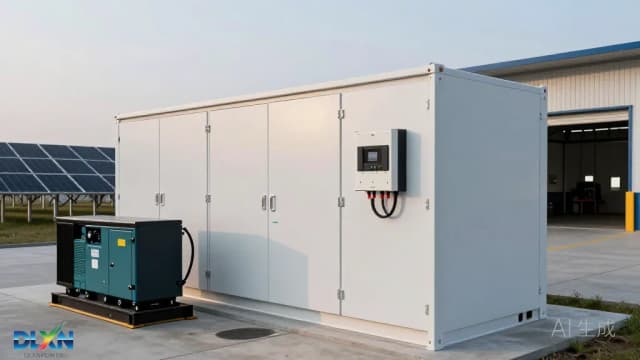
Commercial Backup Storage vs Diesel: The 2025 Shift
Commercial facilities are rethinking backup power as lithium-ion battery energy storage systems (BESS) reach price and performance thresholds that undercut the diesel generator-plus-UPS stack on total cost of ownership. With BloombergNEF reporting lithium-ion pack prices at $115/kWh in 2024 and turnkey four-hour systems near $269/kWh, a growing share of warehouses, data centers, cold-chain sites and retail campuses are specifying battery storage as primary backup, with diesel demoted to a secondary role for multi-day outages. This analysis compares capital and operating costs, response times, autonomy limits, code requirements and revenue-stacking opportunities, and explains why hybrid architectures are emerging as the pragmatic commercial standard.
Read more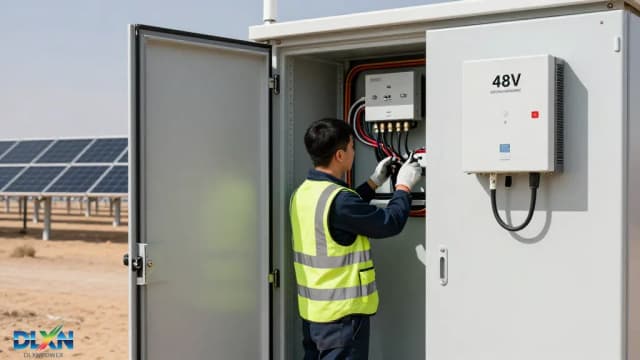
Standalone Solar Power Systems vs Traditional Grid Power
A standalone solar power system generates, stores and manages all of its own electricity with no utility interconnection, while a traditional grid-tied arrangement treats the network as an effectively unlimited battery. This article compares the two architectures across capital cost, levelized cost of energy, reliability, component sizing and real-world deployment, drawing on data from the IEA, NREL, Lazard, IRENA, GOGLA and the World Bank. It explains when an off-grid design is the rational engineering choice — remote sites, weak grids, resilience-critical loads — and when grid extension or a grid-tied hybrid delivers cheaper kilowatt-hours.
Read more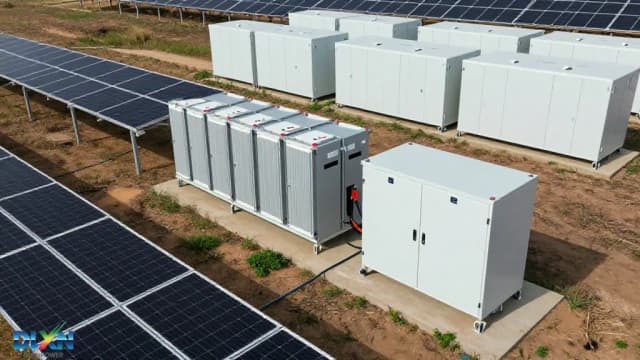
Off-Grid Solar Lithium Battery Systems: 2025 Tech Guide
Off-grid solar lithium battery systems reached a maturity tipping point in 2025 as lithium iron phosphate (LFP) pack prices fell below the $100–115/kWh mark for the first time, making clean standalone power cheaper than diesel or grid extension in thousands of locations. This article examines the chemistry upgrades, smart battery management systems (BMS), high-voltage architectures, and hybrid inverter integrations defining the current generation of off-grid storage. Backed by BloombergNEF and IEA market data, it also clarifies safety standards, real-world return on investment, and what to expect from sodium-ion alternatives. For homeowners, rural businesses, and telecom operators, the off-grid opportunity has never been more technically or financially compelling.
Read more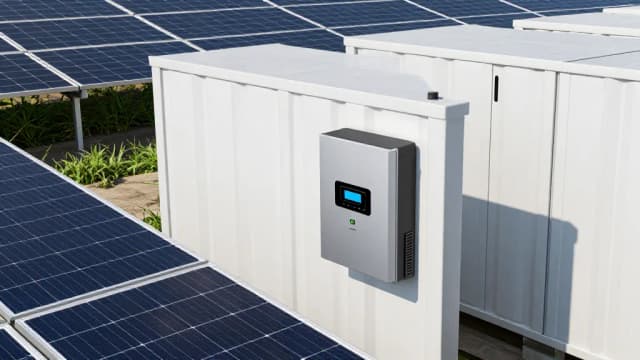
Hybrid Off-Grid Solar Storage Kits: The Market Shift Toward Energy Independence
The hybrid off-grid solar storage kit market is experiencing rapid growth as component prices fall and energy security concerns rise. With lithium battery prices dropping 82% since 2013 per BNEF data, and inverter technology maturing, these integrated systems are becoming viable alternatives to grid extension in both developed and emerging markets. This article examines the technical drivers, market data, and installation trends shaping the sector.
Read more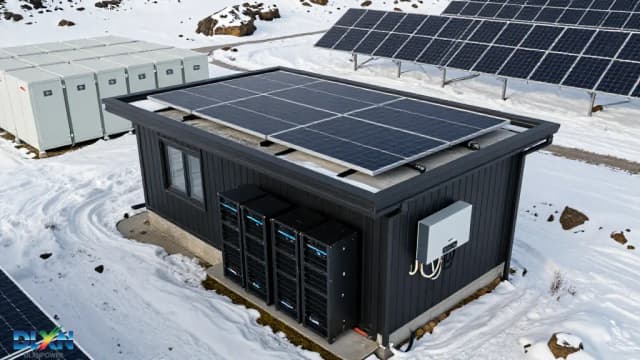
Off-Grid Solar Lithium Battery Systems: 2025 Technology
This article examines the latest technology driving off-grid solar lithium battery systems in 2025. Demand for energy independence is surging as battery pack prices have fallen to record lows of $115/kWh, according to BloombergNEF, while LFP chemistry has matured into 10,000-cycle storage workhorses. The article covers cell advances from 3.2V 314Ah prismatic cells, AI-driven battery management systems, 48V versus high-voltage architectures, hybrid inverter integration with grid-forming capability, and real-world cost data for powering remote homes, microgrids and commercial sites off-grid.
Read more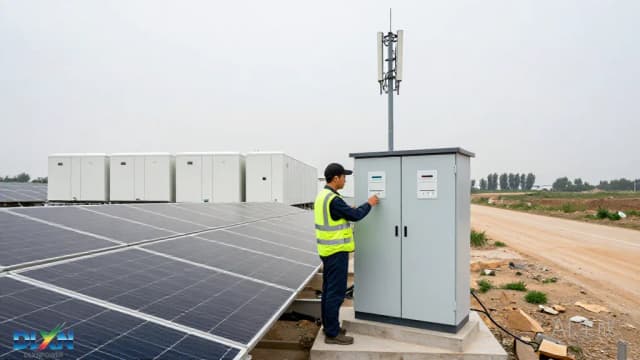
Off-Grid Solar Market Trends: Costs, PAYGo and Demand
The off-grid solar sector is moving from a niche energy-access story to a maturing global market valued in the billions of dollars, reshaped by falling lithium iron phosphate battery prices, higher-DC-voltage system architectures, PAYGo digital finance and rising demand for resilience in grid-connected economies. This article examines the key market trends — sales volumes and segmentation, demand drivers across Sub-Saharan Africa and South Asia, unit economics and LCOE, technical shifts in inverters and storage, and the financing models underpinning growth — with reference to data from the IEA, BloombergNEF, NREL, the World Bank/ESMAP and GOGLA, and explains what buyers and project developers should watch through 2030.
Read more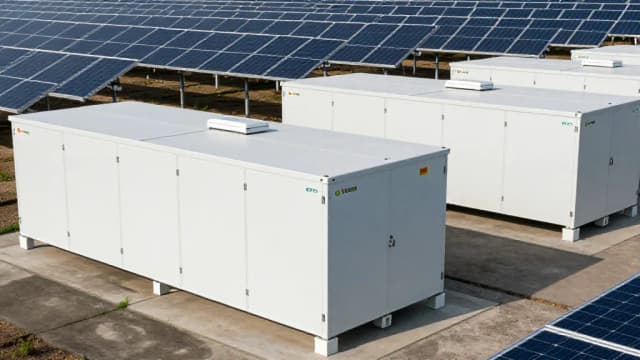
Grid-Tie Solar with Battery Backup: The Market Shift Reshaping Home Energy
The grid-tie solar system with battery backup market is undergoing a significant transformation in 2025, driven by falling battery costs, evolving net-metering policies, and rising demand for energy resilience. Once a niche add-on, battery storage is now becoming a standard component o
Read more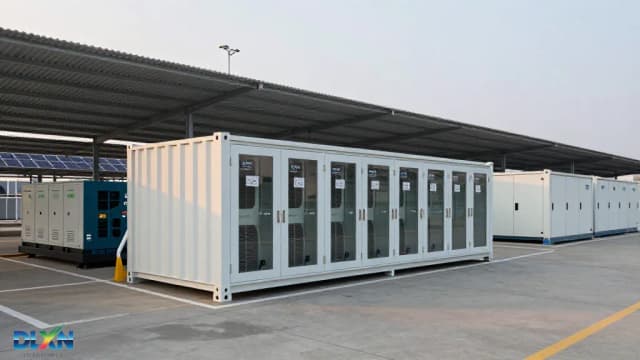
Commercial Energy Storage vs Traditional Backup Power
Commercial battery energy storage has shifted from a niche resilience add-on to a primary asset for commercial and industrial (C&I) facilities, competing head-to-head with diesel gensets, lead-acid UPS rooms and grid-only supply. This analysis compares capital cost, levelized cost of storage, round-trip efficiency, response time, demand-charge value and code compliance across both approaches, drawing on BloombergNEF, NREL, Lazard, IEA and IEEE data, and lays out when a lithium-iron-phosphate BESS — or a hybrid solar-plus-storage design — is the rational procurement decision.
Read more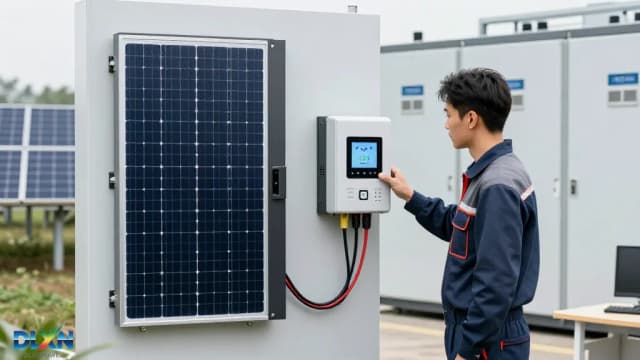
Hybrid Inverters 2025: Powering Home Solar Storage
The latest solar inverters for home storage are no longer simple DC-AC converters. In 2025, hybrid inverters integrate battery backup, AI-driven energy management, and grid-forming capabilities. This article explores the underlying power electronics, safety standards, and market forces shaping residential solar storage, enabling homeowners to maximize self-consumption and resilience.
Read more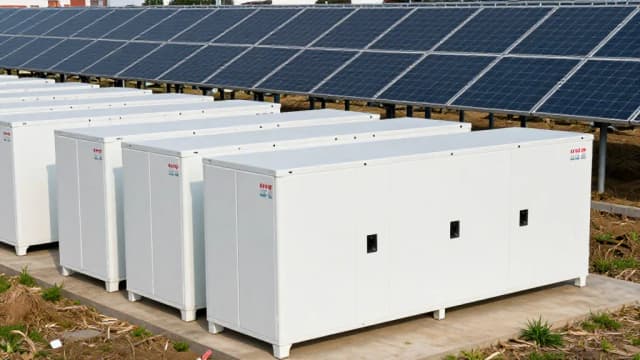
Off-Grid Solar Lithium Battery Systems: The 2025 Technology Leap
The off-grid solar industry is undergoing a shift in 2025, driven by breakthroughs in lithium iron phosphate (LFP) chemistry, smart battery management systems (BMS), and hybrid inverter integration. These advances are slashing costs, extending lifespan, and enabling true
Read more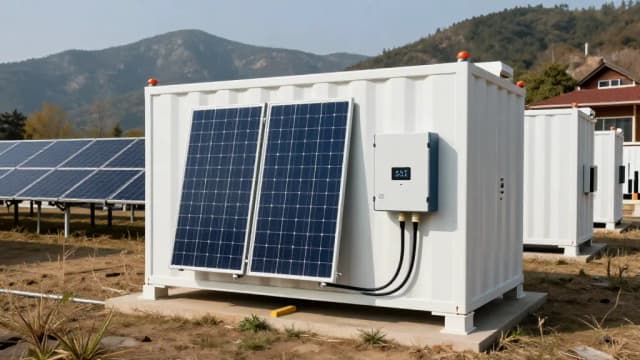
Hybrid Off-Grid Solar Storage Kits: The 2025 Technology Shift That Changes Remote Power Economics
Hybrid off-grid solar storage kits are undergoing their most significant technological transition since lithium-ion replaced lead-acid batteries. In 2025, silicon carbide inverters, sodium-ion battery options, and AI-driven energy management are pushing levelized cost of energy below $0.15/kWh for remote installations—a 40% reduction from 2020 baselines. This article examines the specific technical advances, their economic implications, and what system integrators should specify for new projects.
Read more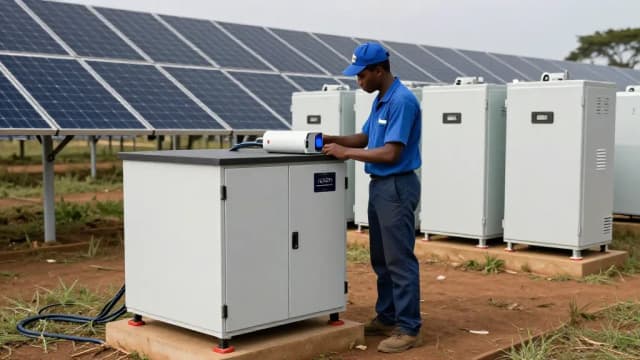
Hybrid Off-Grid Solar Storage Kits Achieve Record Round-Trip Efficiency, Reshaping Rural Electrification Economics
Recent laboratory data from the National Renewable Energy Laboratory (NREL) and independent testing bodies confirms that modern hybrid off-grid solar storage kits now achieve round-trip efficiency ratings above 92%, a 7% improvement over systems available just three years ago. This efficiency breakthrough, driven by advances in lithium iron phosphate (LFP) chemistry, gallium nitride (GaN) inverters, and adaptive maximum power point tracking (MPPT) algorithms, is cutting the levelized cost of electricity (LCOE) for off-grid applications to below $0.18/kWh in high-insolation regions. For the estimated 675 million people worldwide who still lack reliable electricity access, according to the International Energy Agency (IEA), these gains translate directly into smaller solar arrays, reduced battery capacity requirements, and faster payback periods. This article examines the specific engineering developments behind the efficiency gains and what they mean for installers, project developers, and end-users in remote and islanded applications.
Read more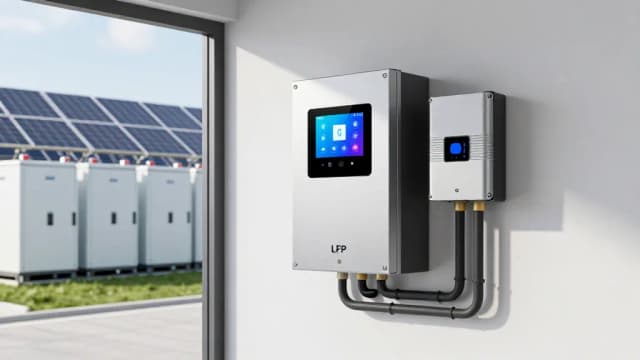
Residential Battery Storage vs. Traditional Backup: The Economic and Technical Turning Point
Residential battery energy storage has crossed a critical economic threshold in 2024–2025, with lithium-ion pack prices falling below $100/kWh for the first time. This article examines the technical, economic, and regulatory factors driving homeowners to adopt battery storage over traditional diesel generators and grid-only dependency, using verified data from IEA, NREL, and BNEF. We analyze the levelized cost of storage, the impact of net metering policy shifts, and the resilience calculus behind the decision, while highlighting how modern lithium iron phosphate (LFP) chemistry and smart energy management systems are changing the value proposition for residential and commercial users alike.
Read more
Grid-Tie Solar With Battery Backup vs Traditional
Traditional grid-tie (on-grid) solar systems remain the cheapest way to generate electricity, but they shut down during outages and increasingly earn very little for exported power. Battery-backed grid-tie systems — hybrid inverters paired with lithium iron phosphate storage — cost more upfront yet deliver backup power, time-of-use arbitrage, self-consumption gains and demand-response revenue. This article compares architecture, cost, resilience and policy exposure using data from NREL, BloombergNEF, EIA, IEEE standards and recent net-billing reforms, and explains how to size and specify the right system for a given site and tariff.
Read more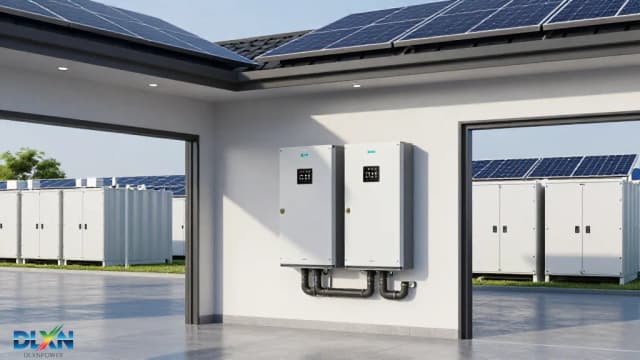
Grid-Tie Solar With Battery Backup vs Traditional
Traditional grid-tie solar systems maximize energy yield per dollar but shut down instantly when the grid fails, while battery-backed grid-tie systems add storage, backup power and time-of-use arbitrage at a higher capital cost and modest efficiency penalty. As net metering reforms compress export credits and outage hours climb, the economics are shifting decisively toward hybrid systems. This analysis compares architecture, round-trip efficiency, installed costs, real outage data, and hardware selection criteria to help homeowners and installers choose correctly.
Read more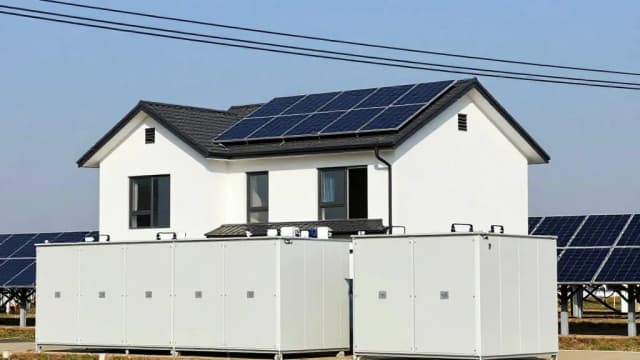
Grid-Tied Solar Systems vs. Traditional Power: The Economic and Engineering Case for Connection
Grid-tied solar systems are now the dominant deployment model globally, with 80% of new solar capacity connected to existing grids. This article examines the technical and economic differences between grid-tied photovoltaics and traditional off-grid or diesel-reliant systems, drawing on data from the International Energy Agency (IEA), the National Renewable Energy Laboratory (NREL), and BloombergNEF. We analyze levelized cost of electricity (LCOE), system efficiency, and grid stability considerations, while addressing common misconceptions about net metering and energy independence.
Read more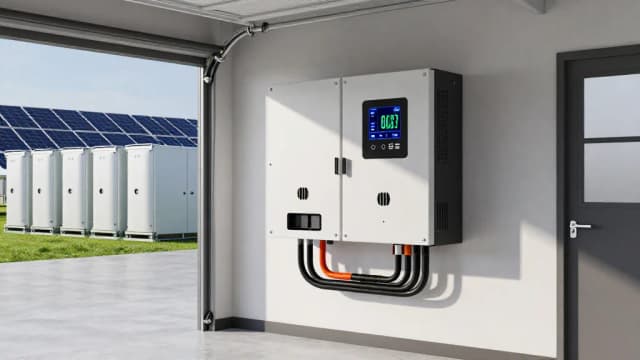
Hybrid Inverters Reshape Home Storage Economics in 2025
The 2025 home storage market is defined by a decisive shift from AC-coupled battery retrofits to hybrid inverter architectures that manage solar generation and battery storage in a single unit. This transition, driven by falling battery prices and new grid interconnection rules, improves round-trip efficiency by 3–5% and reduces balance-of-system costs by up to 30%. Key technical advancements include silicon carbide (SiC) MOSFETs, grid-forming capabilities, and AI-driven energy management that aligns with the US Department of Energy's push for resilient home energy systems.
Read more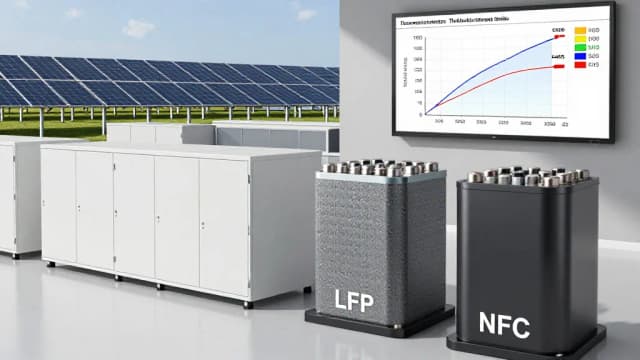
How Many Batteries Needed for Daily 80 kWh? A Practical Sizing Walkthrough
A practical sizing method for 80 kWh per day of consumption: converting daily energy into battery count using usable capacity, depth of discharge, autonomy and round-trip efficiency, with worked examples.
Read more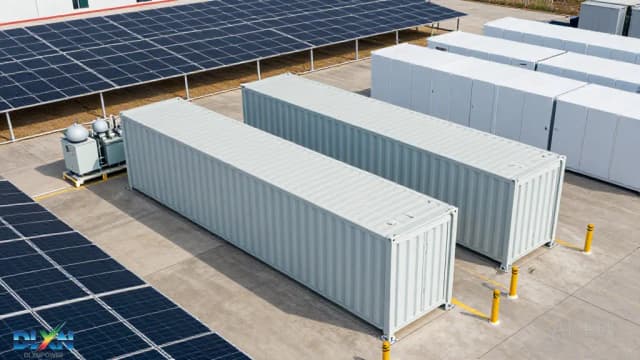
BESS vs Traditional C&I Storage: A Data-Led Comparison
Commercial and industrial (C&I) facilities have historically relied on diesel gensets, lead-acid UPS banks, and curtailment-based demand response for resilience and bill management. Lithium-ion battery energy storage systems (BESS) now challenge that stack on levelized cost, response speed, emissions, and permitting risk. This article benchmarks the two approaches using IEA, BloombergNEF, NREL, and Lazard data — covering cycle life, round-trip efficiency, demand-charge economics, fire-code compliance, and real deployment patterns — and closes with a practical procurement checklist for facility owners and integrators.
Read more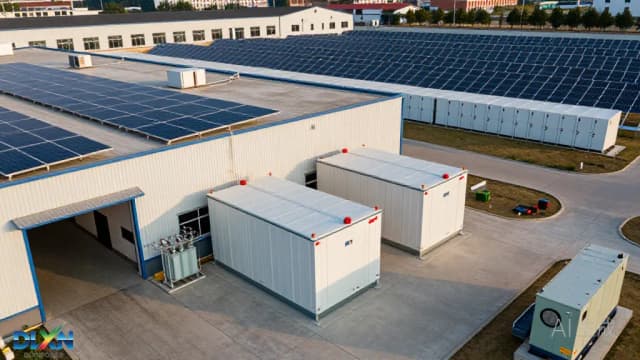
Solar Storage for Business vs Traditional Power Systems
Commercial battery storage has moved from pilot project to procurement line item, and the comparison against traditional grid-only supply and diesel backup is no longer close on lifecycle economics. According to BloombergNEF's December 2024 battery price survey, lithium-ion pack prices fell 20% year-on-year to a record low of $115/kWh, while installed turnkey commercial systems now land between roughly $250 and $450/kWh depending on duration and enclosure. This article breaks down where storage wins, where diesel and lead-acid still hold ground, what the technical parameters actually mean for a 250 kW commercial site, and how demand charges, interconnection rules and incentive structures shape the real payback.
Read more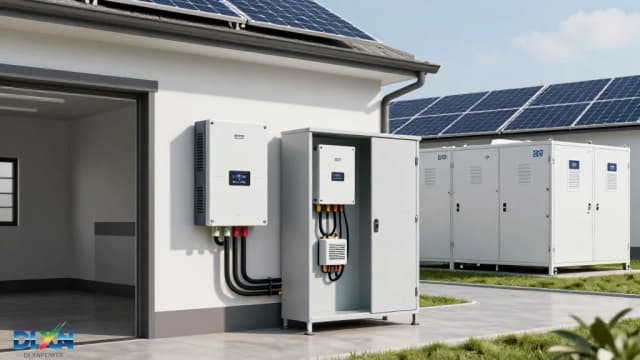
All-in-One Solar Power and Storage vs Traditional Systems
The choice between an all-in-one solar power and storage system and a traditional component-based architecture is no longer a matter of preference — it is an engineering and financial decision that shapes round-trip efficiency, installation labor, warranty exposure and long-term upgrade paths. This article compares both approaches using verified industry data from BloombergNEF, NREL, the IEA and national regulators, examining conversion losses, balance-of-system costs, certification requirements such as UL 9540 and NFPA 855, and real-world deployment patterns in residential, commercial and off-grid applications. It closes with a practical decision framework for specifiers, EPCs and asset owners evaluating hybrid inverters, modular lithium batteries and integrated energy management platforms.
Read more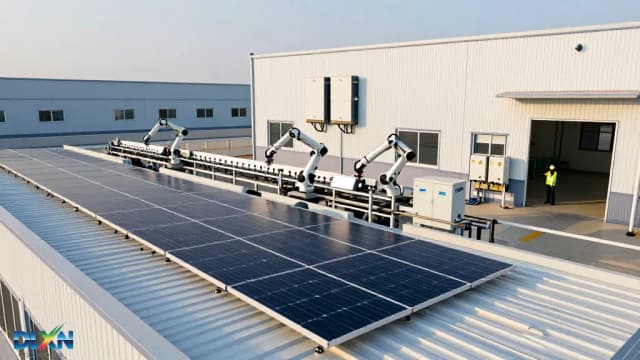
Commercial Solar Systems vs Traditional Power: 2025 Guide
Commercial solar power systems now compete directly with traditional utility tariffs and on-site diesel generation, and in most high-rate markets they win on levelized cost. This analysis compares the two supply models across capital structure, technical architecture, storage integration, demand-charge management and measured payback, using benchmarks from Lazard, NREL, BloombergNEF, the IEA and the U.S. Energy Information Administration. It also identifies the specific conditions — low tariffs, weak roofs, short leases, night-heavy loads — where traditional supply remains the rational choice, and explains why most successful commercial projects now blend both.
Read moreFrequently asked questions
How many days of battery autonomy does an off-grid system need?
Two to three days is the usual range for residential off-grid, and one to two days when a generator is available as backup. Each extra day multiplies battery cost, so the cheapest design is usually two days of storage plus a modest generator rather than five days of batteries.
Can I add an off-grid battery to an existing grid-tied solar system?
Yes, if the inverter is hybrid or AC-coupled storage is added. A pure grid-tie string inverter cannot form a grid on its own, so it will shut down in a blackout; replacing it with a hybrid inverter or adding an AC-coupled battery with backup output is the standard retrofit path.