
Commercial & Industrial ESS: Containerized BESS, Microgrids and ROI
Commercial and industrial energy storage (C&I ESS) is bought for a financial outcome, not for a datasheet. A containerized BESS shifts solar generation into the evening peak, caps the monthly demand charge, and keeps a factory or cold store running through a grid outage. The articles collected here cover how a 100–500 kWh cabinet is specified, when a microgrid with PV, storage and a diesel genset beats a pure grid-tied system, which grid codes and certifications a project actually needs, and how to build the payback model that a finance team will sign off on.
In this topic (22)
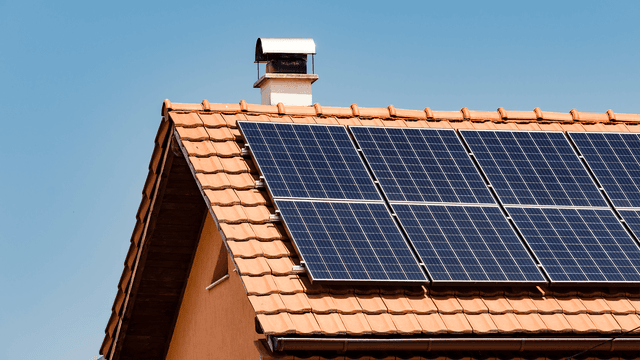
C&I Energy Storage: A Complete Guide to Commercial and Industrial Battery Systems
A practical guide to C&I energy storage: the four use cases that pay, how to size power and energy separately, cabinet versus containerized formats, and safety compliance.
Read more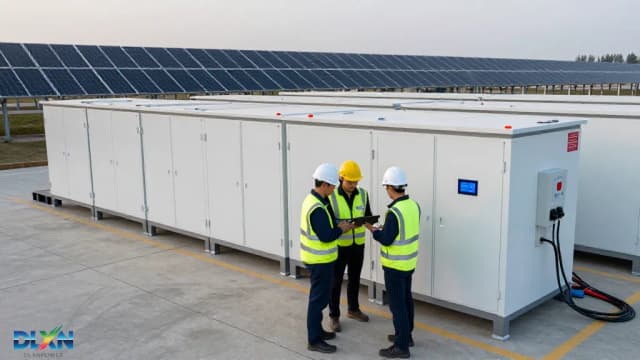
C&I BESS 2025: Latest Commercial Storage Technology
Commercial and industrial battery energy storage (C&I BESS) entered 2025 as a mature, bankable asset class rather than a pilot-stage experiment. Driven by 314 Ah LFP cells, 5–6.25 MWh container platforms, silicon-carbide power conversion, grid-forming inverters, and AI-driven energy management, today's systems deliver stronger safety certification (UL 9540A, NFPA 855) and shorter paybacks than the 2021–2023 generation. This article examines the market trajectory, cell and pack architecture, power conversion, safety engineering, controls, and the economics that determine whether a 2025 C&I storage project clears its hurdle rate.
Read more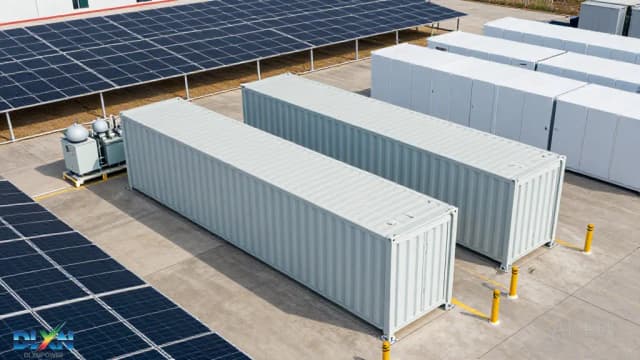
BESS vs Traditional C&I Storage: A Data-Led Comparison
Commercial and industrial (C&I) facilities have historically relied on diesel gensets, lead-acid UPS banks, and curtailment-based demand response for resilience and bill management. Lithium-ion battery energy storage systems (BESS) now challenge that stack on levelized cost, response speed, emissions, and permitting risk. This article benchmarks the two approaches using IEA, BloombergNEF, NREL, and Lazard data — covering cycle life, round-trip efficiency, demand-charge economics, fire-code compliance, and real deployment patterns — and closes with a practical procurement checklist for facility owners and integrators.
Read more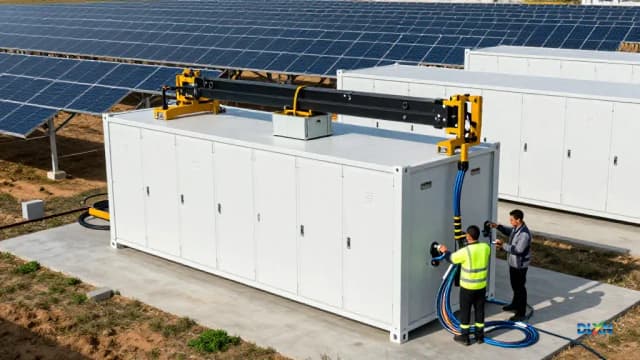
Commercial BESS Manufacturer Installation Guide: Engineering the Distributed Grid
Commercial battery energy storage systems (BESS) are no longer an experimental add-on but a core financial and operational asset for commercial and industrial
Read more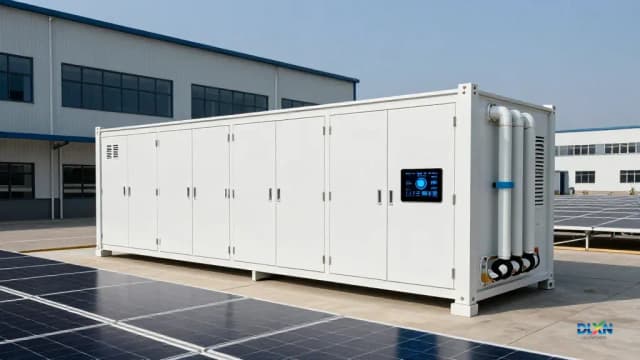
Commercial BESS Manufacturers Race to 2025: New Chemistries, Grid Services, and Fire Safety Redefine the Market
Commercial battery energy storage systems (BESS) are entering a new era in 2025, driven by the falling cost of lithium iron phosphate (LFP) cells, the emergenc
Read more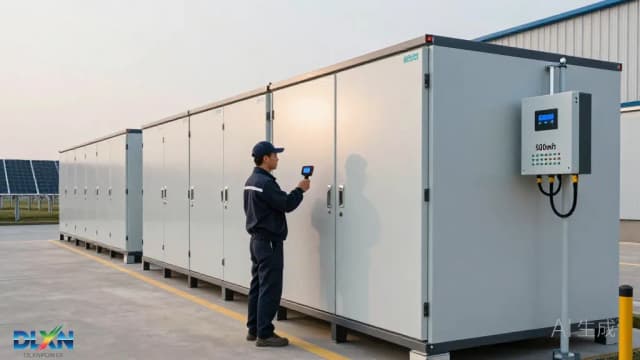
Commercial BESS Efficiency Breakthrough: 92% RTE
Commercial battery energy storage has crossed a practical threshold: systems now deliver 90–92% AC-to-AC round-trip efficiency, up from 85–88% five years ago. The gain comes from silicon-carbide power conversion, DC-coupled architectures, liquid thermal management, LFP cells with longer cycle life, and AI-driven energy management. For commercial and industrial operators, each point of efficiency is worth thousands of dollars per megawatt-hour annually. This article examines the technical levers, real product data, and procurement implications behind the breakthrough.
Read more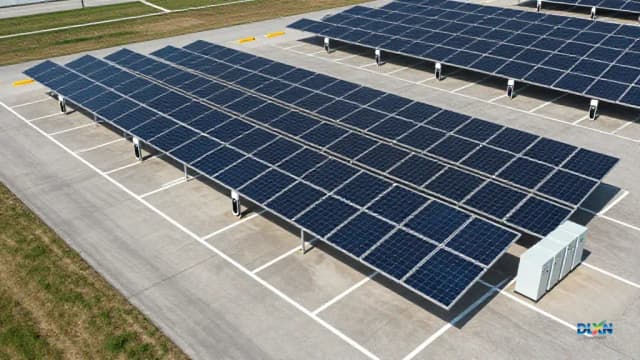
Commercial PV Carports with EV Charging and BESS: A Technical Installation Guide for 2025
Commercial solar carports paired with EV charging stations and battery energy storage systems (BESS) are becoming a standard infrastructure investment for businesses, fleet operators, and commercial property owners. This guide covers the technical specifications, financial considerations, and installation best practices for integrating PV carports with EV charging and BESS, drawing on data from NREL, BNEF, and SEIA.
Read more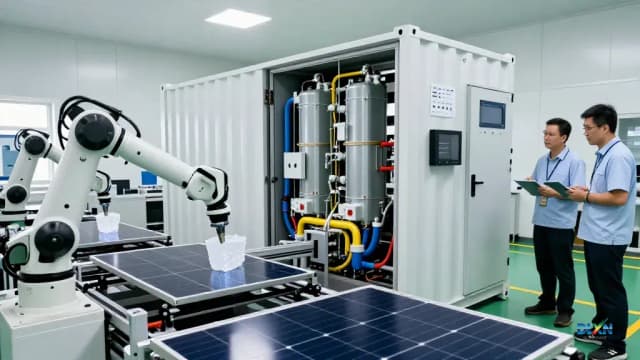
Commercial BESS Manufacturers Achieve 92% Round-Trip Efficiency: A New Benchmark in Grid-Scale Storage
Commercial battery energy storage systems (BESS) have crossed a critical technical threshold, with leading manufacturers now demonstrating round-trip efficiency (RTE) above 92% at the system level. This breakthrough, driven by advancements in cell chemistry, power conversion systems, and thermal management, reduces levelized cost of storage (LCOS) by 15–20% compared to 2020 installations. This article examines the engineering developments behind this efficiency milestone, its economic implications for project developers, and what it means for the 2030 global storage deployment targets.
Read more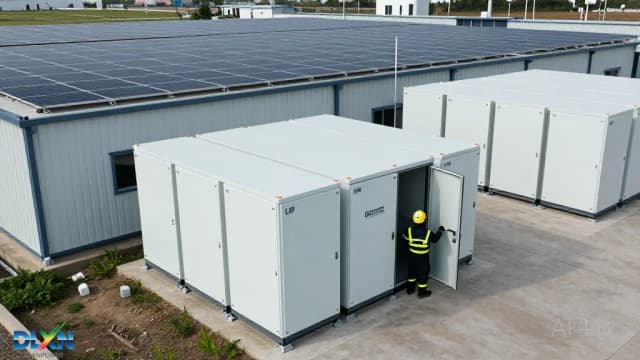
C&I Energy Storage Installation Guide: A Practical Playbook
Commercial and industrial (C&I) battery storage has shifted from demonstrator projects to mainstream capital investment, driven by demand-charge management, time-of-use arbitrage, resilience requirements and generous incentive stacks. This guide walks through the full installation lifecycle — load profiling and site assessment, battery and inverter sizing, PV coupling ratios, code compliance under UL 9540A, NFPA 855 and IEEE 1547-2018, thermal management and siting, and finally commissioning and revenue stacking. It pairs each stage with concrete technical parameters, market data from BloombergNEF, IEA and NREL, and the failure modes that most often erode project returns.
Read more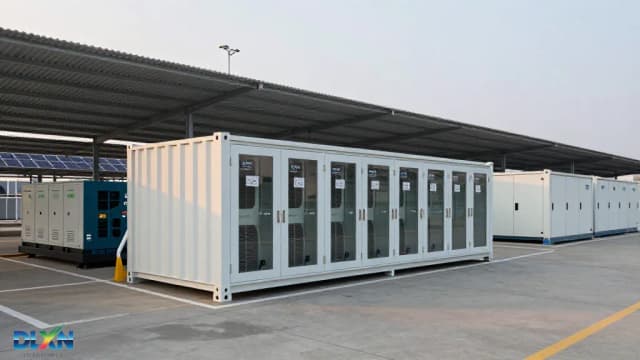
Commercial Energy Storage vs Traditional Backup Power
Commercial battery energy storage has shifted from a niche resilience add-on to a primary asset for commercial and industrial (C&I) facilities, competing head-to-head with diesel gensets, lead-acid UPS rooms and grid-only supply. This analysis compares capital cost, levelized cost of storage, round-trip efficiency, response time, demand-charge value and code compliance across both approaches, drawing on BloombergNEF, NREL, Lazard, IEA and IEEE data, and lays out when a lithium-iron-phosphate BESS — or a hybrid solar-plus-storage design — is the rational procurement decision.
Read more
Large-Scale Commercial Energy Storage Installation: A Field Guide for 2025
Commercial and industrial (C&I) energy storage installations are surging globally, driven by falling battery prices and grid reliability demands. This guide covers site assessment, system design, safety compliance, and financial modeling—grounded in data from IRENA, BNEF, and NREL—to help project developers navigate the complexities of deploying multi-megawatt storage systems.
Read more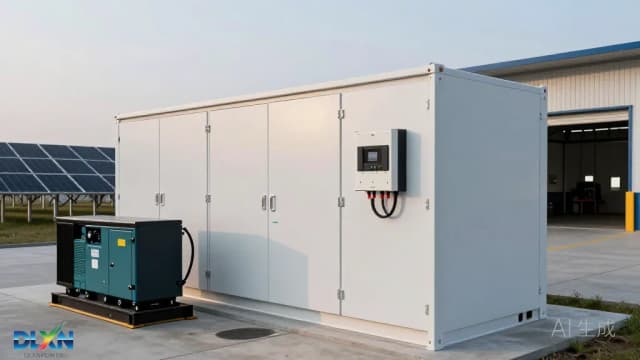
Commercial Backup Storage vs Diesel: The 2025 Shift
Commercial facilities are rethinking backup power as lithium-ion battery energy storage systems (BESS) reach price and performance thresholds that undercut the diesel generator-plus-UPS stack on total cost of ownership. With BloombergNEF reporting lithium-ion pack prices at $115/kWh in 2024 and turnkey four-hour systems near $269/kWh, a growing share of warehouses, data centers, cold-chain sites and retail campuses are specifying battery storage as primary backup, with diesel demoted to a secondary role for multi-day outages. This analysis compares capital and operating costs, response times, autonomy limits, code requirements and revenue-stacking opportunities, and explains why hybrid architectures are emerging as the pragmatic commercial standard.
Read more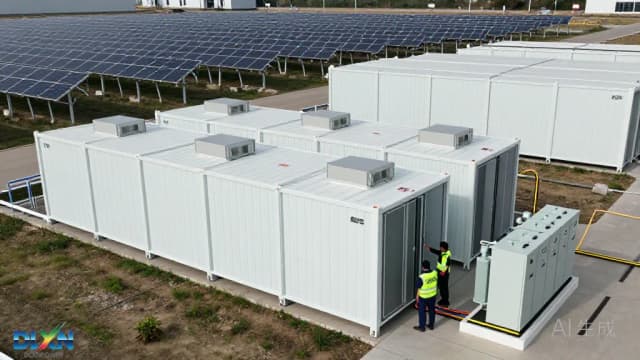
Commercial Battery Storage Technology in 2025
Commercial and industrial battery energy storage in 2025 has crossed from pilot-stage experimentation into standardized, bankable infrastructure. Pack-level energy density has jumped roughly 60% in two years as 314 Ah and 587 Ah LFP cells pushed 20-foot containers past 5 MWh, while cell-to-AC architectures, liquid cooling and grid-forming inverters have become default specifications rather than differentiators. Chemistry is diversifying with sodium-ion and LMFP entering commercial volumes, safety codes (UL 9540A, NFPA 855) are tightening, and software platforms now determine project revenue more than hardware. This article examines the six technology shifts that matter most for C&I buyers in 2025, with market data, technical parameters and procurement guidance.
Read more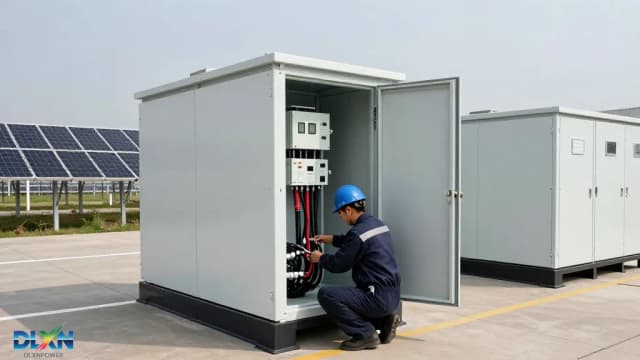
C&I Energy Storage Installation Guide: A 2025 Playbook
Commercial and industrial (C&I) battery storage has moved from pilot project to standard capital equipment, driven by a 20% drop in pack prices in 2024 and a 30% standalone investment tax credit in the United States. This guide walks through the full installation sequence — load profiling, power and energy sizing, electrical integration under NEC Article 706, NFPA 855 fire compliance, commissioning, and the economics that decide payback — with the technical parameters and market data that matter at each stage.
Read more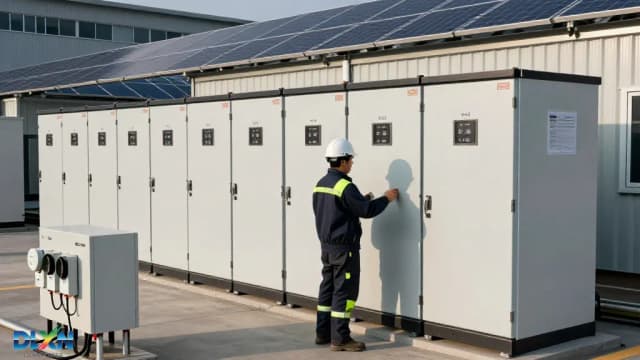
Commercial Solar Storage in 2025: Latest Tech Trends
Commercial and industrial (C&I) solar-plus-storage entered 2025 with larger LFP cells, higher-voltage DC architectures, sodium-ion pilots and AI-driven dispatch software, while average battery pack prices fell to roughly USD 115/kWh according to BloombergNEF. This deep dive covers the chemistry, hardware, software, safety standards and financing models shaping commercial projects this year, with data from the IEA, NREL, UL, IEEE and national regulators — and what procurement teams should specify right now.
Read moreLarge-Scale Commercial Energy Storage: Market Trends Reshaping the Grid in 2025
The large-scale commercial energy storage market is undergoing rapid transformation, driven by falling battery costs, evolving grid regulations, and the urgent need for renewable integration. This article examines key market data, technology shifts, and policy drivers shaping the sector, with insights for project developers and energy managers.
Read more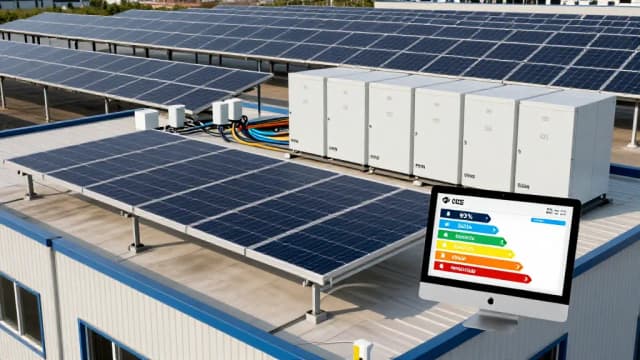
Microgrid Efficiency Breakthrough: How DC-Coupled Architecture Is Redefining Distributed Energy Economics
A new wave of DC-coupled microgrid architectures is delivering measurable efficiency gains of 6–12% over traditional AC-coupled systems, according to 2024 field data from the National Renewable Energy Laboratory. This article examines the technical drivers behind these gains, the economic implications for commercial and industrial operators, and how advanced solar-plus-storage configurations are reshaping the business case for distributed generation.
Read more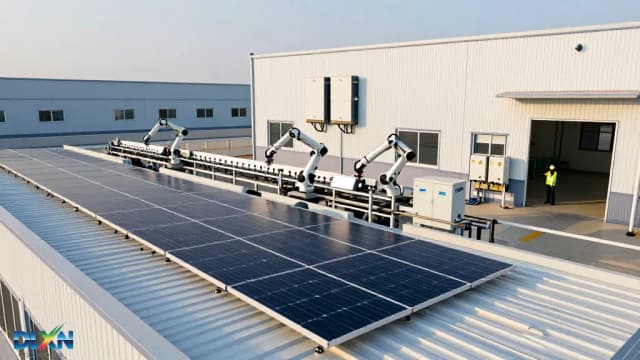
Commercial Solar Systems vs Traditional Power: 2025 Guide
Commercial solar power systems now compete directly with traditional utility tariffs and on-site diesel generation, and in most high-rate markets they win on levelized cost. This analysis compares the two supply models across capital structure, technical architecture, storage integration, demand-charge management and measured payback, using benchmarks from Lazard, NREL, BloombergNEF, the IEA and the U.S. Energy Information Administration. It also identifies the specific conditions — low tariffs, weak roofs, short leases, night-heavy loads — where traditional supply remains the rational choice, and explains why most successful commercial projects now blend both.
Read more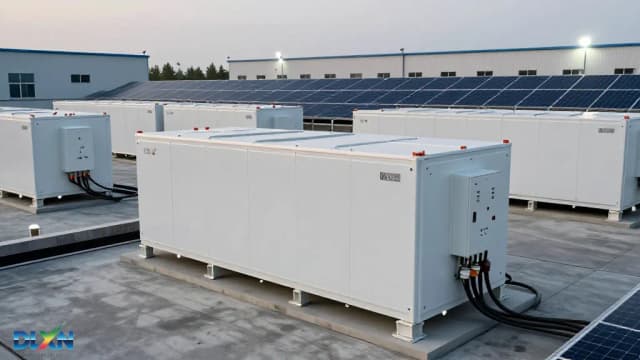
Solar Storage for Business: The 2025 Tech Guide
Commercial and industrial solar storage in 2025 is defined by turnkey four-hour LFP systems approaching $180–280/kWh, 5–6.25 MWh liquid-cooled containers, AI-driven energy management platforms, and the first mass-produced sodium-ion cells. This guide covers the chemistry, architecture, software, safety standards and payback benchmarks that procurement teams need when specifying a business battery storage system this year.
Read more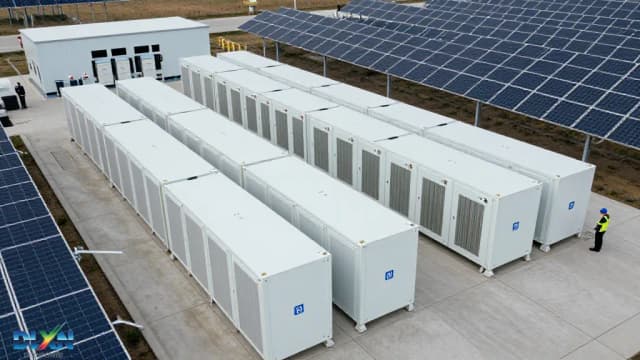
BESS Efficiency Breakthrough Reshapes Grid-Scale Energy Storage
A convergence of advanced lithium-iron-phosphate cell chemistry, silicon-carbide power electronics, and liquid-cooled thermal regulation has pushed commercial battery energy storage system round-trip efficiency past the 95 percent threshold for the first time. According to BloombergNEF and NREL analysis, this breakthrough cuts storage levelized cost by a further 18–22 percent, accelerates the business case for 4-hour and 8-hour duration assets, and strengthens the role of BESS as a dispatchable backbone for high-renewable grids. This article examines the enabling technologies, market implications, grid-validation results, and the roadmap toward even higher performance.
Read more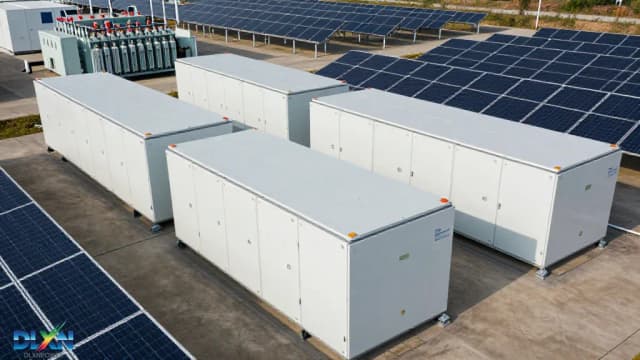
BESS vs Traditional Storage: Solar Economics Shift
Utility-scale battery energy storage systems (BESS) are displacing traditional storage and grid-dispatch technologies across global solar markets. Lithium-ion BESS delivers sub-second response times, 85–95% round-trip efficiency and plunging capital costs, while pumped hydro, lead-acid banks and diesel peakers struggle with slow ramp rates, high maintenance and environmental constraints. Drawing on IEA, BloombergNEF and NREL data, this analysis compares technical performance, lifecycle economics and real-world deployments — from Hornsdale to Moss Landing — and explains why pairing PV with modular BESS is now the default choice for commercial and utility buyers seeking grid stability and energy arbitrage.
Read more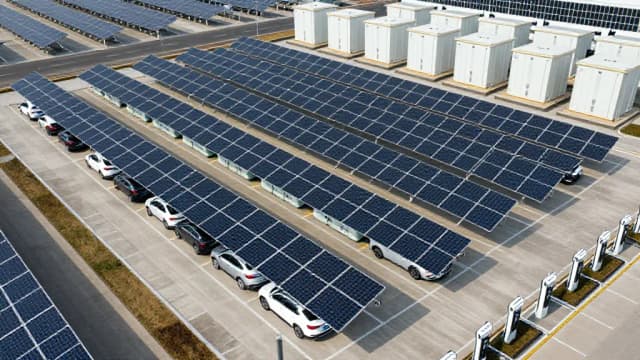
Solar Carports with EV Chargers and Storage: The Next Growth Frontier in Commercial Solar
The solar carport market, integrated with EV charging and battery storage, is experiencing explosive growth, driven by falling battery costs, the global EV adoption surge, and corporate net-zero mandates. Industry analysts project the global solar carport market to reach $6.8 billion b
Read moreFrequently asked questions
What size C&I battery system does a factory need?
Size on two numbers: the peak-shaving target (highest 15-minute demand minus the demand you want to buy) and the daily energy you can shift. A 300 kW demand reduction for two hours needs roughly 600 kWh of usable capacity, which usually lands on a 100–120 kWh cabinet paralleled to 500 kWh or a 20-foot container.
Is a C&I ESS worth it without solar?
It can be. In markets with high demand charges or time-of-use tariffs, arbitrage plus demand-charge reduction alone often reaches a 5–7 year payback. Adding PV improves the return because the stored energy is cheaper than grid energy, but the storage business case must stand on its own first.