News & Updates
Latest from DLXN Energy
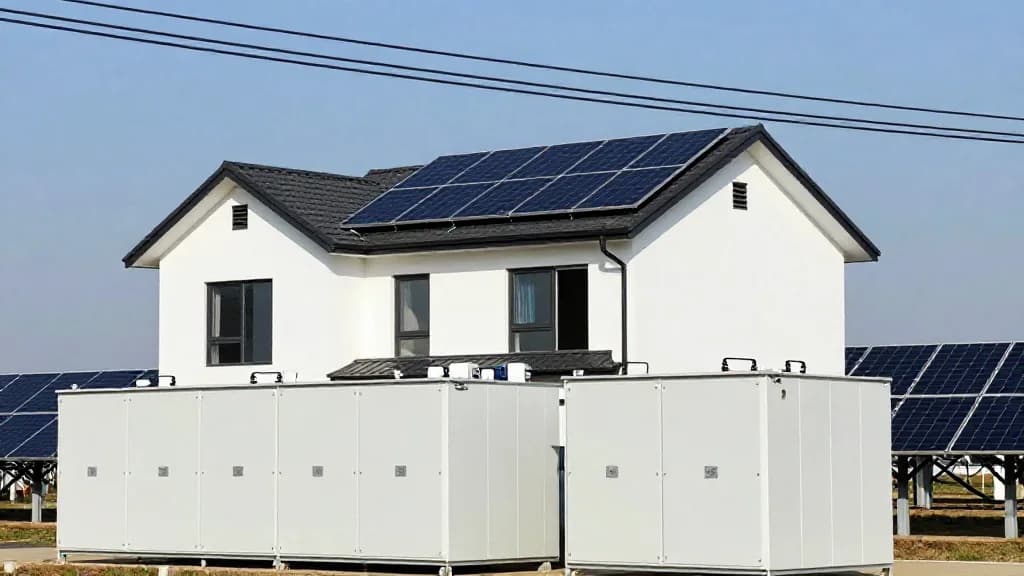
Grid-Tied Solar Systems vs. Traditional Power: The Economic and Engineering Case for Connection
Grid-tied solar systems are now the dominant deployment model globally, with 80% of new solar capacity connected to existing grids. This article examines the technical and economic differences between grid-tied photovoltaics and traditional off-grid or diesel-reliant systems, drawing on data from the International Energy Agency (IEA), the National Renewable Energy Laboratory (NREL), and BloombergNEF. We analyze levelized cost of electricity (LCOE), system efficiency, and grid stability considerations, while addressing common misconceptions about net metering and energy independence.
Read more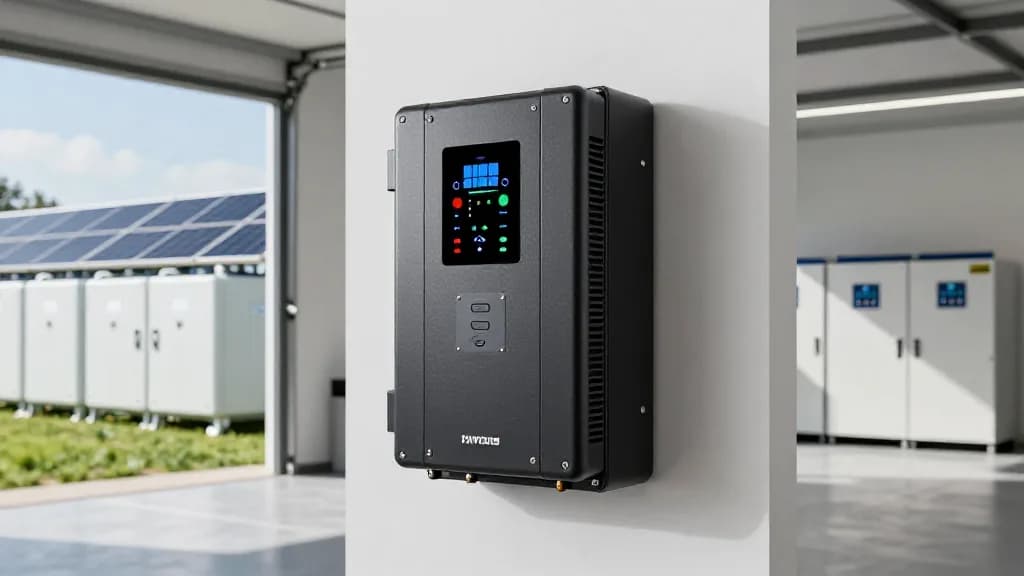
Solar Inverters for Home Storage vs. Traditional String Inverters: A Technical Cost-Benefit Analysis
The rapid expansion of residential solar-plus-storage is forcing a fundamental reassessment of inverter architecture. Traditional string inverters, optimized for simple grid-tied export, are being challenged by hybrid and battery-ready inverters that manage on-site consumption, time-of-use arbitrage, and backup power. Using data from the U.S. Energy Information Administration, Lawrence Berkeley National Laboratory, and the Solar Energy Industries Association, this article quantifies the technical and economic trade-offs between these approaches—including efficiency losses, replacement timelines, and the levelized cost of storage—to help homeowners and installers make informed decisions.
Read more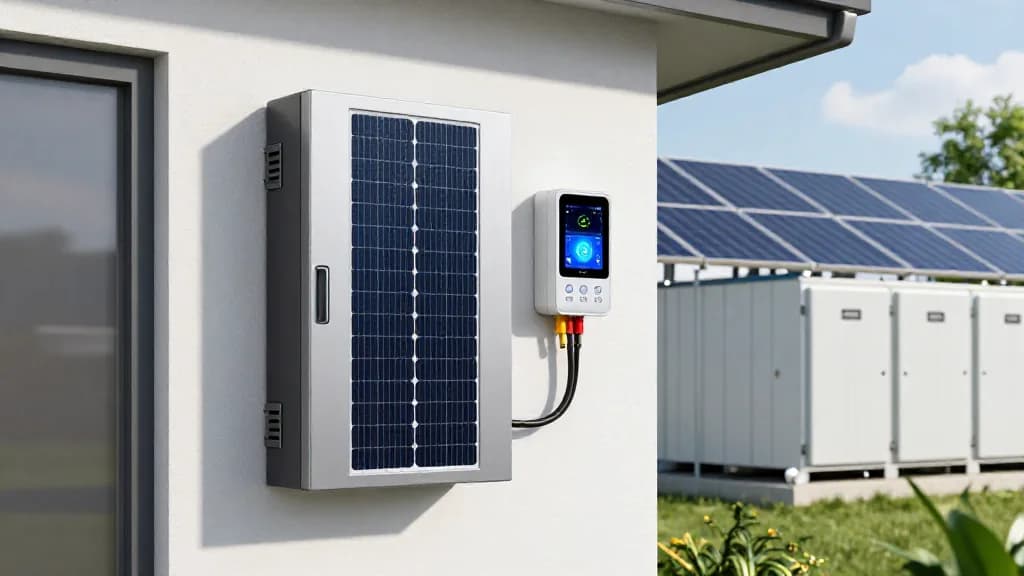
Global Solar Inverter and Home Storage Market: Trends Reshaping Residential Energy
The residential solar inverter and battery storage market is undergoing a structural transformation, driven by falling lithium-ion prices, new grid interconnec
Read more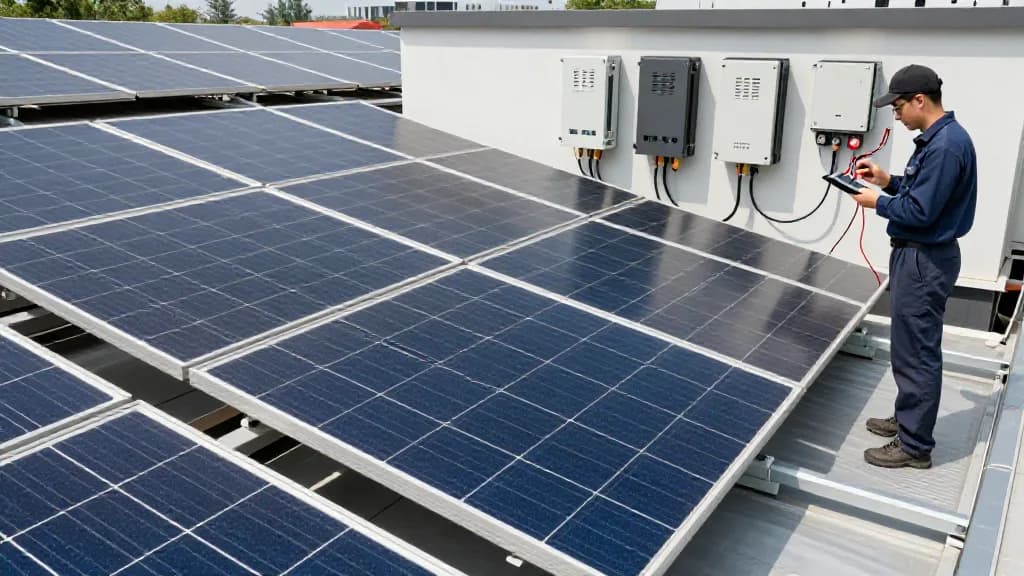
Polycrystalline Solar Panels Installation Guide: Engineering Best Practices
This guide provides a technical overview of polycrystalline solar panel installation, covering site assessment, mounting systems, electrical design, and performance optimization. Drawing on data from NREL, IRENA, and SEIA, it addresses the specific characteristics of polycrystalline modules—including temperature coefficients, degradation rates, and efficiency ranges—and outlines step-by-step installation procedures for residential and commercial applications. The article also discusses cost considerations, permitting requirements, and maintenance protocols, offering practical guidance for installers and system owners.
Read more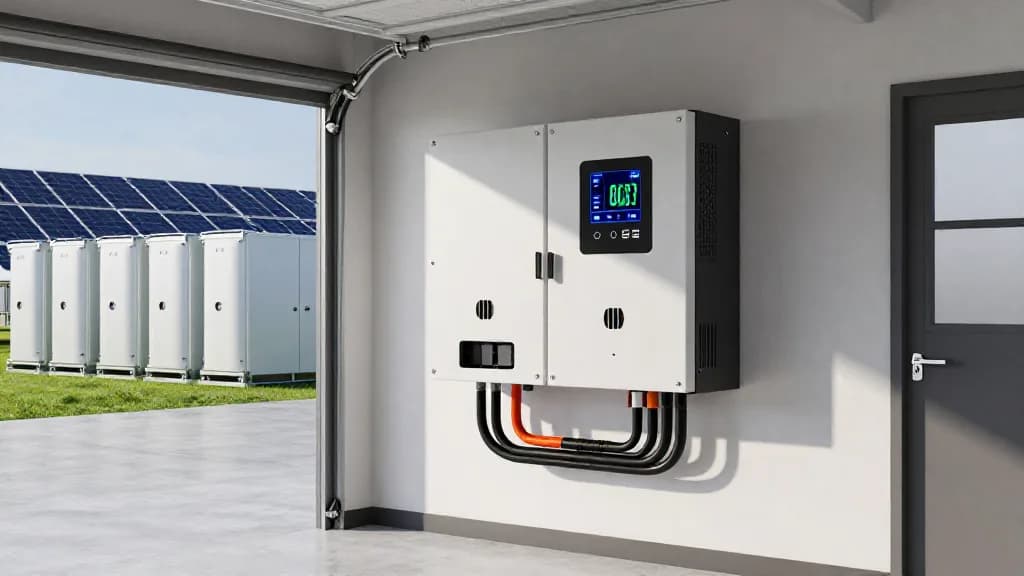
Hybrid Inverters Reshape Home Storage Economics
The 2025 home storage market is defined by a decisive shift from AC-coupled battery retrofits to hybrid inverter architectures that manage solar generation and battery storage in a single unit. This transition, driven by falling battery prices and new grid interconnection rules, improves round-trip efficiency by 3–5% and reduces balance-of-system costs by up to 30%. Key technical advancements include silicon carbide (SiC) MOSFETs, grid-forming capabilities, and AI-driven energy management that aligns with the US Department of Energy's push for resilient home energy systems.
Read more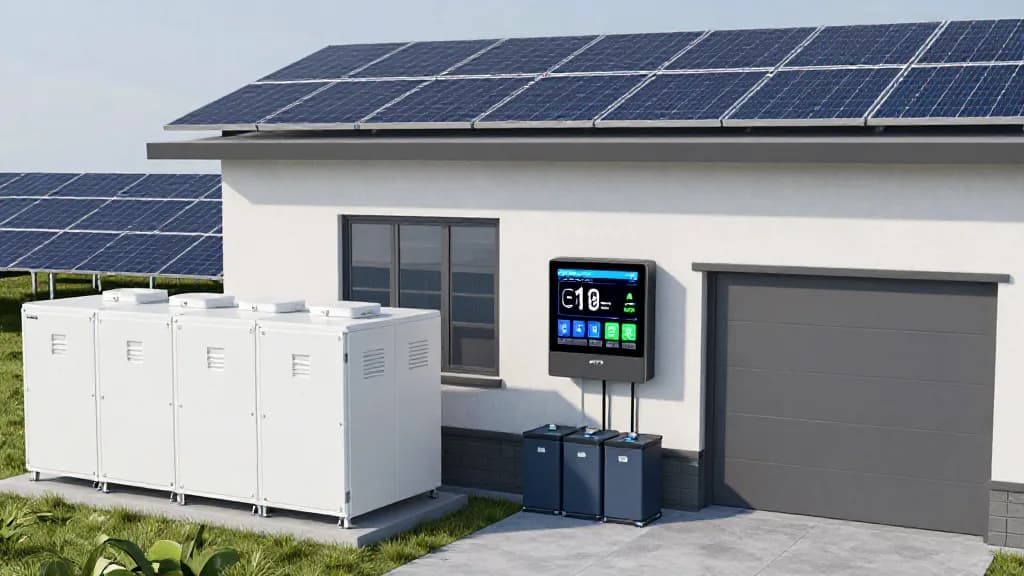
Solar-Plus-Storage Packages Reshape the Distributed Energy Market
Solar-plus-storage package deals are becoming the default purchase model for residential and commercial customers, driven by falling battery costs, net-metering policy changes, and rising electricity rates. BloombergNEF data shows global energy storage installations reached 45 GW in 2023, with packaged solar-storage offerings growing at nearly double the rate of solar-only installations. This article examines the market data, technology drivers, and policy pressures pushing installers toward integrated packages, and what this means for project economics and system design.
Read more
BIPV Efficiency Breakthrough: How Building-Integrated Solar Is Closing the Gap on Conventional Panels
Building-integrated photovoltaics (BIPV) has long been the aesthetic compromise in solar—beautiful but inefficient. That narrative is shifting. Recent module-level innovations have pushed BIPV efficiency from a 12–14% range to over 20%, narrowing the gap with conventional rooftop panels to under 3 percentage points. This article examines the technical drivers behind this breakthrough—from perovskite-silicon tandem cells to advanced encapsulation—and what it means for architects, developers, and the broader energy transition.
Read more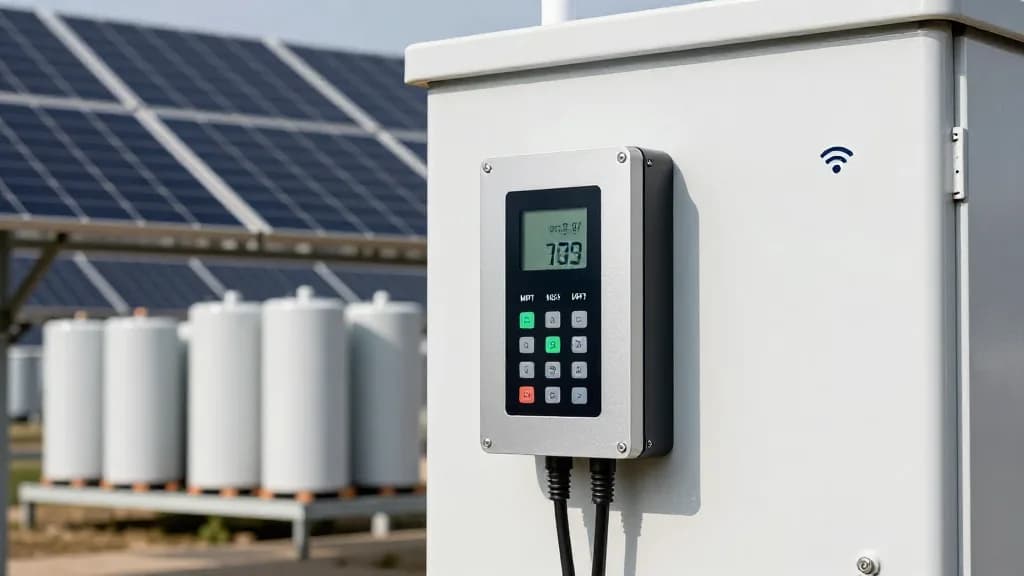
Solar Charge Controller Market Shifts Toward Smart, High-Voltage Architectures
The global solar charge controller market is undergoing a structural transformation driven by falling lithium-ion battery prices, the proliferation of high-voltage PV modules, and the rapid expansion of off-grid and C&I storage applications. According to BloombergNEF, lithium-ion battery pack prices fell to $115/kWh in 2024, making DC-coupled storage architectures increasingly cost-competitive. This article examines the technical and market forces reshaping charge controller design—from MPPT algorithm sophistication to bidirectional converter integration—and what they mean for system integrators and EPC firms.
Read more
Efficiency Records Fall as Solar Panel Kits Cross 25% Module Threshold
Recent cell efficiency records above 27% and module-level breakthroughs past 25% are redefining what solar panel kits can deliver for residential and commercial installers. NREL data confirms the average installed module efficiency rose from 19% to 21.5% between 2020 and 2024, driven by TOPCon and HJT cell architectures. This article examines the technical milestones, the cost curve implications, and what the efficiency race means for system designers, including the rise of high-power kits that reduce balance-of-system costs.
Read more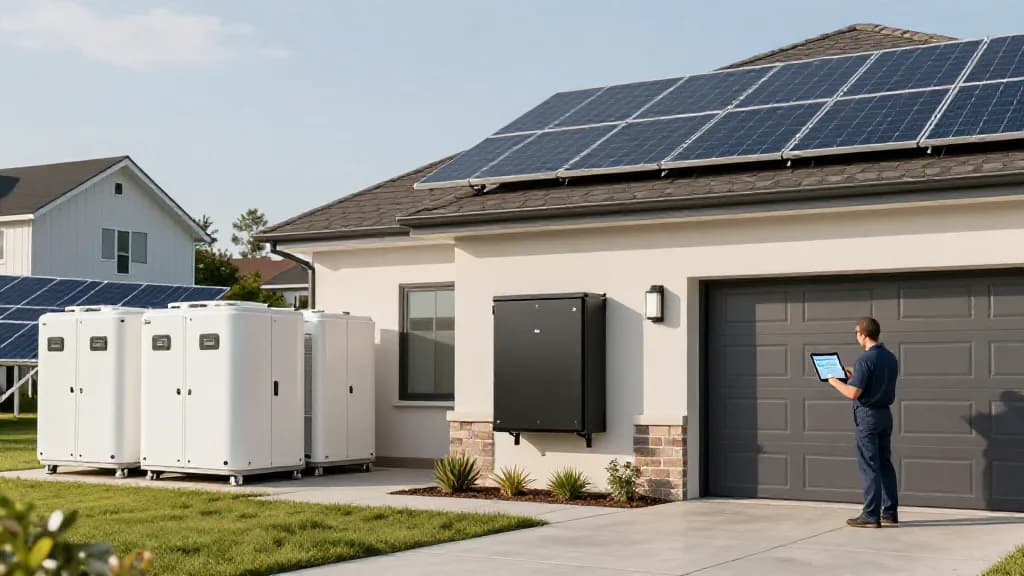
Home Battery Storage vs. Traditional Grid: The Economics Have Flipped
Residential battery storage has crossed a critical economic threshold. With average installed costs for lithium-ion home battery systems falling to approximately $1,000 per kilowatt-hour in 2024, and net metering policies eroding across key US states, the financial calculus for homeowners has shifted decisively. This article examines the hard numbers behind home battery adoption, compares the true cost of grid dependence against storage ownership, and projects where this market is heading through 2030.
Read more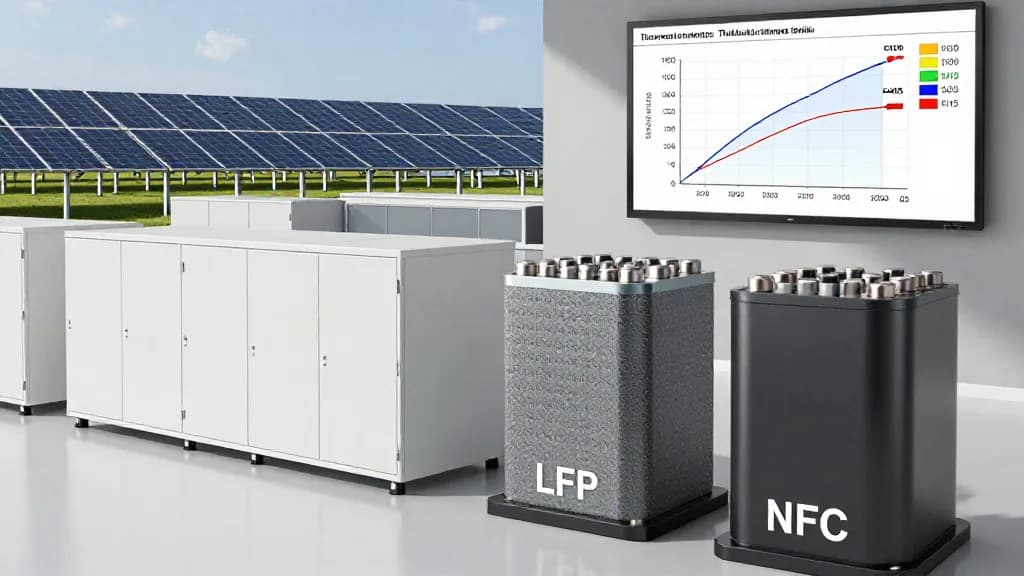
LFP vs. Traditional Lithium-Ion: Why the Battery Chemistry Shift Is Reshaping Solar Economics
The solar energy storage industry is undergoing a fundamental chemistry transition. Lithium iron phosphate (LFP) batteries are displacing traditional nickel-manganese-cobalt (NMC) and nickel-cobalt-aluminum (NCA) chemistries across residential, commercial, and utility-scale applications. This shift is driven by cost reductions, safety advantages, and cycle-life improvements that directly impact the levelized cost of storage (LCOS). Data from BloombergNEF and the International Energy Agency confirm LFP's market share gains, while manufacturers like DLXN are aligning product lines with this chemistry to offer longer-duration storage at lower total ownership costs.
Read more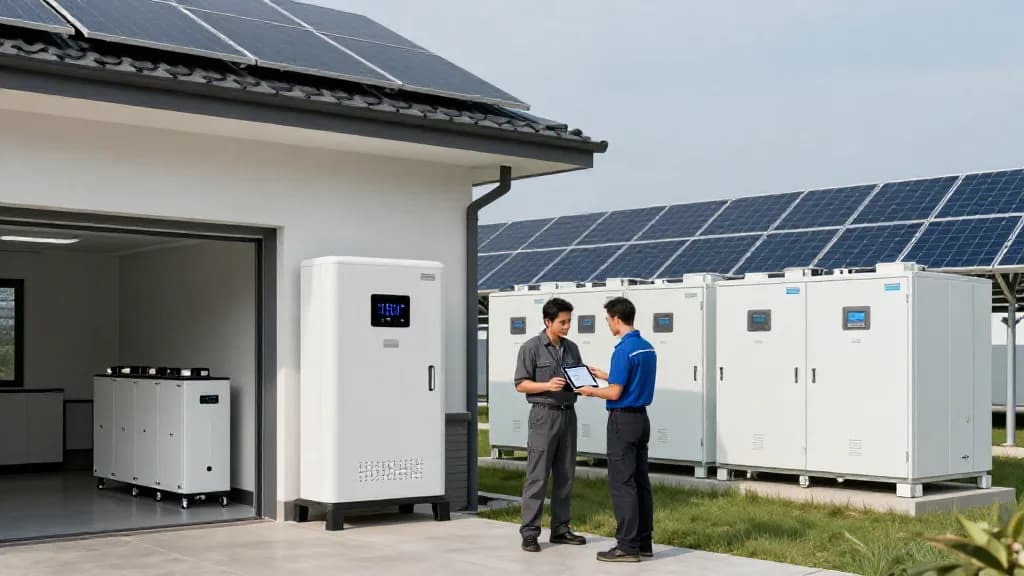
Solar Battery Storage Cost in 2026: A Home Installation Guide
What solar battery storage really costs in 2026: installed price per kWh from 5 kWh to 20 kWh, a 2026 price table, incentive maths and payback scenarios.
Read more
LiFePO4 Deep Cycle Batteries: Material Science Gains and System-Level Economics
2025 marks a pivotal year for deep cycle LiFePO4 batteries as manufacturing costs drop below $70/kWh and cycle life claims reach 10,000 cycles. This article examines the material science advances—including lithium iron phosphate cathode densification, dry electrode coating, and cell-to-pack integration—that are reshaping stationary storage economics. We analyze data from BloombergNEF, NREL, and IEA on cost trajectories, safety metrics, and system lifetimes, and provide practical guidance for residential and commercial buyers navigating this fast-moving market.
Read more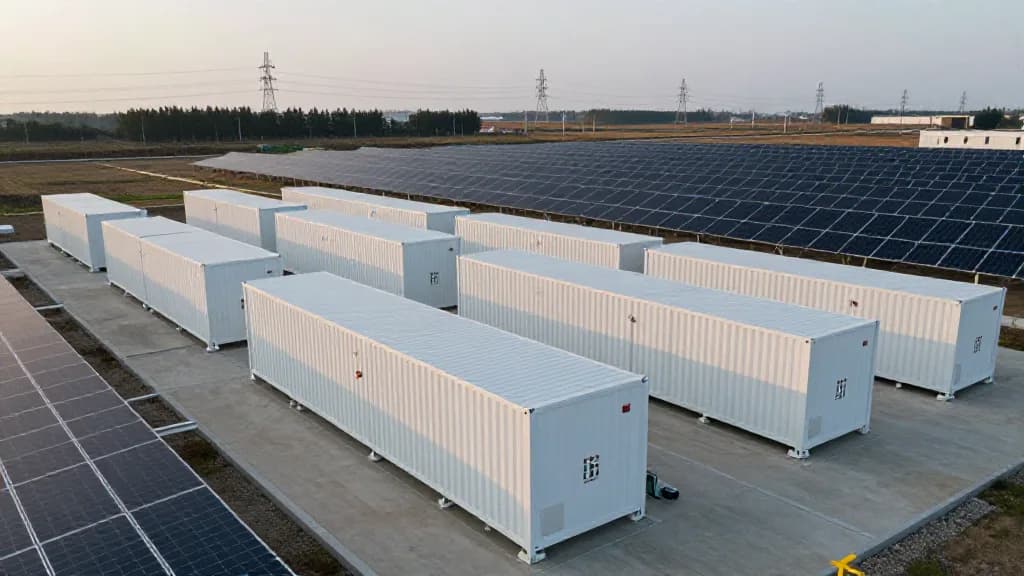
Energy Storage Market Shifts from Ancillary to Core: Trends Reshape the Grid
The global energy storage system market is transitioning from a niche grid service to a foundational infrastructure component, driven by falling battery costs, aggressive renewable deployment targets, and evolving market mechanisms. This analysis examines the key market trends—including the rise of multi-hour duration systems, the expansion of C&I storage, and the growing role of residential storage in grid resilience—drawing on data from the International Energy Agency (IEA), BloombergNEF (BNEF), and the U.S. Energy Information Administration (EIA). The article explores how these shifts create new opportunities and challenges for manufacturers, project developers, and utilities, with a particular focus on technology selection, system integration, and the critical role of intelligent energy management.
Read more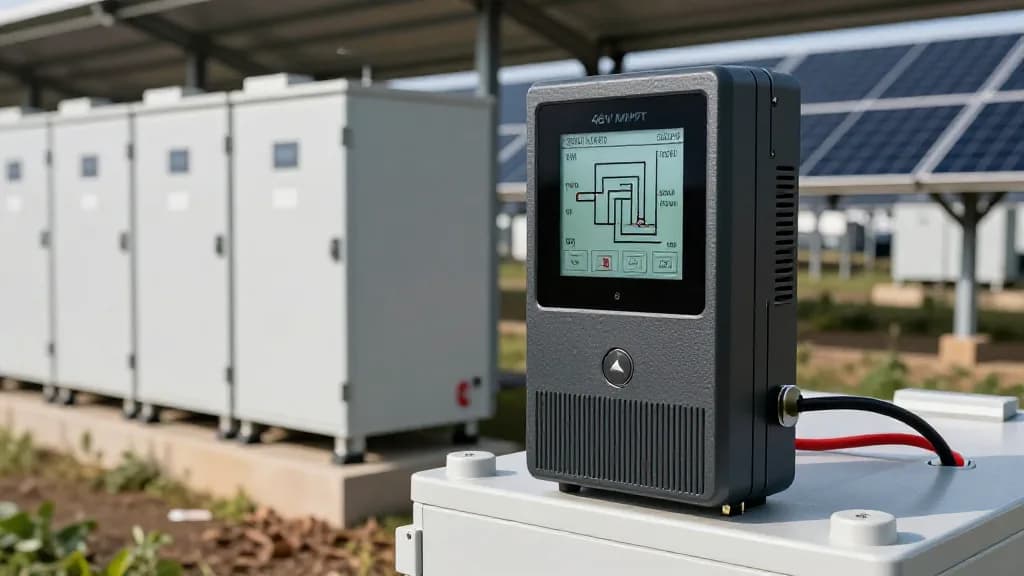
48V MPPT Solar Charge Controllers vs. Traditional PWM: Why the Shift Is Accelerating
The transition from PWM to MPPT charge controllers in 48V solar systems is accelerating as module prices fall and system voltages rise. This article examines the technical differences, efficiency gains, and economic realities driving the switch, backed by data from NREL, IRENA, and SEIA.
Read more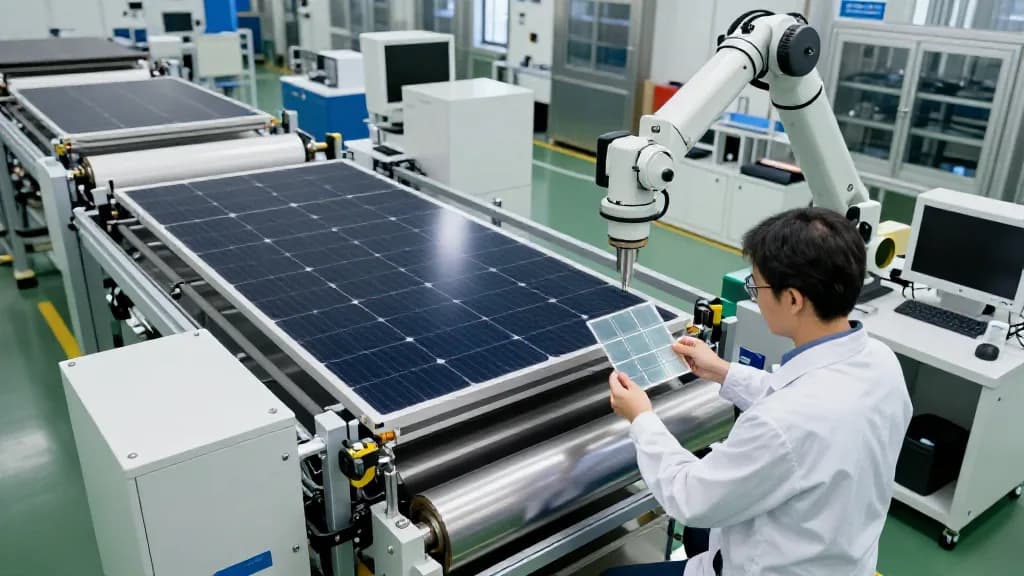
Perovskite Solar Cells: Commercial Viability and Market Trajectory Through 2030
Perovskite solar cells have moved from laboratory curiosity to commercial pilot production, with the global market projected to reach $5.2 billion by 2030 according to the International Energy Agency (IEA). This article examines the technology's efficiency milestones, manufacturing challenges, tandem cell developments, and the competitive landscape reshaping photovoltaic economics. While stability issues persist, recent certification records and scaled production lines from major manufacturers signal a technology transition that could fundamentally alter solar module pricing and performance parameters over the next five years.
Read more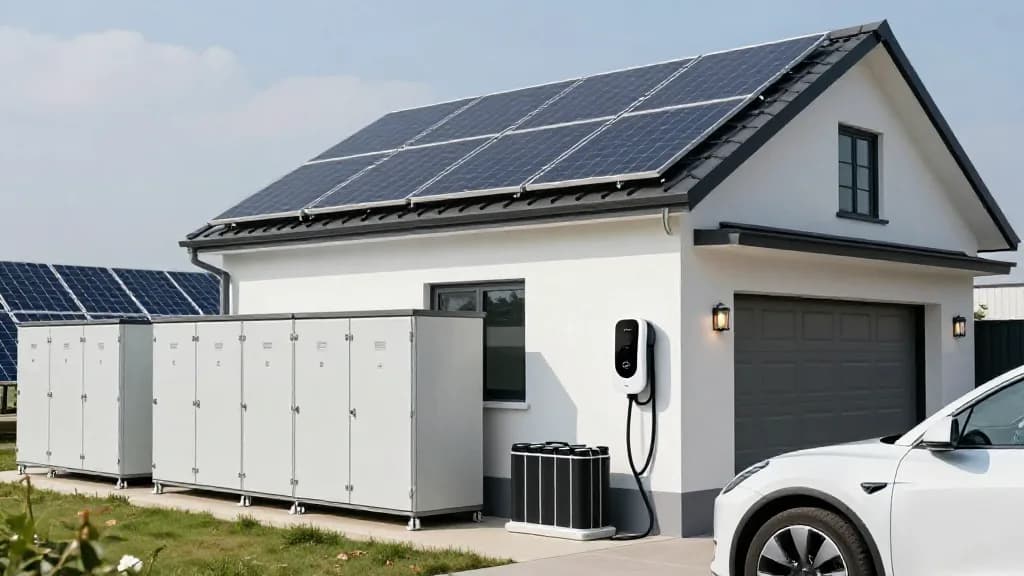
Solar EV Charger Installation Guide: Technical Specifications, Costs, and Grid Integration
As electric vehicle adoption accelerates globally, pairing solar PV with EV charging has become the most cost-effective decarbonization strategy for homeowners and fleet operators. This guide covers the technical requirements, component selection, permitting pathways, and financial metrics for solar EV charger installations, drawing on 2024–2025 data from IRENA, NREL, and SEIA. Key findings: residential solar-plus-charging systems now achieve payback in 6–8 years in sun-rich states, bidirectional charging is moving from pilot to product, and the 2025 NEC update introduces new requirements for vehicle-to-grid connections.
Read more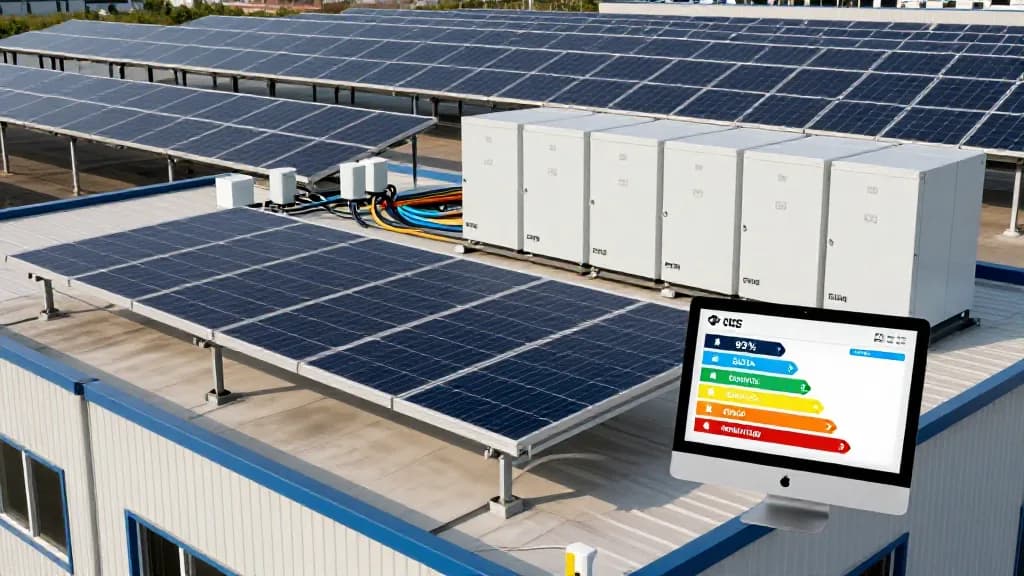
Microgrid Efficiency Breakthrough: How DC-Coupled Architecture Is Redefining Distributed Energy Economics
A new wave of DC-coupled microgrid architectures is delivering measurable efficiency gains of 6–12% over traditional AC-coupled systems, according to 2024 field data from the National Renewable Energy Laboratory. This article examines the technical drivers behind these gains, the economic implications for commercial and industrial operators, and how advanced solar-plus-storage configurations are reshaping the business case for distributed generation.
Read more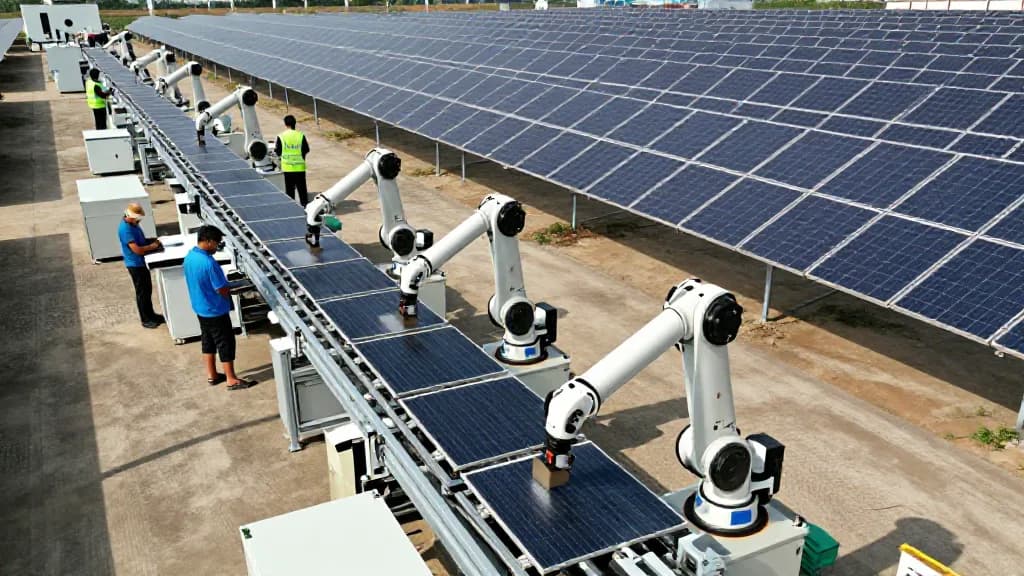
Polycrystalline Solar Panels: The Market Shift That Refuses to Follow the Script
While monocrystalline PERC technology dominates headlines, polycrystalline solar panels maintain a significant share of the global PV market, particularly in cost-sensitive regions. This article examines the data behind the persistent demand for polycrystalline modules, the manufacturing economics that keep them viable, and the technology upgrades extending their lifecycle. Market projections from BloombergNEF and the IEA suggest polycrystalline panels will retain a 15–20% market share through 2030, driven by utility-scale projects in emerging economies and repurposing in distributed applications.
Read more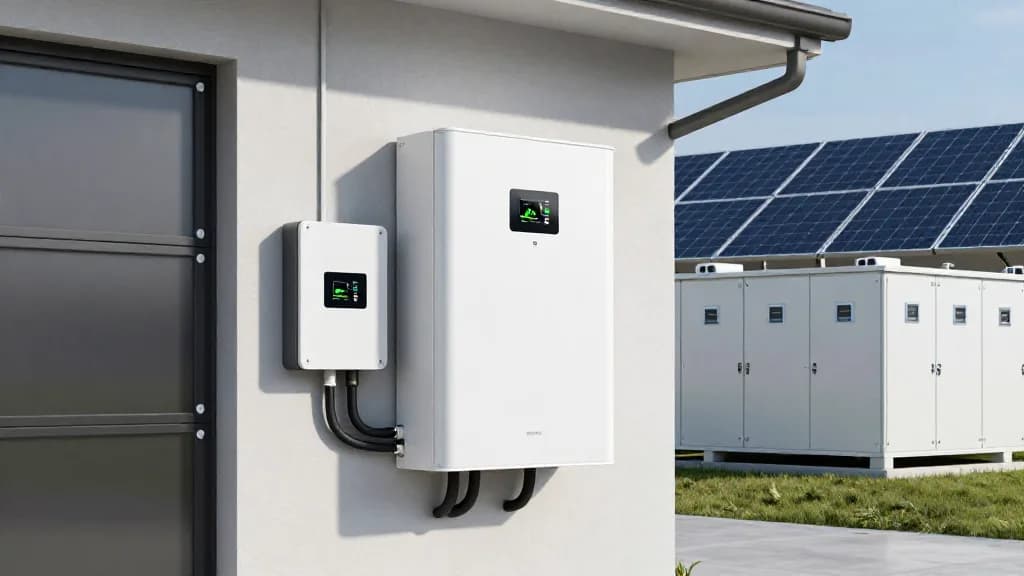
Wall-Mount Home Energy Storage: The Form Factor Shift Reshaping Residential Solar
The residential energy storage market is undergoing a significant form factor transition in 2025, with wall-mount systems emerging as the dominant choice for homeowners. This article examines the latest technological developments, market data, and efficiency gains driving this shift, including higher energy density cells, improved thermal management, and smarter power electronics. We analyze data from BloombergNEF, the International Energy Agency (IEA), and the Solar Energy Industries Association (SEIA) to provide a comprehensive overview of where the technology stands and where it is heading.
Read morePage 7 of 7