
140-Site Meteorological Baseline Station Pilot — Hybrid PV/Wind Retrofit
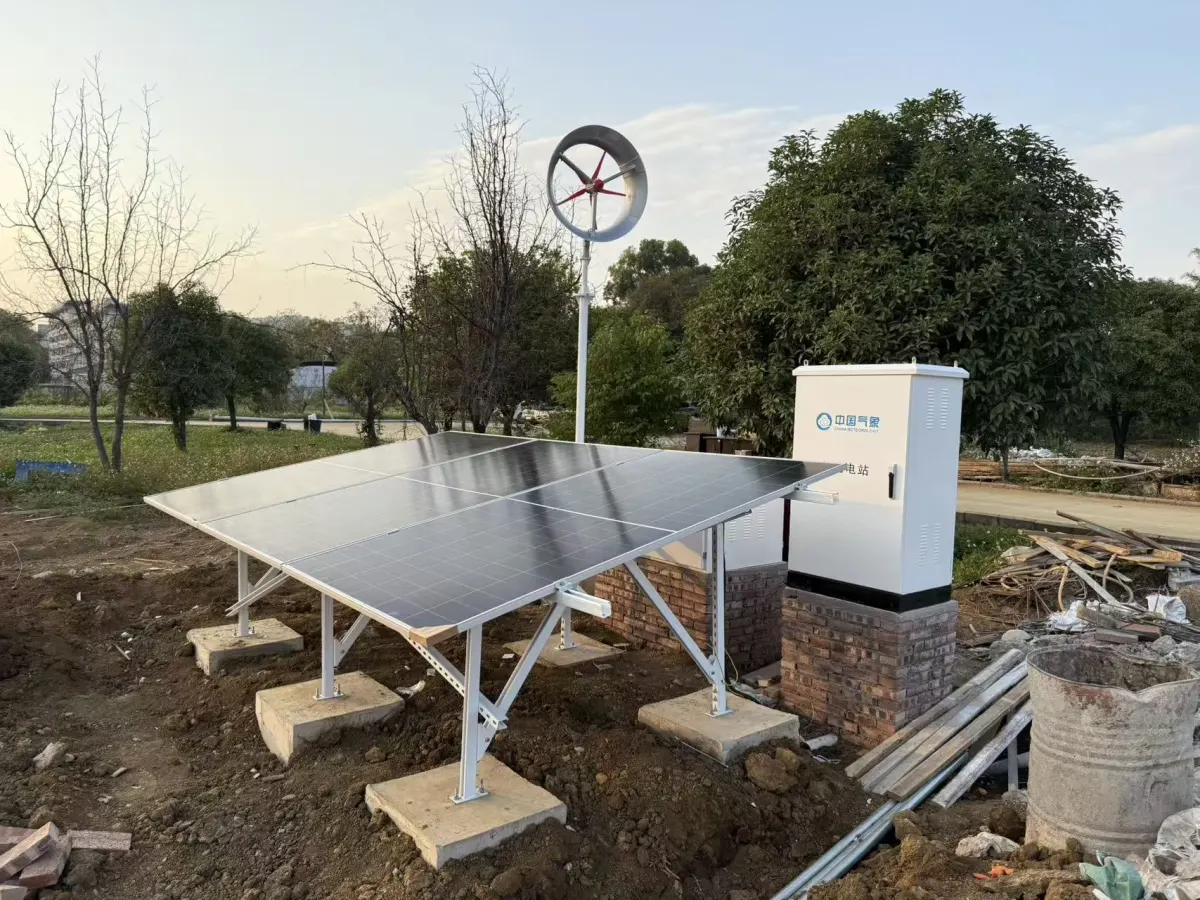
Nationwide pilot for China Meteorological Administration baseline stations: 2.13 kWp PV, 300 W wind turbine, 12 kWh gel battery bank and a 3 kW hybrid inverter with automatic source switching. DLXN supplied the full equipment set and handled construction and commissioning on part of the sites.
2026
Year
Off-Grid Hybrid
Category
China (national pilot — 140 stations)
Location
Scope delivered by DLXN — equipment supply and partial installation
A national pilot covering 140 meteorological baseline stations. DLXN supplied the complete equipment set for every station and carried out construction and commissioning on part of the sites; the remaining sites were installed by the programme's local contractors to the same specification.
| Programme | China Meteorological Administration baseline stations — 140-station national pilot |
|---|---|
| DLXN scope | Full equipment supply for all stations; construction and commissioning on part of the sites |
| PV | 710 W × 3 = 2.13 kWp |
| Wind | 300 W vertical-axis turbine |
| Battery | Gel lead-acid 250 Ah × 4 at 48 V — 12 kWh nominal |
| Inverter | 3 kW hybrid inverter, one per station |
| Controls | Automatic source switching (PV / wind / battery / grid) and online monitoring |
Site photos
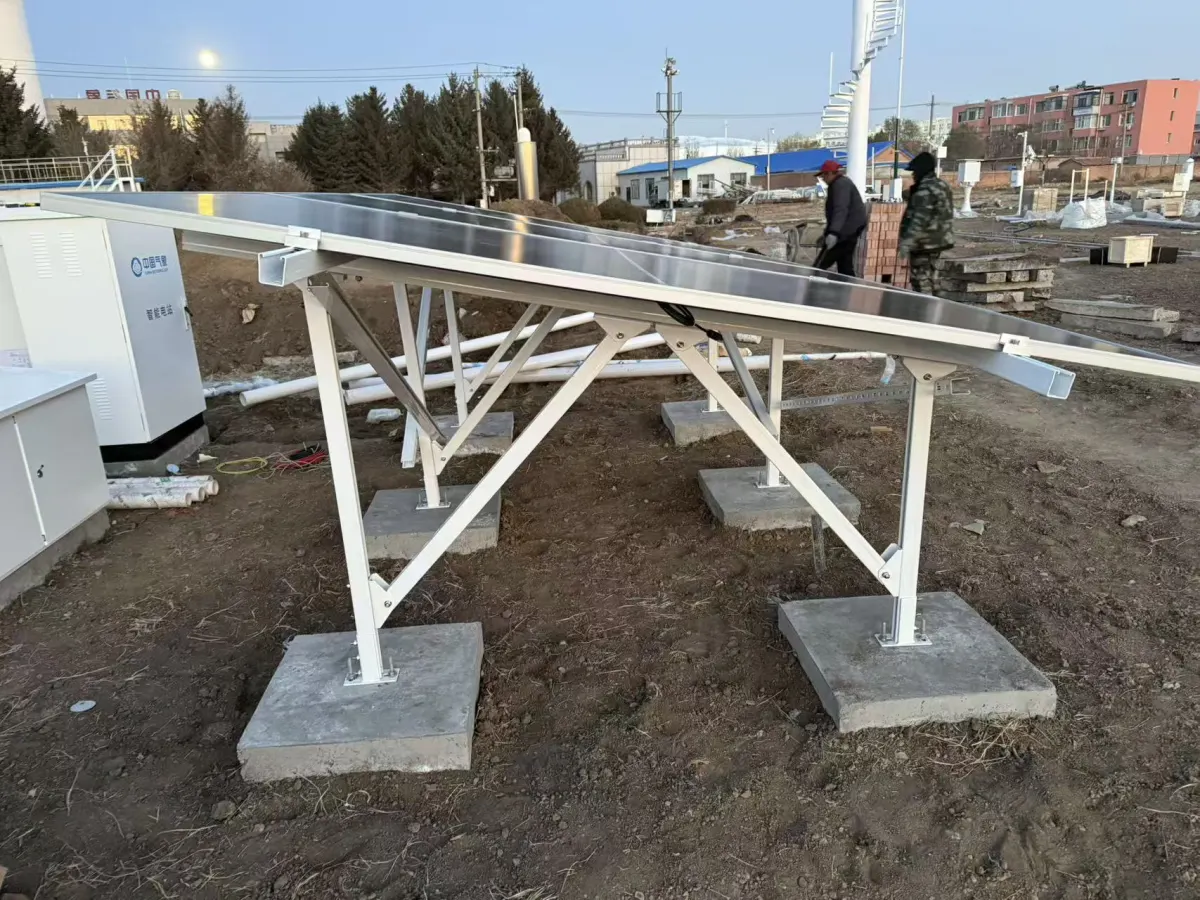
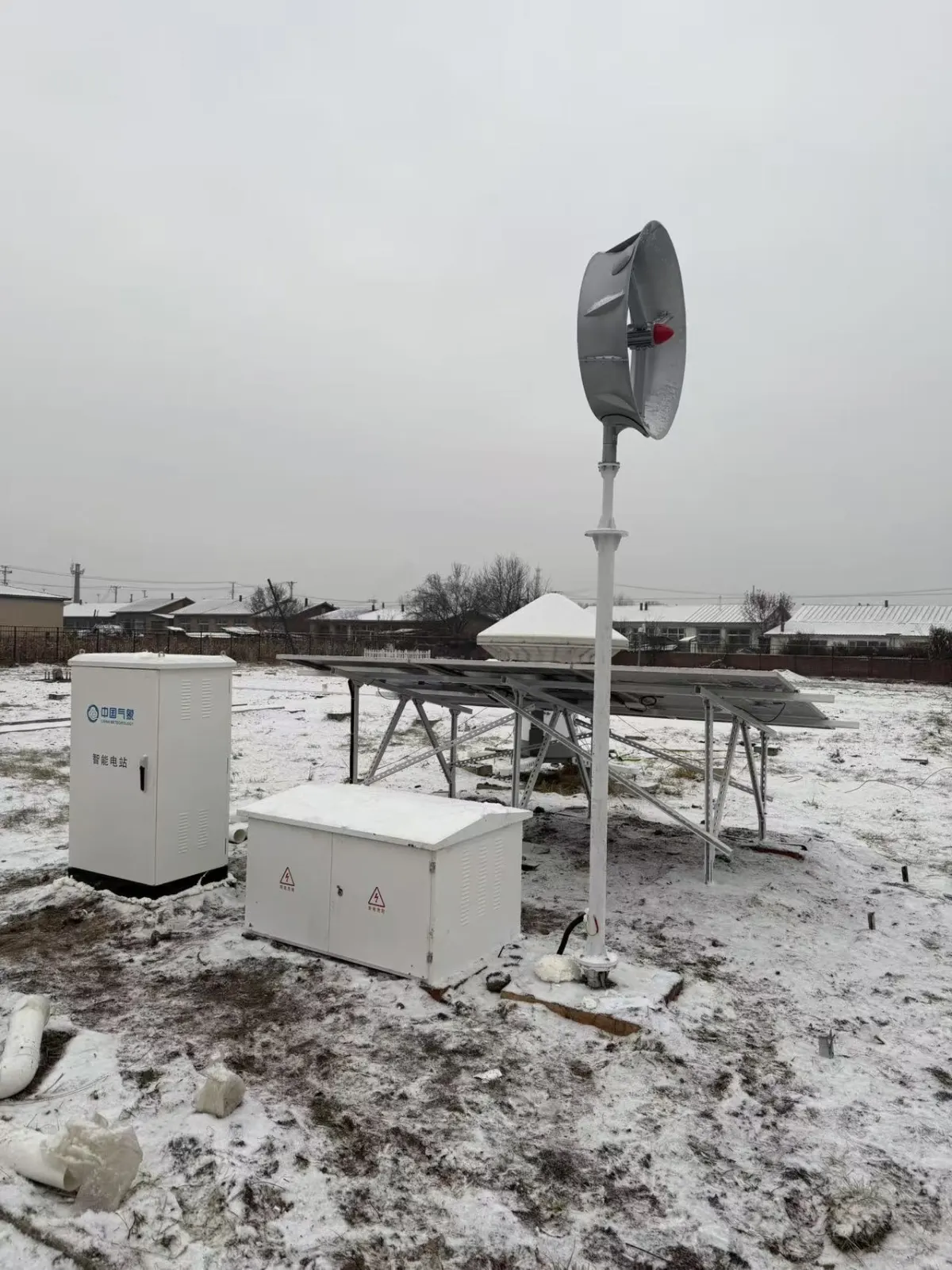
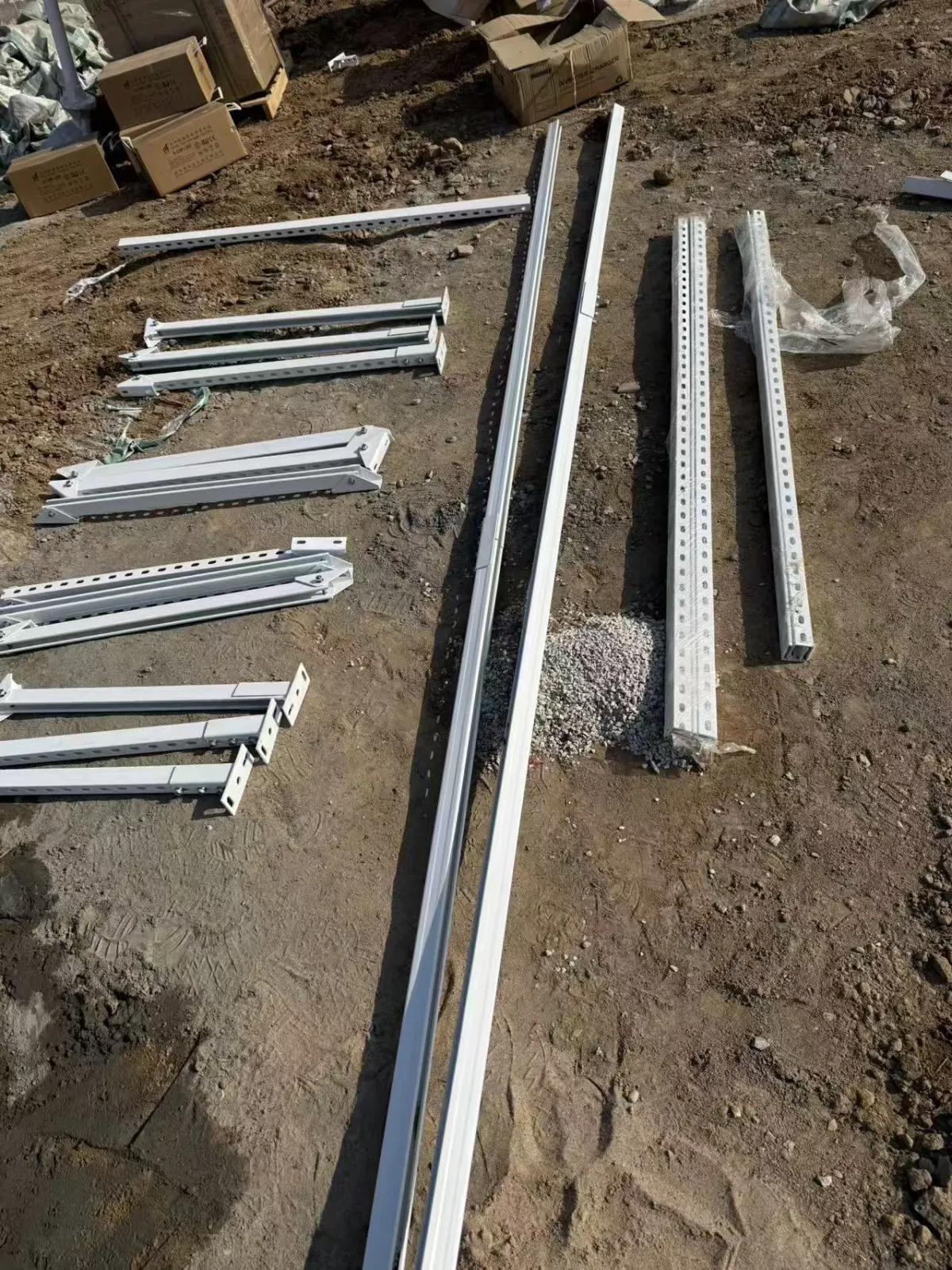
The battery bank is gel lead-acid, rated 12 kWh nominal — usable energy is lower and depends on depth of discharge and temperature, which matters at these high-latitude sites in winter.
Why PV plus wind, and why gel lead-acid
Each station carries a small, continuous telemetry load, so daily energy is modest but availability has to be high. The 2.13 kWp array carries the summer load; the 300 W turbine earns its place in winter, when snow sits on the panels and the sun is low. The 12 kWh gel bank was chosen because these stations sit unattended for long periods and the chemistry tolerates being left at partial state of charge better than a small lithium pack would in the same duty. Nominal 12 kWh is not usable 12 kWh — the stand-time depends on depth of discharge and on how cold the cabinet gets.