
Pipeline Valve Station Power — Yulin, Shaanxi (Satellite Telemetry)
Off-grid hybrid power for a China Oil & Gas Pipeline Network valve station: 6.6 kWp PV, 1 kW wind, 43 kWh LiFePO4, a 5 kW low-frequency hybrid inverter and a 10 kW diesel generator as backup. Designed, supplied, installed and commissioned by DLXN.
2024
Year
Off-Grid Hybrid
Category
Yulin, Shaanxi, China
Location
Scope delivered by DLXN — design, supply, installation and commissioning
A valve station on the China Oil & Gas Pipeline Network (中国管网) in Yulin, Shaanxi, needed a power supply that would keep satellite telemetry and SCADA equipment alive without relying on a grid connection. DLXN designed the system, supplied the equipment, and carried out installation and commissioning on site in July 2024.
| Owner / site | China Oil & Gas Pipeline Network — Yulin pipeline valve station, Shaanxi |
|---|---|
| DLXN scope | System design, equipment supply, installation and commissioning |
| Load | Satellite signal transmission and valve-station control equipment (continuous, unattended) |
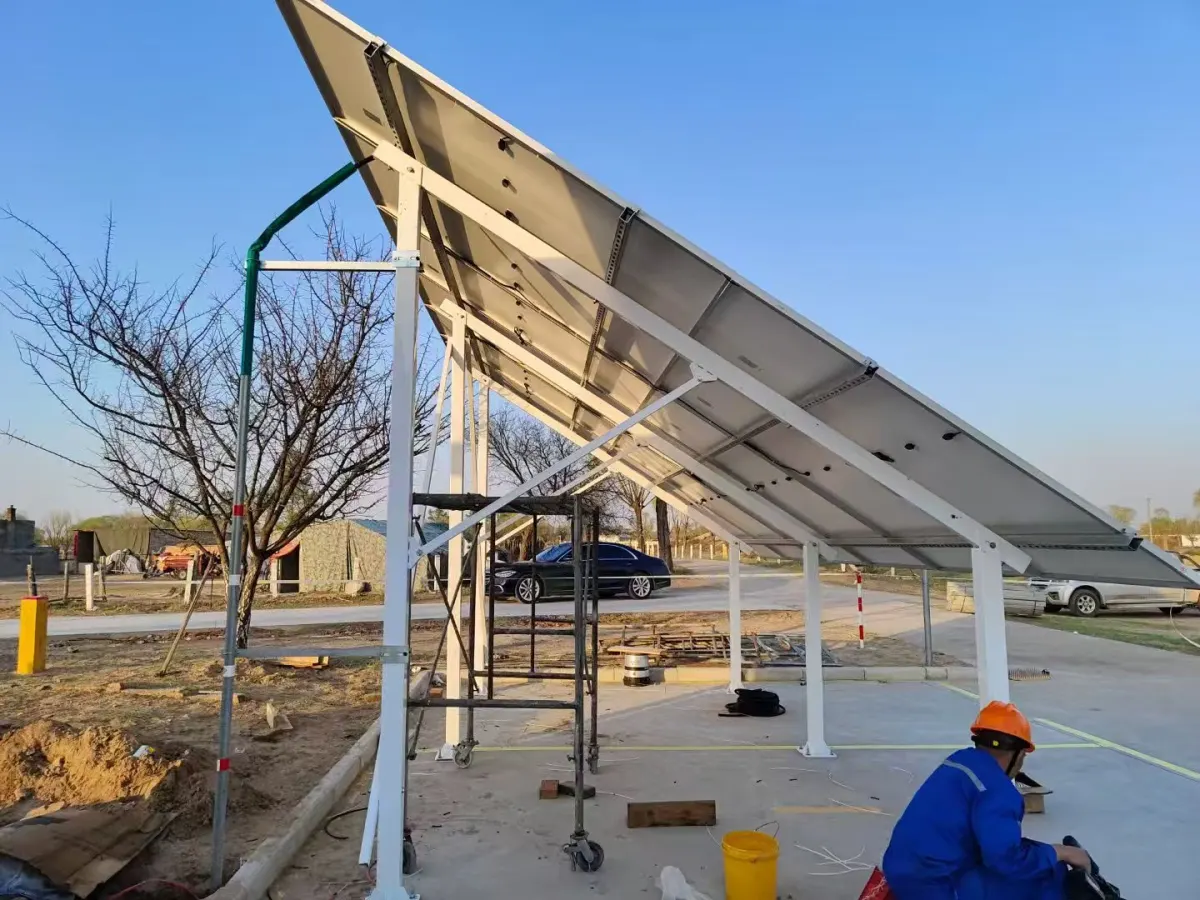
| PV | 550 W × 12 = 6.6 kWp |
| Wind | 1 kW wind turbine |
| Inverter | 5 kW low-frequency hybrid inverter |
| Storage | 43 kWh LiFePO4 battery bank |
| Backup | 10 kW diesel generator, automatically started on low state of charge |
| Completed | July 2024 |
Site photos
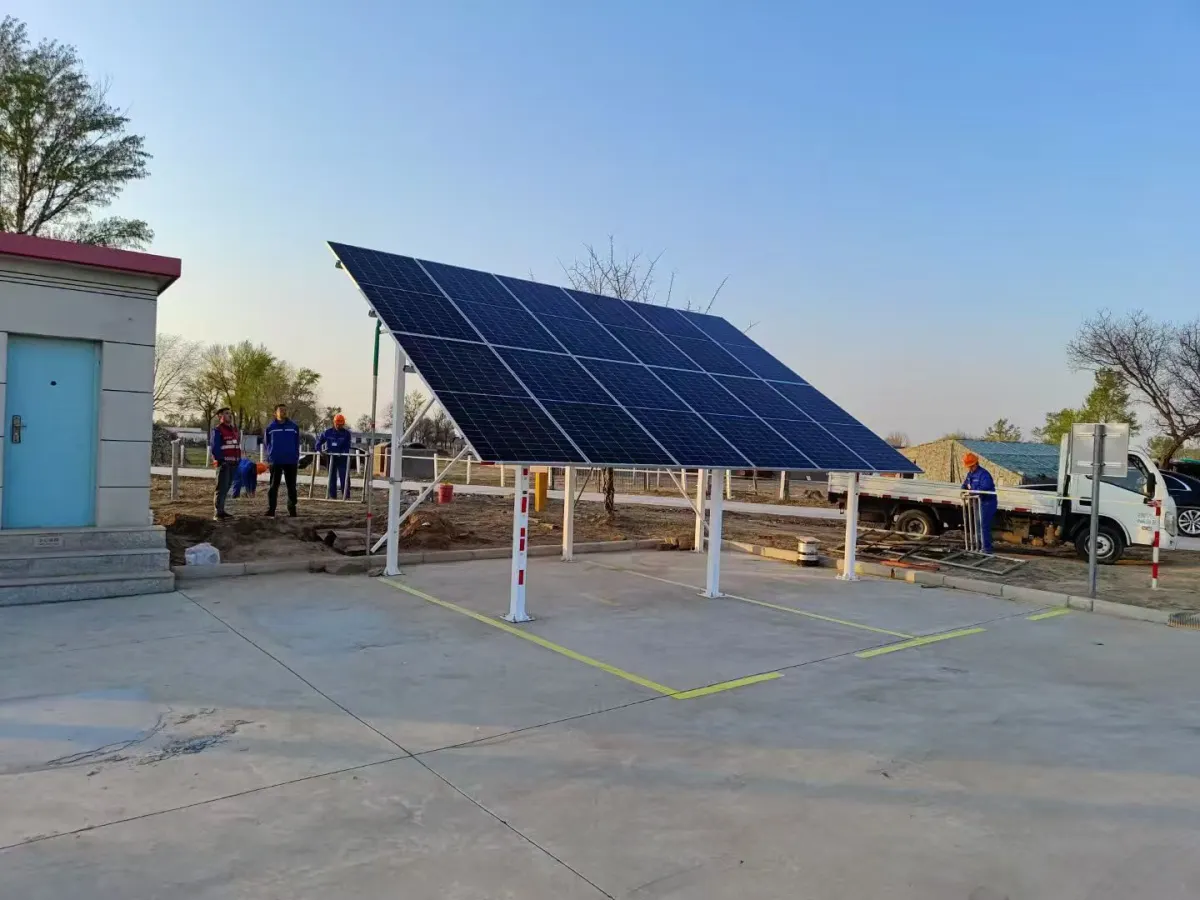
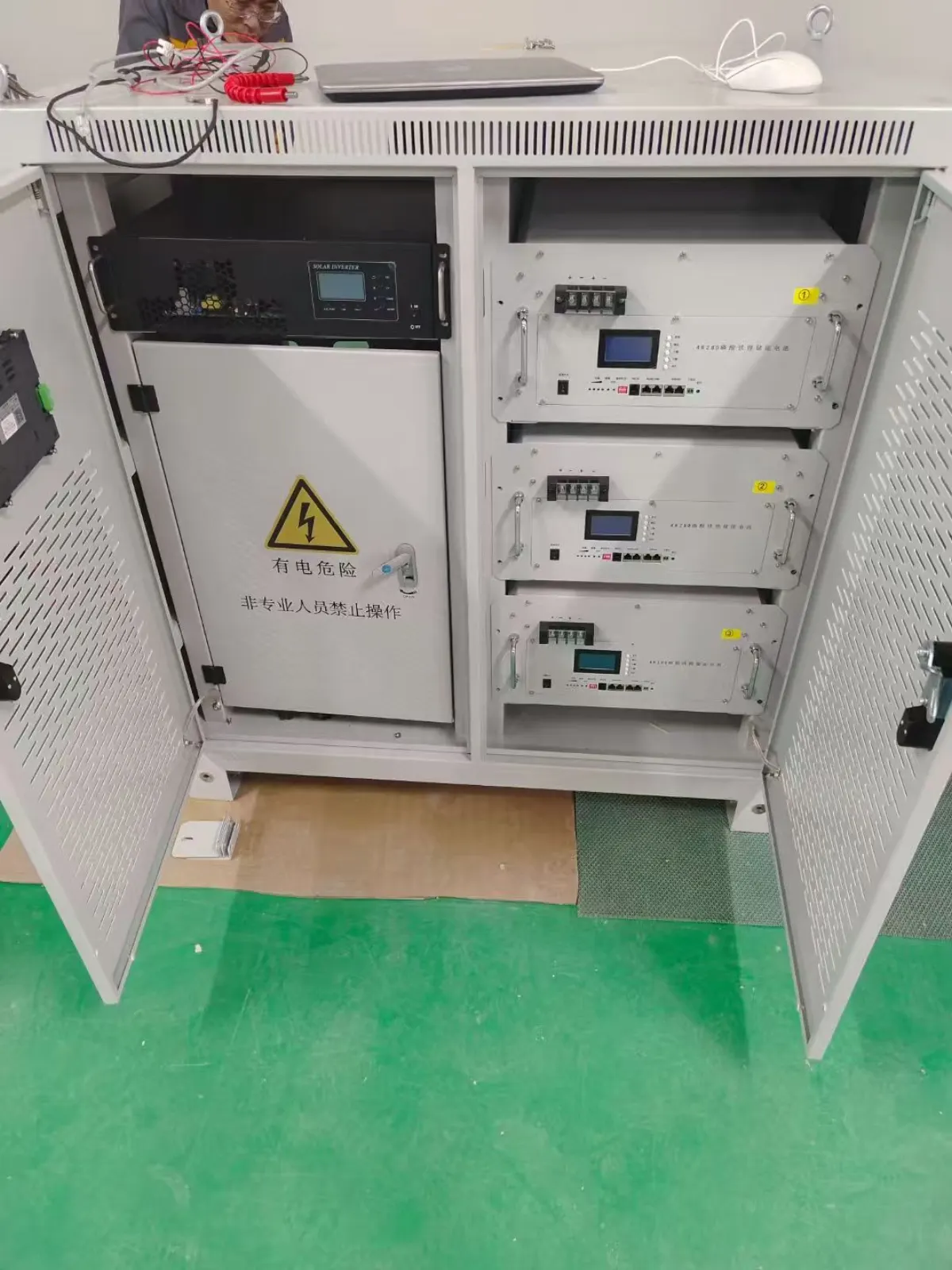
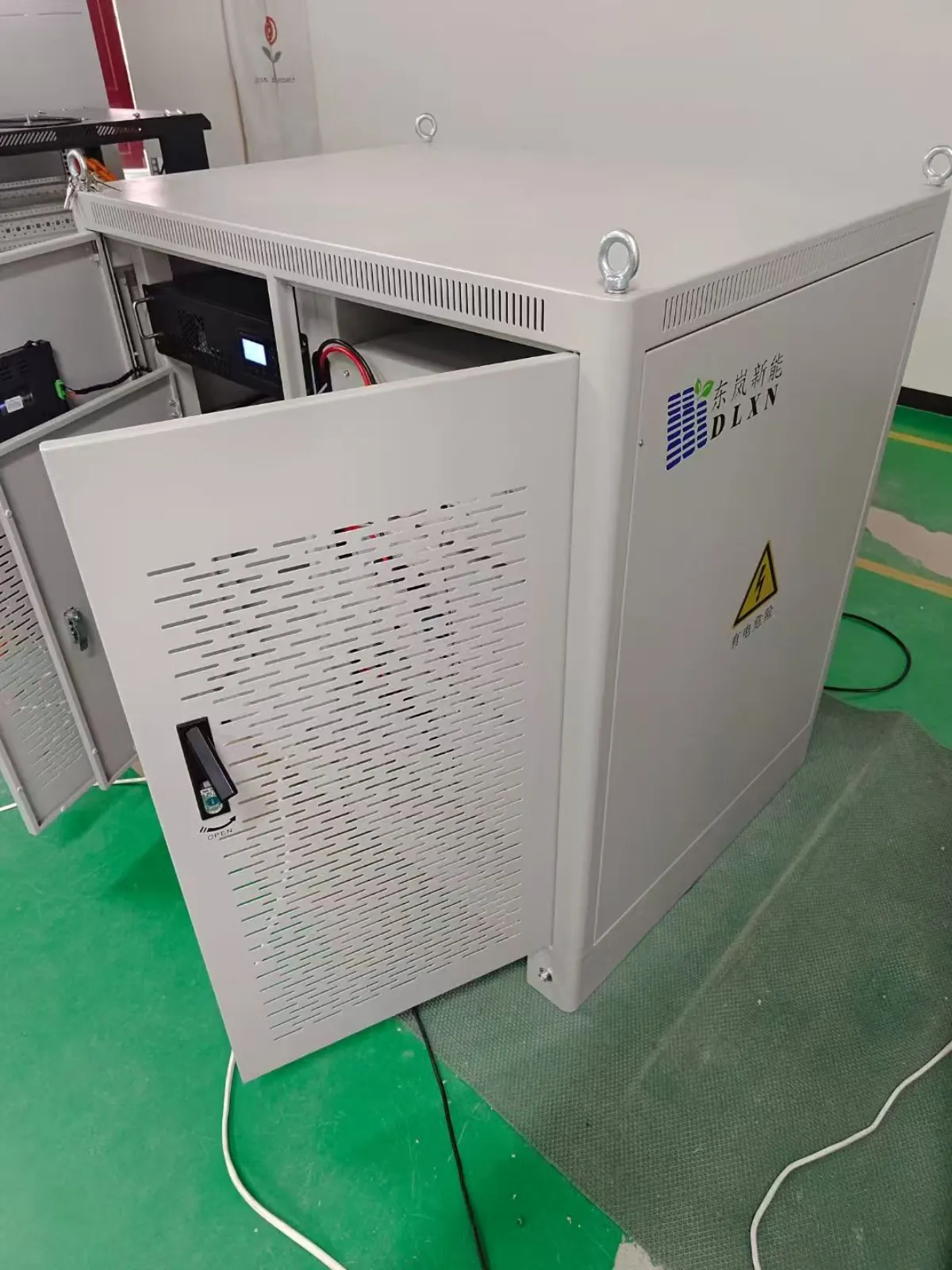
Sizing note: with a 43 kWh bank and a telemetry load in the low hundreds of watts, autonomy is measured in days rather than hours — but at −20 °C in a Shaanxi winter the usable capacity of a lead-acid equivalent would fall sharply, which is why this site uses LiFePO4 and a diesel set as the last line rather than a bigger battery alone.
Why an off-grid hybrid, not a bigger battery
The site has no grid connection, so sizing started from the load: a satellite telemetry and control load in the low hundreds of watts, running continuously and unattended. That fixes the daily energy. Three things then set the rest: how many days the station must ride through without sun (winter haze and snow in Yulin), the local grid state (none — there is nothing to fall back on), and service access, since nobody is on site. That is why the design carries 43 kWh of LiFePO4 plus a 10 kW diesel set: the battery covers normal autonomy, the diesel covers the exceptional stretch, and neither has to be oversized.