The 24% Threshold: What Changed at the Cell Level
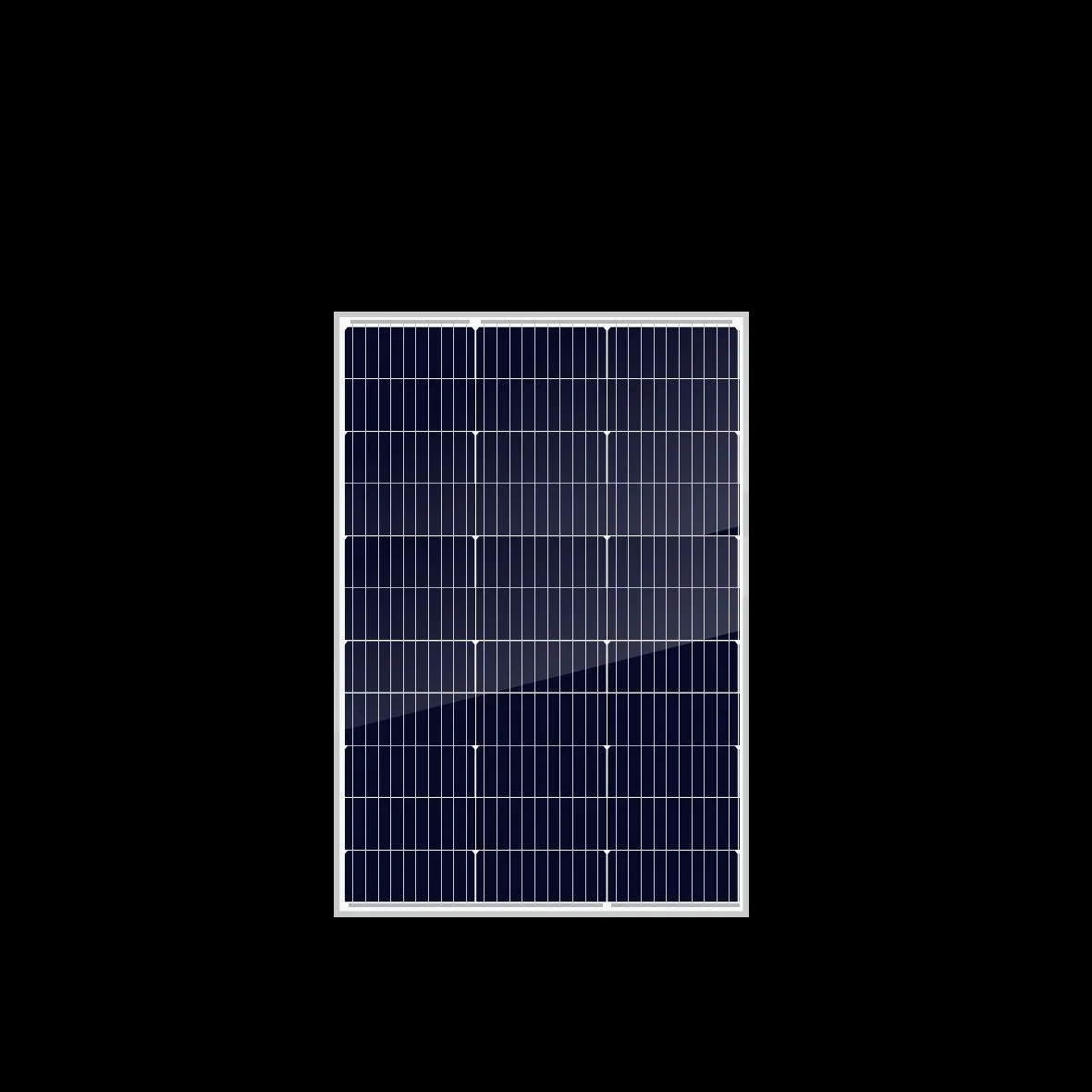
For most of the 2010s, residential modules based on aluminium back-surface field and then PERC architectures delivered 16–20% module efficiency, which meant a typical 1.7 m² panel produced 270–330 W. According to BloombergNEF, tunnel-oxide passivated contact (TOPCon) cells moved from a minority technology to more than 60% of global module shipments within roughly three years, displacing PERC as the industry default. The commercial consequence is that a standard residential module in 2025 occupies the same roof area while producing 430–470 W, and premium lines such as Maxeon and REC Alpha reach 22.8–24% module efficiency.
The physics behind the jump is passivation. TOPCon adds an ultra-thin tunnel oxide with a doped polysilicon layer that suppresses recombination at the rear contact, pushing commercial cell efficiencies to around 26.5% and temperature coefficients to roughly −0.29%/°C. Heterojunction (HJT) cells, which sandwich intrinsic amorphous silicon between doped layers, reach similar or slightly higher cell efficiencies with temperature coefficients near −0.24%/°C and bifaciality above 90%. Both architectures are certified under IEC 61215 and 61730 and are now bankable rather than experimental.
Perovskite-silicon tandem devices define the next step. LONGi has certified tandem cells above 34%, and Oxford PV began commercial shipments of 24.5%-efficient perovskite-silicon tandem modules in 2024. Those products remain limited in volume and carry unresolved questions on damp-heat stability, but they confirm that the 30% module ceiling is no longer theoretical. For households, the practical takeaway is that a roof fitted today with 24% modules will not be obsolete in five years — but it will be two efficiency generations behind.
Beyond Watt-Peak: Temperature, Bifaciality and Degradation
Rooftop modules rarely operate at the 25°C standard test condition. On a summer afternoon, cell temperatures of 55–65°C are routine, and the temperature coefficient determines how much of the nameplate rating survives. A PERC module at −0.35%/°C loses about 12% of its output at a 60°C cell temperature; an HJT module at −0.24%/°C loses under 8.5%. On a 6 kWp array in a hot climate, that difference is worth 150–250 kWh per year — a gain that never appears on the datasheet headline but compounds over a 25-year life.
Bifaciality is the second underused lever. TOPCon modules typically offer 80–85% bifaciality and HJT above 90%, meaning the rear face converts a substantial share of reflected irradiance. On a white single-ply membrane roof with an albedo near 0.8, or on an elevated mounting structure over a light-coloured surface, rear-side gain of 8–15% is achievable. On a dark shingle roof mounted close to the deck, the gain collapses to 2–4%. Bifacial modules therefore reward mounting design, not just purchasing decisions — a point frequently missed in residential quotations.
Degradation matters as much as day-one efficiency. Modern n-type modules carry first-year degradation of 1%, then 0.4%/yr, with 30-year warranties to roughly 87–88% of initial output. PVEL's independent scorecard has repeatedly flagged that not all TOPCon products are equal: some exhibit elevated damp-heat and potential-induced degradation in accelerated testing. Buyers should ask for the specific PVEL result and the IEC salt-mist and PID test reports, not just the warranty percentage.
The System Is the Weak Link: Inverters, Wiring and Shading
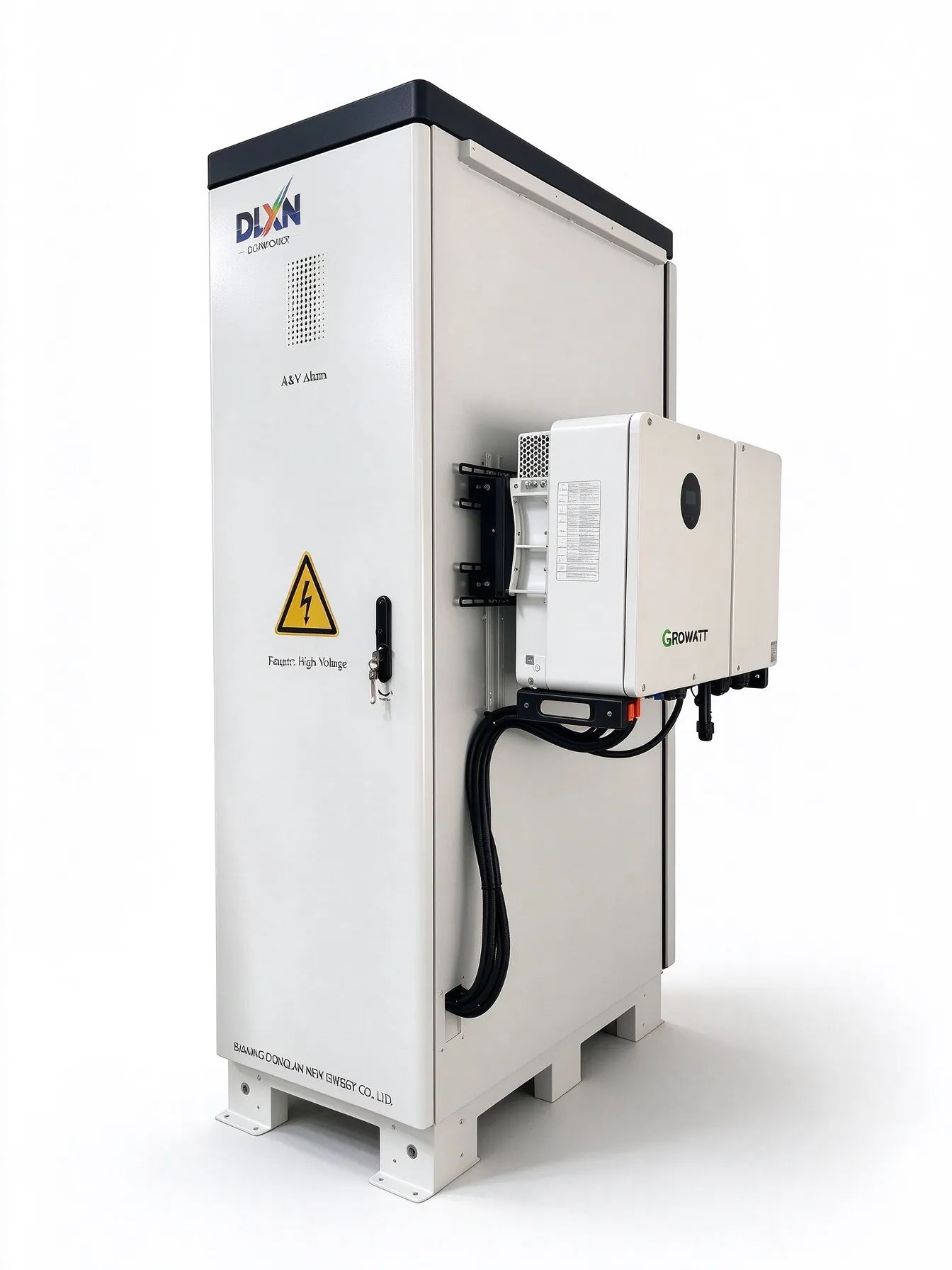
A 24% module connected to a poorly matched inverter delivers 20%-class results. Modern string inverters convert at 97.5–98.6% peak efficiency, but oversizing ratios, clipping losses and MPPT granularity decide the actual harvest. A DC/AC ratio of 1.2–1.3 is normal and economically sound, yet beyond 1.4 in a high-irradiance location the clipping loss can exceed 1.5% of annual yield. Detailed inverter selection guidance is available in our [inverter technology section](/tech/inverters), which covers MPPT count, grid-code compliance and hybrid architecture trade-offs.
Shading is the largest hidden loss in residential systems. Because cells are series-connected, a single shaded cell can suppress an entire string's current. Module-level power electronics — microinverters or DC optimisers — mitigate this by performing MPPT per panel, and in heavily shaded urban installations they routinely recover 10–25% of annual production compared with a plain string configuration. The correct choice depends on the shade survey, roof geometry and whether battery storage is planned.
Direct-current wiring losses are usually modest but not negligible. Designers target voltage drop below 2% on DC runs and below 1% on AC runs; short, well-sized strings achieve 1–1.5% combined. The cumulative effect of these system-level choices — oversizing, MPPT granularity, shading tolerance, wiring — can easily swing annual yield by 8–12%, dwarfing the 1–2 percentage-point gap between two competing module models.
Storage and Self-Consumption: Where Efficiency Becomes Economics
Module efficiency only translates into bill savings at the rate the household consumes its own generation. In Germany, HTW Berlin's Stromspeicher-Inspektion has documented self-consumption rates of roughly 30% for a PV-only household, rising to 60–75% when a correctly sized battery is added. Because export tariffs are typically one-third to one-half of retail import prices, that shift in self-consumption is where most of the economic gain from a high-efficiency array is actually captured.
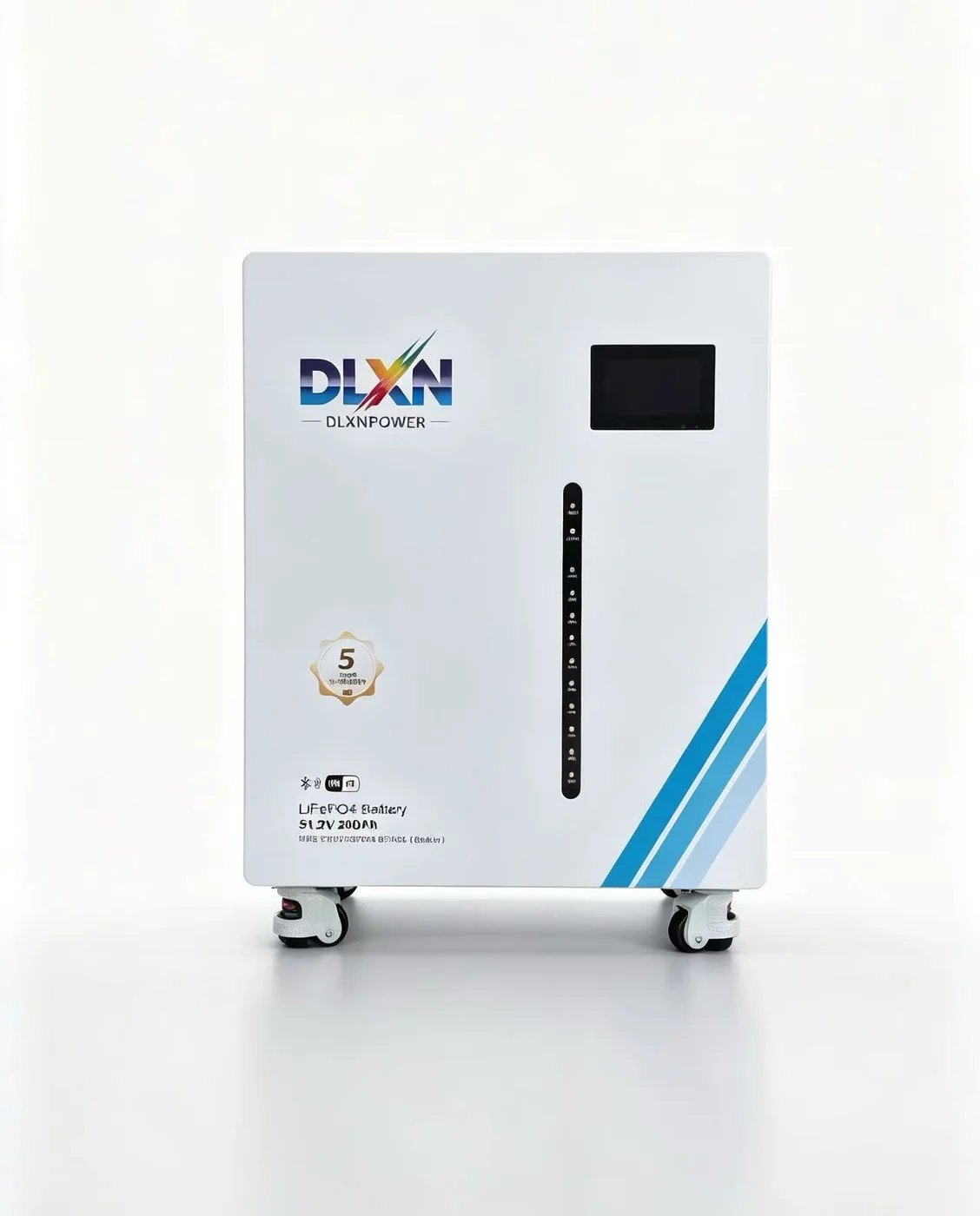
Battery system efficiency is now genuinely high. HTW Berlin's testing found that well-designed lithium iron phosphate systems achieve 92–95% system efficiency (SPI), and DC-coupled hybrid inverters avoid a double conversion, reaching 97–98% conversion efficiency between array and cell. Round-trip losses of 5–8% are the realistic planning figure for LFP, against 15–20% for legacy lead-acid. Our [battery storage technology overview](/tech/battery-storage) details the AC- versus DC-coupling distinctions and their effect on annual throughput.
Sizing discipline matters more than chemistry. Oversizing storage against winter consumption inflates standby losses and capital cost without improving self-consumption; undersizing leaves summer generation exported at low value. A typical northern-European single-family home with 4,500 kWh annual demand pairs well with 6–8 kWp of generation and 6–10 kWh of usable capacity. Cycle-life figures for tier-one LFP cells now reach 6,000–8,000 cycles at 80% depth of discharge — comfortably beyond a 10-year warranty.
Field Evidence: What Independent Testing Actually Shows
Nameplate ratings are measured indoors under controlled spectrum and temperature. NREL's outdoor module testing has consistently found that real arrays deliver performance ratios of 0.75–0.85, with soiling, mismatch and thermal effects accounting for the gap. The implication is that a 24%-efficient module on a roof with a 0.78 performance ratio behaves like an 18.7%-efficient energy source — and that reducing soiling and mismatch is often cheaper than buying more efficiency. Annual cleaning in high-dust regions can recover 3–8% of yield.
On cost, NREL's annual benchmarks place modelled US residential PV installed costs near $2.5–2.9/Wdc, while German rooftop systems trade at roughly €1.2–1.5/Wp installed, reflecting lower soft costs and competitive labour markets. BloombergNEF's LCOE analysis shows residential rooftop solar in strong-resource markets landing in the $60–110/MWh range, compared with $30–45/MWh for utility-scale plants — a gap driven largely by soft costs, not hardware.
Deployment scale confirms the maturity of the supply chain. The IEA's Renewables 2024 assessment recorded global PV additions approaching 600 GW in a single year, with cumulative installed capacity passing 2 TW. That manufacturing scale is the reason high-efficiency n-type modules now cost barely more per watt than the PERC products they replaced, and why the efficiency breakthrough has reached ordinary households rather than remaining a premium niche.
Specifying a High-Efficiency System: A Practical Checklist
When procuring, look beyond the efficiency headline. Request the temperature coefficient, bifaciality factor, first-year and annual degradation figures, and the specific IEC 61215/61730 certificates with the exact module model listed. Confirm PID resistance and damp-heat results from an independent test laboratory. Our [solar panel product range](/products/solar-panels) lists module datasheets with these parameters, and matching the panel choice to the inverter's MPPT window is the single most common specification error we encounter.
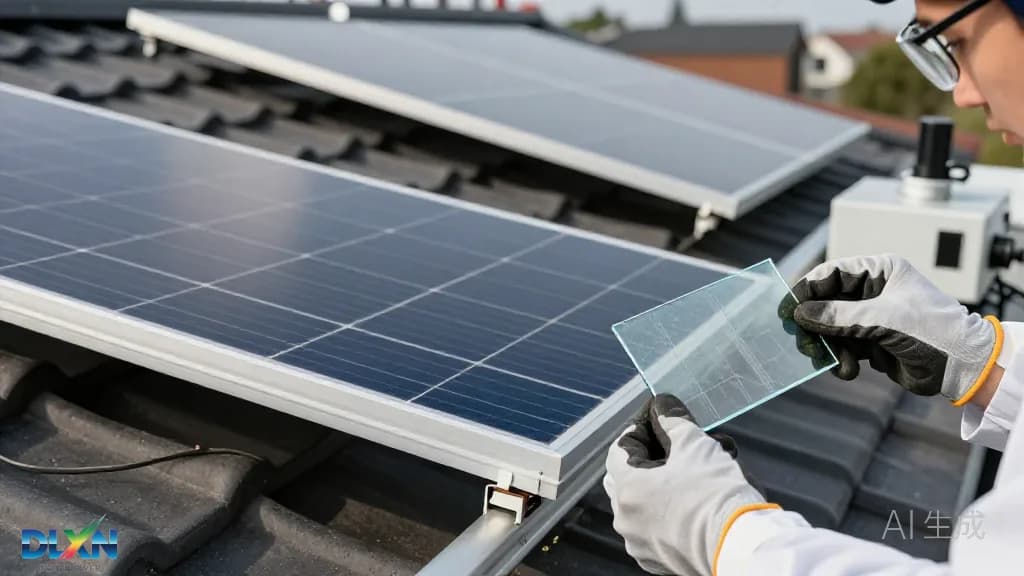
Commissioning quality determines whether the design survives contact with reality. Insist on an I-V curve trace per string, an infrared thermography scan to detect cell cracks and solder defects, and a documented flash-test comparison against nameplate. For ground-mounted or carport installations, single- or dual-axis tracking can add a further 20–40% annual yield over fixed tilt, which is why we offer tracking architectures alongside conventional arrays.
Finally, treat monitoring as part of the system, not an accessory. String-level current data reveals soiling, shading and failure within days rather than at the next annual service. A 24% module is a genuine engineering advance — but it pays back only when the inverter, battery and monitoring layers are specified to the same standard. Our engineering team can review a roof survey and load profile to size the complete system; reach out through our [contact page](/contact) to start that assessment.