News & Updates
Latest from DLXN Energy
off grid solar system demand moves to modular LFP racks

Procurement splits into two camps
The off grid solar system market is splitting into two procurement camps in 2026: buyers who still size around lead-acid banks and buyers who specify modular lithium iron phosphate racks. The second group is growing faster in tenders above ~20 kWh, according to installer interviews and pricing tracked in DLXN's LFP battery price index. The shift is not universal. Upfront cost still rules in small, low-cycle applications such as weekend cabins and security lighting, where a 5 kWh lead-acid kit can be replaced twice before an LFP cabinet pays back. BloombergNEF's 2025 battery price survey put average pack prices at ~$115/kWh across chemistries, with LFP cells trading below that in China. For an off grid solar system, the relevant number is not the cell price but the installed $/kWh after racks, BMS, enclosure, and commissioning. Those add ~35-60%, depending on certification and climate class. That gap explains why lead-acid still wins some 3-5 kWh kits in North America and sub-Saharan Africa, while LFP wins 15 kWh-plus systems with daily cycling. Buyers should compare usable kWh at end of life, not nameplate amp-hours.
Duty cycle decides payback
NREL's 2024 storage cost model still shows lead-acid with lower first cost at shallow discharge, but LFP wins on levelized cost once daily depth of discharge exceeds ~50% and cycle life is counted. In an off grid solar system, that threshold appears in telecom sites, clinic refrigeration, and small irrigation pumps, not in weekend cabins. Vendors that quote only amp-hours obscure the comparison; buyers need usable kWh at a stated C-rate and end-of-life capacity. A 100 Ah lead-acid block may deliver only ~50 Ah at 50% depth of discharge, while an LFP module can be sized closer to its rated capacity. Wood Mackenzie's 2025 ESS cost survey noted that LFP rack prices fell faster than inverter and switchgear prices, which shifts the bottleneck to design and permitting. For remote projects, freight and commissioning can exceed the battery line item. A 48 V, 100 Ah lead-acid bank that looks cheaper at quote stage often needs earlier replacement and more generator hours. That is why lithium battery specifications now include cycle warranties at 80% depth of discharge, not just nominal capacity. The spread matters most where diesel logistics cost ~$0.30-0.60/kWh generated, a range common in island and mining projects.
Cabinets cut labor, not integration risk
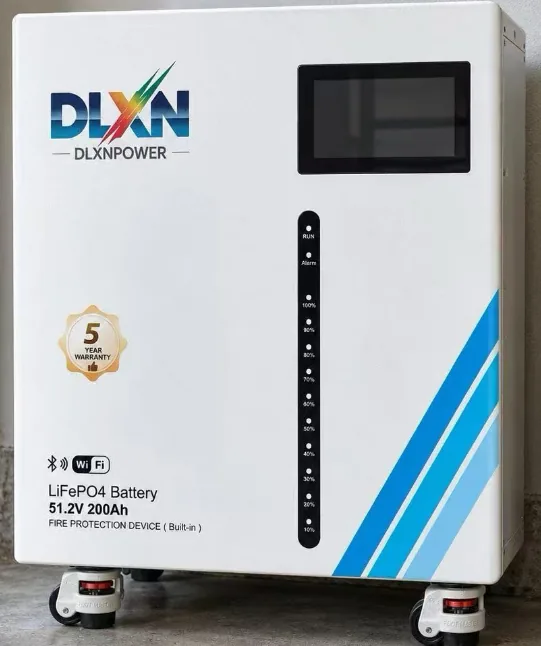
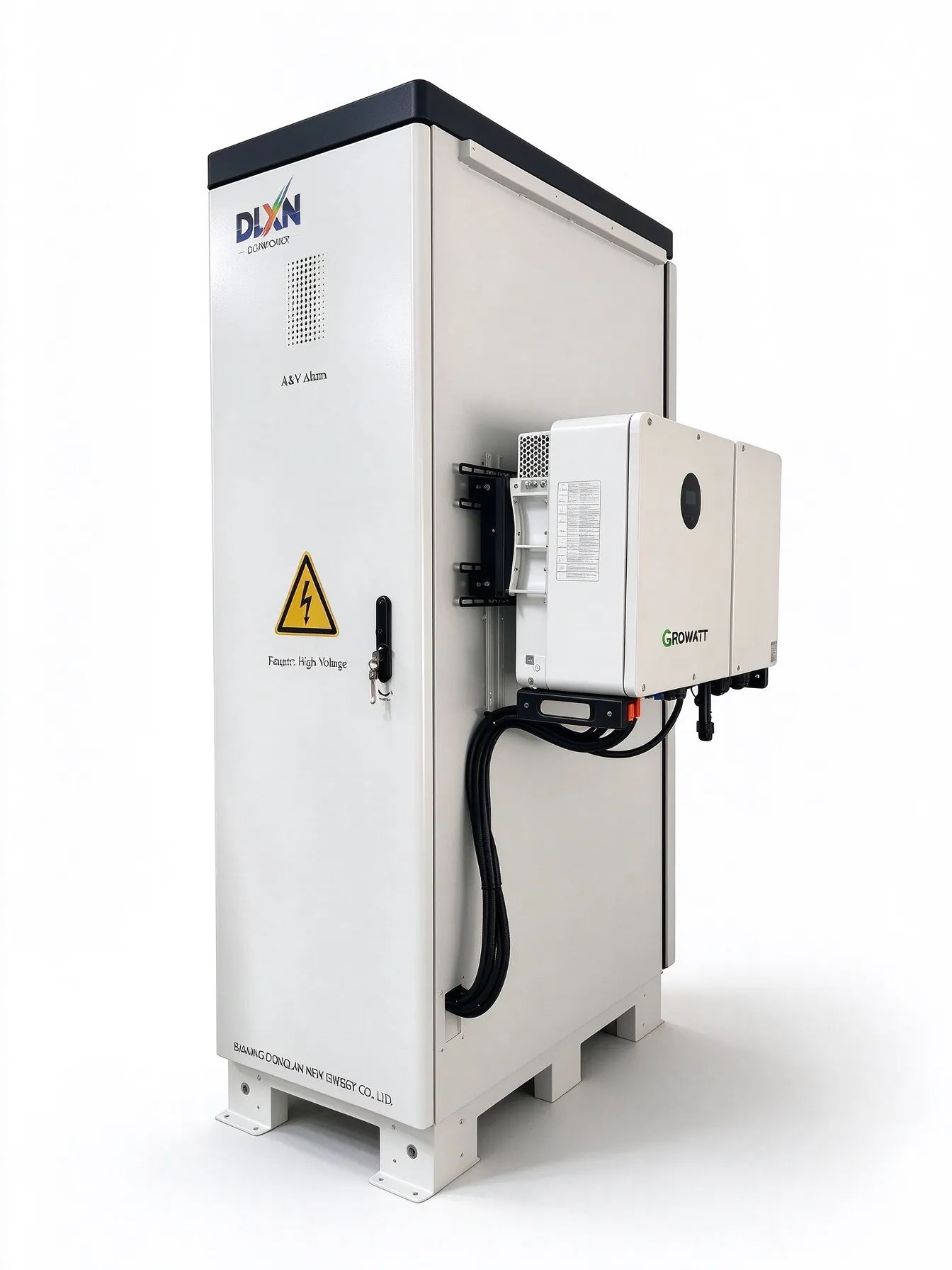
Pre-wired LFP cabinets such as DLXN's GC100-120 battery cabinet are being specified for larger off-grid sites because they move labor from the field to the factory. Factory-terminated racks, integrated BMS, and tested thermal management can cut commissioning time by ~1-2 days per site, according to EPC estimates. That matters where truck rolls and crane time cost more than the battery. The risk is that cabinet-level testing does not cover site-level integration: DC cable voltage drop, inverter coordination, fire clearance, and remote monitoring still decide whether the system performs. National regulators are tightening documentation for lithium installations, and utilities increasingly ask for cell provenance, UN 38.3 transport tests, and IEC 62619 pack certificates. Buyers comparing an off grid solar system should treat those documents as part of the bill of materials, not post-award paperwork. A cheaper cabinet without traceable cells can fail inspection and strand the project schedule. The same applies to warranty administration: a 10-year pack warranty is only useful if the supplier has a regional service path and spare modules, not just a PDF.
Inverters become the control point
The inverter is where an off grid solar system either survives load surges or trips. DLXN's CGP-10 hybrid inverter is one example of the current 10 kW class moving toward generator support, adjustable charge current, and dry contacts for load shedding. Specifiers are asking for those features because loads are changing: induction cooking, heat pumps, and EV chargers add surge profiles that legacy inverter-chargers handle poorly. IEA's 2025 off-grid solar market report also notes that productive-use loads are growing faster than basic lighting demand in several African and South Asian markets. Operator data tells a less flattering story. Most callouts trace to configuration, not hardware: incorrect absorption voltage, unset low-temperature charge cutoff, or generator start thresholds. LFP needs charge inhibition below ~0°C, a detail lead-acid users never managed. An off grid solar system that ignores this will lose capacity in the first winter and blame the cells. Remote monitoring helps, but only if the installer commissions the gateway and the owner reviews alarms. In 2026 tenders, buyers are starting to require a witnessed 72-hour load test before final acceptance.
Autonomy assumptions get overstated
Procurement documents for an off grid solar system often specify three days of autonomy, then model it with monthly average irradiance. In practice, monsoon, wildfire smoke, and dust derate PV output for weeks, and NREL's PVWatts documentation warns that monthly averages hide daily deficits. A system sized at three days of nameplate autonomy may deliver ~two days after inverter losses and end-of-life battery derating. That is not a rounding error for clinics, telecom towers, or water pumping. It is the difference between a generator-backed site and a failed service-level agreement. Project finance teams are pushing back. In 2026 tenders, lenders are asking for hourly simulation rather than monthly averages, especially for health facilities and telecom sites. That favors vendors who can supply load profiles, weather files, and warranty terms in one package. The projects section of DLXN's site shows how those assumptions are documented in real installations. Buyers should also audit maintenance: a 20 kWh LFP bank that needs quarterly site visits may cost more over 10 years than a slightly larger bank with remote diagnostics and a local technician network.
Related products
In-stock models that match this article — specs and RFQ on each page.