Pick the architecture before you drill
An inverter installation starts as a roof survey, not a wall survey. Orientation count, shade timing, the cable distance from array to plant room and the owner's appetite for storage all narrow the product class before anyone opens a datasheet. Our own guidance on [inverter platforms](/tech/inverters) begins the same way: count the orientations, then count the shade windows.
A single-orientation roof with no shade and a load that peaks at midday is string-inverter territory. Three roof faces, a chimney shadow between 10:00 and 13:00 in December, and a 40 m DC run is a different problem entirely.
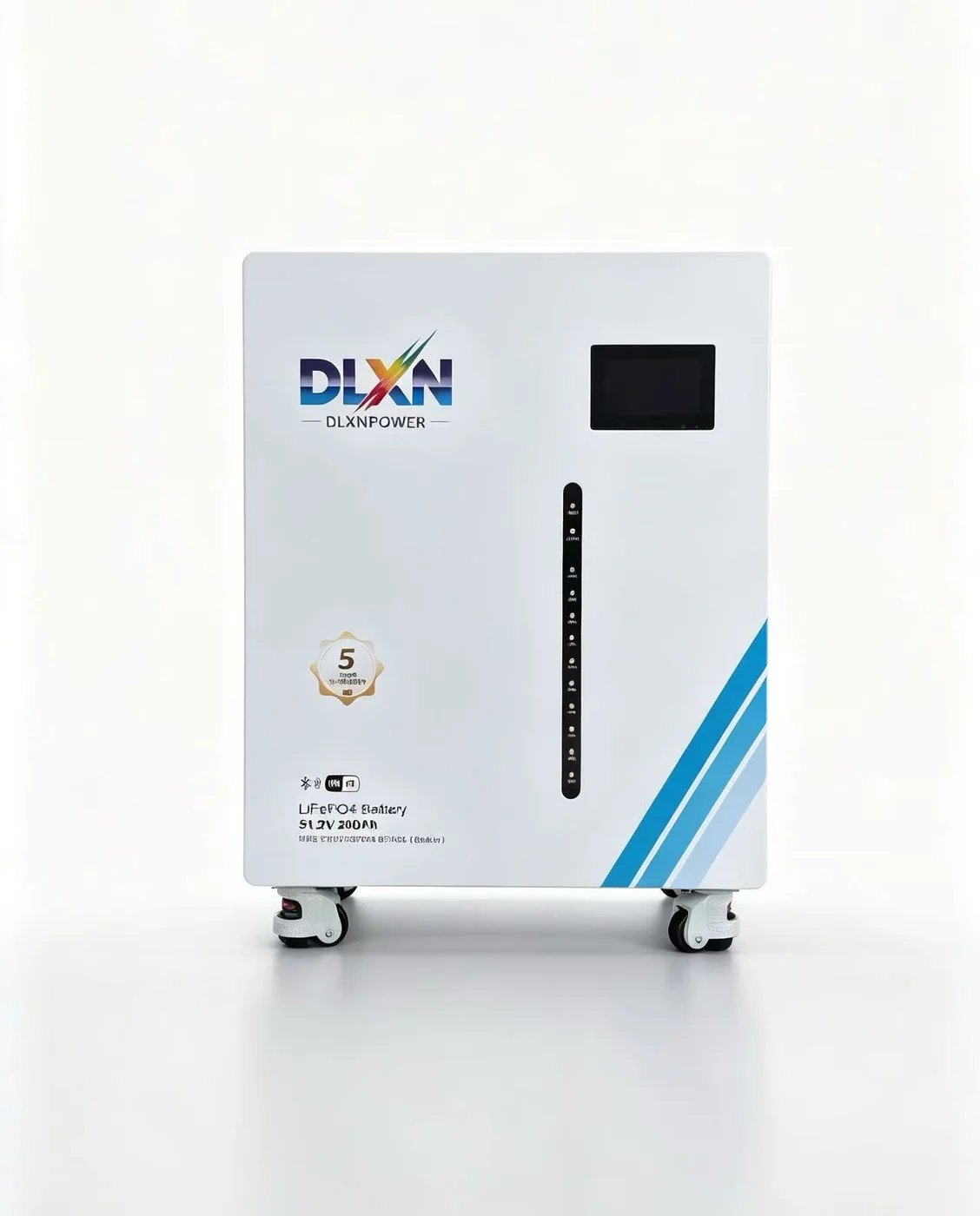
Hybrid units earn their premium when the site has an evening-heavy load profile or a grid connection that drops often enough to justify storage. The economics sit in the battery rather than the inverter, so the sizing question shifts to [battery storage architecture](/tech/battery-storage) and the continuous C-rate of whatever cabinet gets paired with it.
Siting: the thermal budget decides the wall
Every inverter datasheet carries two ratings, and installers habitually read the wrong one. Nameplate output is quoted at a reference ambient, usually 40°C, and the derating curve above that point is what governs real annual yield inside a hot plant room.
In a sealed utility room in southern Spain or the Gulf, mid-afternoon air behind the unit can sit 15 to 20 K above shaded outdoor temperature, which pushes a 30 kW machine into derating for the hottest four hours of the day, every day, for fifteen years. Mount on a shaded north or east wall wherever the local geometry allows. Respect the clearances printed in the manual, and treat the top clearance as non-negotiable because that is the convection path. Keep DC and AC isolators reachable without a ladder. Where the only available wall faces west into afternoon sun, fit a sunshade rather than argue with the derating curve.
Coastal salt, cement dust and altitude above roughly 2000 m each change the maintenance interval, and the fan filter is the part that tells you first.
String arithmetic that has to be done twice
String sizing kills more designs than any other single step, because it is the one calculation where a wrong answer destroys hardware in the first cold snap. Work the open-circuit voltage at the record low temperature for the site, using the module's Voc temperature coefficient, and check it against the inverter's absolute maximum DC input, not its MPPT window. Then check the MPP voltage at the record high cell temperature against the bottom of the window. Both ends fail differently: the cold end fails as an explosion of input capacitors, the hot end fails as silent yield loss nobody notices for a year.
| Parameter | Residential string | Commercial three-phase | Hybrid with battery |
|---|---|---|---|
| DC input window | 80–500 V | 200–1000 V | 150–800 V |
| MPPT count | 1–2 | 2–6 | 2–3 |
| Peak efficiency | 97–98% | 98%+ | 96–98% |
| Max input current per MPPT | 12–16 A | 26–40 A | 20–30 A |
| Typical DC/AC ratio | 1.15–1.30 | 1.10–1.25 | 1.10–1.20 |
| Best fit | single-orientation roof | large uniform arrays | evening load, weak grid |
Oversizing the array relative to the inverter is normal and economically sound, but clipping losses above a DC/AC ratio of about 1.3 start to cost more than the extra modules return on most commercial tariffs. The exact crossover depends on the irradiance profile, so model it rather than guessing.
Terminations, not semiconductors
A field guide to what actually fails after handover would be short. Loose MC4 crimps, undertorqued AC lugs, missing DC surge protection, and rapid-shutdown systems wired to the wrong side of the isolator. Code requirements are specific and worth reading in the original: IEC 62548:2016 for array design, IEC 62109-1:2010 and 62109-2:2011 for converter safety, and NEC 690.12 in the 2020 edition for rapid shutdown inside the array boundary.
- Crimp with the manufacturer's tool, then pull-test every connector.
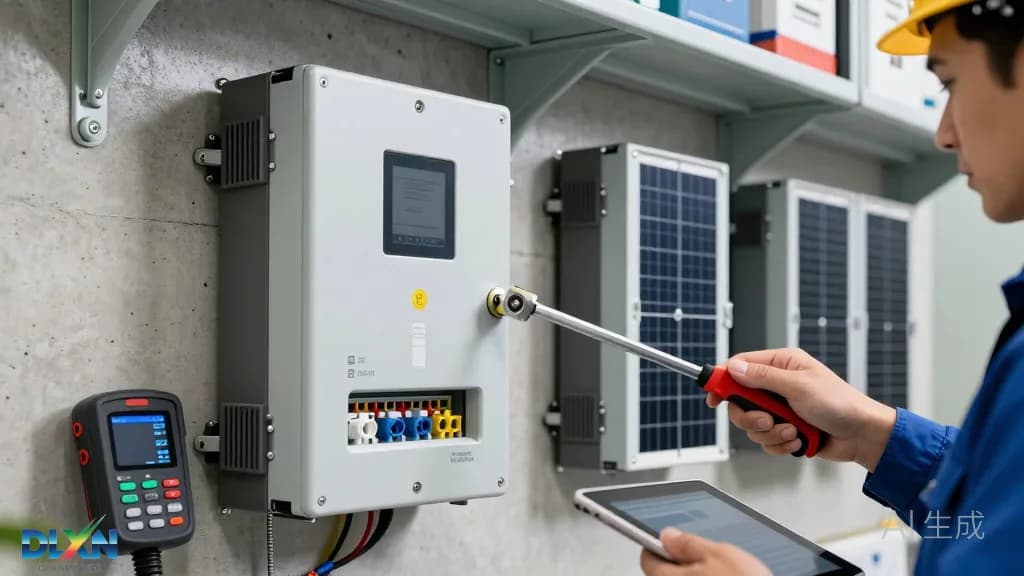
- Torque AC and DC lugs to the printed value with a calibrated driver, and record it.
- Size DC cable for voltage drop under 2%, not just ampacity.
- Bond module frames and racking to the grounding electrode conductor with listed hardware.
- Commission anti-islanding to the grid code the utility actually enforces, not the factory default.
On our own pre-shipment bench, inverters almost never come back for failed semiconductors. They come back because someone hung them in a cupboard with no airflow and no one ever cleaned the filter.
A representative commissioning case
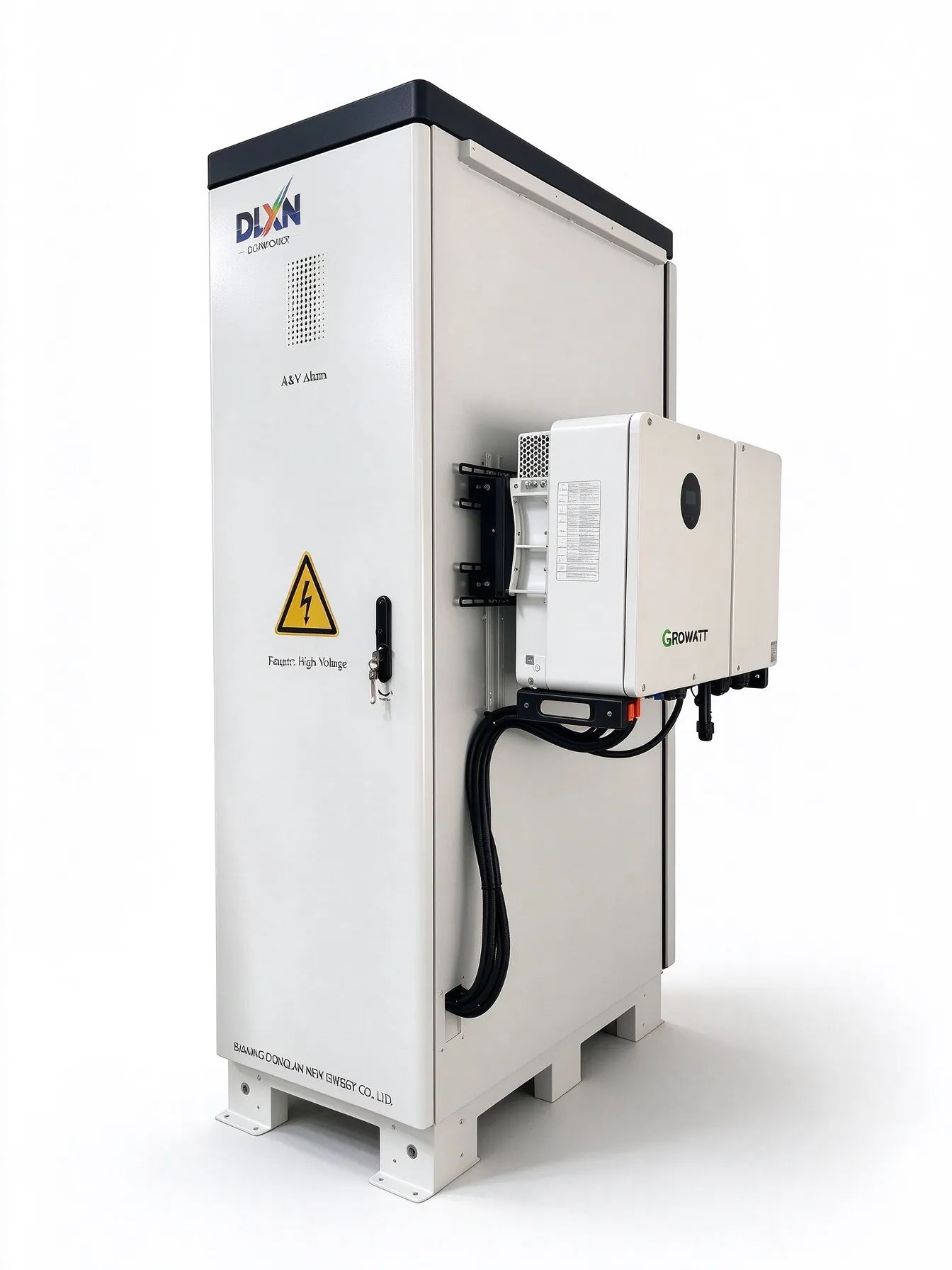
A configuration we specify often looks like this: a 120 kWp rooftop retrofit on a cold-storage warehouse in Valencia, Spain, commissioned in February 2026, built around four 30 kW three-phase hybrid units feeding a 100 kWh-class DC-coupled battery for peak shaving during the warehouse's afternoon refrigeration load. The [lithium battery](/products/lithium-battery) cabinets in that class carry a 0.5C continuous charge and discharge rating and a cycle-life figure quoted at cell level rather than pack level, which matters when the load profile asks for a full daily cycle. Comparable commercial builds are documented in our [project reference library](/projects).
Commissioning sequence that works: insulation resistance on each string before connection, polarity check, open-circuit voltage compared against the expected value at measured cell temperature, then grid-code and firmware settings, then a monitoring baseline captured at a known irradiance. Not every check needs an instrument. The one that gets skipped is the thermographic scan after a week at full load.
Where a string inverter is the wrong purchase
A 6 kWp domestic roof with three orientations and a two-hour tree shadow in December is the clearest case. The array will run at the weakest string's current for most of the morning, and no amount of oversizing recovers that. Module-level electronics cost more per watt and are harder to service on a pitched roof, but they deliver more annual energy on a shaded, multi-facet roof than a central inverter ever will.
The second case is thermal. Where the only mounting location is a sealed plant room that regularly exceeds 45°C, a string inverter is a warranty claim waiting to be filed, and the correct answer is a remote-mounted unit or a different architecture, not a bigger heatsink. Third, and most often argued about: a customer who wants backup power but will not buy enough battery to carry the critical load through the night is better served by a grid-tied system plus a generator than by a hybrid inverter with a token battery behind it.
Handover is not the end of commissioning
The last day on site should produce three things: a torque and crimp record, a monitoring baseline tied to a timestamp and an irradiance reading, and a scheduled thermographic scan for the first week of full-load operation. Book the scan before you leave, because the faults that matter show up under sustained load and nobody schedules a return visit once the invoice is paid.
If a design review would help before the next install, our engineering team takes questions through [contact](/contact) and will read a single-line diagram faster than most people expect.
References: [IEC 62109](https://webstore.iec.ch/en/publication/26592)