Market Size and Growth Trajectory
The global off-grid solar market generated roughly USD 3.5–4 billion in annual revenue in 2024, according to GOGLA's semi-annual market data and the World Bank ESMAP Off-Grid Solar Market Trends Report. Quality-verified product sales have stabilised at approximately 4–5 million units per half-year, but average revenue per unit is rising as buyers migrate from pico lanterns below 11 W toward solar home systems in the 20–200 W range. The IEA's Tracking SDG7 work estimates 685 million people still lacked electricity access in 2022, creating a persistent addressable base for standalone systems that grid extension will not reach economically.
Segment growth is highly uneven. Pico products under 11 W are contracting in mature East African markets as households upgrade, while systems above 100 W — including productive-use applications such as irrigation pumps, cold storage and milling — represent the fastest-growing tier, expanding at double-digit annual rates. Mini-grids, which use the same standalone architecture scaled up with distribution networks, are a separate growth vector: the World Bank estimates that reaching 380 million people through mini-grids by 2030 would require roughly 160,000 installations and about USD 127 billion in cumulative investment.
Demand drivers differ sharply by geography. In Sub-Saharan Africa and South Asia, the primary driver remains absent or unreliable grid supply; in OECD markets, standalone systems are driven by telecom tower backup, remote industrial telemetry, agricultural monitoring and off-grid residential construction. The IEA notes that in its Stated Policies Scenario, decentralised renewables account for the majority of new electricity access connections through 2030 — a structural shift away from centralised grid extension that directly benefits standalone system vendors.
Cost Curves Reshape System Economics
Module costs have effectively stopped being the binding constraint. Spot prices for mainstream monocrystalline modules fell to roughly USD 0.10–0.12/W in 2024 amid persistent global oversupply, according to BloombergNEF and PVinsights tracking. For a typical 1–3 kW standalone system, [solar panels](/products/solar-panels) now represent only 15–25% of total installed cost, with batteries, power electronics, mounting and balance-of-system dominating the capex stack — a complete inversion of the cost structure a decade ago.
Battery prices have followed a parallel trajectory. BloombergNEF's December 2024 battery price survey put the volume-weighted average lithium-ion pack price at USD 115/kWh, down roughly 20% year-on-year, with turnkey Chinese LFP stationary storage projects reported below USD 75/kWh. NREL's cost benchmarking for standalone PV-battery systems shows the same pattern: storage plus power conversion now account for 55–65% of lifecycle cost, which is why procurement decisions in this market are increasingly battery and inverter decisions rather than module decisions.
The net effect is a sharp improvement in levelised cost of energy. Well-designed standalone PV-battery systems in high-irradiance regions now deliver LCOE in the USD 0.25–0.45/kWh range over a 15–20 year horizon, compared with USD 0.60–1.00/kWh for diesel gensets at typical fuel prices in remote areas. That gap is the single most powerful commercial argument in the sector, and it explains why hybridisation retrofits — bolting PV and storage onto existing diesel infrastructure — have become one of the fastest-moving sub-segments.
Battery Chemistry: LFP Displaces Lead-Acid
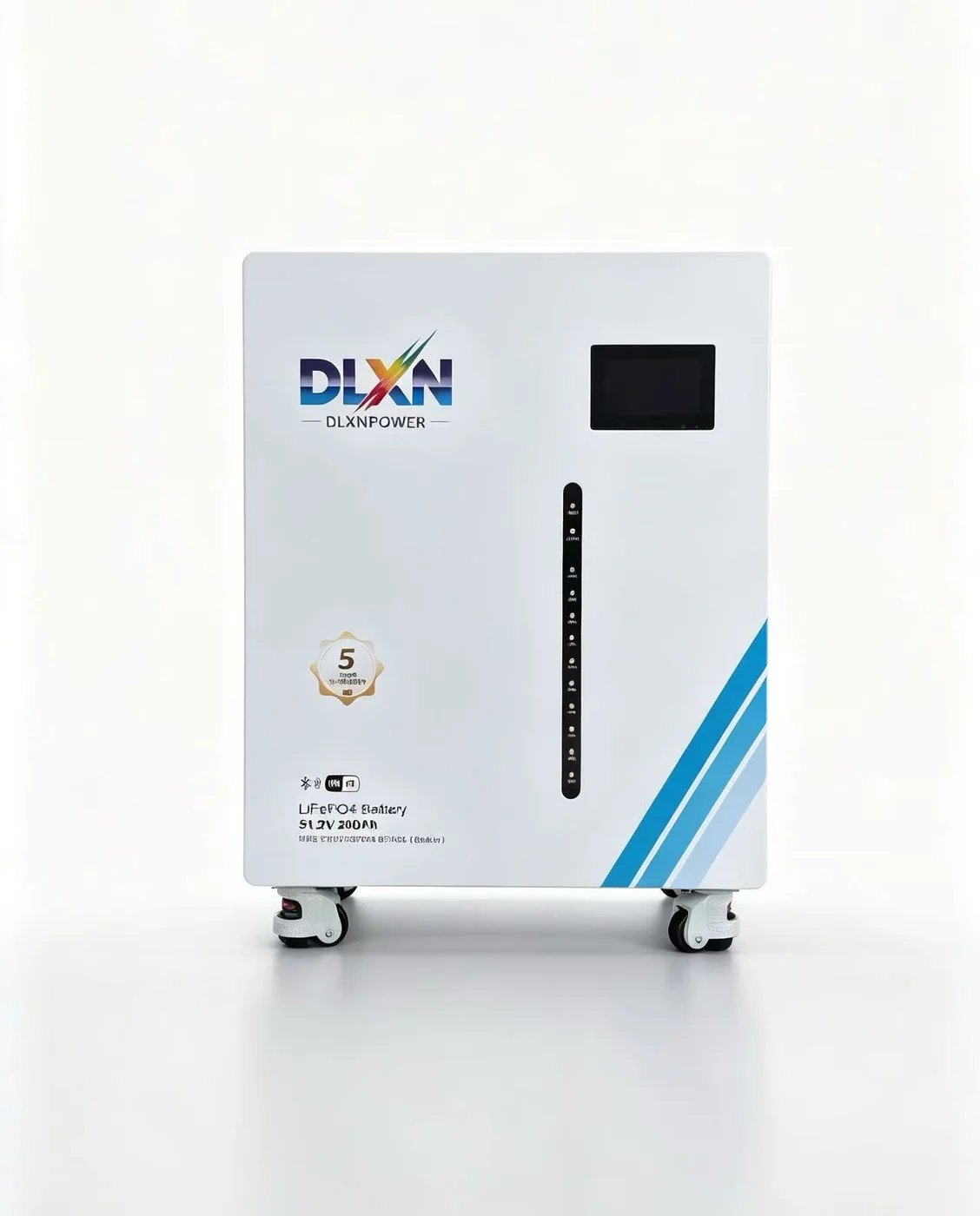
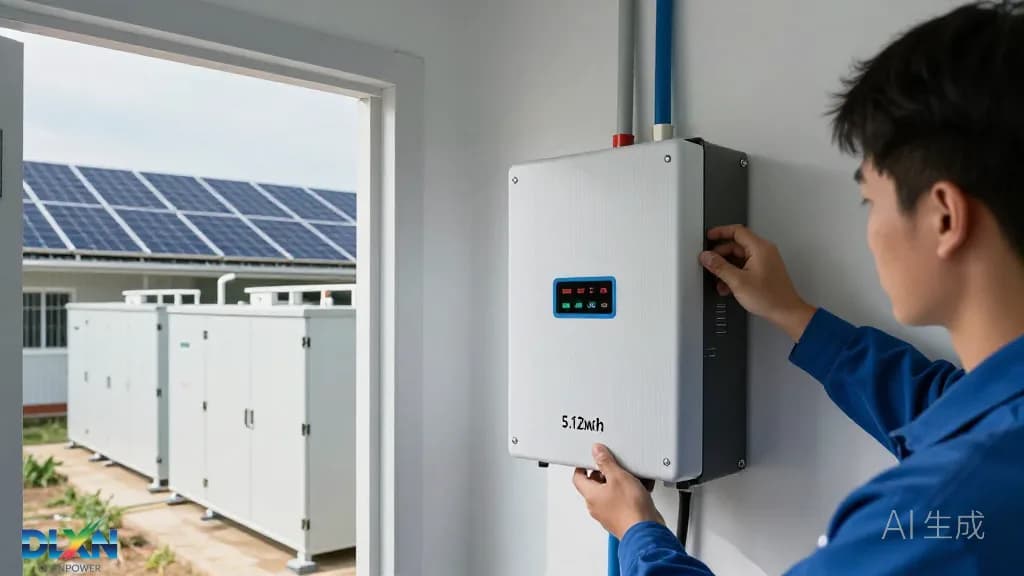
Lithium iron phosphate has decisively won the standalone storage debate. A quality LFP cell delivers 4,000–6,000 cycles to 80% depth of discharge, against 500–800 cycles at 50% DoD for AGM lead-acid — a five- to ten-fold difference in throughput that overwhelms LFP's higher upfront cost per kilowatt-hour. Integrated 51.2 V, 100 Ah modules (5.12 kWh nominal) have become the de facto building block for residential and light-commercial standalone systems, stackable in parallel to 20–40 kWh without custom engineering.
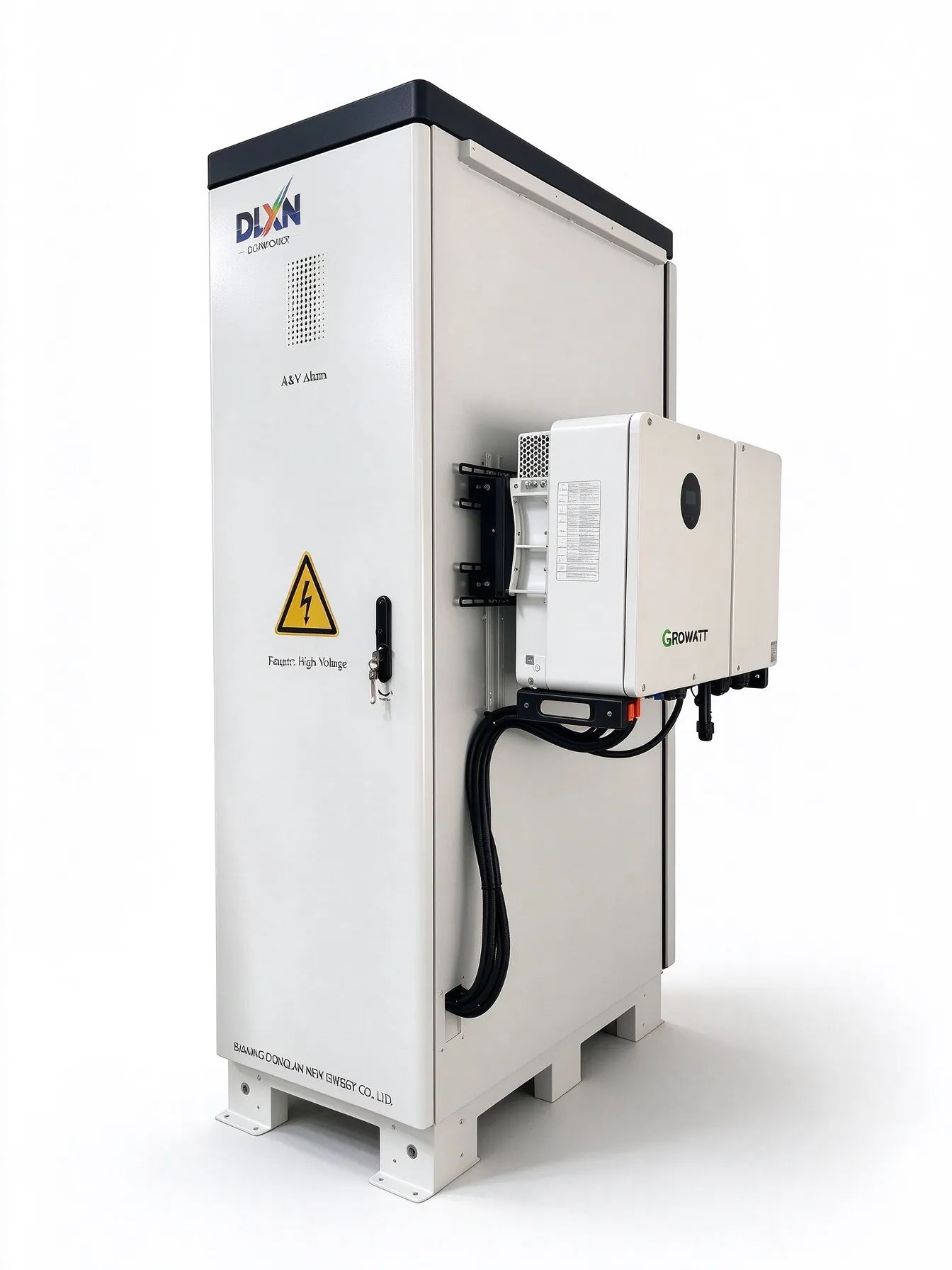
System design practice has adapted accordingly. IEEE 1013, the standard for sizing lead-acid batteries in standalone PV systems, is increasingly supplemented by vendor-specific LFP sizing tools that account for temperature derating, C-rate limits and BMS cut-offs. Engineers now routinely design to 80–90% usable capacity rather than the 50% reserve typical of flooded lead-acid, which cuts nominal capacity requirements nearly in half and reduces enclosure footprint — a decisive advantage in containerised or cabinet-mounted deployments. Modern [lithium battery](/products/lithium-battery) packs also ship with integrated BMS, CAN/RS-485 communications and closed-loop inverter coordination.
Two adjacent trends bear watching. Sodium-ion chemistry is entering commercial production with lower energy density but better cold-weather performance and no lithium supply exposure, making it plausible for stationary standalone applications in the 2026–2030 window. Meanwhile, second-life EV modules and formal recycling channels are becoming a regulatory requirement in the EU and India, pushing vendors to document cycle history and chemistry composition — an operational burden that will likely consolidate the supplier base toward larger, compliance-capable manufacturers.
Power Electronics and System Architecture
Inverter architecture has converged on the hybrid, multi-MPPT design. Modern standalone inverters achieve 97–99% peak MPPT efficiency and 94–97% European-weighted conversion efficiency, with dual or quadruple MPPT trackers to handle partial shading and mixed array orientations — common in retrofit and rooftop-constrained installations. The 48 V DC bus remains dominant below 5 kW, while 400 V DC architectures are gaining share in the 10–100 kW commercial and mini-grid tier, where cable losses and parallel battery wiring become material.
Integration is the defining product trend. All-in-one units combining MPPT charge controller, inverter, grid/genset charger and system monitoring now dominate the residential off-grid segment, reducing installation labour and eliminating compatibility risk between disparate components. Compliance with IEC 62109 (safety of power converters), IEC 62548 (PV array design) and, in North America, UL 1741 for interconnection is increasingly a tender prerequisite rather than a differentiator. Our [inverters](/tech/inverters) engineering notes cover the derating and surge requirements that matter most in weak-grid environments.
Monitoring and remote diagnostics have moved from premium feature to baseline expectation. Cellular-connected dataloggers reporting array yield, state of charge, fault codes and load profiles enable PAYGo enforcement, preventive maintenance and fleet-level analytics. In markets where a technician visit can cost more than a month of system revenue, remote fault detection is a direct margin lever — and it is the main reason financing institutions now demand telemetry as a condition of portfolio lending.
Regional Demand Patterns
Sub-Saharan Africa remains the volume anchor. Roughly 600 million people in the region lack electricity access, and off-grid solar is the least-cost solution for a large share of them, according to IEA and World Bank analysis. Kenya, Tanzania and Nigeria account for the largest share of quality-verified sales, with pay-as-you-go financing embedded in 50–70% of systems sold in East Africa. The economics are compelling: a 100–200 W system with 5–10 kWh of storage supports lighting, phone charging, fans and a small refrigerator, and PAYGo instalments frequently undercut kerosene and phone-charging expenditure.
South Asia presents a different profile. India's Saubhagya programme and subsequent grid expansion have reduced the pure access gap, but reliability remains poor, driving demand for standalone and hybrid backup in rural households and small enterprises. Bangladesh's solar home system programme installed more than four million systems over two decades and remains the largest single national deployment. Pakistan has emerged as an unexpected high-growth market, with import data showing steep increases in off-grid inverter and panel volumes as grid tariffs rose.
Developed and industrial markets are the quiet growth story. Telecom tower operators, mining companies, water utilities and agriculture are deploying standalone systems at commercial scale to displace diesel, and the same hardware serves remote cabins, marine and emergency-response applications. Projects of this type are typically engineered to IEEE 1562 sizing practice and financed on straight capital-return logic rather than donor grants — a more durable demand base, as our [project portfolio](/projects) illustrates across multiple climates and load profiles.
Standards, Financing and Outlook
Bankability remains the sector's central constraint. A fragmented supplier base, weak after-sales networks and inconsistent quality have historically raised the cost of capital; the VeraSol quality assurance framework, IEC 62257 technical specifications for off-grid electrification and national regulator registration schemes are gradually addressing this. Lenders now request IEC 62548-compliant designs, verified battery cycle data and third-party performance testing before extending receivables financing to distributors.
Financing structures are maturing in parallel. PAYGo receivables securitisation has raised hundreds of millions of dollars in aggregate across African and Asian providers, while results-based financing and blended concessional capital continue to underwrite the hardest-to-reach segments. Carbon credit revenue from avoided kerosene and diesel combustion adds a secondary cash flow, though methodology revisions have introduced pricing uncertainty. For commercial and industrial buyers, falling battery prices mean straightforward project finance now works without subsidy in most high-irradiance markets.
The outlook through 2030 is for continued volume growth, accelerating unit-value growth and consolidation among suppliers. Expect LFP to hold dominance, sodium-ion to take a first meaningful share in cold-climate and cost-sensitive niches, 400 V DC architectures to spread into the commercial tier, and telemetry-enabled financing to become universal. The strategic winners will be vendors who can demonstrate verified cycle life, deliver remote diagnostics and support multi-decade service obligations — the factors that convert a hardware sale into a bankable energy service.