Where the efficiency actually goes
A solar array is sold on nameplate kilowatts and bought on delivered kilowatt-hours. The distance between those two figures is where storage chemistry earns or loses its keep, and it is almost never the headline cell efficiency that decides the outcome.
Every grid-interactive system pushes energy through the same chain: array, MPPT, DC bus, battery, inverter, load. A flooded lead-acid bank returns roughly 75 to 82 percent of what it absorbs, and that figure degrades as the bank sits at partial state of charge, which is exactly how a solar plant uses it every single day. LFP holds 92 to 95 percent at the system level, and it holds that number flat across a wide state-of-charge window instead of collapsing below 60 percent SoC the way older chemistries do.
The arithmetic compounds quietly. On a 200 kWh bank cycling once daily, a ten-point round-trip gap is 20 kWh lost per day, roughly 7,000 kWh a year, which at commercial tariffs in most of Europe or East Africa is a line item large enough to fund a second inverter. BloombergNEF's Global Energy Storage Outlook 2H 2025 tracks the same direction from the cost side: turnkey system pricing has continued to fall while cycle-life warranties have lengthened, so the economics now hinge on how the battery is operated rather than on what it costs per kilowatt-hour at the factory gate.
Voltage sag is the less obvious half of the story. Lead-acid loses terminal voltage under load, which forces inverters to widen their DC input window and clip earlier at the top of the day. A flat LFP discharge curve keeps the [inverter](/tech/inverters) working closer to its rated envelope through the whole afternoon.
Reading the LFP datasheet properly
Most procurement mistakes happen at the specification stage, before anyone runs a cable. Three numbers decide whether a battery delivers its rated capacity in year six: usable depth of discharge, continuous C-rate, and the temperature at which the cycle-life figure was measured.
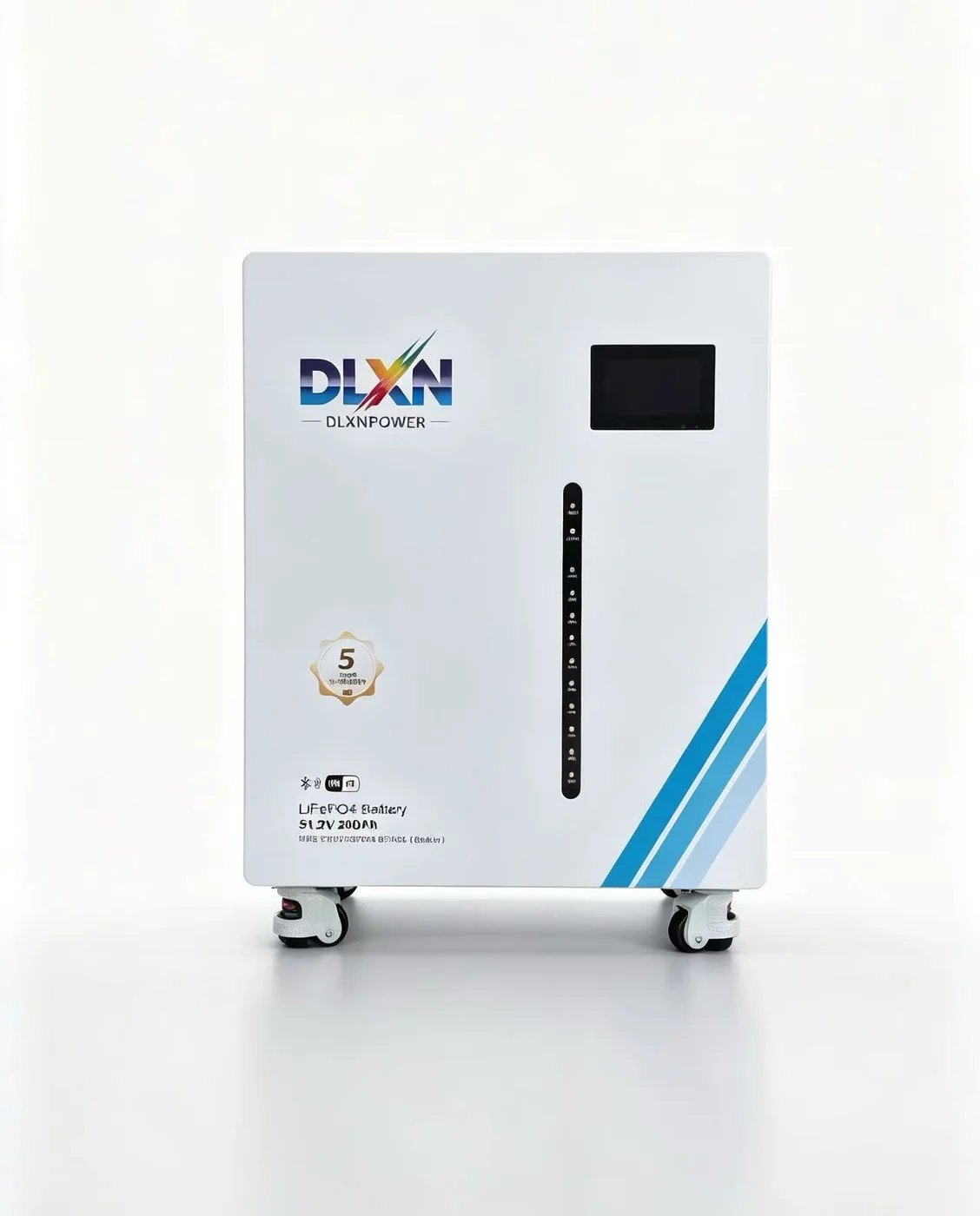
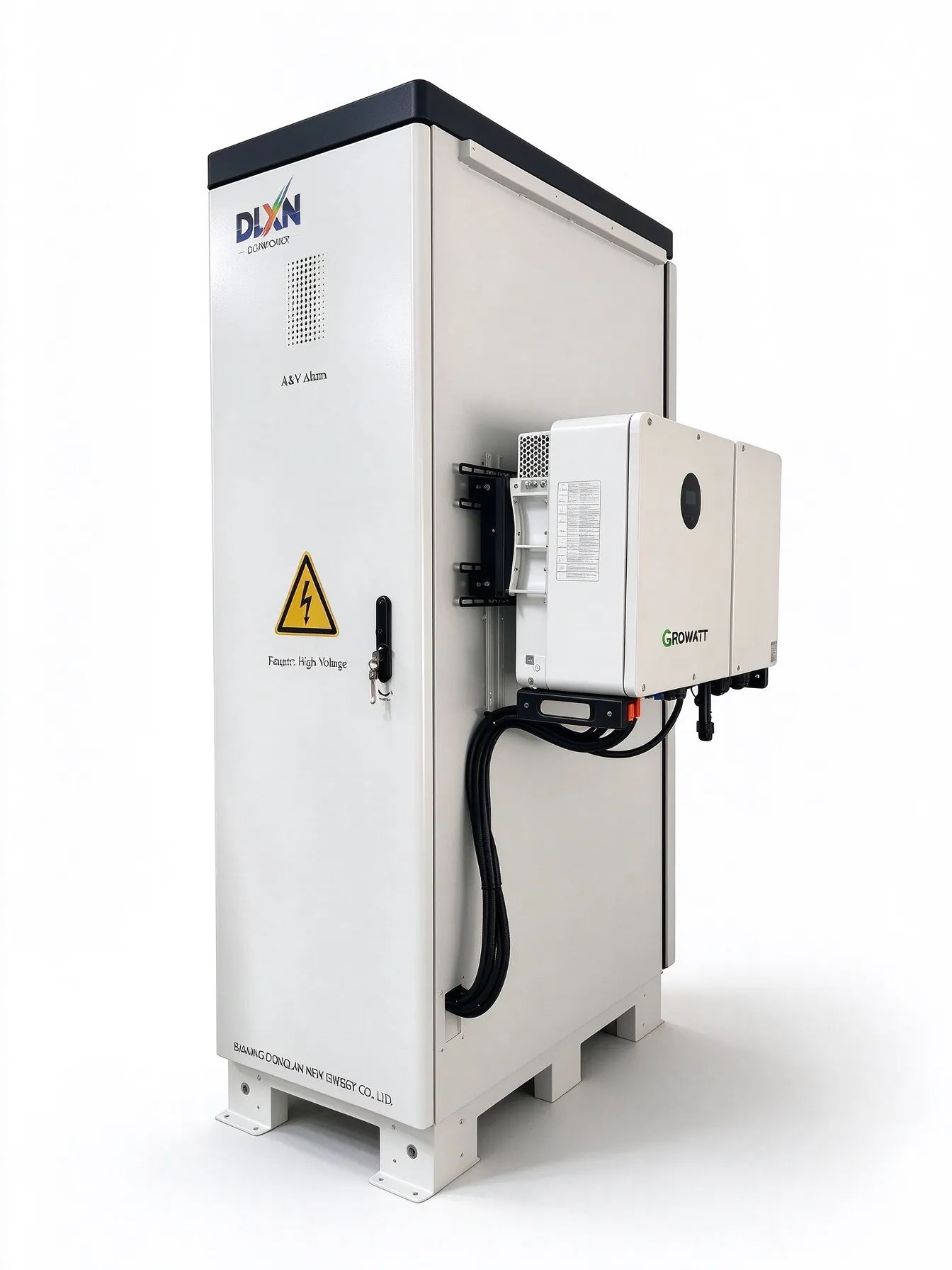
DLXN's rack-mounted LFP modules run at 51.2 V nominal and ship in 5.12 kWh to 15.36 kWh units, rated for 0.5C continuous charge and 1C continuous discharge, with 6,000 cycles to 80 percent state of health measured at 25°C and 0.5C. A 215 kWh cabinet assembled from those modules occupies roughly 1.8 m² of floor and stands just over two metres tall, which matters in retrofit rooms where the door is 900 mm wide and the switchgear already owns the wall.
Here is how the three mainstream options compare on the parameters that actually drive a sizing calculation:
| Metric | Flooded lead-acid | LFP (DLXN rack) | NMC |
|---|---|---|---|
| Round-trip efficiency, system level | 75–82% | 92–95% | 90–94% |
| Usable depth of discharge | 50% | 90% | 90% |
| Cycles to 80% state of health | 600–1,200 | 6,000 | 3,000–4,000 |
| Continuous charge / discharge C-rate | 0.1C / 0.15C | 0.5C / 1C | 0.5C / 1C |
| Pack energy density (Wh/L) | ~90 | ~250 | ~350 |
| Thermal runaway onset, cell level | not applicable | ~250°C | ~150–200°C |
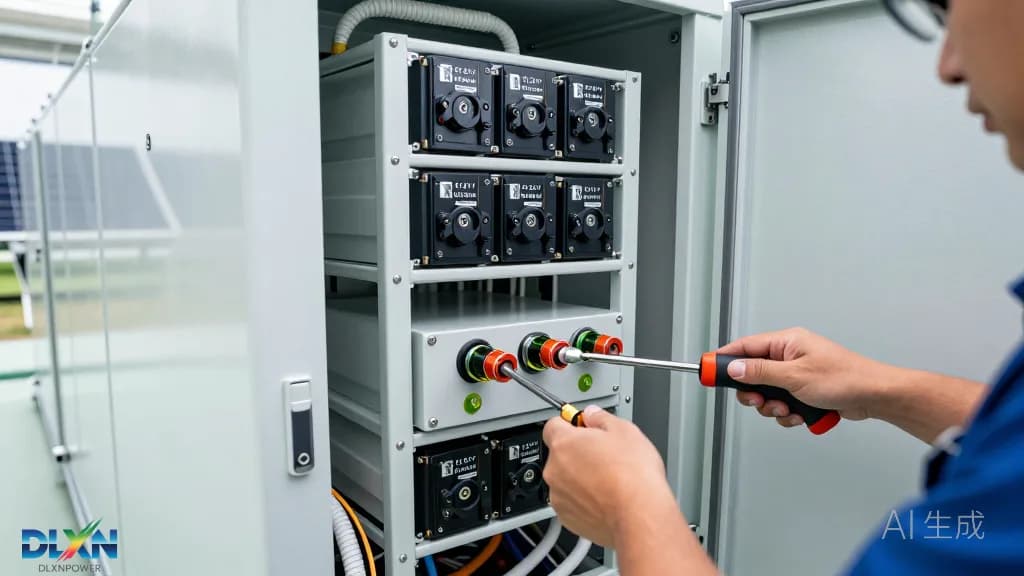
The chemistry comparison is only half of it. In our own QC line the failures we return are almost never the cells; they are terminal torque and busbar creep that show up within the first two hundred thermal cycles. A battery that arrives with a 95 percent round-trip certificate and a badly torqued terminal block will underperform a cheaper unit that was installed properly. IEC 62619:2022 covers the cell and system safety testing, and UL 9540A governs the thermal runaway propagation testing that insurers now ask for by name, but neither standard inspects the torque wrench on site.
A representative retrofit: 180 kWp and 215 kWh in Naivasha
Picture a flower-packing facility near Naivasha, Kenya: 180 kWp of rooftop PV across the packhouse and cold-room roofs, a 215 kWh LFP cabinet coupled on the AC side through an existing 250 kVA transformer, commissioned in February 2026 as a representative configuration rather than a named customer project. The cold rooms run around the clock; the grid drops often enough that the site already burned diesel every week.
The design logic transfers to almost any agro-processing or light-industrial site. Midday PV surplus that would otherwise be exported at a low feed-in rate charges the bank instead, and the bank discharges into the evening pull between 18:00 and 22:00, when the cold rooms and the packing lines overlap. Measured against the pre-retrofit baseline, the site shifts roughly 320 kWh a day out of the evening peak and cuts generator hours by more than half during the long rains, when irradiation dips for days at a time.
Scale is what makes it work. Below about 30 kWh of usable storage, the fixed costs of switchgear, protection and commissioning dominate the business case. Our [project archive](/projects) shows the same pattern repeatedly: the retrofit economics turn positive when the daily cycled energy is large enough to amortise the balance-of-system over a five-year horizon.
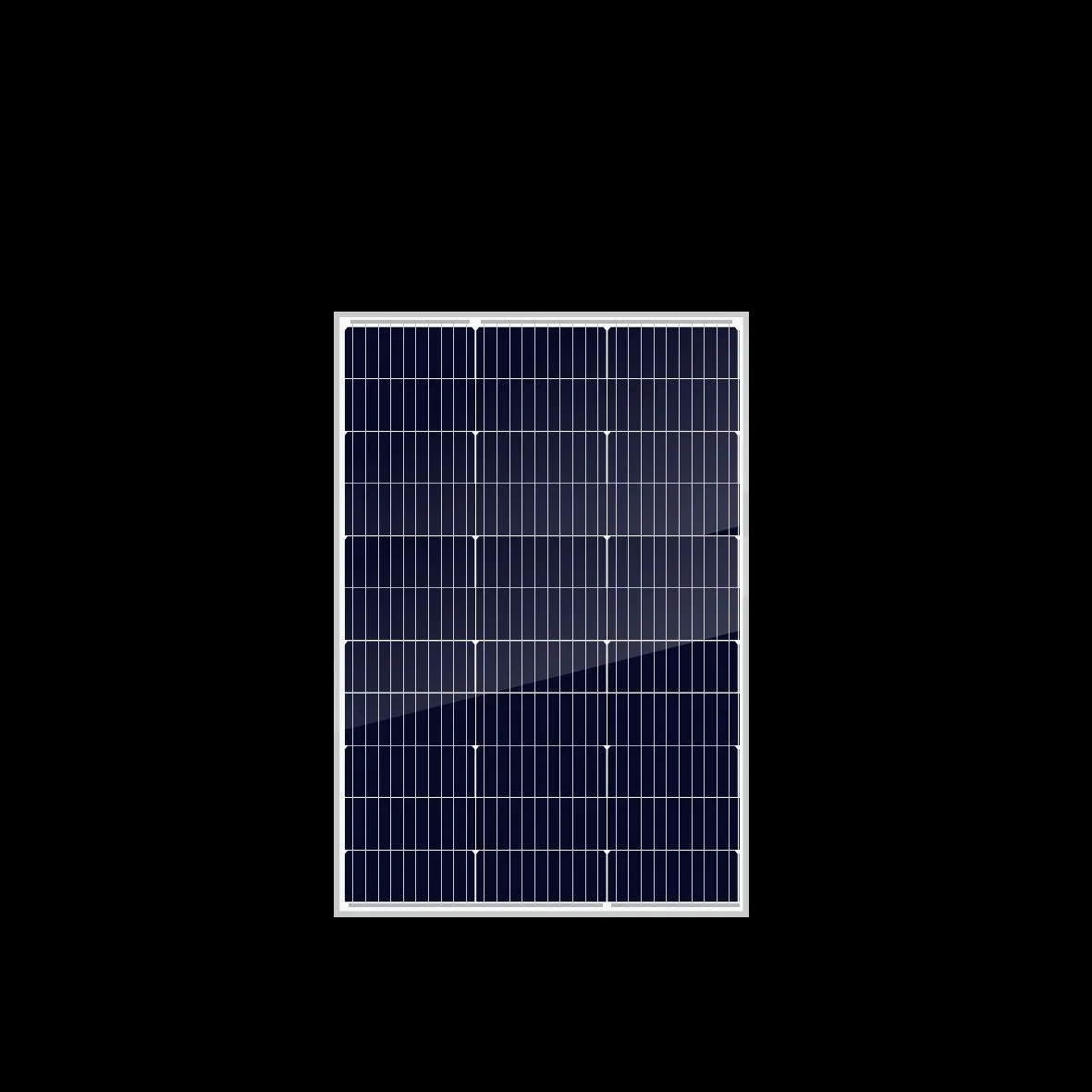
The panel selection matters less than most buyers expect. Once the battery is absorbing midday surplus rather than the grid, the array can be oversized slightly against the inverter without wasting the clipped energy, so a standard 550 W to 620 W [monocrystalline module](/products/solar-panels) string is adequate. What changes is the DC/AC ratio you can justify.
When a battery is the wrong purchase
There is a clean test: does stored energy earn more than exported energy, and does the site actually lose power often enough to care?
In a market with full net metering at retail rates and a grid that stays up, a battery destroys value. The kilowatt-hour you cycle through a bank arrives back at the load at 92 percent, while the same kilowatt-hour exported to the meter is credited at 100 percent. No amount of LiFePO4 cycle life fixes that ratio. We have talked more than one commercial client out of a storage cabinet for exactly this reason, and pointed them at array expansion instead.
The second wrong fit is deep autonomy in a cold climate. A remote site needing three days of backup at -15°C will pay a heavy premium for lithium capacity it can never fully charge, because charging must be blocked below freezing. A generator hybrid or a smaller LFP bank with a properly sized genset beats a large lithium bank on capital cost every time in that scenario. Cold-weather capacity loss is real: an LFP pack delivers noticeably less usable energy at -10°C, and a design that ignores the temperature derating will fail its first winter commissioning test. The full trade-off is set out in our [battery storage technical notes](/tech/battery-storage).
Sizing rules that survive commissioning
- Size on usable kilowatt-hours and divide by 0.9, not by 1.0. Nameplate capacity is not dispatchable capacity.
- Keep daily cycling at or below 0.5C. Reserve 1C discharge for peak shaving measured in minutes, not hours.
- Derate for ambient temperature at both ends of the range, and specify a low-temperature charge cut-off explicitly in the BMS configuration.
- Commission with a timed round-trip test at 0.5C, logged, and repeat it at month twelve. The warranty argument is much easier with two data points.
- Leave 20 percent headroom on the DC bus for array expansion, because almost every client adds panels before they add batteries.
The questions to settle before you sign
Three answers decide the specification: the daily cycled energy in kilowatt-hours, the tariff spread between import and export, and the ambient temperature of the room the cabinet will live in. Get those three, and the [lithium battery range](/products/lithium-battery) narrows to one or two models within a few minutes.
Warranty structure deserves the same scrutiny as capacity. A ten-year term that caps total throughput at 6,000 cycles is a different product from a ten-year term with no throughput cap, and the difference shows up in year eight when the site is running two cycles a day instead of one. Ask for the cycle count and the temperature basis in writing.
If you are weighing a retrofit against a greenfield design, our engineering team will run the numbers on your load profile before anything is quoted. Start with a [conversation about the site](/contact) rather than a product list.
References: [BloombergNEF clean energy research](https://about.bnef.com/insights/clean-energy/)