The chemistry argument is over; the architecture argument is not
Stationary storage procurement stopped being a chemistry debate somewhere around 2023. BloombergNEF's Global Energy Storage Outlook 2025 has consistently shown LFP taking the overwhelming majority of new stationary installations, and the IEA Batteries and Secure Energy Transitions report (2024) frames the same shift from the grid side: cost per kWh of installed storage fell sharply through the early 2020s, driven mostly by LFP cell manufacturing scale in China rather than by any breakthrough in materials science.
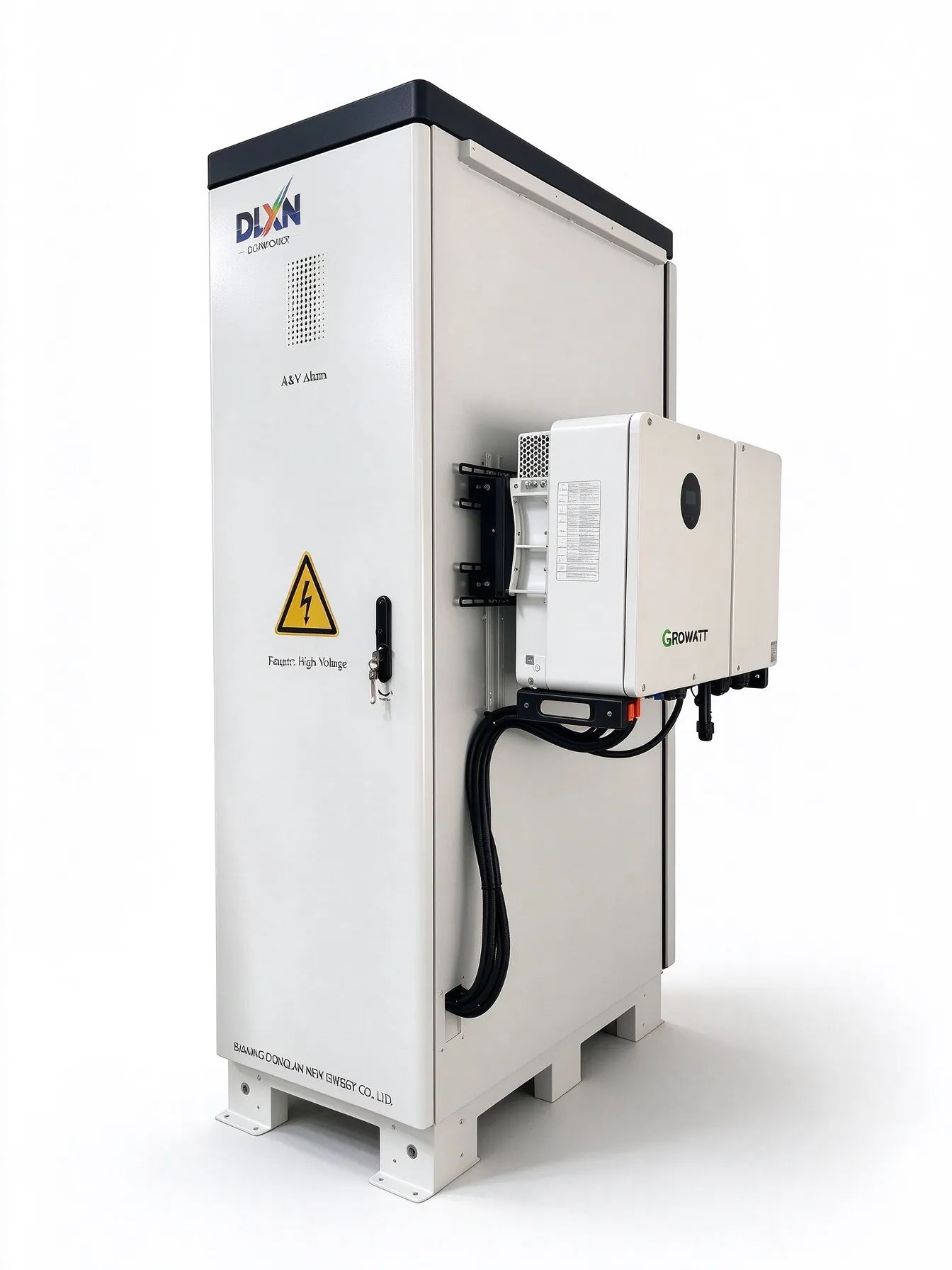
What changed in 2025 is the unit of competition. Cell makers moved from 280 Ah prismatic cells to 314 Ah and then to 500 Ah-plus formats, and system integrators responded by pushing 20-foot containerised DC blocks from roughly 3.7 MWh toward 5 MWh and beyond at the same footprint. For a rooftop solar owner buying 30 kWh this is background noise. For anyone specifying a megawatt-scale plant it changes civil works, fire separation distances and the number of combiner cabinets on site.
Cobalt exposure did the rest. NMC remains a defensible choice where volumetric energy density or cold-weather charging dominates, but for a solar plant that cycles once a day and sits on concrete, paying for nickel and cobalt density you never use is an expensive habit.
Pack-level numbers that decide the deal
Cell chemistry claims are cheap. Here is the comparison that actually drives a solar project business case, drawn from typical manufacturer datasheets rather than best-case lab figures.
| Parameter | Flooded lead-acid | NMC (ternary) | LFP |
|---|---|---|---|
| Nominal cell voltage | 2.0 V | 3.6–3.7 V | 3.2 V |
| Cycle life at 80% DoD | 500–800 | 2,000–4,000 | 4,000–8,000 |
| Usable depth of discharge | ~50% | 90% | 90–95% |
| Round-trip efficiency (pack) | 70–80% | 92–96% | 90–95% |
| Gravimetric density | 30–40 Wh/kg | 150–220 Wh/kg | 90–140 Wh/kg |
| Thermal runaway onset | not applicable | ~150 °C | ~250–270 °C |
The depth-of-discharge row is the one people misread. A 100 kWh lead-acid bank that can only safely give up half its nameplate is a 50 kWh asset with a 100 kWh price tag and a five-year replacement cycle, which is why the levelised cost comparison usually ends badly for lead even when the sticker price looks friendly.
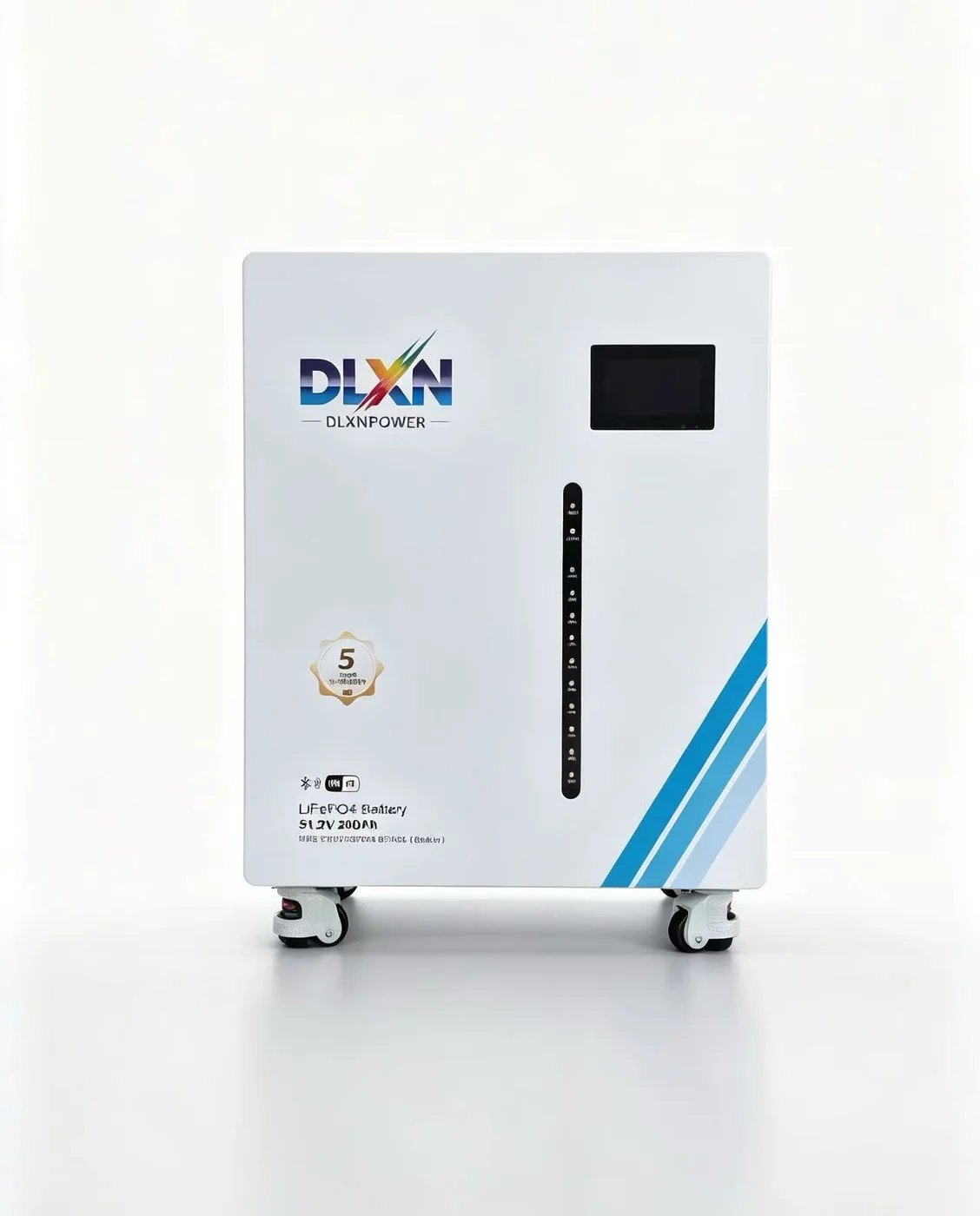
In our own rack-mounted range, the standard module is a 51.2 V, 100 Ah unit rated at 5.12 kWh, with 0.5C continuous charge and discharge, a 6,000-cycle nameplate at 80% depth of discharge and roughly 95% round-trip efficiency at 0.2C. Those are the figures we publish on the [lithium battery](/products/lithium-battery) datasheets, and they are the figures a system designer should design to, not to the cell supplier's press release.
Terminals, torque and the three percent nobody budgets for
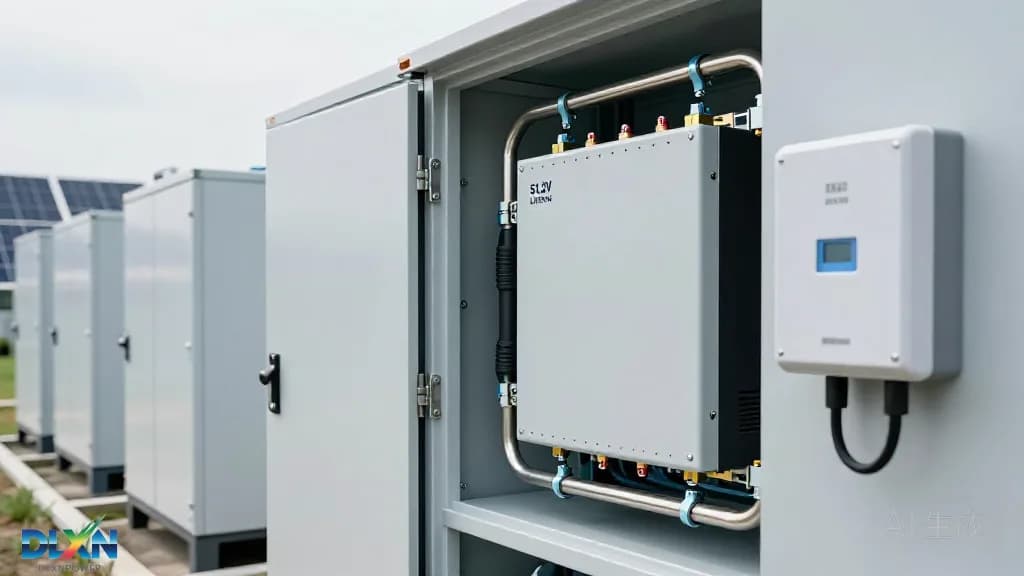
Balance of system is where LFP projects quietly fail. In our own QC line the failures we see are almost never the cells, they are terminals and torque: a busbar bolted to 8 Nm when the spec says 12, a nickel-plated lug mated to an aluminium pad without anti-oxidant compound, a BMS harness chafed against a cabinet edge during transport.
Thermal design deserves the same scrutiny. LFP is more forgiving than NMC, but a cabinet packed at 0.45 m spacing in a 45 °C plant room will still derate, and the warranty conversation that follows is never pleasant. Ask for the derating curve, not the peak rating.
One more number worth checking: usable energy at the terminals after five years, not at commissioning. A pack that ships at 5.12 kWh and delivers 4.7 kWh after 2,000 cycles is fine. A pack that ships at 5.12 kWh and delivers 3.9 kWh is a warranty claim waiting for a hot summer.
A configuration from the field
A representative configuration we commissioned in September 2025 in Dak Lak, Vietnam, pairs a 96 kWp rooftop array with 215 kWh of LFP DC storage and a 100 kW bidirectional inverter, serving a coffee-processing co-operative that runs sorting and drying loads through the afternoon peak and needs ride-through during the grid's frequent voltage sags. The battery is not there to go off-grid. It is there to shave the 16:00 to 20:00 demand block, absorb the midday surplus that the local feeder cannot accept, and keep the dryers from tripping mid-batch.
Payback in that configuration rests on three variables: the demand-charge structure, the allowable export limit, and how honestly the cycle count was modelled. We sized for 1.2 cycles per day and 320 operating days, which is conservative for a commercial load profile. The [battery storage](/tech/battery-storage) engineering note covers the sizing arithmetic if you want to reproduce it for a different tariff.
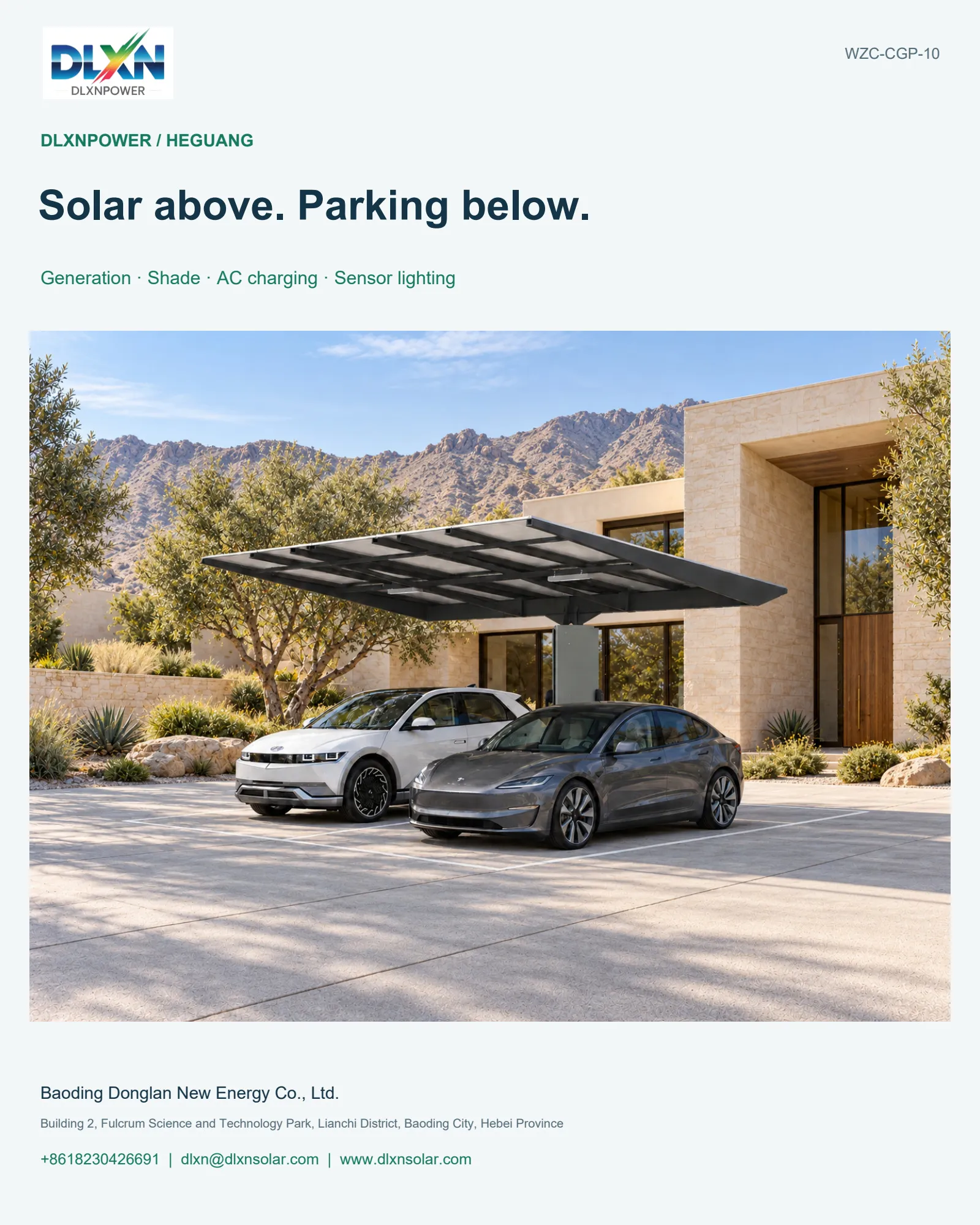
The [projects](/projects) archive has comparable installations across Southeast Asia and the Middle East, including carport-mounted systems where the structural design, not the battery, was the long pole.
Where LFP is the wrong purchase
Honesty here saves everyone a bad project.
- Sub-zero duty cycles without heating. Standard LFP cannot be charged below roughly 0 °C without risking lithium plating. If your site sees sustained winter nights below freezing and you cannot justify a heated enclosure, either specify a low-temperature variant with a proper heater and a BMS that enforces the charge cut-off, or look elsewhere.
- Volume- or weight-constrained retrofits. A lift-served rooftop plant room with a 400 kg/m² structural limit is not an LFP room. NMC or a distributed micro-inverter architecture may be the only feasible answer.
- Genuine float service. A telecom site that discharges 20 times a year for backup does not need 6,000 cycles. You are buying cycle life you will never consume, and a well-specified lead-carbon or even a smaller LFP bank may beat the oversized one on capital cost.
- Short-horizon projects. If the site has a two-year lease remaining, the residual value argument for a 15-year pack collapses regardless of chemistry.
The wrong-choice pattern is rarely the chemistry itself. It is a designer applying a utility-scale template to a 40 kWh commercial job.
What to ask before you sign
Six questions separate a real supplier from a trading company with a logo.
1. Ask for the cycle-life test conditions: C-rate, depth of discharge, ambient temperature, and whether the figure is to 80% or 70% of beginning-of-life capacity.
2. Ask for the BMS cell-level balancing scheme and the firmware update path. A pack with no field-updatable firmware is a pack with a fixed expiry date.
3. Ask for the derating curve at your site's maximum ambient temperature.
4. Ask what the warranty excludes. Voids for "improper torque" are common and enforceable, so get the torque spec in writing at handover.
5. Ask for a factory acceptance test report with per-module capacity, not a single certificate of conformity.
6. Ask who attends site if a module underperforms in year three.
Pair the battery with modules whose degradation curve matches it. A 6,000-cycle pack behind [solar panels](/products/solar-panels) rated to 0.45% annual degradation will outlive the array by a comfortable margin, which is the correct outcome: you want the battery to be the last thing you replace, not the first.
For a project moving into procurement this quarter, the decision that matters most is not which cell format wins the next trade show. It is whether the specification you issue contains the derating curve, the torque values and the cycle-life test conditions. Send us the load profile and the tariff structure through [contact](/contact) and we will tell you honestly whether LFP is the right answer for that site, including when it is not.
References: [BloombergNEF clean energy research](https://about.bnef.com/insights/clean-energy/)