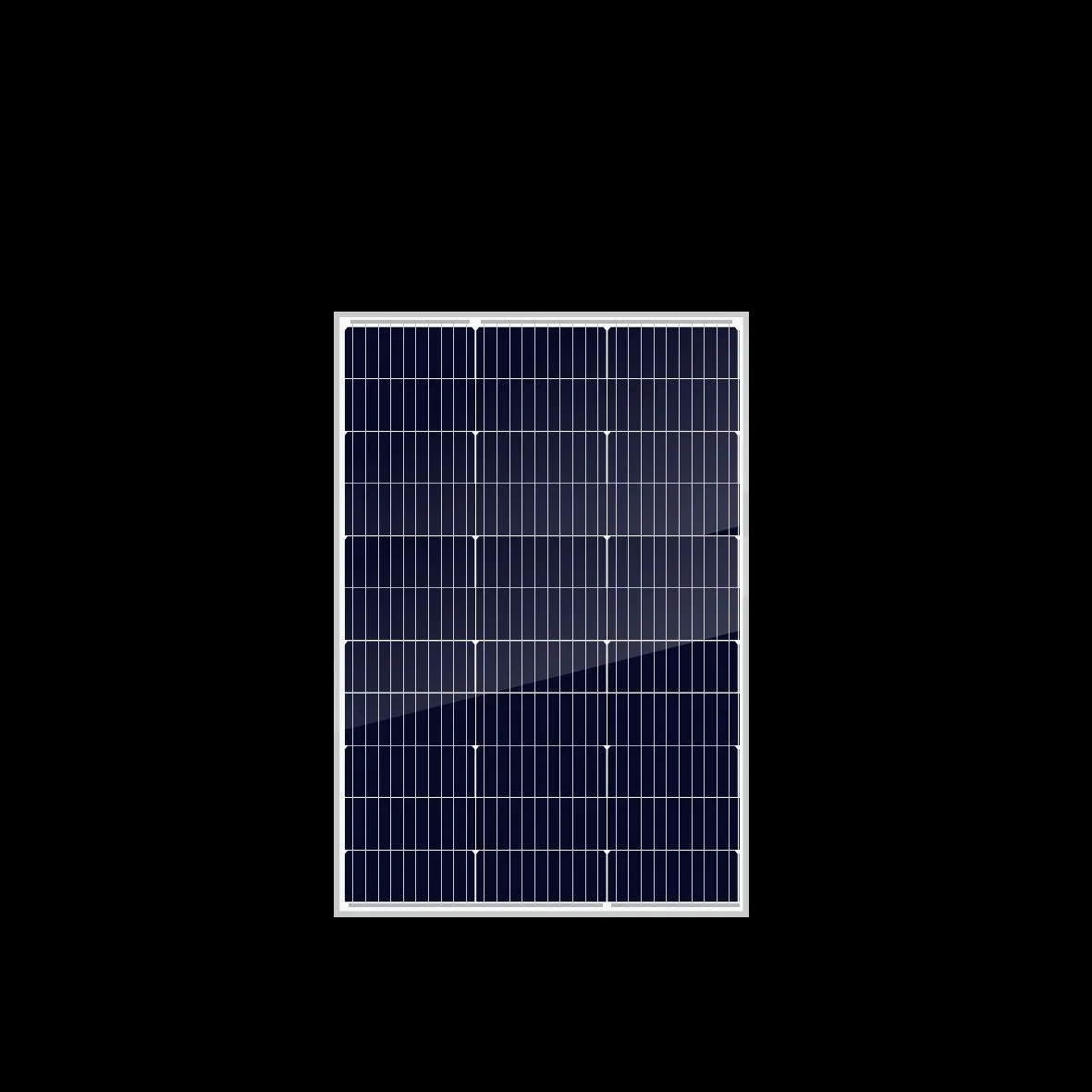
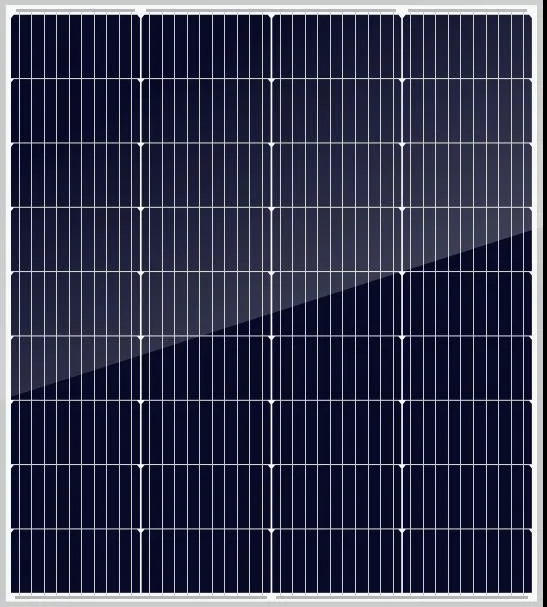
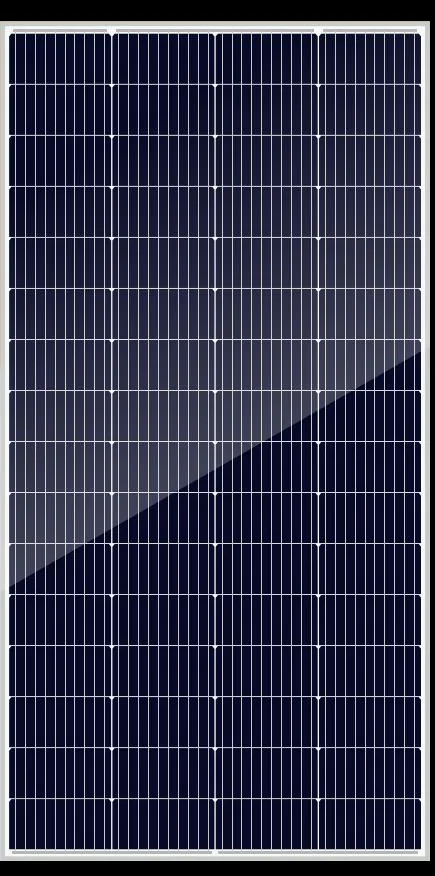
Most buyers open with "what is your MOQ" and get an answer that means nothing, because MOQ is not a number a factory owns. It moves with how much you change. The same line will quote 50 pieces for a silkscreen change and 500 for a non-standard cut-out.
Here is how the tiers actually work, where the costs come from, and the one thing that quietly kills margins on custom modules: certification ownership.
MOQ follows the change, not the factory
| What you change | Typical MOQ | Why |
|---|---|---|
| Silkscreen, nameplate, frame colour, junction box position | 50–100 pcs | Nothing in the bill of materials changes |
| Module size or voltage, using an existing cell layout | 100–200 pcs | Glass must be cut and tempered separately; lamination run has to be filled |
| Irregular shape, cut-outs, new frame or new mould | 300–500 pcs | Tempering furnace loads by size; tooling cost has to be absorbed |
| Tier-one lines (LONGi, Jinko, Trina class) | 500–1,000 pcs | Changeover cost is too high for small runs |
None of these numbers are fixed. A factory whose main business is street-light and off-grid modules will go lower than one running utility-size lines. Peak season pushes every tier up.
So ask three things together: the MOQ at this price, whether a sample run is possible, and whether the sampling fee is credited against the order.
Where the MOQ number comes from
Four physical constraints, and knowing them is what makes the negotiation useful.
Glass. Module glass is cut to size and tempered. A tempering furnace loads by batch, so a small sheet and a large sheet occupy different fractions of a load. Too few pieces means either running a dedicated batch (expensive) or waiting to combine with another order (unpredictable lead time).
Cells. Full cells cannot be cut at will. Cutting means redoing the bypass and string configuration, and laser cutting adds edge loss and micro-crack risk. Half-cut and third-cut cells are workable, full-cell layouts are not.
Lamination. The laminator table is a fixed size. Small modules means fewer per cycle, which is wasted capacity.
Test and EL. Every module goes through flash test and electroluminescence inspection. Those two stations set the marginal cost of a small run.
This is why the effective way to lower MOQ is not to argue about quantity. It is to keep the existing glass size, keep the existing cell layout, or restrict changes to print and frame.
Sampling: cost, lead time, and the credit question
- Quantity: 1–5 pieces. Two is the practical number, one for the buyer and one retained by the factory.
- Cost: roughly USD 70–300 per piece depending on size and changes, covering the small tooling and a dedicated run.
- Lead time: 7–10 working days including material procurement.
- Credit against the bulk order: usually yes, but it has to appear in the PI. Verbal agreement is not an agreement.
What to verify on the sample is not cosmetics. Check Pmax, Vmp, Imp and Voc against the charge controller or inverter you intend to pair with. A sample that looks right and reads 34 V instead of 36 V wastes six weeks.
Certification is where custom orders quietly bleed money
IEC 61215 and IEC 61730 certificates are issued per model, per manufacturing site. That has consequences most buyers discover too late:
- Silkscreen, frame colour, nameplate: same model, certificate stands.
- Size change, power change, glass-to-glass instead of glass-backsheet: new model, the certificate does not cover it.
- Moving production to another plant: certificate has to follow the site.
For a custom module going into a market with conformity requirements, that means a fresh test campaign: typically USD 4,000–12,000 and 2–3 months at a TÜV or CSA lab.
Three questions decide who pays and who owns the result:
| Question | Why it matters |
|---|---|
| Who pays for the test | On OEM orders the buyer usually does, sometimes split |
| Whose name is on the certificate | Factory's name means it dies when you switch suppliers; your name means you can carry it to another plant |
| Do you receive the full test report | A certificate front page is not a report |
I have seen a buyer pay for a full test campaign, take the certificate in the factory's name, change suppliers a year later and start from zero.
Lead time and the real reason custom costs more
Sampling 7–10 days, custom production 20–30 days, plus 2–3 months if a new certification is required.
Custom modules cost more per watt, and the premium is explainable: glass cutting loss, lamination run inefficiency, certification amortised over a small volume. 15–25% above the standard-module price on a 100-piece order is normal. A quote that matches standard pricing either is not custom, or the cells and encapsulant have been downgraded.
Seven questions to send before you ask for a price
- For this size and voltage, do you use existing glass and cell layouts, or is new tooling needed?
- What is the MOQ for that change, and does it move in peak season?
- Sample quantity, cost, lead time, and is the fee credited?
- Does your IEC certificate still cover the changed size? If not, what does the test cost, who pays, whose name goes on it?
- Which cell supplier and which grade? Can we specify?
- Can you supply EL images and flash-test data per serial number for this batch?
- Is packaging (pallet or crate) included in the FOB price?
A trading company will stall on questions 1 and 4, because both require the factory's answer.
Traps worth naming
Quoting a silkscreen-change price and delivering a size change, with the difference added at shipment.
Custom modules are not returnable. Once the drawing is confirmed, the goods cannot be resold, so the drawing confirmation step should be slow.
Comparing unit price instead of landed FOB cost. Crating, pallets, inland freight and customs clearance can exceed the per-watt difference.
Using a "series certificate" to cover a structurally different model. Series certificates cover power bins within one construction; a different construction is a different model, and destination customs will ask.
Donglan runs 20–650 W custom and OEM work from Baoding, Hebei, with in-house lamination and test stations and EL data retained per serial. If a project needs UL certification for North America or a module size beyond our tooling, we say so rather than quoting and hoping.