The failure mode in solar OEM sourcing is rarely price. It is contracting the wrong counterparty: you sign with a trading company, production happens at a third plant, and when a container arrives with delaminated modules both sides point at each other. By then you have a PI and nothing else, and no way to trace the batch.
What follows is the order in which to verify a supplier, ending with the clauses that belong in the agreement and the four things a quote should reveal.
OEM and ODM are not the same commitment
| OEM | ODM | |
|---|---|---|
| Who owns the design | You specify, the factory builds to it | Factory has an existing design, you brand it |
| Certification | Negotiable, often buyer-funded | Factory's certificate, borrowed |
| Freedom to change | High, but each change may trigger retesting | Low, anything beyond print needs re-evaluation |
| Exit cost | Drawings and process are yours, switching is feasible | Tied to the factory's platform, switching means redevelopment |
A lot of factories that advertise OEM actually offer ODM plus a nameplate. One probe separates them: describe a non-standard size and listen. "We have existing tooling, we can adjust" is relabelling. "We need to rework the cell layout and check how the glass cuts" is real custom work.
Three questions that tell you whether it is a factory
How many laminators do you run? Lamination is the bottleneck in module production. A trading company cannot answer this without checking.
How many EL inspection stations? Every module should pass electroluminescence. This is a standard station, not a spot check.
Can we do a video call at the stringer line right now? A factory says yes and walks over, or sends footage from today with a shift board visible. A middleman needs a few days.
None of these require technical background, and together they filter most of the noise.
Inspect five stations, not the showroom
The showroom is the least informative room in the building.
Stringer. Ribbon alignment, rework marks from cold joints, scrap rate log. A high scrap rate usually means weak cell binning upstream.
Laminator. Look for bubbles and delamination rework, and for a logged record of temperature, time and vacuum.
Framing and potting. Is the sealant bead continuous? Gaps and touch-ups are where moisture ingress starts.
EL. Ask for three randomly selected modules, not prepared samples. Look for micro-cracks, dark cells, broken fingers.
Flash test and binning. When was the reference module last calibrated? How fine are the power bins? Tighter bins mean better string matching.
Two things separate an organised plant from one that relies on individual diligence: an incoming material log (cell, glass, encapsulant batches) and a clearly marked non-conforming goods area.
Preventing the sample-to-bulk drift
This is the most frequent dispute in module trading. Three actions cover most of the risk.
Retain a gold sample. After sample approval, both sides keep one module, seal it, sign across the seal, and record Pmax, Vmp, Imp, Voc, Isc and cosmetic requirements. Bulk inspection is against this, not against memory.
Lock the batch. Name the cell brand, model and batch range in the contract. "Tier-one grade A cells" is not a specification; it permits any brand in that grade.
Require per-serial data. Flash-test reports and EL images keyed to serial numbers. If the factory can produce these, the data was measured. A single summary spreadsheet means the numbers were compiled.
Six clauses that belong in the OEM agreement
- Drawing and process ownership. Drawings, tooling and artwork you supply remain yours and cannot be used for other customers.
- Tooling cost and title. Who pays, who owns, and whether the tooling leaves with you if the relationship ends. Skip this and switching suppliers means paying for tooling twice.
- Exclusivity period. Your model is not supplied to competing buyers in the same region for 6–12 months. Most factories accept this for a defined term.
- Warranty split. Material defects to the factory, design defects to the buyer, transit damage per Incoterms. Define how a claim is adjudicated, not just who is "responsible for quality".
- Certification ownership. Whose name is on the certificate, whether the full report is delivered, and who bears the cost of later changes.
- Delay and exit. Penalty per week of delay (0.5–1% is typical), handling of a failed batch, and how committed material is settled if the relationship ends.
Four things a quote reveals
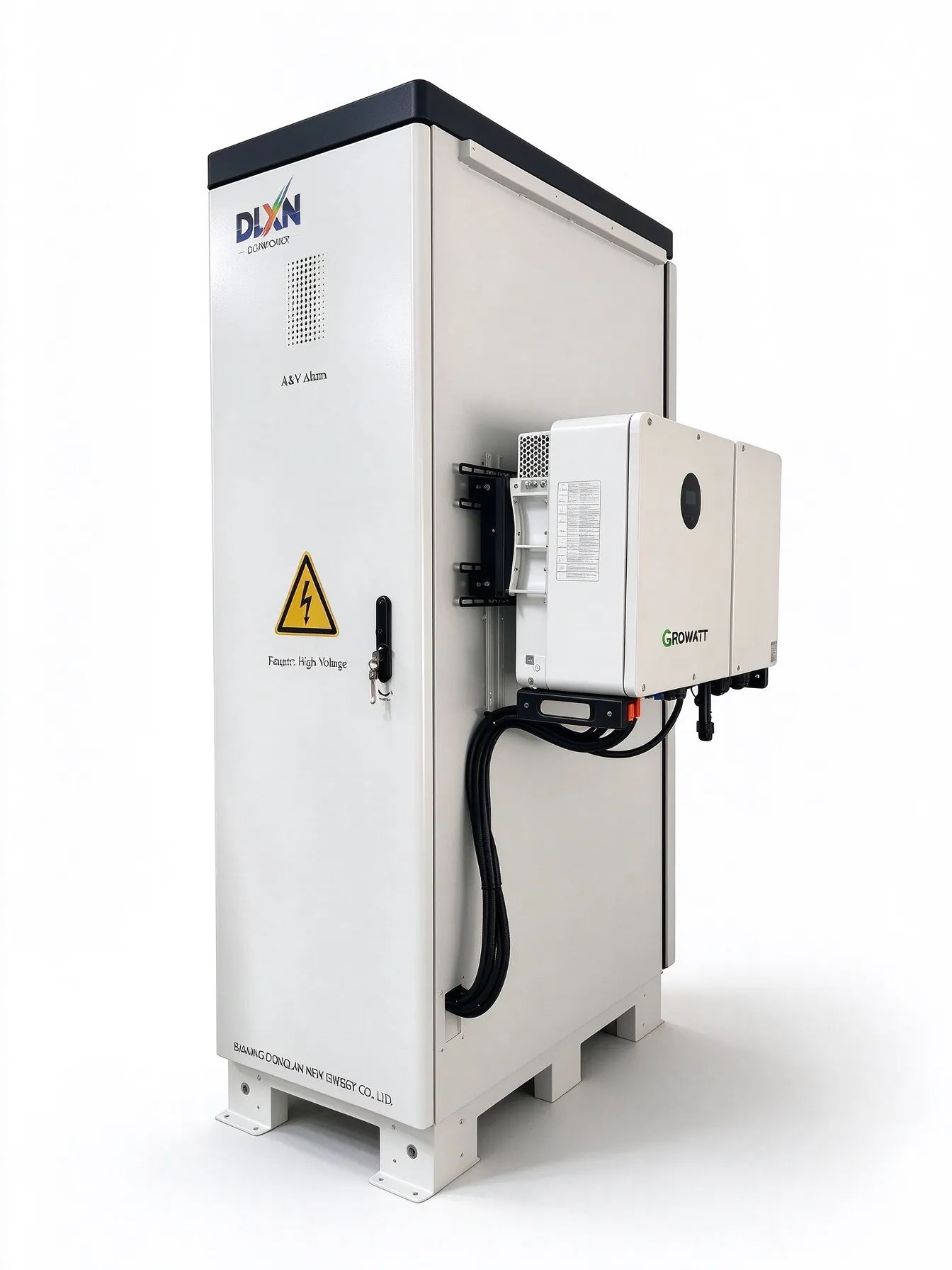
Packaging included or not. Cartons, pallets and crates differ substantially. A crated BESS cabinet can add several hundred dollars.
Inland freight and export clearance. FOB is a port price. Trucking from plant to port is usually billed separately.
Third-party inspection. SGS or BV fees, and who pays them.
Payment terms behind the unit price. 30/70 against a B/L copy and 100% advance are not the same price, and a quote should state which one it is.
I have seen an 8% cheaper quote end up more expensive once crating, trucking and inspection were added back.
Scenarios that repeat
"We manufacture for [major brand]." A supply relationship does not transfer warranty responsibility or line discipline. Ask who signs the warranty for this batch.
Good sample, drifting bulk. Usually in peak season. Gold sample plus batch locking plus first-article approval (photos of the first five modules before the run continues) is the countermeasure.
Certificate substitution. A series certificate used for a new construction, caught at destination when the conformity body asks for the test report behind it.
Delay after deposit. Production priority follows margin, and small orders get pushed. Put a delay penalty in the contract.
Send these seven points to a candidate factory as a checklist. Few answer all of them. The ones that do are worth a serious conversation.
Donglan is based in Baoding, Hebei. Custom 20–650 W modules and OEM production are the core business, with in-house lines and test stations, and EL and flash data available from the sample stage. Projects we cannot take, such as utility-scale formats or anything requiring UL for North America, we decline up front rather than quoting and hoping.