The price curve changed shape, not direction
Procurement teams arriving with a 2022 price sheet will find the market recalibrated. Between 2022 and 2024 lithium carbonate fell back from its spike and cell prices followed, pulling pack prices down faster than most forecasts had assumed. That slide has largely exhausted itself. What remains is a slower, manufacturing-driven decline of a few percent a year, punctuated by policy shocks that can move landed cost more than a year of process improvement.
The IEA's Batteries and Secure Energy Transitions report (2024) described a market in which battery pack prices had already fallen by roughly 90% since 2010. BloombergNEF's Global Energy Storage Outlook 2025 makes a related point from the demand side: stationary storage additions are expected to multiply through the end of the decade, but that growth is being driven by grid mandates, renewable curtailment and capacity auctions rather than by another round of cell price collapses.
Two policy events complicate the arithmetic. US Section 301 tariffs on non-EV lithium-ion batteries rise to 25% from January 2026, which changes the landed cost of Chinese cells on American projects and pushes developers toward domestic or allied assembly. In Europe, carbon-footprint declarations and the battery passport under the EU Battery Regulation phase in across the same window, adding documentation burden that favours suppliers with traceable supply chains over the lowest bidder.
LFP has locked in the stationary market
Chemistry competition is effectively settled where the pack sits on the ground. LFP won because cycle life and thermal stability matter more than gravimetric density when weight is not the constraint.
| Chemistry | Cycles to 80% SoH (80% DoD) | System round-trip efficiency | Cell energy density | Where it wins |
|---|---|---|---|---|
| LFP | 4,000–8,000 | 88–92% | 140–180 Wh/kg | Daily cycling, C&I, grid-scale |
| NMC | 2,000–4,000 | 86–90% | 200–250 Wh/kg | Space-constrained, mobile |
| Sodium-ion | 2,000–4,000 | 82–88% | 100–160 Wh/kg | Cold climates, cost-sensitive |
| Lead-carbon | 1,000–1,500 (50% DoD) | 78–85% | 35–45 Wh/kg | Infrequent standby |
NMC keeps a genuine niche where floor area is scarce or the pack has to move, but it is no longer the default in commercial and industrial cabinets. Sodium-ion is the one to watch, and 2026 is the first year it appears in real tenders rather than pilot announcements. Its strongest card is not price, it is usable capacity at minus 20°C, where LFP needs heating and loses effective range.
Datasheet numbers that decide the outcome
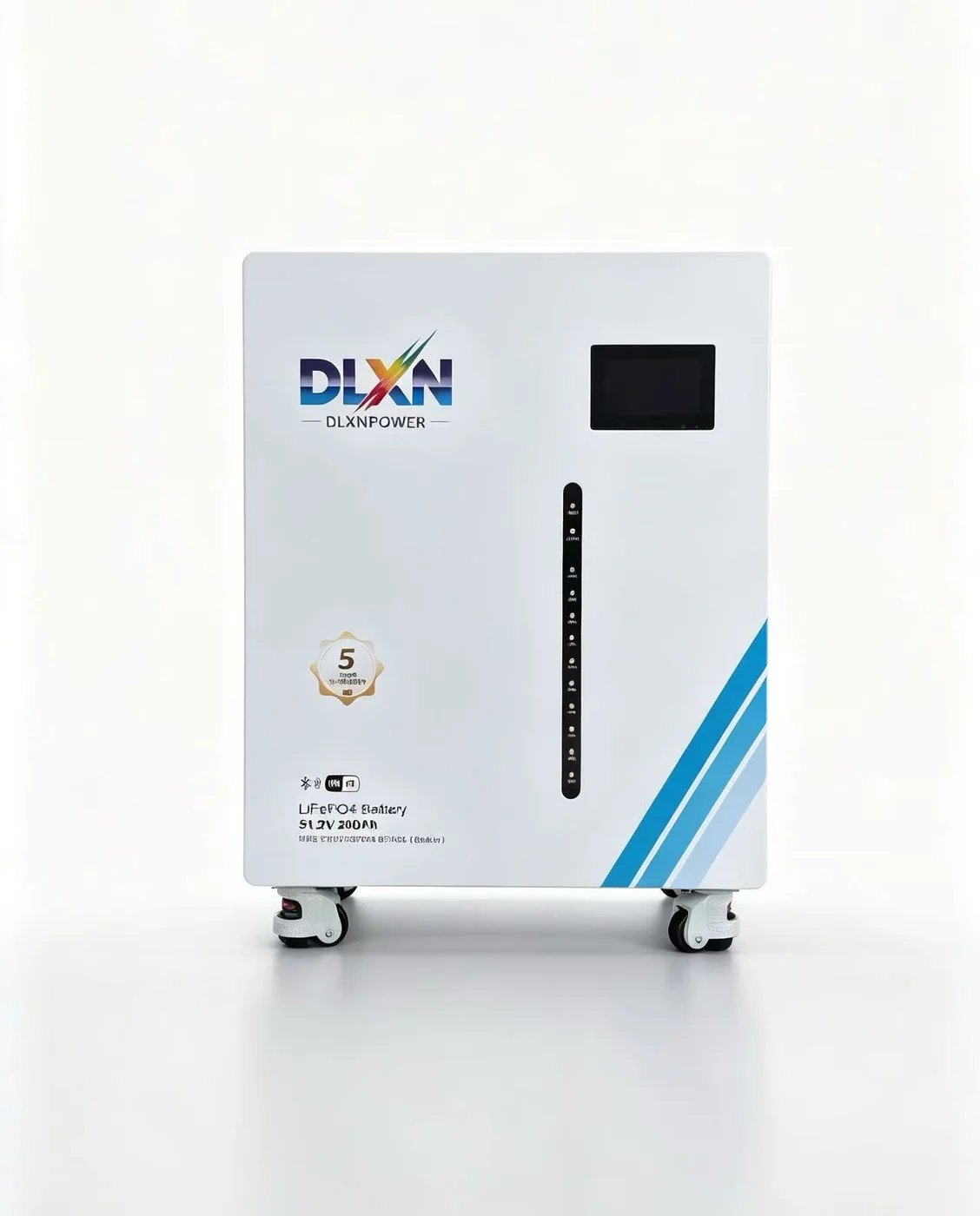
For our [lithium battery systems](/products/lithium-battery), a rack module runs 51.2 V nominal at 100 Ah, 5.12 kWh per unit, with a continuous charge and discharge rating of 0.5C and a published cycle life of 6,000 cycles to 80% state of health at 25°C and 80% depth of discharge. Those four figures, not the headline dollars per kilowatt-hour, set the lifetime economics of a project. A pack quoted at a lower price with a 0.3C continuous rating will either be oversized or will run hot and age early, and neither outcome shows up in the purchase order.
System-level efficiency deserves the same scrutiny. Cell-level round-trip efficiency above 95% is routine; measured at the cabinet terminals through a bidirectional inverter, a realistic figure is 88–92%, and the gap widens in part-load operation. Anyone modelling arbitrage revenue on cell-level numbers is overstating income by several percent a year.
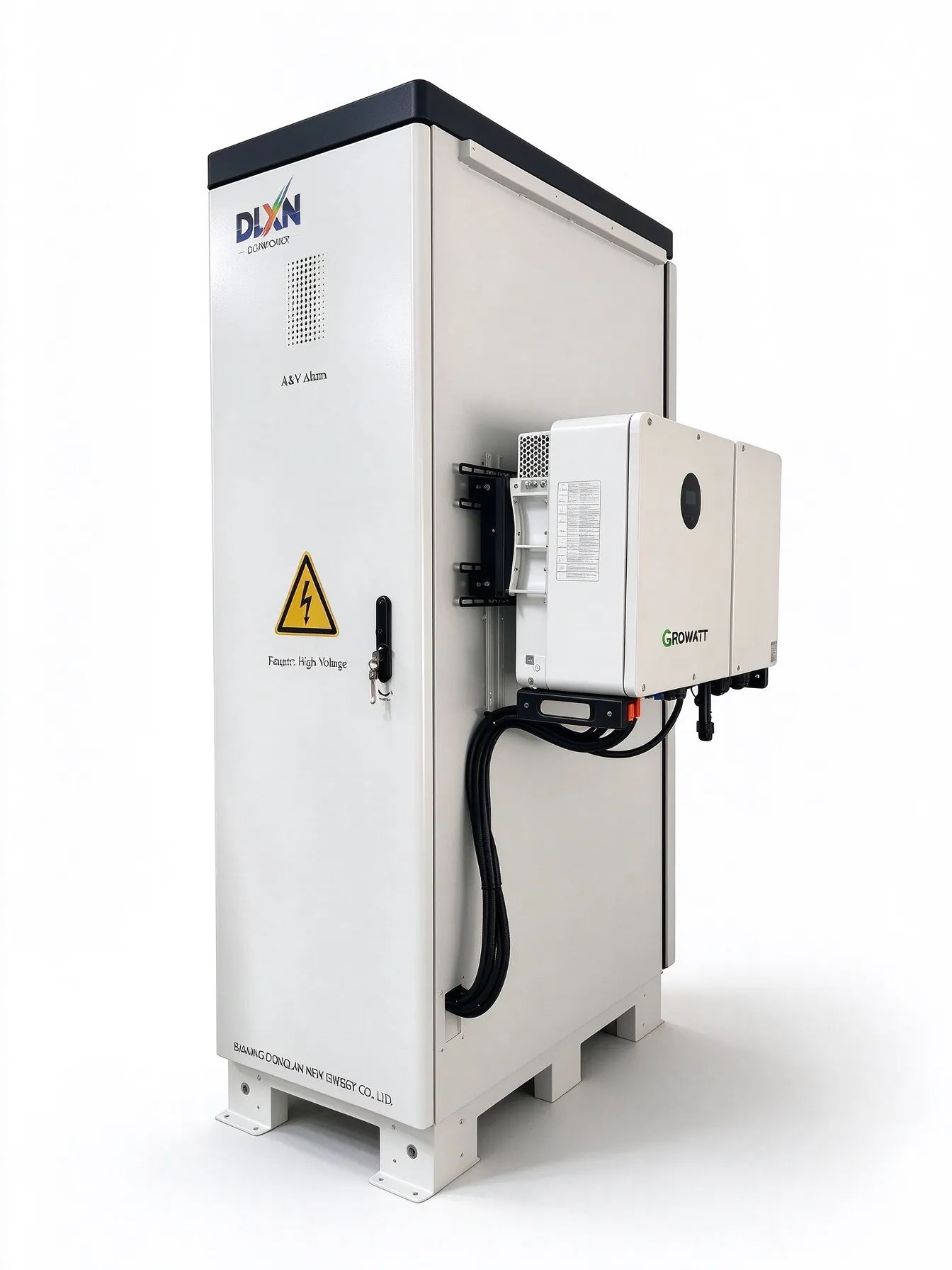
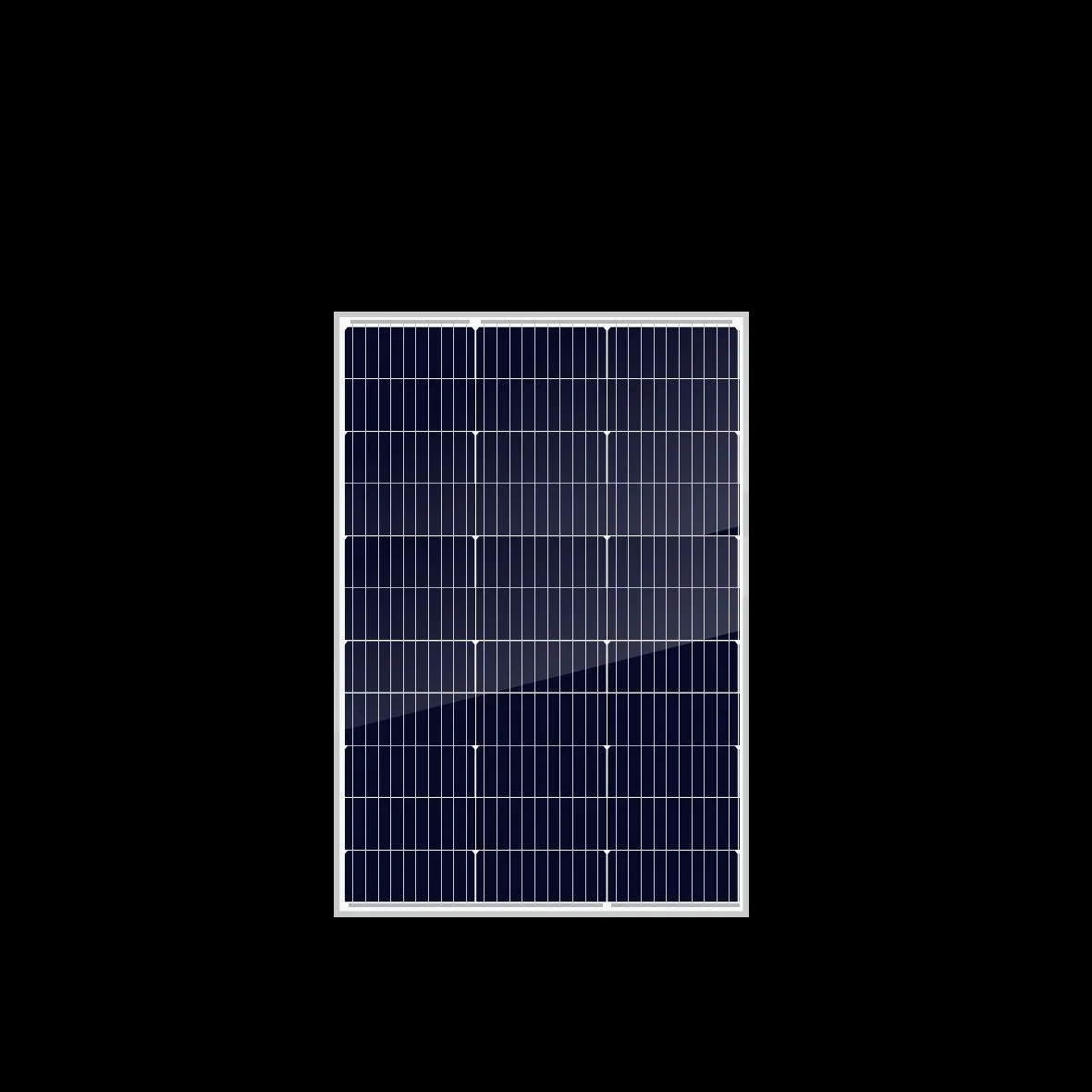
A representative configuration we would point to for a mid-size commercial site: a 300 kWh LFP cabinet retrofitted to an existing 250 kWp rooftop array at a plastics injection-moulding plant in Bình Dương, Vietnam, commissioned in November 2025, cycling once daily against a time-of-use tariff with a demand-charge ceiling. The array itself is ordinary [solar panel](/products/solar-panels) stock; the value sits in the dispatch logic and the C-rate headroom.
Where lithium is the wrong answer
Standby-only sites. A telecom tower or a substation trip circuit that discharges four times a year does not need 6,000 cycles, and paying for them is capital burnt on a capability nobody will use. Lead-carbon or a properly sized AGM bank wins on first cost there, and the lower round-trip efficiency barely registers at that duty.
High-power, short-duration duty is the second mismatch. A ten-second ride-through at 4C is a supercapacitor or LTO problem; forcing an LFP cabinet into it means oversizing the pack by a factor of four or accepting accelerated degradation.
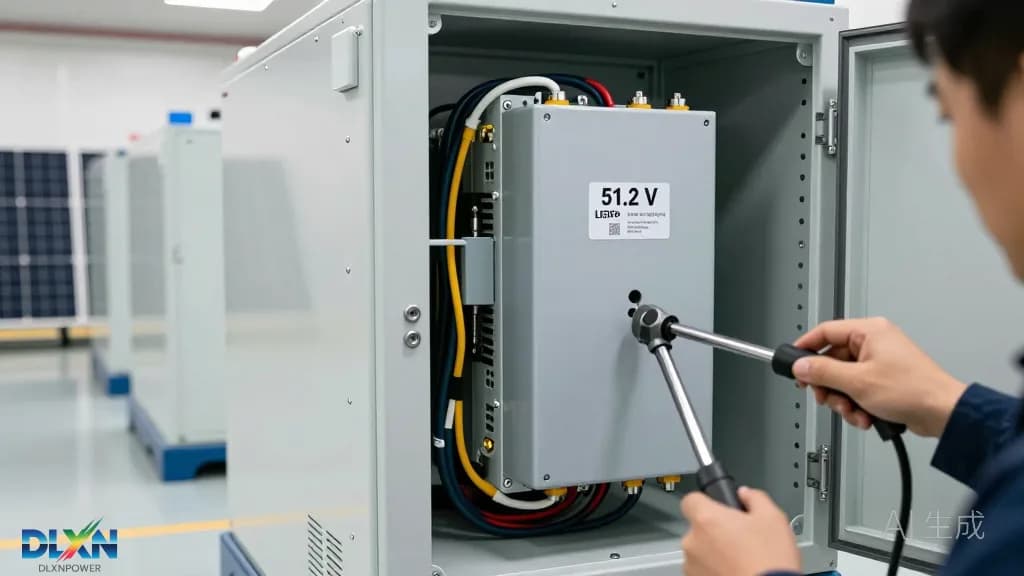
Cold climates carry a third trap. LFP must not be charged below 0°C, so an unheated outdoor cabinet needs either a heater mat drawing parasitic load all winter or a BMS that blocks charging and leaves the array curtailed on the sunniest cold mornings. On our own pack assembly line, the returns we chase are almost never failed cells; they are terminal torque, busbar plating and a BMS that was never calibrated against the real load profile. Buyers spend their diligence on the chemistry and their losses on the connections.
What to put in the 2026 specification
- Cycle life stated with the test conditions attached: temperature, depth of discharge and end-of-life threshold.
- Continuous C-rate in both directions, plus the peak rating and its duration limit.
- Round-trip efficiency measured at the cabinet terminals, not the cell.
- A thermal management description that names the operating ambient range and the heating or cooling power draw.
- A declared cell origin and, for European projects, the carbon-footprint documentation to support the passport regime.
Sizing, chemistry and warranty all follow from the load profile, so build that first and let the market trends inform the margin rather than the decision. Our [battery storage engineering notes](/tech/battery-storage) walk through the modelling assumptions; for site-specific sizing on a live project, the [delivered project references](/projects) and a short [technical conversation](/contact) will save more money than waiting for the next cell price movement.