Solar street lights rarely fail at the lamp head. They fail at year three, when a batch of batteries swells or a controller board corrodes, and the failure pattern has nothing to do with how bright the light looked on commissioning day.
That is the first thing to understand when evaluating suppliers: the specification that matters is the one about heat, battery placement and serviceability, not the lumen number on the brochure.
Start with illuminance, not wattage
Road lighting has targets. Typical values used in municipal specifications and in the CJJ 45 framework:
| Road class | Average illuminance | Uniformity (Emin/Eavg) |
|---|---|---|
| Arterial / expressway | 20–30 lux | ≥0.4 |
| Secondary arterial | 10–15 lux | ≥0.35 |
| Collector / access road | 8–10 lux | ≥0.3 |
| Rural, industrial estate | 5–8 lux | ≥0.25 |
Confirm against the local authority's requirement; these are the framework, not the law in every jurisdiction.
From the target, wattage is calculated rather than guessed. A 60 W head on a 6 m pole, at 130 lm/W with a utilisation factor around 0.65, delivers roughly 5–7 lux average over a 150–200 m² area. For an 8 m wide two-way road you need 80–100 W.
Comparing wattage without comparing efficacy is the most common procurement error. Two 60 W lamps at 100 lm/W and 150 lm/W differ by a third in output, and the price difference is often under 15%.
Photometrics decide whether it actually works
A street light head is not a floodlight pointing down. It needs an asymmetric distribution that throws light along the carriageway and cuts it off at the property line. The practical test is simple: ask for the IES or LDT photometric file and run it in DIALux or Relux against the actual road geometry.
A supplier who cannot provide a photometric file has not done optical design, only LED sourcing. Three numbers should come out of the simulation: average illuminance, uniformity, and glare rating. Low uniformity produces bright pools under each pole and dark gaps between them, which is worse for safety than a dimmer but even distribution.
The battery is the whole game
Three failure mechanisms, in order of impact:
Temperature. LFP cells manage 3,000–4,000 cycles at 25°C and 80% depth of discharge. At 45°C the degradation rate roughly doubles. Inside a sealed lamp head on top of a pole, the pack runs 15–20°C above ambient, which in tropical or Middle Eastern conditions means 55°C or more. A battery packaged inside the lamp head is a design decision with a five-year consequence. Ask where the pack sits and how it is ventilated.
Full cycling. Charging to 100% and discharging to cutoff every night costs life compared with staying inside 80% DOD. The controller should have a configurable discharge floor, and it should not be left at "run until empty".
Low-temperature charging. Charging an LFP pack below 0°C causes lithium plating. A BMS with charge cutoff below 5°C is not optional for markets with cold winters.
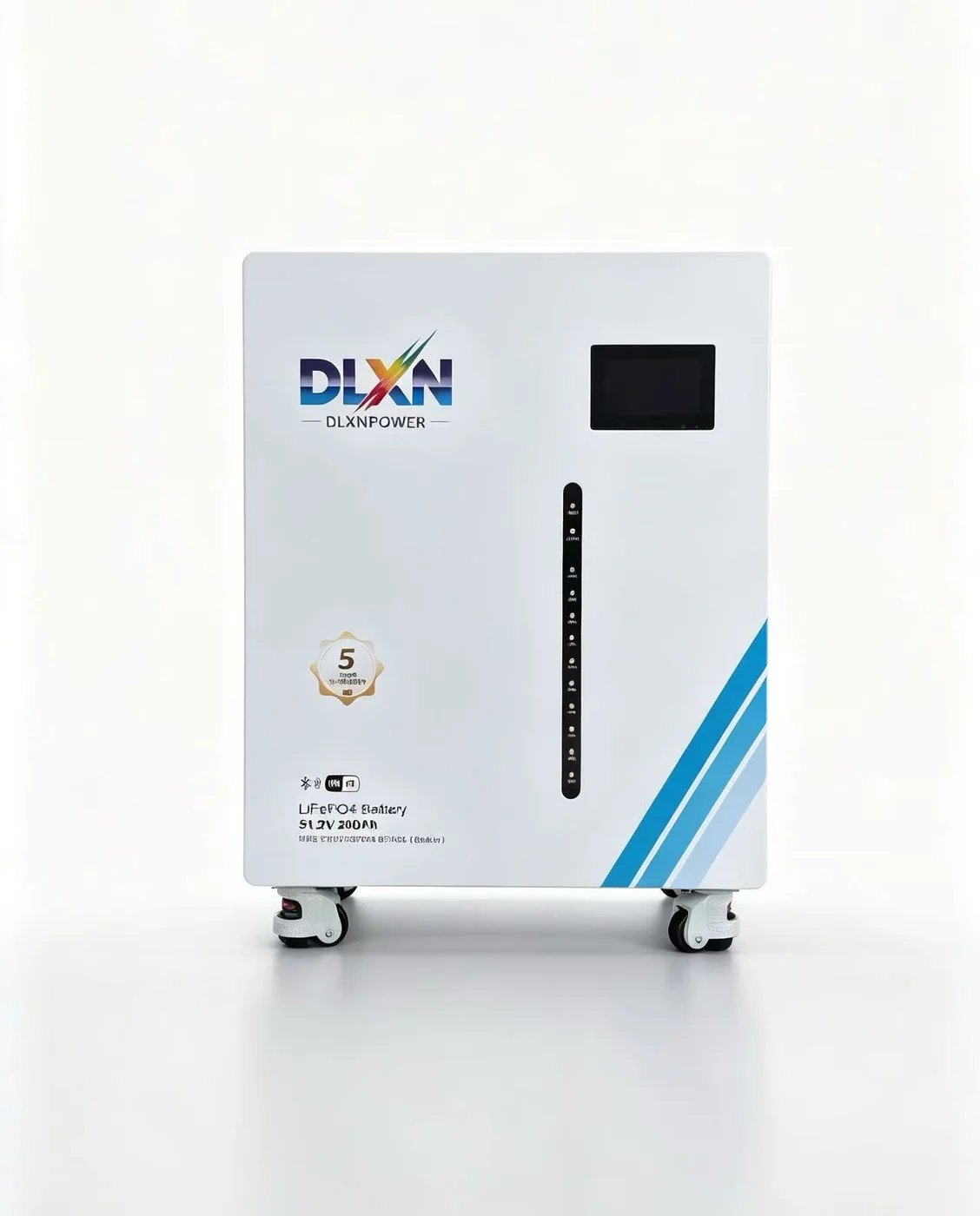
Practical consequence for the buyer: a system designed for three days of autonomy cycles about 300 times a year in a temperate climate, which puts battery replacement at year five to seven. Price the replacement into the lifecycle cost, because the cheapest quote often has the smallest pack and the shortest replacement interval.
Controllers and system architecture
MPPT versus PWM is a cost question that gets decided wrong regularly. A PWM controller pulls the array voltage down to battery voltage, losing 20–30% of harvest. For a 24 V system needing 200 W of effective output, PWM requires roughly 280 W of modules while MPPT needs 210 W. The module price difference usually exceeds the controller price difference.
Three functions matter more than the MPPT label:
- Dimming profile. Running at 30% for the second half of the night cuts array and battery sizing by around 30%. It is the highest-return feature in the whole system.
- Dusk-to-dawn with time scheduling, not just a light sensor.
- Low-temperature charge protection and a configurable discharge floor.
Integrated versus split
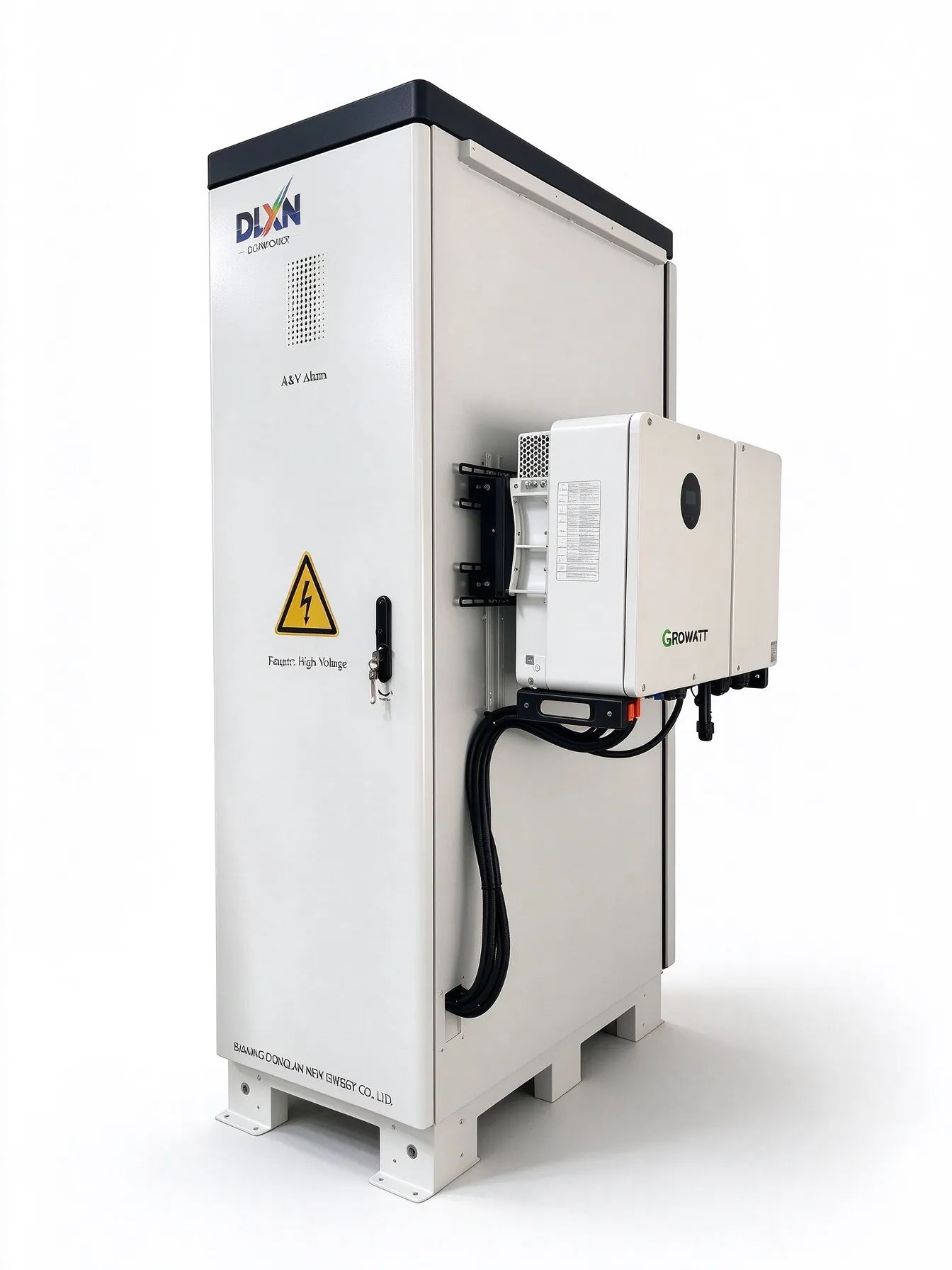
Single-piece integrated lamps are easier to install and cheaper to ship. Split designs, with the panel on its own bracket and the battery in a separate enclosure, run cooler and are easier to service, at the cost of more installation labour and more mounting points to get wrong.
For hot climates, split or semi-split with a remote battery enclosure is the safer architecture. For temperate markets with tight installation budgets, integrated is defensible if the thermal design is real.
Assessing a supplier: five questions
- Do you make the lamp head, the controller and the battery pack, or assemble them? Assembly is a legitimate business, but it means three supply chains to trace and a warranty that has to be stitched together.
- Where does the battery sit, and what is the pack temperature at 40°C ambient? A supplier with thermal data answers immediately.
- Can you send the IES file for this model? No file, no optical design.
- What is the IP rating, and is there a third-party test report? IP65 self-declared is common; IP66 with a report is a different product.
- What is the warranty on the battery specifically, and what capacity is guaranteed at year five? A ten-year warranty on the lamp that excludes the battery means little.
Acceptance testing that catches the real problems
- Night-time illuminance measurement on a grid, compared against the design values, ±15%
- Autonomy test: disconnect the array and count the nights the system actually runs
- Battery capacity spot check on two or three units, not below 95% of nameplate
- Third-party IP test report for the lamp and the battery enclosure
- Photometric verification on one unit against the supplied IES file
Items 3 to 5 are the ones that get skipped when schedules compress, and they are exactly the ones that predict year-three failures.
What we do
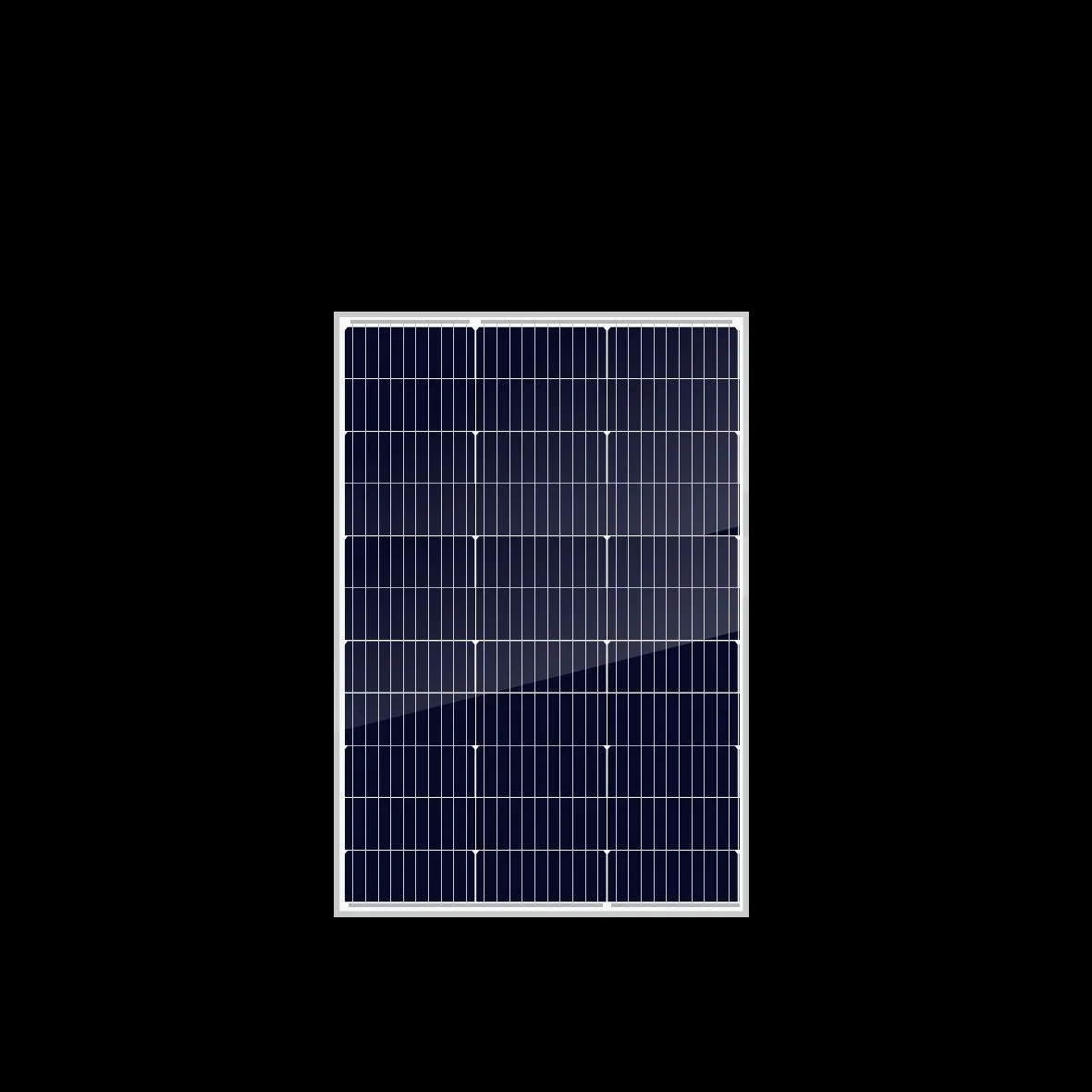
Donglan makes the modules for these systems in-house, from 20 W to 650 W, in custom sizes and voltages for retrofit onto existing poles and brackets. We supply complete street light packages: head, controller, LFP pack, pole hardware, with photometric files and configuration calculated from road width, pole height, spacing and latitude.
What we do not do: municipal tender documentation and financing, and projects that require a bankable tier-one brand name for the lender. On those we will say so rather than bid.
Send the road width, pole height and spacing, the required illuminance and the site latitude, and we will come back with a configuration and a simulated layout.