The load audit decides everything downstream
Nameplate ratings on appliances tell you what a device draws while running. They say nothing about duty cycle, standby consumption, or the current spike a compressor pulls for two seconds at start. Build the load schedule from measured data where you can: a seven-day logger on the distribution board costs less than one wrongly sized inverter. Where measurement is impossible, interview the occupants about what runs at night and what runs seasonally.
A representative configuration we were asked to review last year makes the point. A 12 kWp ground-mount array with a 30 kWh LFP bank was proposed for a rural health clinic in Oyo State, Nigeria, commissioned in February 2026 and operated by the clinic's own facilities team. The original load list counted three vaccine refrigerators at their rated 0.8 A continuous draw. Measured consumption was roughly 40 percent higher because of door openings during vaccination days and the duty cycle of the room air conditioner. The array was fine. The battery was not.
Split the schedule into three columns: continuous loads in watts, surge loads in watts with duration, and daily energy in kWh. Welders, borehole pumps and reciprocating compressors typically demand three to eight times running current for a fraction of a second. That column determines the inverter, not the daily kWh figure.
Sizing the array, bank and inverter together
Three numbers move together, and adjusting one in isolation is how systems end up dying at 2 a.m.
Array sizing follows daily energy divided by peak sun hours and a system derate factor. For a temperate site with 4.2 peak sun hours and a derate of 0.75, each kWp yields roughly 3.1 kWh per day. Battery sizing follows daily energy multiplied by days of autonomy, divided by usable depth of discharge. Inverter sizing follows peak simultaneous demand plus surge margin.
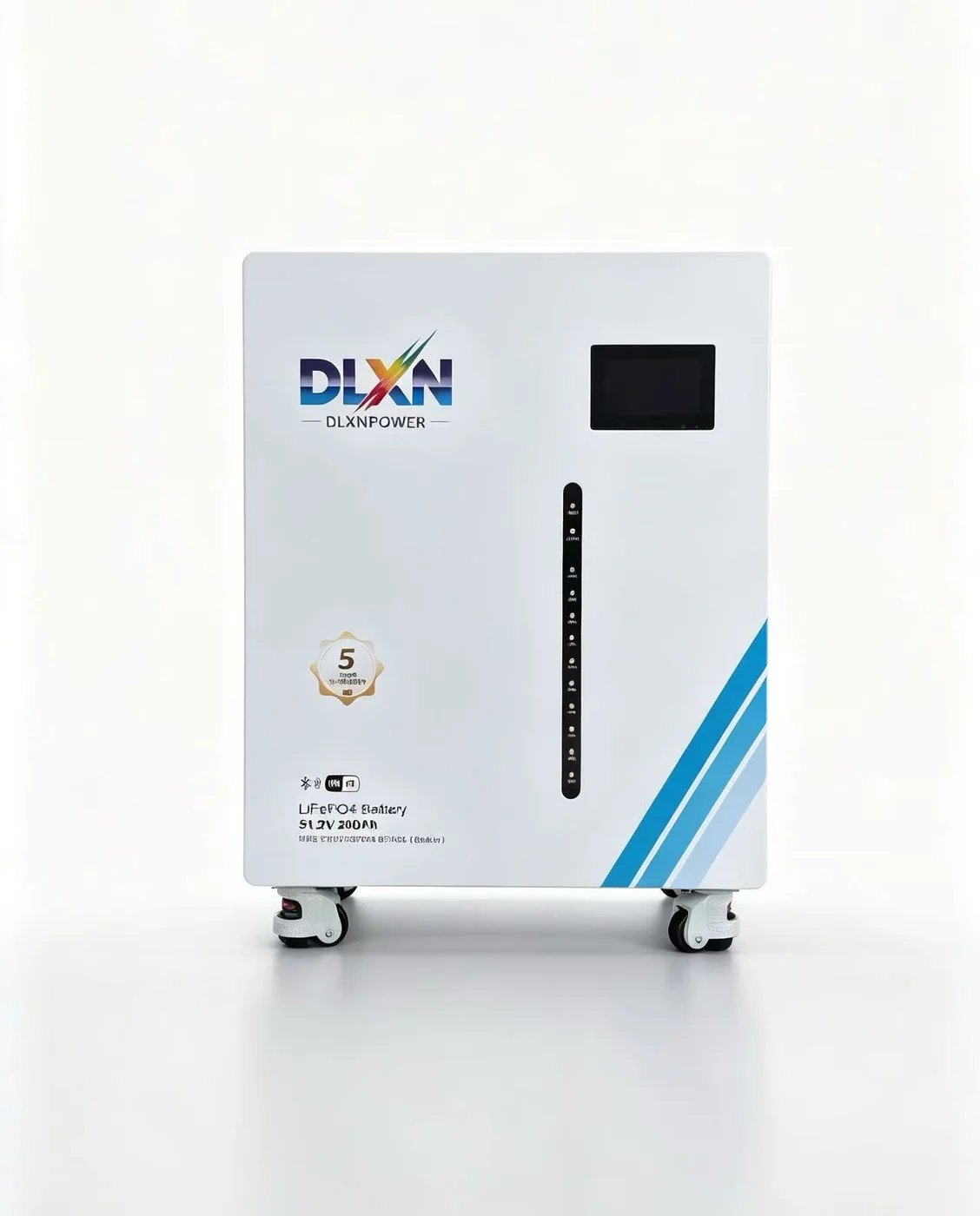
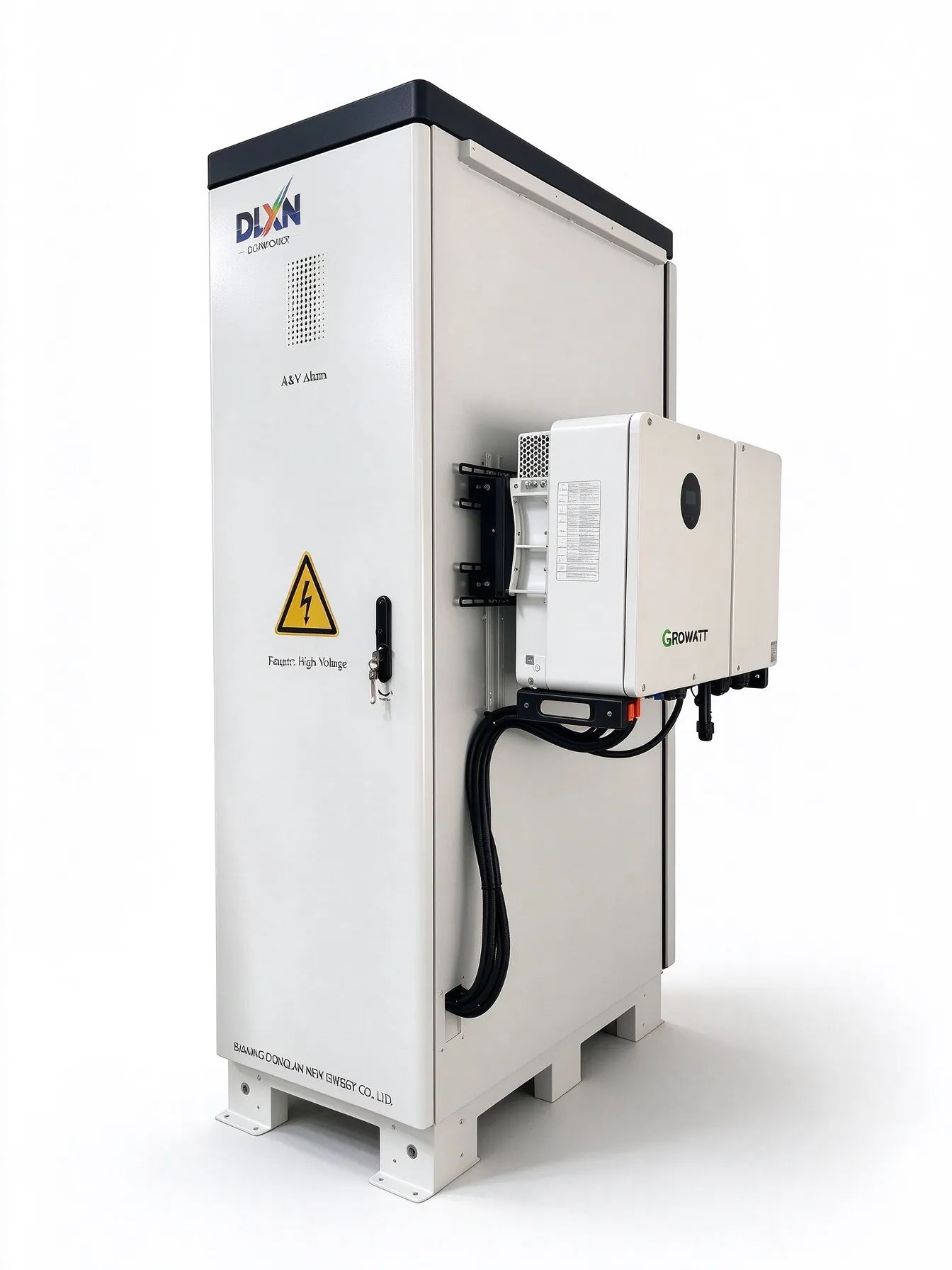
Our published datasheet for the DLXN rack-mount LFP module lists 5.12 kWh nominal at 51.2 V, 100 Ah, a 0.5C continuous charge and discharge rating, and 6,000 cycles to 80 percent state of health. That 0.5C figure is the one engineers skip past. It caps continuous output per module at about 2.5 kW, so a 10 kW inverter needs at least four modules in parallel regardless of how much energy the bank stores. Full cabinet dimensions and terminal details sit on the [lithium battery product page](/products/lithium-battery).
| Daily load (kWh) | Array (kWp, 4.2 PSH, 0.75 derate) | Usable bank (kWh, 2 days autonomy) | LFP modules at 5.12 kWh | Inverter (kW, sized to surge) |
|---|---|---|---|---|
| 3 | 1.2 | 7.5 | 2 | 1.5 |
| 10 | 3.5 | 25 | 5 | 3 |
| 25 | 8.0 | 62 | 12 | 6 |
| 60 | 19.0 | 150 | 29 | 15 |
Treat the table as a starting point, not a design. Two days of autonomy suits a clinic with critical cold chain. A holiday cabin may run on one. A telecom repeater on a mountain may need four, because the maintenance visit costs more than the extra modules.
DC-coupled, AC-coupled, or a hybrid inverter
Small standalone systems under roughly 5 kWp usually work best DC-coupled: the array feeds an MPPT charge controller, the controller charges the bank at a voltage the battery likes, and a separate inverter produces AC. Fewer conversion stages, simpler fault-finding, and the charge controller keeps working when the inverter is off.
Above 10 kWp, AC coupling starts to earn its place, particularly where a diesel generator already exists and needs to run in parallel with the PV. Hybrid inverters that form their own grid have closed much of the gap, and the practical difference now often comes down to whether you want one vendor's firmware controlling everything or discrete components you can swap individually. Our [inverter technology notes](/tech/inverters) cover the grid-forming and generator-support behaviour in more detail.
One rule has survived every architecture change: size the charge controller for the array's short-circuit current with margin, and never rely on the inverter's built-in limiter as the only protection.
The installation sequence that avoids rework
- Mount and earth the array first, then verify string open-circuit voltage and polarity before any conductor enters the building.
- Size DC cable for a voltage drop under 3 percent at maximum current, and check the derated ampacity against the installation method, not just the cable's free-air rating.
- Fit string fusing or a combiner with DC-rated isolation on every parallel string.
- Bond module frames and rails to a single earth point and test resistance before energising.
- House the battery where the temperature stays between 15 and 30 degrees Celsius. Capacity and cycle life fall away quickly above 35.
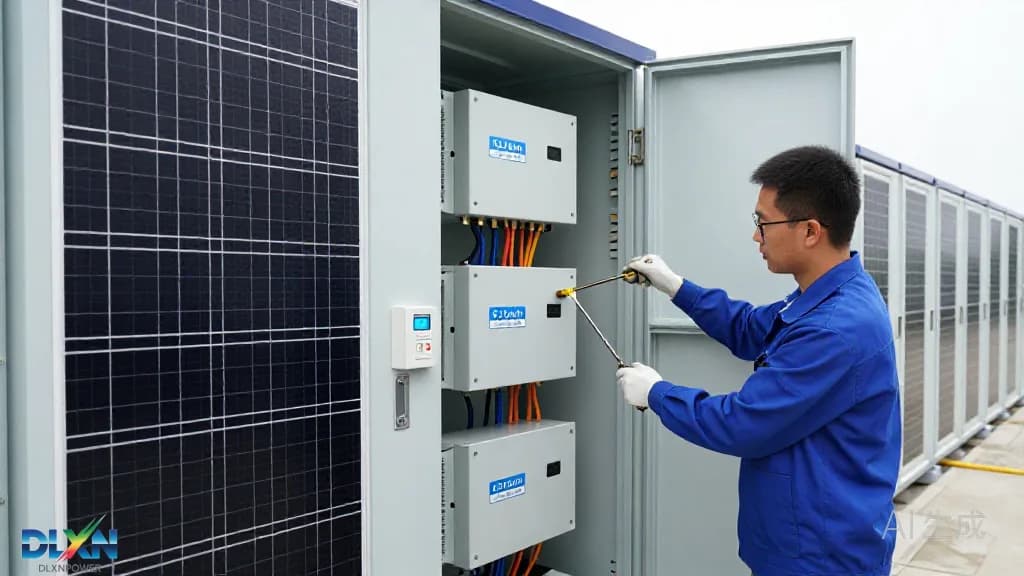
- Torque every terminal to the manufacturer's figure with a calibrated wrench and record the values on the commissioning sheet.
The battery room deserves more attention than it usually receives. LFP chemistry removes the ventilation requirements of flooded lead-acid, but thermal management does not disappear. A bank installed against a west-facing wall in a metal container will run hot every afternoon, and the first symptom is a state-of-health drop that nobody notices until year three.
In our own QC line the returns we chase are almost never the cells. They are the lugs, the torque and the crimp.
Where standalone solar is the wrong answer
A commercial building in a city with a reliable utility supply, a daytime tariff that stays low, and an existing net-metering agreement should not buy a standalone system. Every kilowatt-hour cycled through the battery carries a levelised cost that the grid does not charge, and the bank degrades whether or not it is used. A grid-tied self-consumption design with a small battery, or no battery at all, delivers the same bill reduction with a fraction of the capital and none of the autonomy risk. The [battery storage pages](/tech/battery-storage) set out where storage earns its keep and where it does not.
The second poor fit is a site with a large continuous industrial load and no room for an array, such as an induction furnace or a 24-hour cold store drawing 200 kW. Off-grid PV for that profile means an array measured in hundreds of kilowatts and a bank the size of a shipping container, which is a generator-hybrid conversation, not a standalone one.
Sign-off numbers before you hand over
Do not accept handover on a demonstration that the lights come on. Record five figures on the commissioning sheet: array open-circuit voltage per string, insulation resistance to earth, battery internal resistance per module, measured round-trip efficiency over a full charge-discharge cycle, and the actual surge current drawn by the largest motor on site. Those five numbers diagnose most of the faults the first year will produce, and they give the operator a baseline that a warranty claim can be argued from.
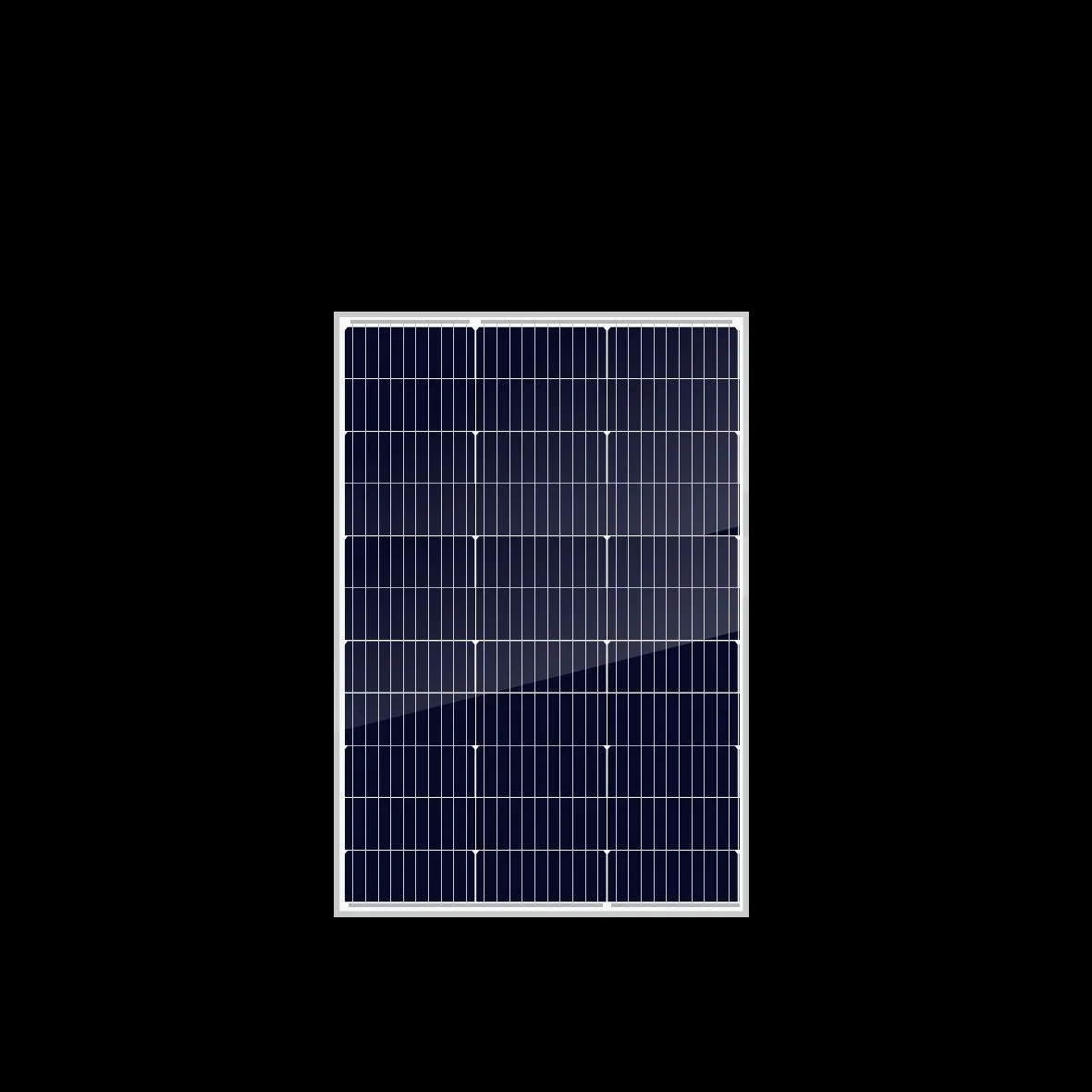
If a proposal arrives without a measured load schedule behind it, ask for one before signing. That document, not the panel count, is what tells you whether the system will still be running in year eight. Talk to our engineering team through the [contact page](/contact) if you want a second opinion on an existing design, and specify modules from the [solar panel range](/products/solar-panels) that match the string voltage window of your chosen controller.