News & Updates
Latest from DLXN Energy
Off-Grid Solar vs Traditional Grid Power: The Real Split
The comparison starts with the load, not the panels
A grid connection is priced by consumption. An off-grid system is priced by its worst week. That single asymmetry explains most of the confusing quotes that land on a procurement desk, because a designer sizing an islanded system has to cover the lowest-irradiance stretch of the year plus a margin for consecutive cloudy days, and every one of those panels sits mostly idle from March to September.
Take a load that runs a 4 kW compressor for six hours a day and a 600 W base load overnight. On a grid tariff, the sizing question is trivial: you pay for 30 kWh a day and the utility worries about December. Off-grid, the same duty cycle forces the array up by roughly a third to a half, and the battery bank to somewhere between one and two days of autonomy, depending on how much diesel backup the operator is willing to keep. Two identical loads, two budgets that differ by a factor of three.
Then there is inrush. Motors, pumps, compressors and welding sets draw five to eight times their running current for a fraction of a second, and an inverter bank that looks generously rated on paper can trip on a single well-pump start. Grid power absorbs that surge invisibly, because the network is a machine with thousands of times the short-circuit capacity of any inverter you will install.
What each kilowatt-hour actually costs
Numbers help here, provided they are read as ranges rather than quotes. The table below is indicative for small commercial systems in markets with moderate irradiance, in US dollars, excluding financing.
| Cost line | Grid-tied with reliable supply | Off-grid |
|---|---|---|
| PV array, per kWp installed | 350 – 550 | 400 – 650 |
| Storage, per kWh usable | not required | 180 – 320 |
| Connection or transformer charge, per kW | 150 – 600 | 0 |
| Delivered energy cost, 10-year levelised | 0.08 – 0.16 | 0.22 – 0.45 |
| Diesel backup, per kWh generated | n/a | 0.30 – 0.45 |
IRENA's Renewable Power Generation Costs in 2024 puts the global weighted-average levelised cost of new utility-scale PV at roughly USD 0.04/kWh at the plant gate. That figure is real and it is also almost irrelevant to this decision, because it describes a 100 MW plant selling wholesale, not a 40 kWp array behind a factory gate paying retail for its storage.
The storage line is where the two pathways diverge permanently. BloombergNEF's Global Energy Storage Outlook 2025 tracks a steady fall in turnkey system pricing, but those gains concentrate in multi-megawatt-hour orders. A buyer assembling 60 kWh in a cabinet pays small-order prices, and pays them again every eight to twelve years.
A configuration that shows where the crossover sits
As a representative configuration rather than a named customer, consider a dairy cooling hub in Nakuru County, Kenya, costed in February 2026: 60 kWp of ground-mount array, 96 kWh of lithium iron phosphate storage, and a 30 kW bidirectional inverter bank running two 15 kW milk chillers plus a workshop load. The site sat 2.4 km from the nearest medium-voltage feeder, and the distribution company's quote for extension, transformer and metering came back at a figure that would have taken the cooperative most of a decade to amortise at its consumption level. Off-grid won on arithmetic, not on ideology.
Move the same load into a light-industrial estate on the edge of Nairobi with an existing 11 kV line and a functioning transformer, and the answer inverts. The extension cost disappears from the comparison, the battery becomes an optional resilience add-on rather than a structural necessity, and the levelised cost falls back into the two-digit cents.
Storage is the line item that decides the outcome
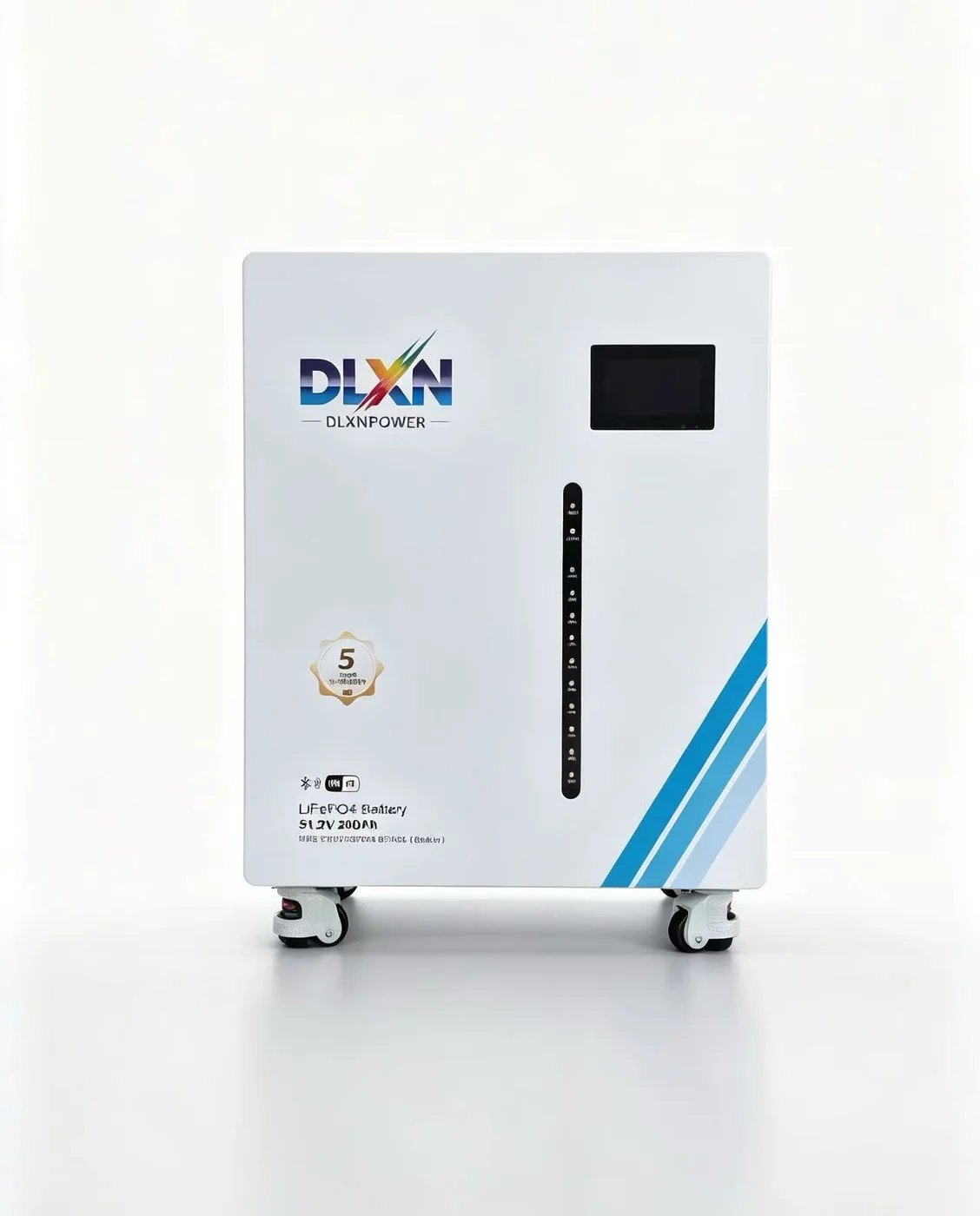
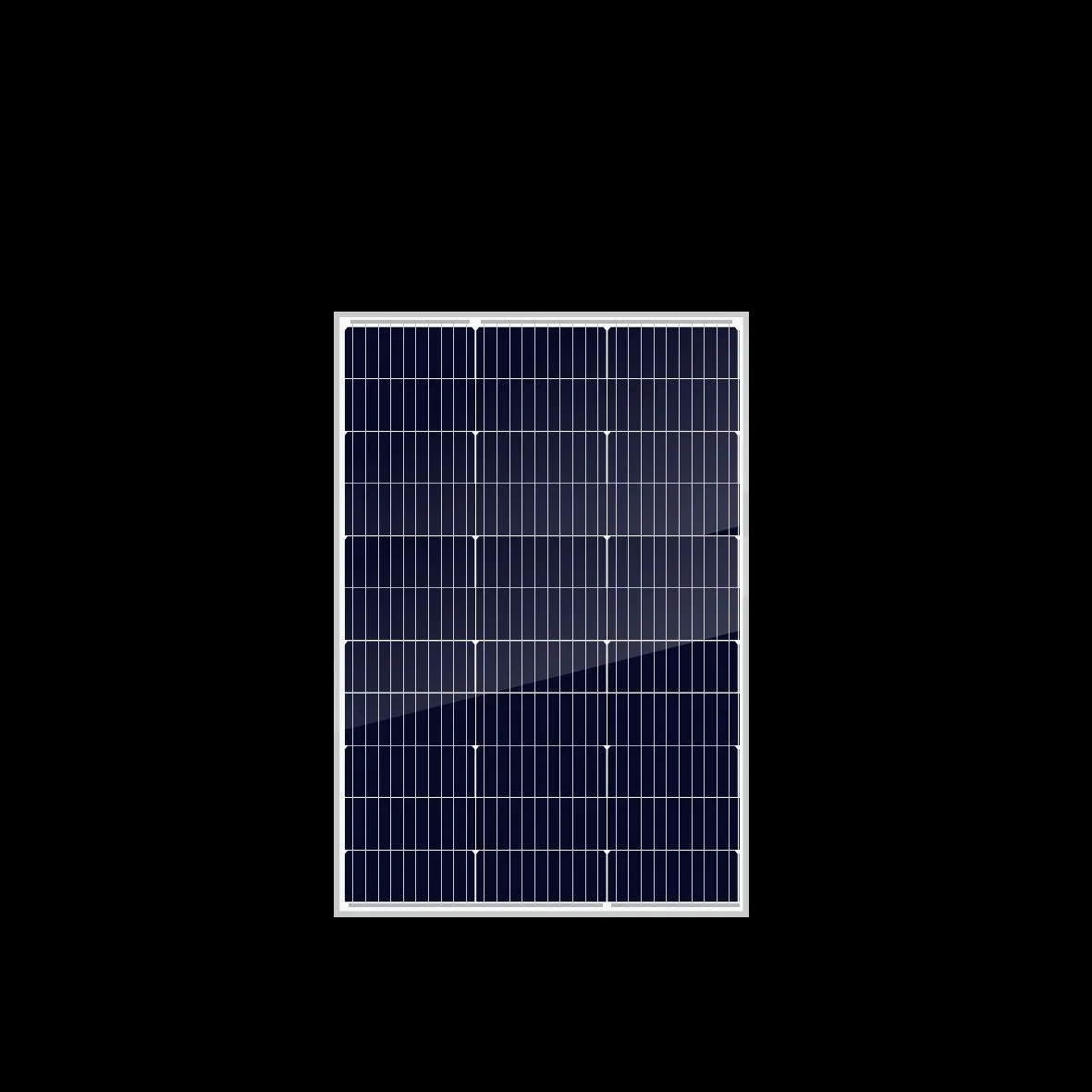
Our own product range sits in this band: the lithium battery family runs 51.2 V modules from 5.12 kWh to 15.36 kWh per unit, quoted at 90% usable depth of discharge, 6,000 cycles to 80% state of health, a continuous charge and discharge rate of 0.5C, and 94–96% round-trip efficiency depending on the inverter pairing. The solar panels we ship alongside them span 410 W to 620 W in mono PERC and TOPCon formats. Read the cycle figure carefully: 6,000 cycles at one cycle a day is sixteen years of calendar life, but a badly sized bank that cycles twice daily will deliver eight, and no warranty will cover the shortfall.
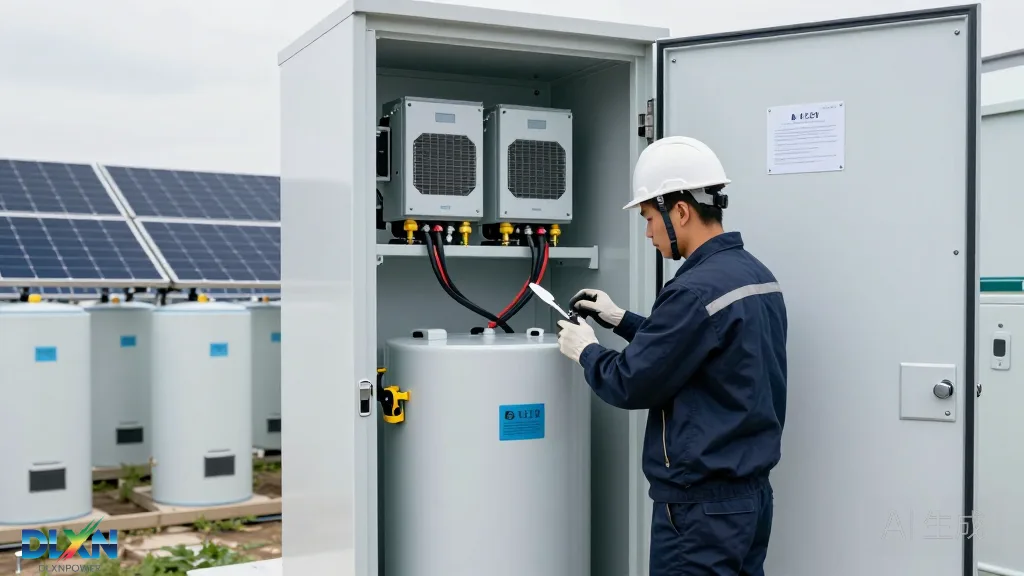
In our own test and commissioning work, the failures we are called out to investigate are almost never the cells. They are undersized DC cable, lugs torqued by feel rather than by wrench, and charge settings left at factory defaults that were written for a different battery.
Equipment choice compounds the arithmetic. A battery storage architecture built around a high-voltage stack will cost more per kilowatt-hour than a 48 V rack but halves the DC current for the same power, which changes cable, breaker and thermal design across the whole plant. The inverter selection then decides whether the system can accept a generator input cleanly, which in turn decides how much diesel the operator actually burns in a bad month.
Where off-grid loses, and loses badly
Off-grid is the wrong answer when a live grid connection already exists and delivers fewer than a handful of outages a month. The reason is not sentiment, it is the cycling cost of storage. Every kilowatt-hour cycled through a battery carries a wear charge that typically exceeds the retail grid tariff in most middle-income markets, so cycling storage against a reliable grid is a straightforward value destruction, before any consideration of the roof area or the maintenance visits.
A second losing case is high-diversity, low-load-factor sites: offices, clinics and schools with a sharp morning and afternoon peak and a deep overnight trough. They pay for array and battery capacity that sits unused for eighteen hours a day. Those sites belong on a grid connection with a modest hybrid inverter and a small solar sunflower or rooftop array for daytime self-consumption, not on an islanded plant.
Sizing rules that keep an off-grid design honest
- Design the battery from the nightly load, then check it against two consecutive worst-case days, and pick whichever is larger.
- Size the inverter bank for surge, not for continuous load; the compressor start is the binding constraint.
- Keep the DC run under 15 metres or move to a higher bus voltage.
- Specify a generator input on the inverter even if no generator is planned today, because the second winter tends to change minds.
The practical decision rule is short. If the connection quote per kilowatt is above roughly half the installed cost of an equivalent off-grid array plus one day of storage, and the site's daily load is under about 100 kWh, going off-grid usually wins on ten-year cash. Below that threshold, or with a healthy feeder already at the gate, the grid plus a modest hybrid array will beat it every time. Our projects page carries both architectures side by side for anyone who wants to compare layouts before requesting a quote.
Sources and primary references
Duty, grid-connection and price-benchmark statements in this article follow the primary sources below. Our own figures are EXW China ranges and are not substituted by external prices.
- BloombergNEF — module, cell and battery pack price benchmarks quoted in this article
- InfoLink Consulting — weekly spot prices for TOPCon / PERC modules and LFP cells
What we quote on this product line
Indicative EXW China ranges on the same basis as our product pages; the retail prices in this market are covered in the article.
| Product line | Range | Indicative EXW | Details |
|---|---|---|---|
| Solar modules | 20–650 W, 182 mm / 18 V | USD 0.17–0.23 /Wp | Spec page → |
| Home batteries | 5.12–16.08 kWh, 51.2 V LiFePO4 | USD 95–130 /kWh | Spec page → |
| Residential ESS kits | 3.2–10 kW panel + battery | quoted per configuration | Spec page → |
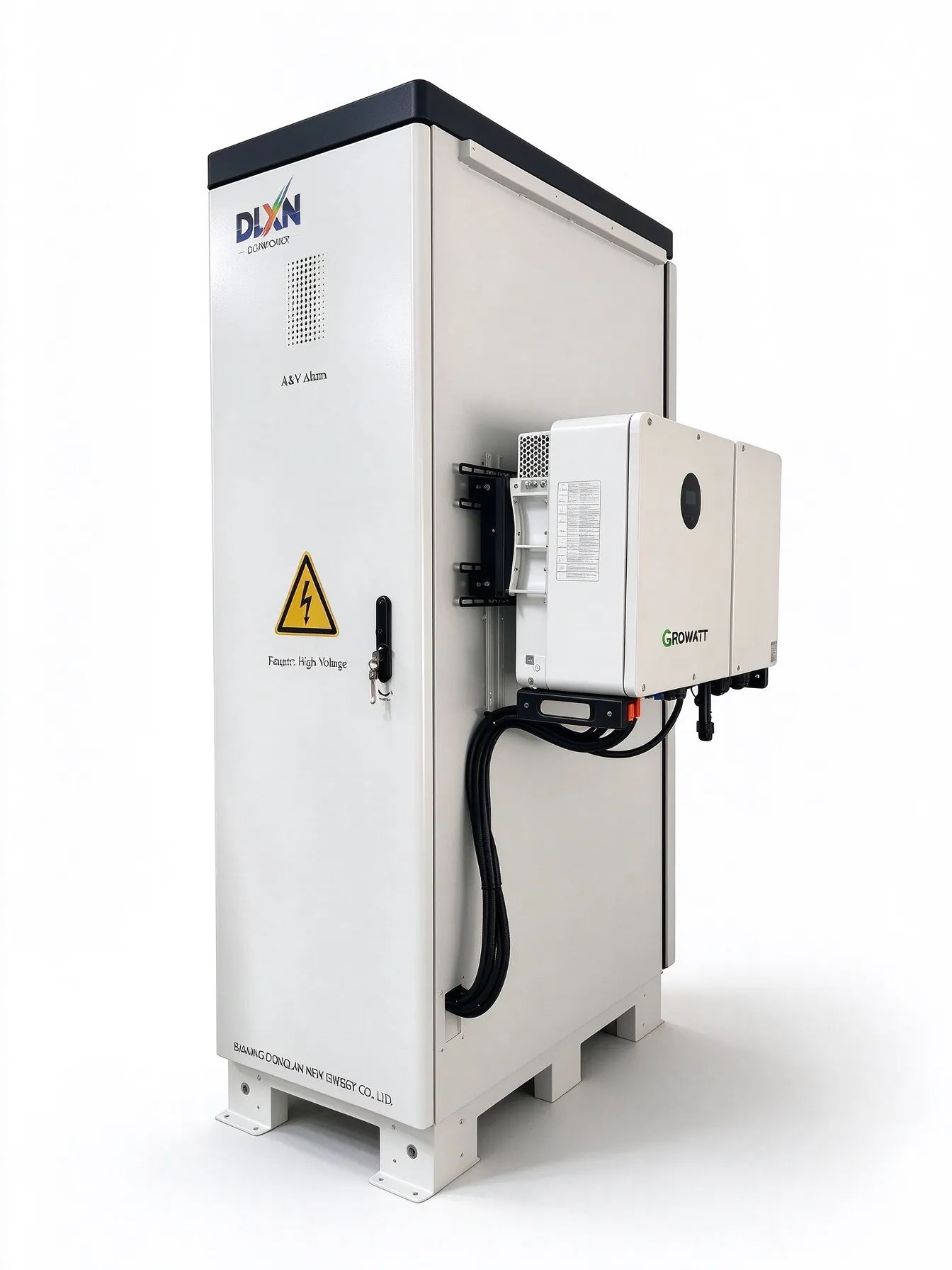
| C&I cabinets | 100 / 120 / 241 / 261 kWh | USD 110–150 /kWh | Spec page → |
| Solar carport | 6.5 kWp with EV charging | USD 1,200–1,700 /kWp | Spec page → |
Minimum order one pallet; lead time 15–45 days on stock configurations (sea freight to destination quoted separately). These are indicative EXW China ranges, not an offer — final price depends on wattage, quantity, configuration and destination port.
Related products
In-stock models that match this article — specs and RFQ on each page.