News & Updates
Latest from DLXN Energy
solar panel price in nigeria: Lagos quotes hold as SONCAP checks bite
Lagos quotes: what buyers actually pay
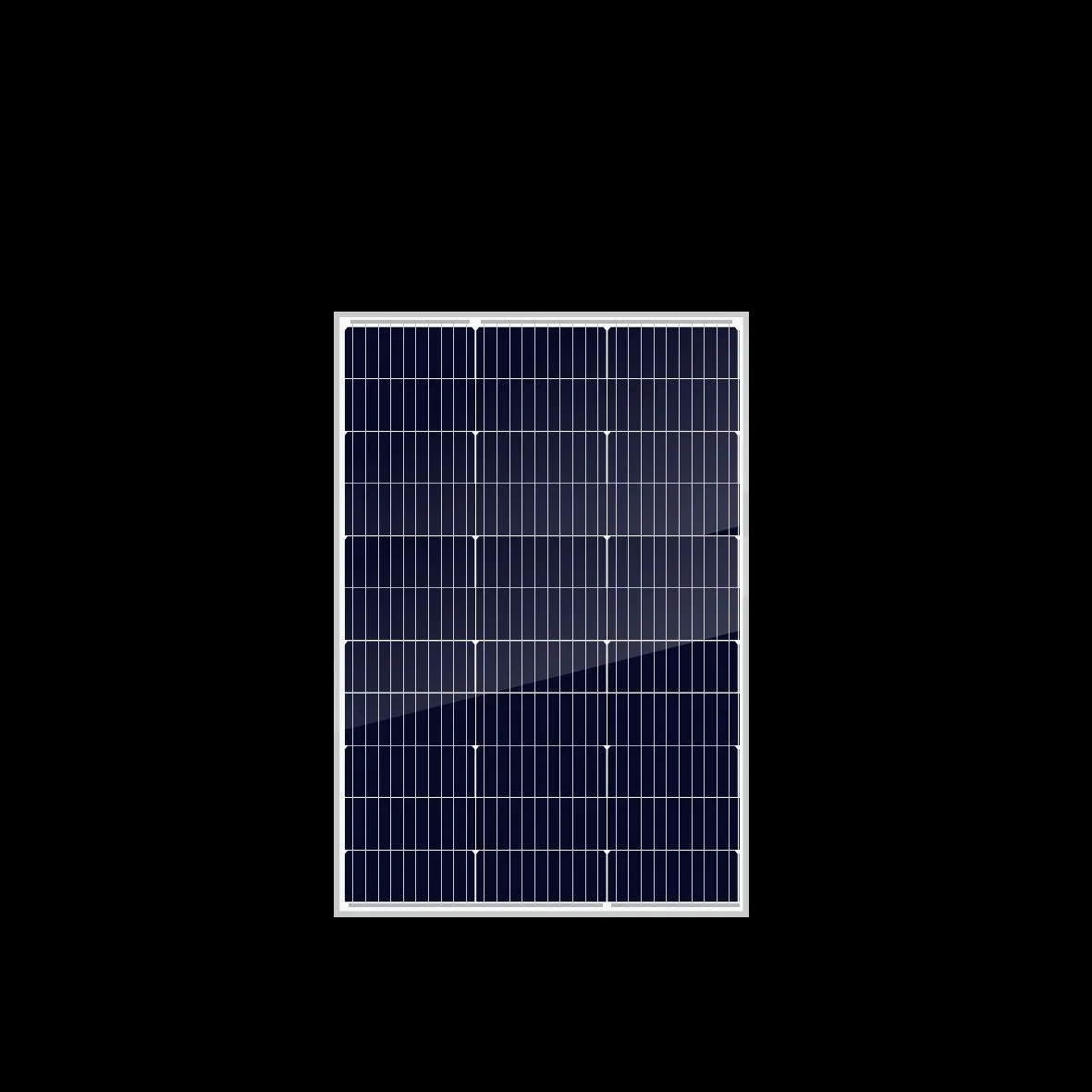
In Lagos, the solar panel price in nigeria that installers quote this week is ~NGN 180,000–260,000 for a 550W mono PERC or TOPCon module, depending on brand, wattage tolerance and paperwork. A 450W panel sits lower, at ~NGN 150,000–210,000, while 600W bifacial stock can clear NGN 300,000. At ~NGN 1,500/USD, those retail tags imply ~$120–173 for a 550W unit, far above BloombergNEF’s ~$0.09–0.12/W global module benchmark. The gap is freight, FX, clearing, SONCAP costs and local distributor margin in early 2026. The quote is not the system price. A typical 3kW hybrid kit in Lagos—six 550W panels, a 3.6kW inverter and a 5kWh lithium battery—lands at ~NGN 3.2m–4.5m depending on battery brand and whether the installer is NEMSA-certified. Buyers comparing only the solar panel price in nigeria miss the balance-of-system cost, which now dominates. Our market price guide tracks those bundles by city; it is a better reference than a single panel tag. Ask for a bill of materials, not a WhatsApp price list.
SONCAP and NEMSA: paperwork changes the landed cost
SONCAP is the filter most importers underestimate. A container of modules needs a SONCAP certificate and product certificate before Nigeria Customs will release it; a missing test report can add weeks of demurrage at Apapa or Tin Can. NEMSA then matters at installation, especially for grid-tied systems and metering. In Abuja, distributors say compliant 550W stock carries a ~5–10% premium over grey-market panels, but the grey stock often lacks IEC 61215/61730 evidence. For commercial buyers, that premium is cheaper than replacing a failed array. The enforcement is uneven. Some Lagos traders still sell uncertified panels with a copied certificate, so buyers should check the SONCAP number against the manufacturer and model, not just the brand. NEMSA-certified installers are also required for many grid-connected jobs, and NERC’s mini-grid rules add licensing thresholds for projects above certain capacities. A panel that is cheap at the port can become expensive at inspection. The solar panels page lists the specs we expect suppliers to document before a quote is comparable.
NERC, mini-grids and the demand side
Demand is shifting. NERC’s mini-grid framework has encouraged solar-hybrid projects in underserved areas, while Band A tariff pressure in Lagos and Abuja pushes commercial users toward diesel-solar hybrids. The IEA’s 2025 Africa energy outlook still shows Nigeria’s per-capita electricity consumption far below peers, so the addressable market is large. But buyers are more price-sensitive than headline demand suggests. A 2026 order book is likely to favour 550W–600W modules, hybrid inverters and lithium batteries rather than premium imported brands with long lead times. For mini-grid developers, the solar panel price in nigeria is only one line in the capex. NERC’s permitting, NEMSA inspections, land, security and battery replacement matter more over a 10-year model. Wood Mackenzie’s global PV outlook points to continued module oversupply in 2026, which should keep import prices soft, but naira volatility can erase that gain in a single quarter. Developers are therefore contracting in tranches and hedging FX where possible. The Africa market notes track these procurement patterns across Nigeria, Ghana and South Africa.
Abuja, Port Harcourt and Kano: same panel, different price
The solar panel price in nigeria is not a single number. Kano buyers often see ~5–8% lower tags than Lagos for the same 550W model because inland freight from Lagos is offset by lower rent and more price competition among northern traders. Port Harcourt quotes can run higher because of logistics and security costs, while Abuja sits between Lagos and Port Harcourt depending on the supplier’s stock. These are distributor estimates, not a national index; treat any single-city price as a starting point. Brand mix also distorts comparisons. A 550W panel from a tier-1 Chinese manufacturer with a bankable warranty is not the same product as an unbranded 550W module with a 5-year workmanship promise. NREL’s module reliability work shows that bill of materials and factory quality control drive degradation, not just wattage. In Kano and Port Harcourt, where dust and heat are harsher, buyers should ask for temperature coefficient and anti-PID test data. The cheapest panel per watt can be the most expensive per kWh over 10 years.
Battery and inverter costs still decide the system price
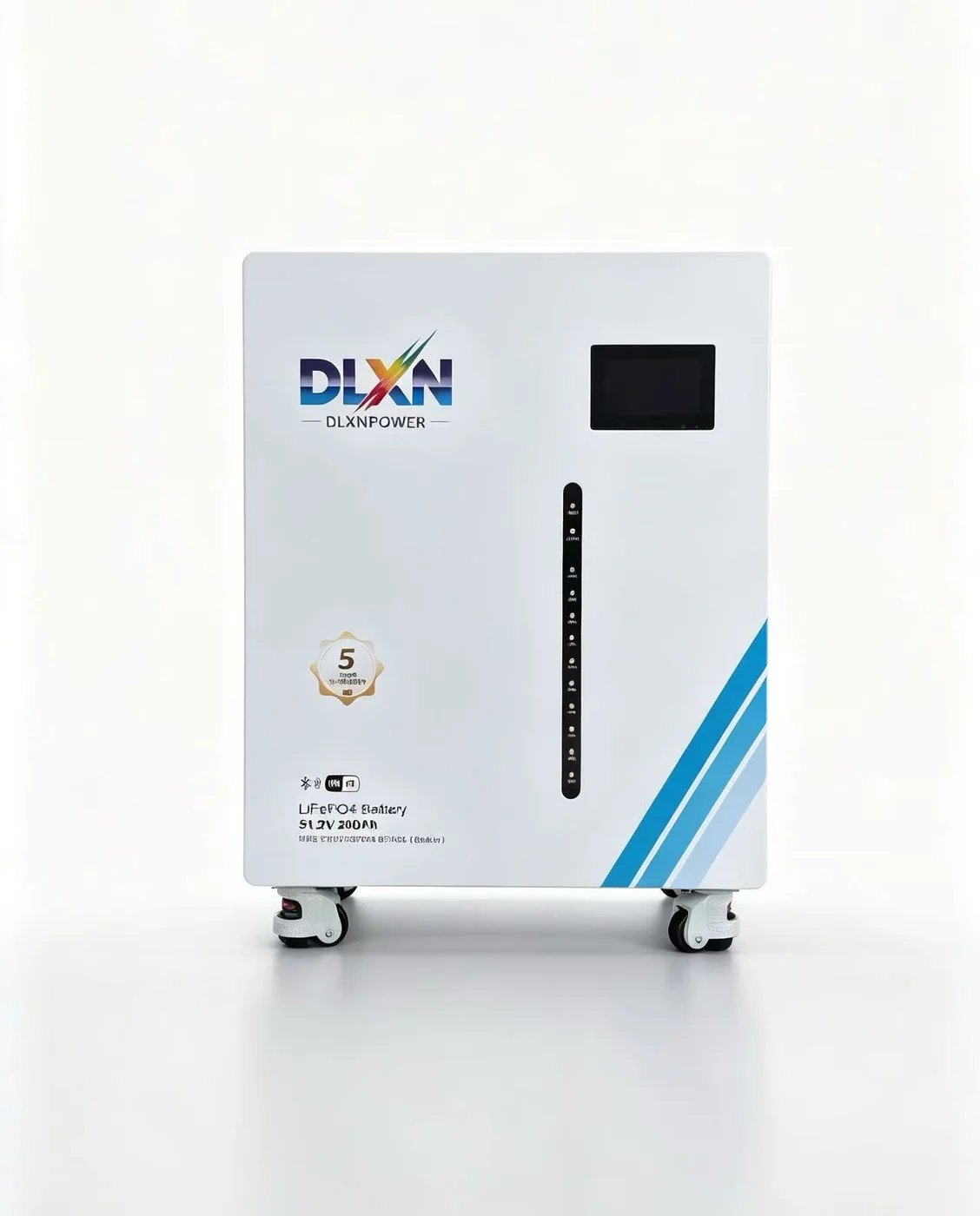
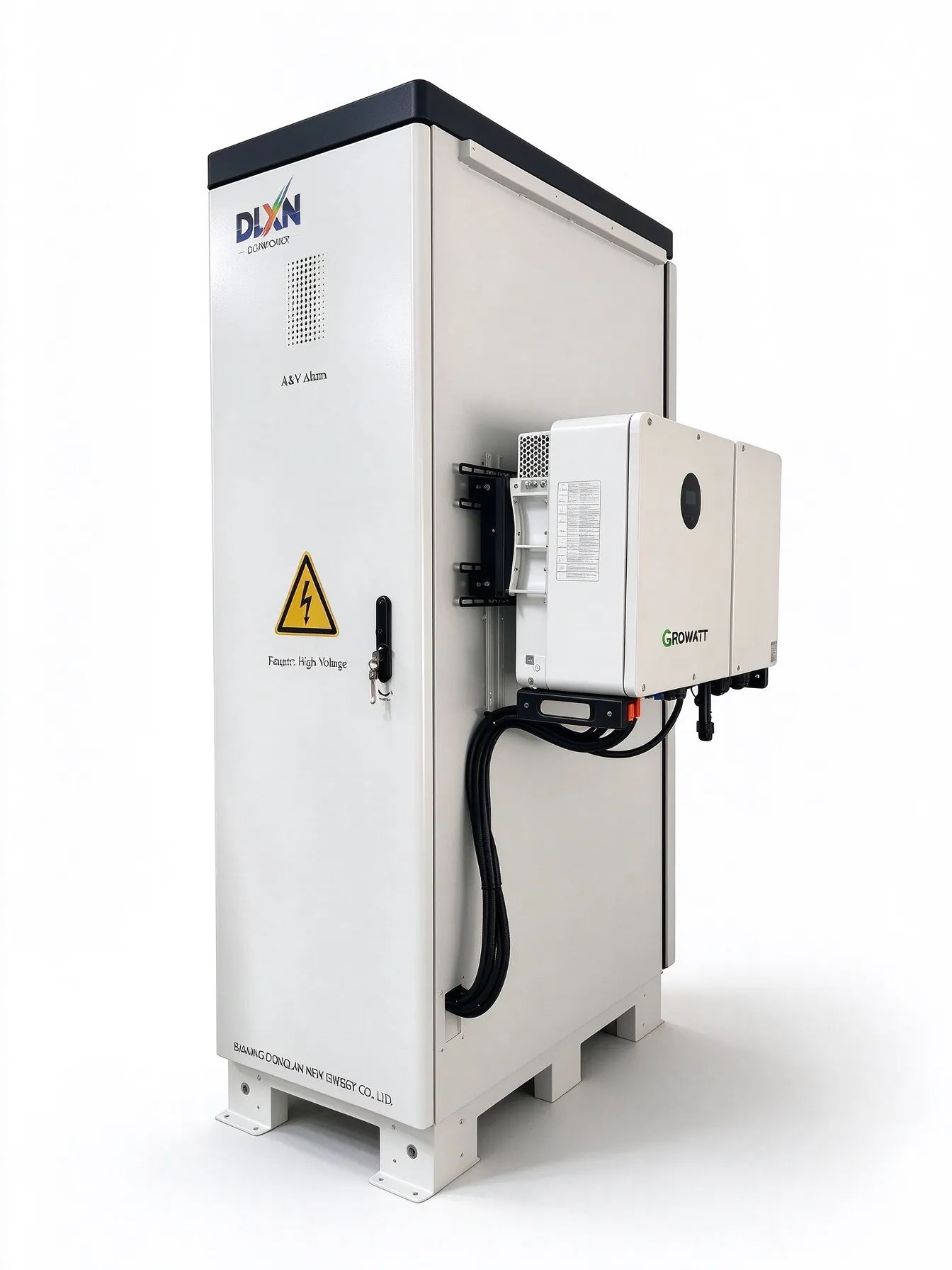
Most residential quotes in Lagos in 2026 now pair panels with lithium iron phosphate batteries, and that chemistry is where the system budget moves. A 5kWh LFP battery can cost ~NGN 1.2m–2.0m depending on brand, BMS, warranty and installer, while a 10kWh unit doubles that. Our LiFePO4 battery price index shows cell prices easing, but importers still carry FX and clearing risk. For a 5kW home system, the battery can be 40–50% of the total cost, more than the panels. Commercial and mini-grid buyers should compare cabinetised storage, not loose racks. A battery cabinet with integrated thermal management and fire suppression costs more upfront but reduces installation risk and NEMSA inspection friction. Inverter choice also matters: a hybrid inverter with a high PV input voltage can use fewer strings and lower balance-of-system cost. The solar panel price in nigeria gets the headlines, but the battery warranty and inverter topology decide whether the system survives Abuja’s grid swings and Port Harcourt’s humidity.
What to check before you pay a Lagos supplier
Before paying a deposit, ask for the module datasheet, IEC 61215/61730 certificates, SONCAP certificate and a flash-test report for the exact serial number range. Confirm the warranty is from the manufacturer, not just the trader. For grid-tied work, confirm the installer’s NEMSA certification and whether NERC approval is needed for your configuration. On price, request a quote in naira with a fixed validity period; a 30-day quote is common in Lagos, but FX movement can make it worthless in 14 days. Finally, separate the panel price from the installation and after-sales price. A 550W module at ~NGN 200,000 is meaningless if mounting, DC cabling, breakers and commissioning add another NGN 500,000. Get at least three itemised quotes in Lagos or Abuja and compare the same bill of materials. The solar panel price in nigeria you see online is a signal, not a contract. Use the market price guide for city ranges, then verify the hardware and paperwork before you wire anything to a roof.
Related products
In-stock models that match this article — specs and RFQ on each page.