News & Updates
Latest from DLXN Energy
Solar panel price South Africa: May 2026 trade update

Johannesburg and Cape Town quotes hold a wide ZAR spread
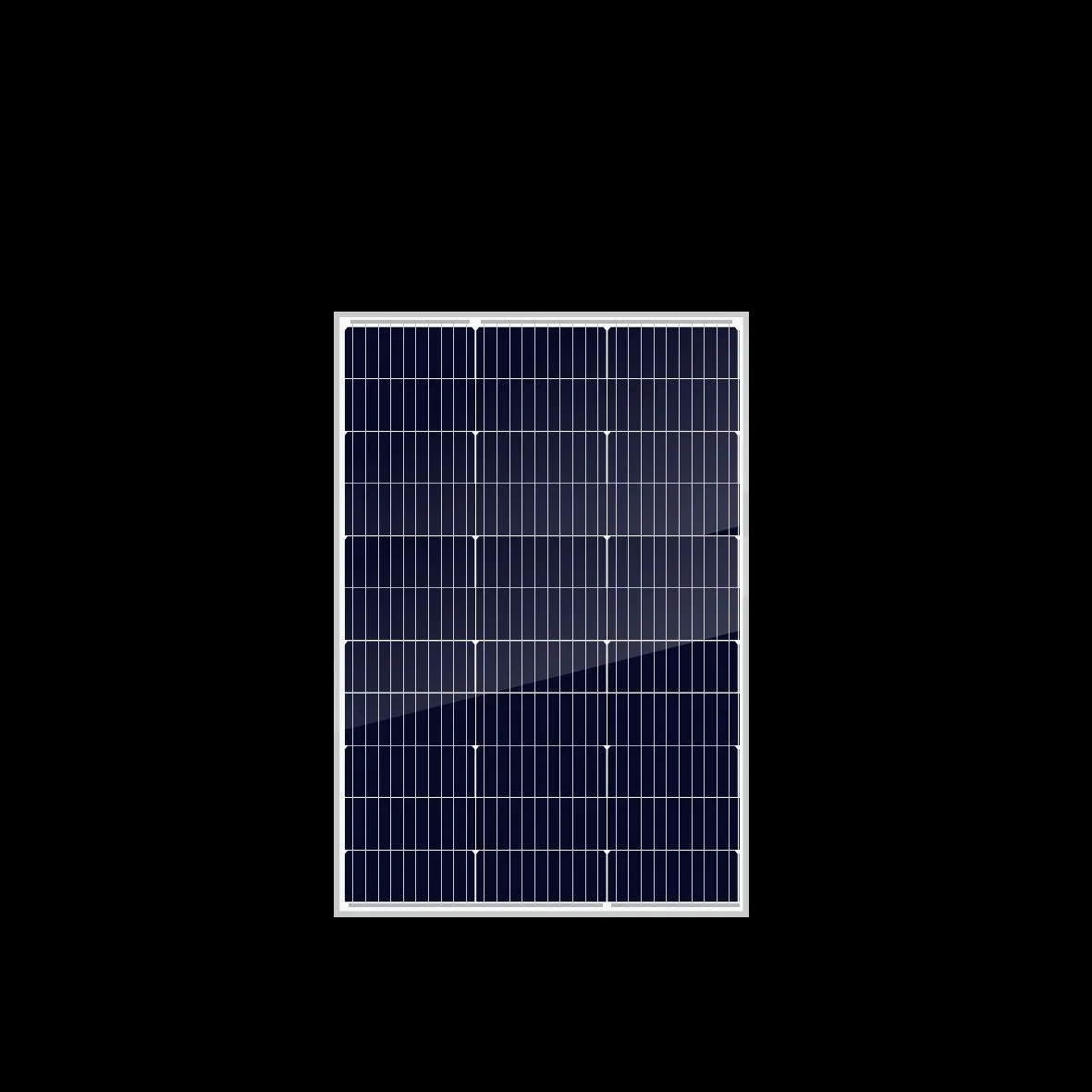
The solar panel price South Africa buyers see in May 2026 is not falling as fast as the global module headlines suggest. In Johannesburg, trade quotes for Tier-1 550 W to 580 W mono PERC and TOPCon modules sit at roughly R3.80/W to R5.60/W, or ~R2,090 to ~R3,250 per panel, depending on stock, brand and payment terms. Cape Town distributors quote similar levels but add local freight. BloombergNEF still describes the global module market as oversupplied, yet landed ZAR costs include exchange-rate cover, clearing and warranty risk that global spot prices do not. Durban and Pretoria buyers often see a narrower gap because several wholesalers hold 550 W stock in Durban harbour warehouses and Gauteng industrial parks. A 5 kW residential array using ten 550 W panels therefore has a module bill of ~R21,000 to ~R32,500 before mounting, DC cable, labour and the SANS 10142-1 CoC. The market price guide tracks these ZAR ranges by city and system size. Do not compare a bare panel quote with an installed quote: the latter carries compliance, transport and after-sales costs that a pallet price excludes.
ZAR landed cost, NRCS checks and stock cycles
South African quotes are a rand story as much as a module story. A ~10% move in USD/ZAR can shift the landed cost of a container by more than the global cell-price decline over a quarter, which is why Johannesburg installers re-quote weekly. NRCS letters of authority are commonly requested for inverters and batteries; for PV modules, buyers should still ask for IEC 61215 and IEC 61730 certificates and a traceable serial number. NRS 097-2-1 applies where the system will export or parallel with the municipal grid; it is not a panel test. Stock cycles explain some odd quotes in Cape Town and Durban. Importers who bought before the last rand slide can undercut new landed stock; importers holding slow-moving 450 W modules discount them even when 550 W is scarce. IEA data on global manufacturing capacity points to continued oversupply, but South African buyers do not capture that fully when local credit terms, warehousing and warranty support are priced in. Ask for the panel model, wattage, IEC certificate and date code, then compare the all-in ZAR figure.
NRS 097-2-1 and CoC costs sit outside the panel price
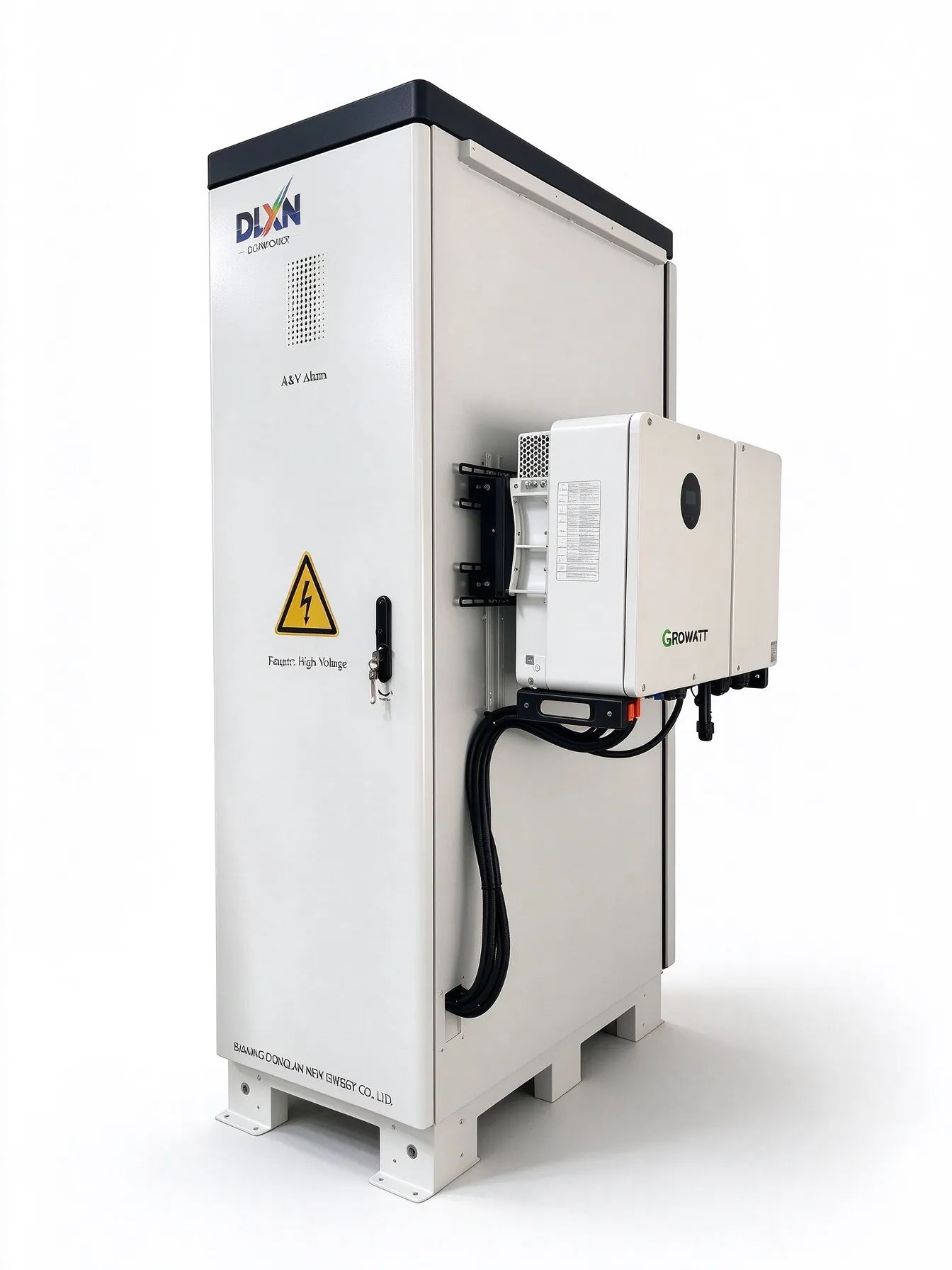
The solar panel price South Africa shoppers compare online rarely includes NRS 097-2-1 work. For a grid-tied hybrid in Cape Town or Johannesburg, compliance can involve an approved inverter setting, a municipal application, a bi-directional meter and an electrician's SANS 10142-1 Certificate of Compliance. City of Cape Town and City of Johannesburg processes differ, and NERSA registration rules apply at the relevant threshold. Budget ~R3,500 to ~R12,000 for CoC, documentation and application support on a typical 5 kW to 10 kW residential job, depending on DB-board condition and meter changes. These costs change the payback maths more than a ~R200 panel discount. A 5 kW array with 5 kWh lithium storage may quote ~R65,000 to ~R95,000 installed in Gauteng in May 2026, while a bare 10-panel module set is ~R21,000 to ~R32,500. Load-shedding has been less frequent in 2025-26 than in 2023, but municipal outages, voltage problems and Eskom tariff increases still push hybrid sales. The solar-battery-storage topic explains why storage sizing, not panel wattage, usually dominates the final ZAR number.
Battery and inverter quotes cross-check the module price
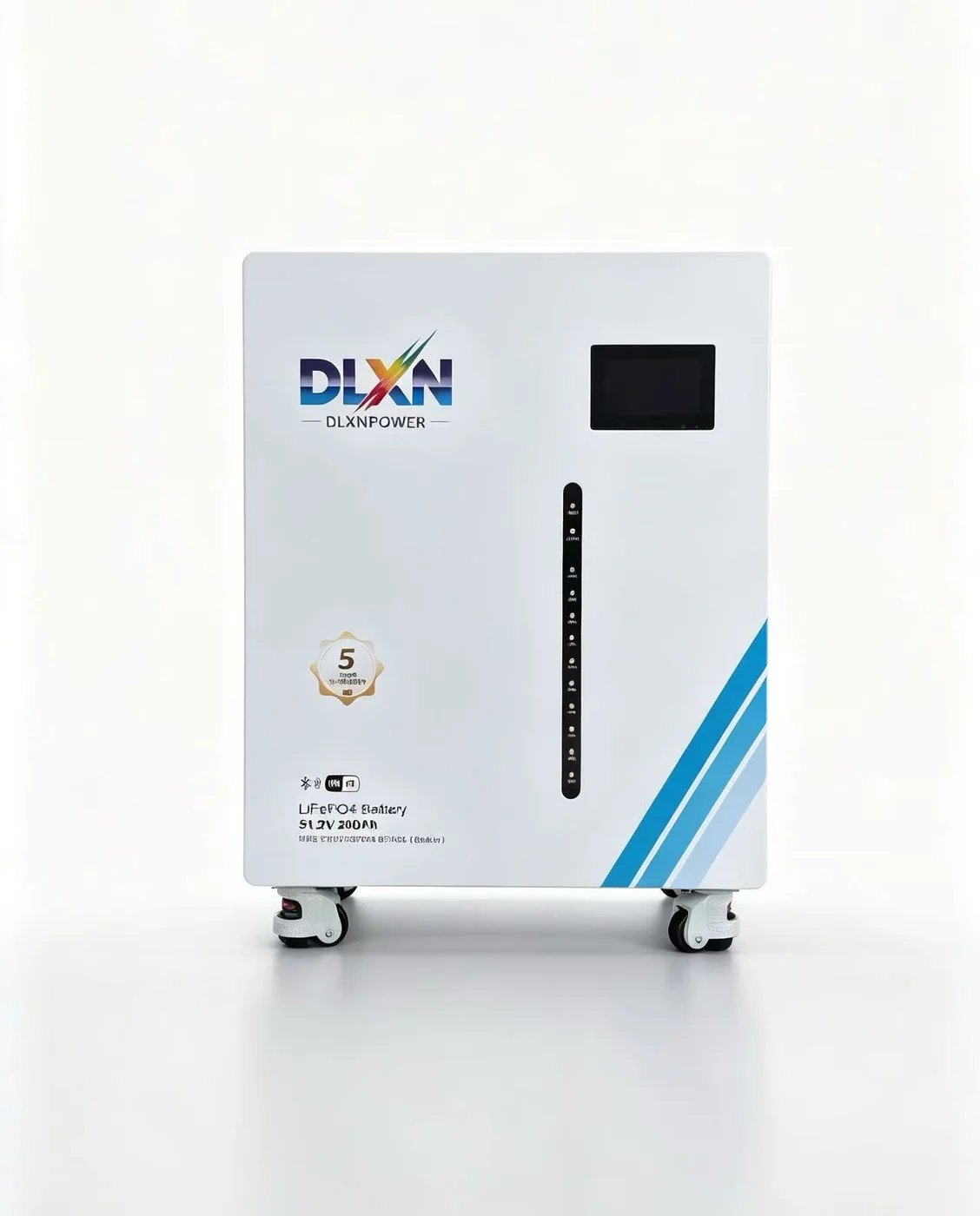
Panel price is only one line in a hybrid quote. In May 2026, a 5 kWh LiFePO4 battery with a recognised BMS is commonly quoted at ~R17,000 to ~R25,000 in Johannesburg, before mounting and integration; a 5 kW hybrid inverter adds ~R12,000 to ~R22,000. The LiFePO4 battery price index tracks cell and pack trends. If an installer offers a 5 kW hybrid system with 5 kWh storage below ~R55,000, check the battery brand, cycle warranty and whether the CoC and NRS 097-2-1 work are included. For commercial and agricultural buyers in Pretoria and Durban, the comparison shifts to yield and uptime. A 100 kWp rooftop system may use 550 W modules at ~R3.80/W to ~R5.60/W, but the inverter, mounting, cabling, monitoring and grid-compliance package can add ~45% to ~70% to the module bill. Wood Mackenzie and NREL both stress that balance-of-system and installation costs, not module nameplate price, increasingly set project economics in markets with import logistics like South Africa. Request a line-item bill of quantities, not a single rand-per-watt figure.
What Johannesburg and Cape Town buyers should do in Q3 2026
The practical answer to the solar panel price South Africa question is to demand a per-watt ZAR figure tied to a named model, not a generic "550 W panel". Ask for JinkoSolar Tiger Neo, LONGi Hi-MO 6 or Trina Vertex S+ datasheets and IEC 61215/61730 certificates. Confirm the SANS 10142-1 CoC will be issued, and check whether NRS 097-2-1 compliance and municipal registration are included if you plan to export. For a 5 kW home in Johannesburg, Cape Town or Pretoria, a fair May 2026 range is ~R16,000 to ~R24,000/kW for PV-only before storage, subject to roof access and DB-board work. Expect Q3 2026 module quotes to stay volatile rather than collapse. BloombergNEF's oversupply view argues for lower global prices, but rand weakness, shipping surcharges and port delays in Durban can offset that; Wood Mackenzie has repeatedly warned that module price floors do not guarantee landed-cost relief. The solar panels product page lists current DLXN module formats, while the residential ESS page covers hybrid packages. Treat any quote older than 14 days as indicative, and insist that VAT, delivery, mounting and compliance are separated.
Grid tariffs and the next ZAR price signal
Eskom tariff increases and municipal surcharges are now a bigger driver of residential demand than panel spot prices. NERSA's 2025-26 decisions raised the cost of grid electricity in many municipalities, which improves the payback on a 5 kW PV system even when the solar panel price South Africa quote is flat. In Cape Town, Johannesburg and Durban, installers report more buyers asking for grid-tied systems with limited or no export, because NRS 097-2-1 metering and approval add time. That changes the bill of materials, not the module price itself. For Q3 2026, the base case is a flat to ~5% lower ZAR module price if the rand holds and shipping stays calm; a weaker rand could push quotes up by a similar amount. IEA and BloombergNEF see global module capacity above demand, but South Africa is a price-taker with import friction. Buyers comparing a 580 W TOPCon panel with a 550 W PERC panel should value extra yield, roof space and mounting savings. The final check is a signed quote with model, wattage, IEC certificates, CoC and NRS 097-2-1 scope.
Related products
In-stock models that match this article — specs and RFQ on each page.