News & Updates
Latest from DLXN Energy
solar panel price philippines: May 2026 landed-cost check
Metro Manila landed cost beats brochure watts
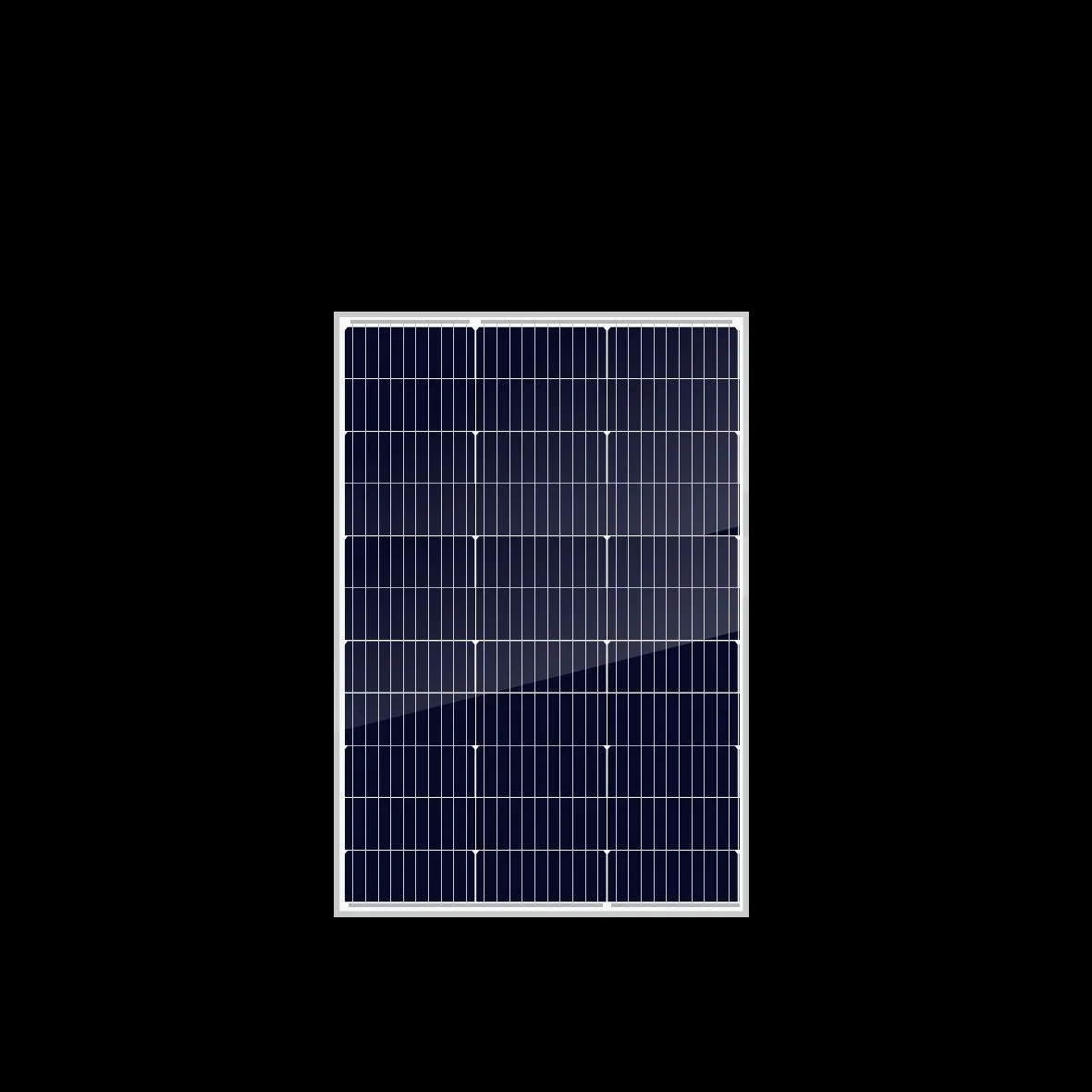
The solar panel price philippines debate in Metro Manila shifted in May 2026 from headline watts to landed cost. Tier-1 550–620 W monocrystalline TOPCon modules are quoted at ~PHP 11–17/W ex-warehouse, depending on brand, volume and whether freight and VAT are bundled. With the peso near PHP 56–58/US$, BloombergNEF’s mainline module benchmarks of ~US$0.09–0.12/W translate into a narrow import floor, but local margins, small-order handling and warranty support widen the spread. Buyers comparing Cebu or Davao quotes should strip out installation, racking and inverter costs before calling a module cheap. Our market price guide tracks these landed-cost bands. Retail quotations for a complete residential system in Metro Manila now sit at ~PHP 45,000–65,000/kWp before net-metering paperwork, according to installer price sheets reviewed in May 2026. That covers panels, inverter, mounting, DC/AC wiring and standard commissioning, not batteries or utility upgrades. Cebu and Davao buyers typically pay ~PHP 0.5–1.5/W more for freight, smaller order sizes and limited accredited installers; Clark projects can avoid some logistics cost because of proximity to Manila warehouses. The lesson is simple: compare PHP/kWp and warranty terms, not PHP per panel. Check solar panels specifications before accepting a bundle.
DOE accreditation and ERC net metering set the real cost
Regulation, not module efficiency, often decides whether a Philippine project clears budget. DOE accreditation matters for renewable-energy projects and installer credentials, while distribution utilities such as Meralco, Visayan Electric and Davao Light require their own net-metering applications. Under ERC net-metering rules, qualified customers with systems up to 100 kW can receive credits at the utility’s blended generation rate, not at retail tariff. That credit gap is why the solar panel price philippines calculation must include the DU’s approval timeline, meter replacement and possible upgrade charges. A cheap array with a stalled net-metering account is an expensive array. Philippine Electrical Code compliance adds another line that buyers forget. PEC 2017 provisions for PV systems cover disconnects, conductor sizing, grounding, labeling and rapid shutdown where applicable; inspectors in Metro Manila and Cebu have become stricter on DC isolators and roof penetrations. For commercial rooftops in Clark, the local electrical utility may also require a protection study before parallel operation. None of this appears in a per-panel quotation. Budget ~PHP 3,000–8,000/kWp for code-compliant balance-of-system work, and keep as-built drawings for ERC and DU filings. Hybrid systems add separate labeling and disconnect requirements.
Module chemistry and warranty drive PHP spreads
At the module level, the spread inside the solar panel price philippines quote is mostly chemistry, cell count and warranty exposure. Mainline TOPCon products from Longi Hi-MO 6, JA Solar DeepBlue 4.0 and Trina Vertex S+ now dominate 550–620 W offers in Manila warehouses; older PERC stock is cheaper but harder to match when a string fails. BloombergNEF’s 2026 price tracking still shows module prices under pressure globally, yet Philippine retail prices lag because distributors carry inventory, FX risk and warranty obligations. Bifacial glass-glass modules can add ~PHP 1–2/W, which only pays back on reflective roofs or elevated carports. Ask for IEC 61215 and IEC 61730 certificates before comparing pesos per watt. Warranty terms matter more in Cebu, Davao and coastal Clark sites where salt mist and humidity attack frames, junction boxes and connectors. A 25-year performance warranty is not a 25-year product warranty; most Tier-1 brands offer ~12–15 years product and ~25–30 years performance, with degradation limits around 0.4–0.55%/year. NREL field studies repeatedly show connector and installation faults outpace cell failures, so the cheapest panel can become costly if the installer uses mismatched MC4 connectors. Request a written degradation table, a local service address and a spare-module commitment. Those three items are worth more than another PHP 0.5/W discount.
Batteries and hybrid systems change the quote
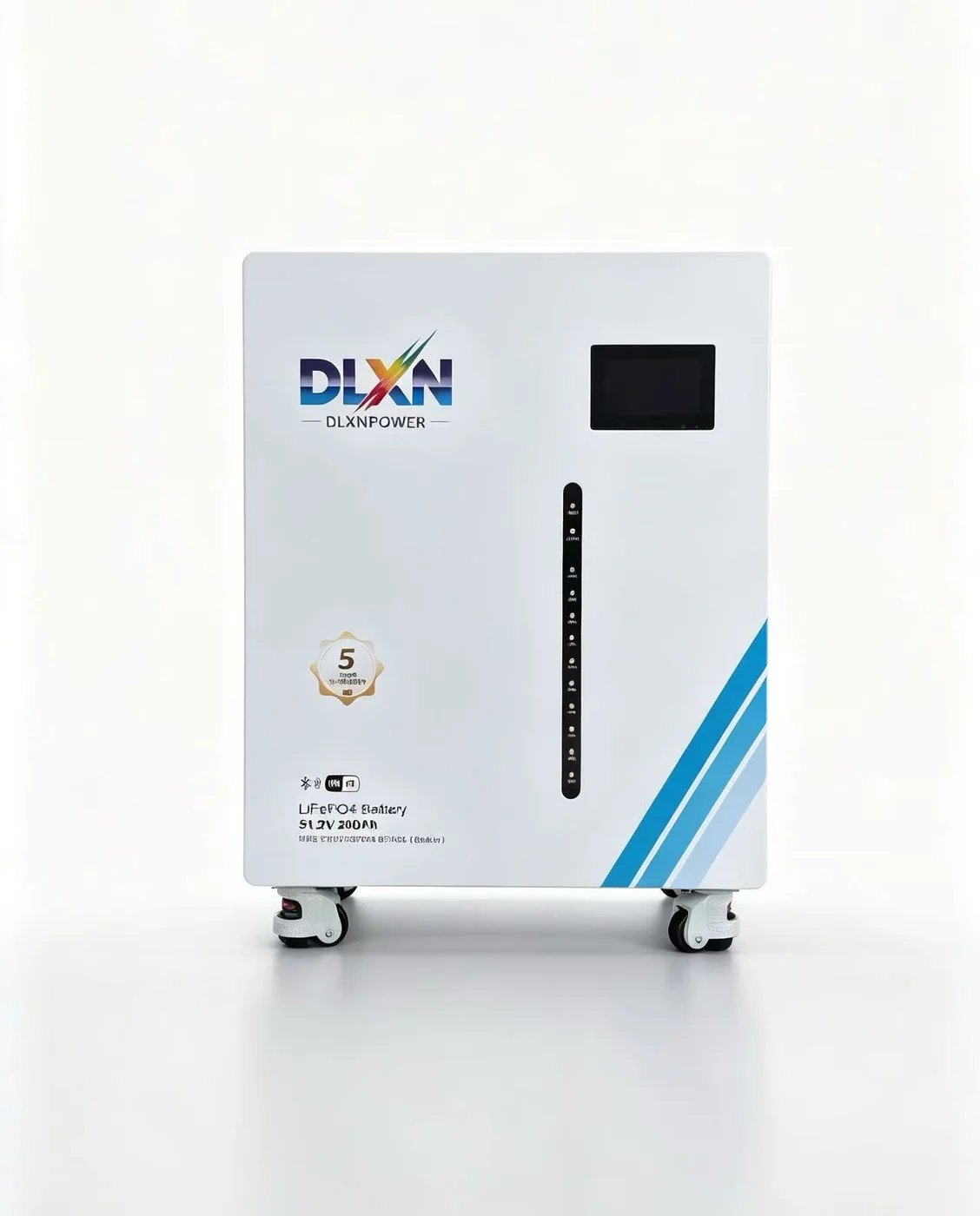
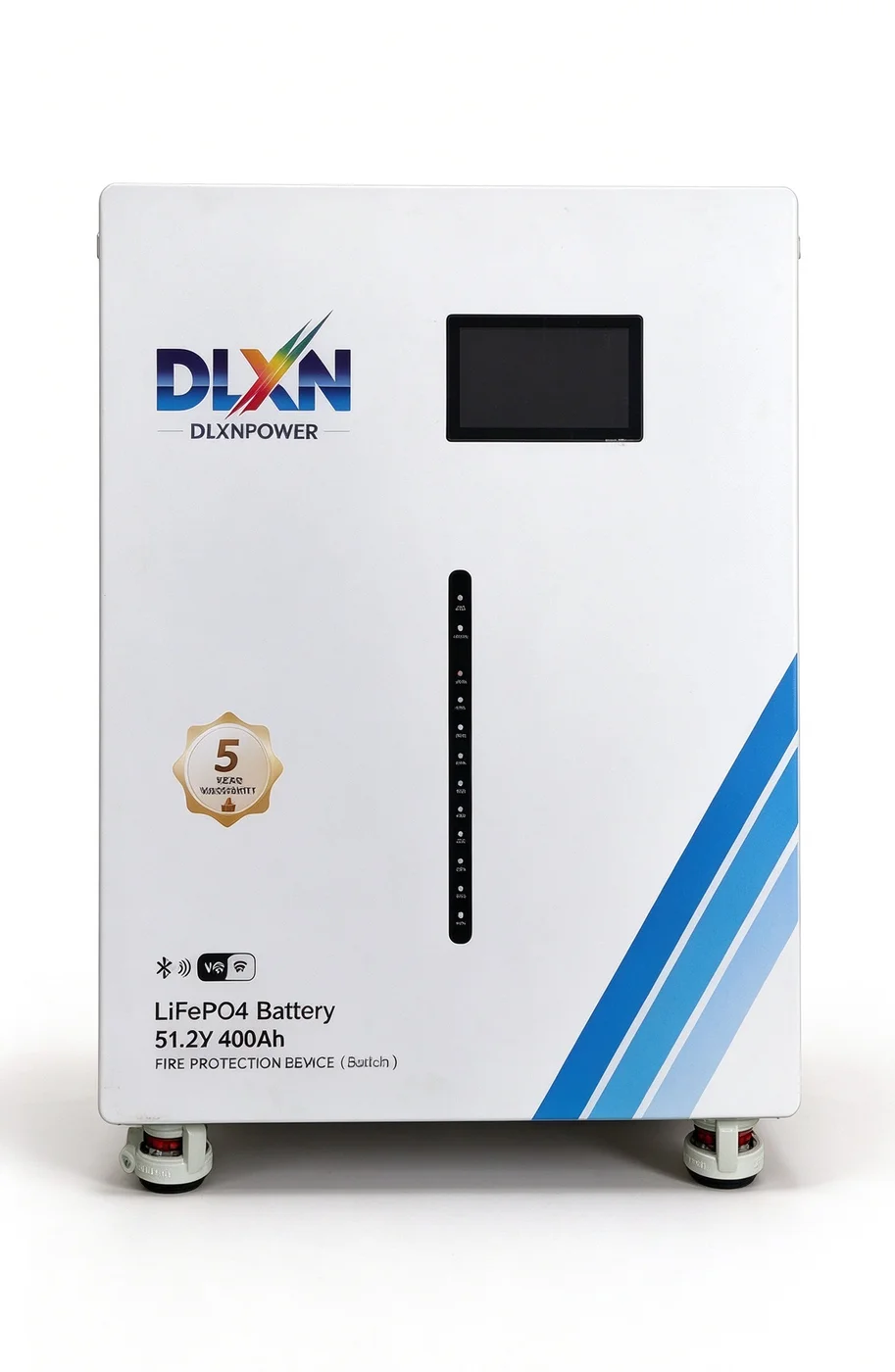
Net-metering credits rarely match retail rates, so more Philippine homeowners are adding lithium storage. A hybrid inverter plus 5–10 kWh LiFePO4 battery can add ~PHP 150,000–350,000 to a Metro Manila residential quote, depending on backup circuits and whether the system is grid-tied or off-grid capable. The solar panel price philippines line item may be falling, but the battery line is now the swing cost. Our LiFePO4 price index tracks pack-level trends; installed PHP/kWh remains higher because of enclosure, BMS integration, labor and PEC compliance. Storage also changes the procurement sequence. If the goal is backup during typhoon-season outages, size the battery for critical loads first, then size the array; otherwise installers oversell panels and undersize inverters. A 5 kW hybrid inverter with 10 kWh storage is a common Metro Manila package in May 2026, but Cebu and Davao buyers should specify high-temperature derating because roof voids regularly exceed 40°C. Ask for UL 9540A or IEC 62619 evidence, a clear backup-transfer scheme and a commissioning report. The residential ESS checklist is a better starting point than a per-panel auction.
What buyers in Clark, Cebu and Davao should tender
For a May 2026 tender, require separate prices for modules, inverter, racking, electrical BOS, labor, commissioning and net-metering support. Specify IEC-certified modules, a factory-audited inverter, PEC-compliant drawings and a DOE-accreditation trail where the project size triggers it. Ask for landed cost in PHP with an FX clause, not a US-dollar quote converted on signing day. In Metro Manila, compare at least three installers with valid permits; in Cebu, Davao and Clark, confirm local stock and service response. A credible bid will show the solar panel price philippines component separately from the battery and utility charges. Price direction is less helpful than it looks. IEA and Wood Mackenzie both expect global module oversupply to persist through 2026, which argues for flat-to-lower panel prices, but Philippine logistics, peso weakness and utility processing delays can absorb the savings. A realistic planning range for residential turnkey solar in Metro Manila is ~PHP 45,000–65,000/kWp before storage; add ~PHP 15,000–30,000/kWh for installed LiFePO4 storage. Do not lock a 12-month installation schedule without a DU approval milestone. Send project details through contact if you need a PEC and ERC document checklist before signing.
Related products
In-stock models that match this article — specs and RFQ on each page.