The traditional stack, priced honestly
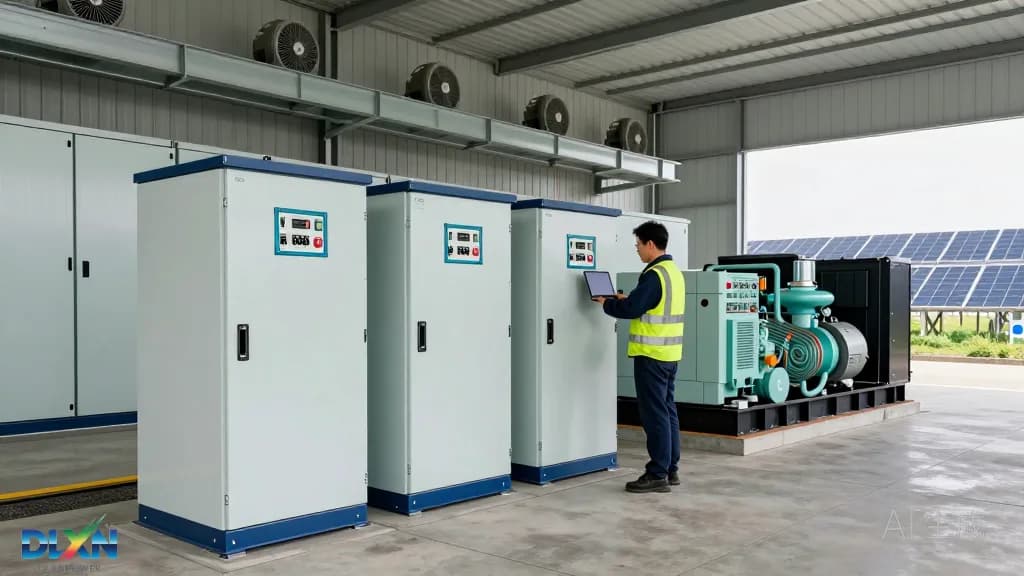
A diesel generator is the cheapest thing you can buy per installed kVA and frequently the most expensive thing you can own per delivered kWh. Quotations usually compare capex only, which flatters the genset badly. A 250 kVA set running at 30% average load burns far more fuel per kWh than the same set at 70%, and most commercial sites sit in that poor-load band because the set was sized for a motor-start peak rather than for energy. Add fuel delivery to a rural site, tank cleaning, fuel theft, oil and filter changes every 250 to 500 run-hours, and an annual load-bank test. Then notice that the machine's real job is capacity, not energy: it exists for perhaps 60 hours a year and is paid for across 8,760.
Lead-acid UPS banks hide their cost in the replacement cycle. A flooded or AGM bank delivers roughly 500 to 800 cycles at 50% depth of discharge, so any application that cycles daily consumes the bank in two to three years. The room is the second invoice: acid batteries need ventilation, thermal control and floor area that in a city warehouse is often worth more than the battery.
Five numbers that decide the comparison
Efficiency is the metric most often quoted and the least useful on its own. What matters is cost per delivered kWh at your duty cycle, and that number is built from the five rows below.
| Metric | Diesel genset | Lead-acid UPS bank | LFP cabinet (215 kWh) |
|---|---|---|---|
| Fuel-to-electric / round-trip efficiency | ~35–40% | 80–85% | ~92% DC round-trip |
| Usable cycles | n/a (hours-based) | 500–800 at 50% DoD | ~6,000 at 80% DoD |
| Response to outage | 8–15 s start and transfer | under 10 ms | under 20 ms |
| Routine maintenance | every 250–500 run-hours | quarterly inspection | annual torque and firmware check |
| Consumable cost | fuel, filters, oil | full bank every 3–5 years | none |
Read the response-time row carefully, because it decides architecture rather than product. If the load includes servers or a running production line, no genset replaces a static transfer fast enough and you keep a small UPS in front of it either way. If the load is refrigeration, pumps or lighting, the 8 to 15 seconds a generator needs is usually survivable and the storage case rests on economics alone.
For context on how fast the economics have moved, BloombergNEF's Global Energy Storage Outlook 2025 tracks another year of double-digit installation growth with continued cell-price decline, and Lazard's LCOE+ analysis (2024 edition) shows standalone commercial storage levelized costs falling steadily since 2018. Neither document will size your cabinet. Both tell you the direction of travel is one-way.
What the datasheet will not tell you on the first page
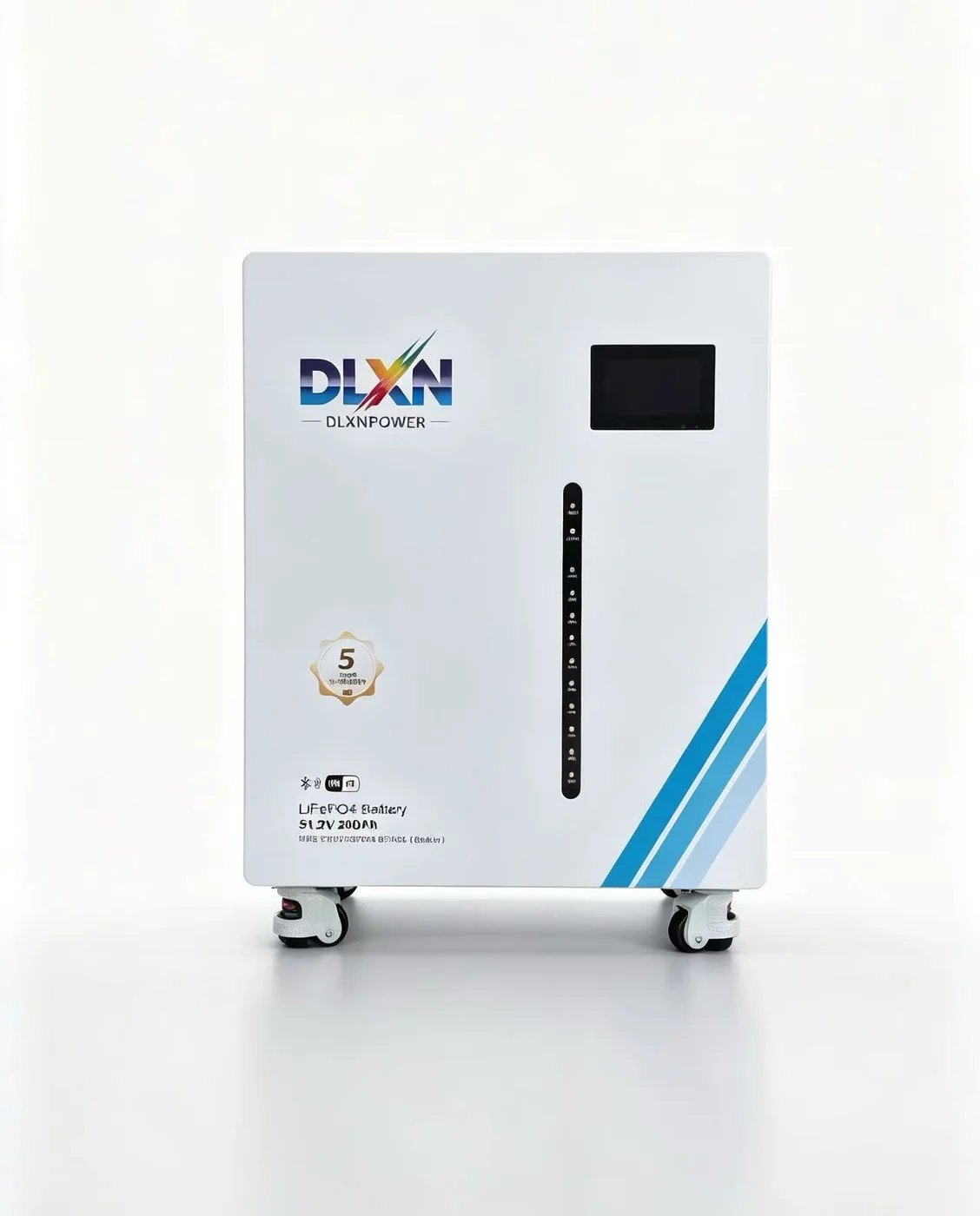
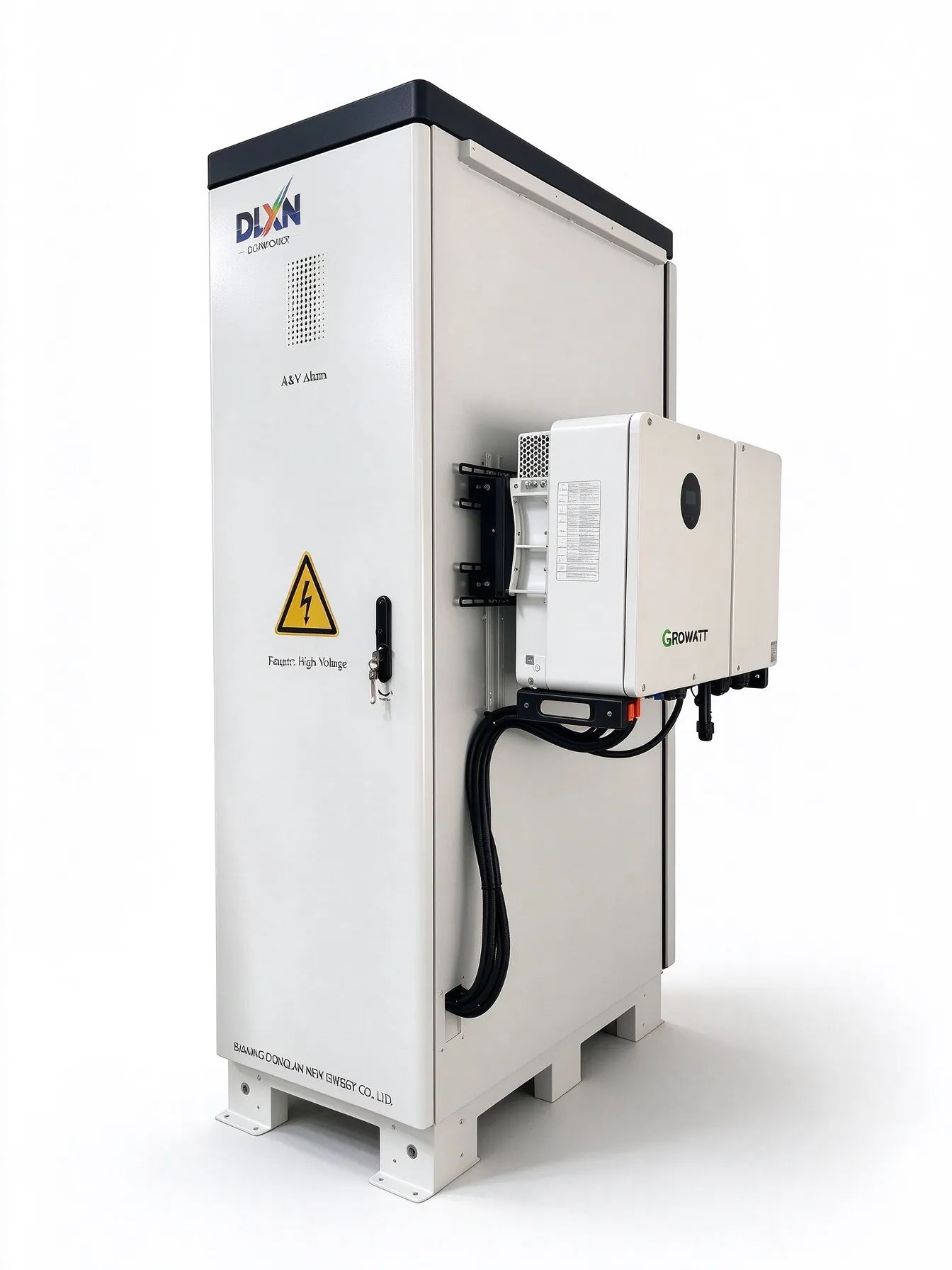
Our own LFP cabinets ship from 100 kWh to 215 kWh usable per cabinet, at 600–800 V DC nominal, rated 0.5C continuous with a 1C peak for ten seconds. That continuous figure is the one to design around: a 215 kWh cabinet delivers roughly 107 kW indefinitely, and the 1C peak covers motor inrush, not a two-hour overload. Buyers who size on the peak number discover the difference in the first summer.
Cycle life claims deserve the same scepticism. A figure of 6,000 cycles to 80% state of health means nothing without the depth of discharge, the ambient temperature and the end-of-life definition attached to it. Ask for all three in writing. On our own assembly line, the units that come back are rarely cell failures; they are contactor wear and loose DC terminations after the first hot season, which is why the torque schedule matters more than the cell datasheet.
Cabinet footprint is the quieter constraint. A single 215 kWh LFP cabinet occupies roughly two square metres of floor and needs clearance for door swing and airflow, against a lead-acid room several times that size for the same usable energy. Full specifications sit on the [lithium battery product page](/products/lithium-battery), and the sizing methodology behind them is set out in our [battery storage technical notes](/tech/battery-storage).
A cold-chain retrofit, sized around a 40-minute gap
Consider a representative configuration rather than a named customer: a 180 kWp rooftop array with a 215 kWh LFP cabinet at a dairy cold-storage facility in Nakuru, Kenya, commissioned in February 2026 and operated by the facility's own engineering team. The design brief was not energy independence. It was a 40-minute ride-through for compressor restart after a grid trip, plus tariff arbitrage on the evening peak.
Two decisions shaped the system. The array was split across two roof orientations because the available roof faced east and north, and the [solar panels](/products/solar-panels) were sized to the morning refrigeration load rather than to annual yield. The cabinet was then sized on the ride-through requirement, not on the solar, which meant the PV could be smaller and the payback shorter. Comparable installations and their measured performance are collected in our [project references](/projects).
When the battery cabinet is the wrong purchase
Storage loses to a diesel set in a specific and predictable profile: a site with a highly reliable grid, fewer than a handful of outages a year, no meaningful tariff spread between day and night, and a load that peaks for two hours annually. In that case the cabinet is a capital asset idling for 8,700 hours, and a maintained genset plus a service contract is the rational buy. Say so in the business case rather than forcing the technology.
The second losing profile is thermal. An unshaded steel-roof plant room that holds 45°C in the afternoon will derate any lithium cabinet and shorten its life, and the cost of active cooling can erase the arbitrage margin entirely. If you cannot give the cabinet a shaded, ventilated position, fix the room before you buy the battery.
What to put in the tender document
- Duty cycle in kWh per day, with the peak demand in kW stated separately, so vendors cannot conflate energy and power.
- Depth of discharge, ambient temperature and end-of-life definition attached to any cycle-life claim.
- Guaranteed round-trip efficiency measured at the DC terminals, and the test condition it was measured under.
- A commissioning protocol covering torque verification, insulation resistance and a full black-start sequence.
- Spare-part and firmware-support terms for at least ten years, in writing.
A procurement team that gets those five items answered can compare a lithium cabinet, a genset and an acid bank on one spreadsheet without arguing about efficiency. If the numbers come out close, the deciding factor is usually maintenance labour rather than hardware, and that is a conversation worth having early with our engineering team through [the contact page](/contact) before the tender is frozen.