The three architectures, briefly
Traditional solar comes in two shapes, and they behave very differently. A grid-tied system pairs the array with a string inverter that follows the grid voltage and frequency, exporting whatever the site cannot consume and shutting down within milliseconds when the grid disappears, as required by anti-islanding standards such as IEC 62116 and UL 1741. An off-grid system replaces the grid with a battery bank, a charge controller and a standalone inverter, sized for the worst week of the year rather than the average day. Hybrid sits between them: a multi-mode inverter/charger manages PV, battery, grid and generator inputs at once, feeds a backed-up loads panel, and can form its own grid when the utility drops.
The distinction that matters commercially is what happens to surplus energy. Grid-tied systems sell it or lose it. Off-grid systems must dump it or curtail the array. Hybrid systems store it and dispatch it later against the site's own load.
That single difference drives most of the economics below.
What the numbers look like side by side
Indicative figures for a commercial rooftop in a mid-latitude market, normalised so the comparison stays useful across geographies:
| Metric | Grid-tied | Off-grid | Hybrid |
|---|---|---|---|
| Storage | none | 2 to 3 days of autonomy | 2 to 6 hours of critical load |
| Self-consumption of PV yield | roughly 30 to 50% | close to 100% | 60 to 85% |
| Backup transfer time | none, inverter shuts down | continuous | 10 to 20 ms on UPS-grade units |
| Conversion chain | one DC/AC stage | two stages plus charge control | two stages, often with DC-coupled MPPT |
| Typical round-trip efficiency | 96 to 98% (inverter only) | 80 to 88% | 85 to 92% |
| Principal wear item | DC isolators, connectors | battery bank | battery bank plus backup panel wiring |
| Best fit | daytime loads, strong net metering | no grid at all | weak grid, volatile tariffs, cold-chain loads |
Two numbers deserve attention. The round-trip figure is where marketing claims drift from reality: a hybrid that routes PV through a battery, then back out, loses 8 to 15% of the yield, and that loss must be paid for by the value of the stored energy. The transfer time is where user experience lives, because a 20 ms transfer keeps servers and chillers running while a 2 s transfer does not.
NREL's U.S. Solar Photovoltaic System and Energy Storage Cost Benchmark series, 2024 edition, tracks storage as a growing share of residential installed cost, with that premium falling as pack prices decline. IEA's Renewables 2024 report makes a related point from the deployment side: distributed PV keeps expanding fastest in markets where retail tariffs and export compensation diverge, which is exactly the condition that makes self-consumption valuable.
Self-consumption decides the payback
A battery earns money only when it moves a kilowatt-hour from a low-value moment to a high-value one. On a site with generous net metering, where exported units are credited near the retail rate, storage has almost no arbitrage to capture and the payback stretches past the warranty. On a site where export is credited at a fraction of retail, or curtailed entirely, the same battery can pay back in a handful of years.
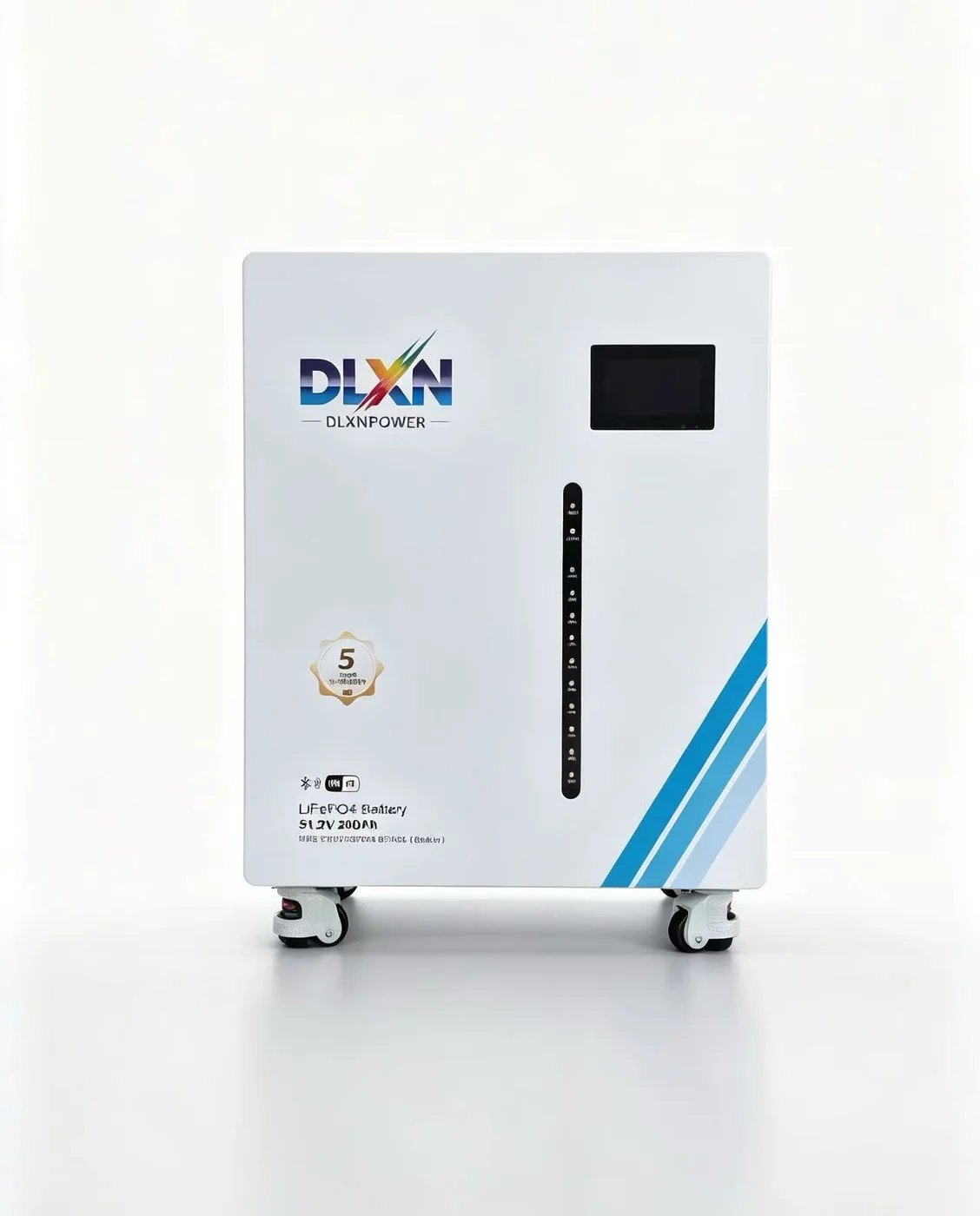
[DLXN's lithium battery range](/products/lithium-battery) is built around that asymmetry. Our wall-mount LFP packs ship at 5.12 kWh per module on a 51.2 V bus, rated 6,000 cycles to 80% state of health at 0.5 C, which suits the daily single-cycle pattern most commercial sites actually run. Sizing to two cycles a day to shave peak demand is possible, but it consumes cycle life roughly twice as fast and rarely survives a proper financial model.
For most C&I loads, the honest sizing rule is the critical-load profile, not the total consumption. Count the circuits that must ride through an outage, add the starting current of the largest motor, and size the battery and [multi-mode inverter](/tech/inverters) to that number.
Where a hybrid is the wrong purchase
Stable grid, strong net metering, daytime-heavy load, and no operational reason to care about a two-hour outage. That combination describes a large share of offices, retail and light manufacturing in Northern Europe and parts of North America, and in those cases a battery is capital sitting at 100% state of charge, ageing quietly, delivering nothing.
Off-grid is the other trap. A site with a winter-peaking load at high latitude, or a telecom tower with a 400 W continuous draw and no generator allowed, will usually be cheaper and more reliable on a conventional PV-diesel hybrid than on a battery-only design pushed to three days of autonomy. Autonomy is expensive insurance, and it should be bought deliberately rather than by default.
There is also a technical wrong-choice case. A load dominated by large direct-online motors, with no soft starters and a high inrush multiple, will trip a hybrid inverter sized on running kW alone. Either the inverter carries the surge, or the site keeps the grid as the motor's primary source and treats the battery as a backup for controls and IT loads only.
The parts that actually fail
- Terminal torque and busbar fasteners, checked again after the first thermal cycle.
- DC isolators on the roof, particularly where the enclosure faces afternoon sun.
- Battery room temperature: sustained operation above 30 °C shortens calendar life more than cycling does.
- Commissioning of the backup panel, where a neutral bonded twice or a load left off the transfer switch silently defeats the whole design.
- Firmware and grid-code settings, which should be documented at handover rather than discovered two years later.
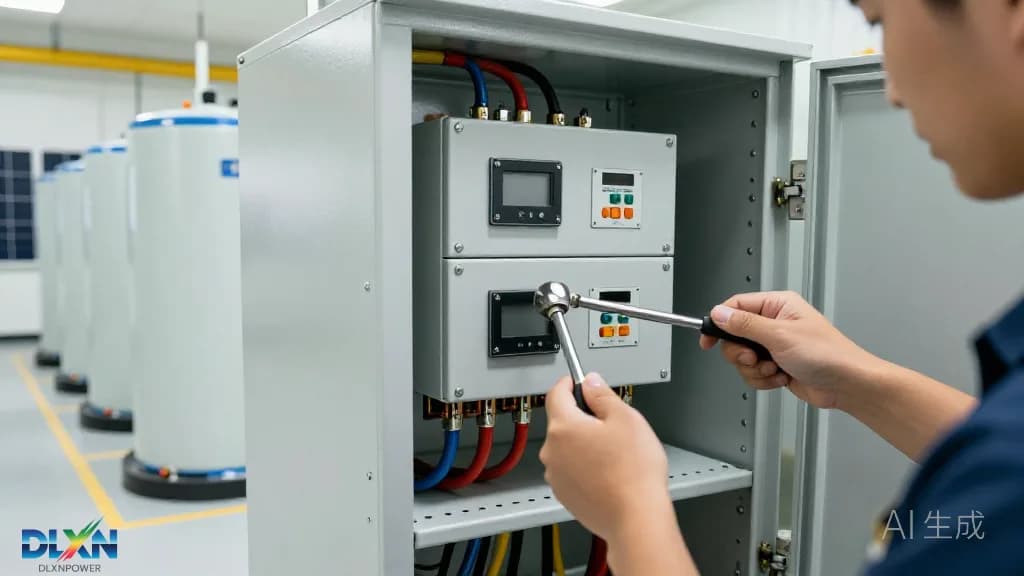
In our own QC line, the failures we chase are almost never the cells. They are terminal torque and busbar fasteners that were never re-torqued after the first thermal cycle.
A representative retrofit, and the specification that followed
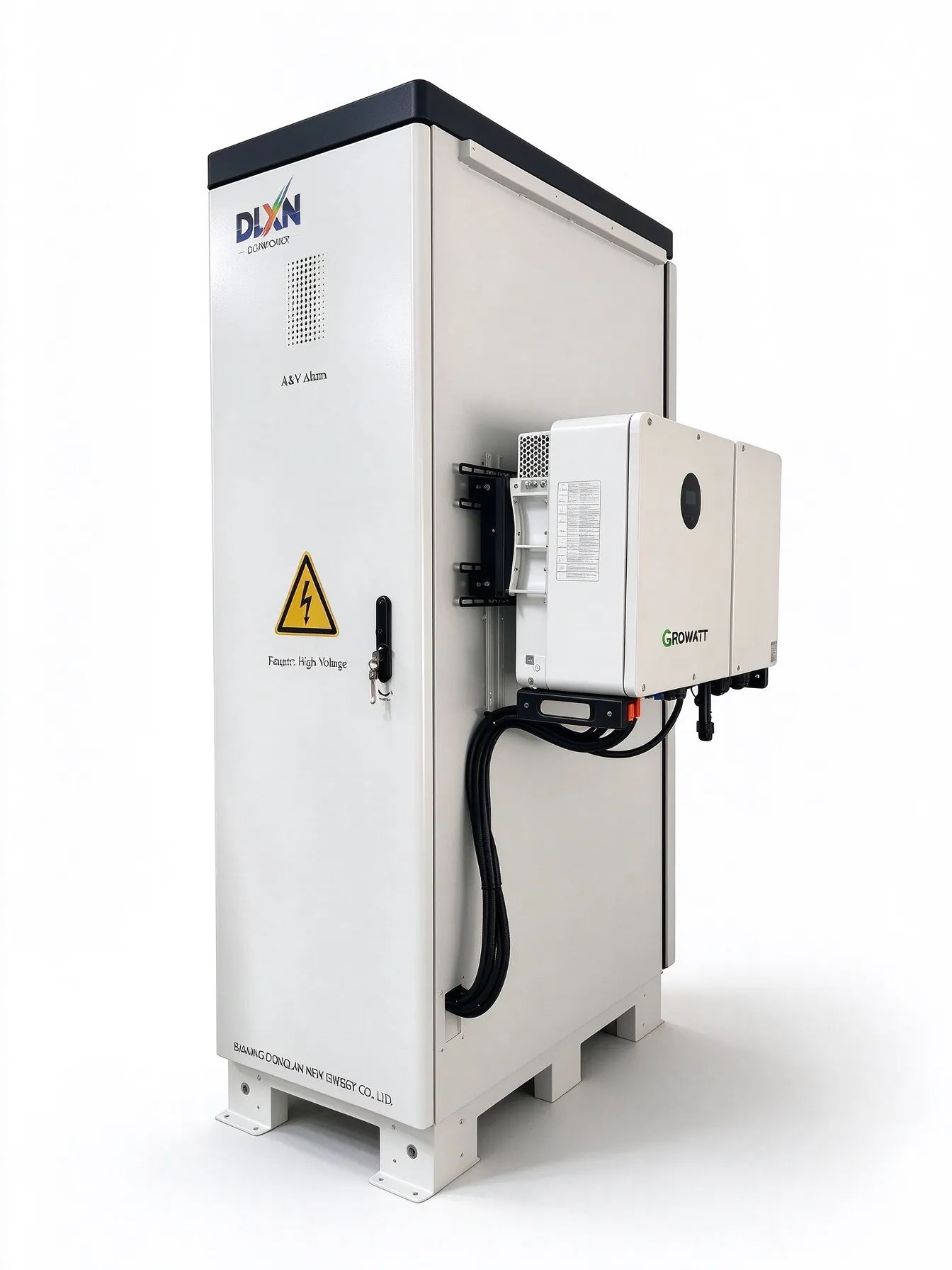
A 180 kWp hybrid retrofit at a cold-storage warehouse in Long An province, Vietnam, commissioned in the first quarter of 2025, is a representative configuration rather than a named customer engagement. The site runs ammonia compressors with a strong daytime overlap, sits on a feeder with frequent short outages, and faced an export tariff well below its retail purchase rate. The design paired the array with a 150 kW multi-mode inverter block, roughly 200 kWh of LFP storage, and a backed-up panel carrying controls, lighting and one compressor circuit rather than the whole plant.
The specification lesson was in the segregation. Backing up everything would have tripled the battery and doubled the inverter block for a marginal reliability gain. Backing up the controls allowed the plant to hold temperature through an outage without carrying the full compressor load.
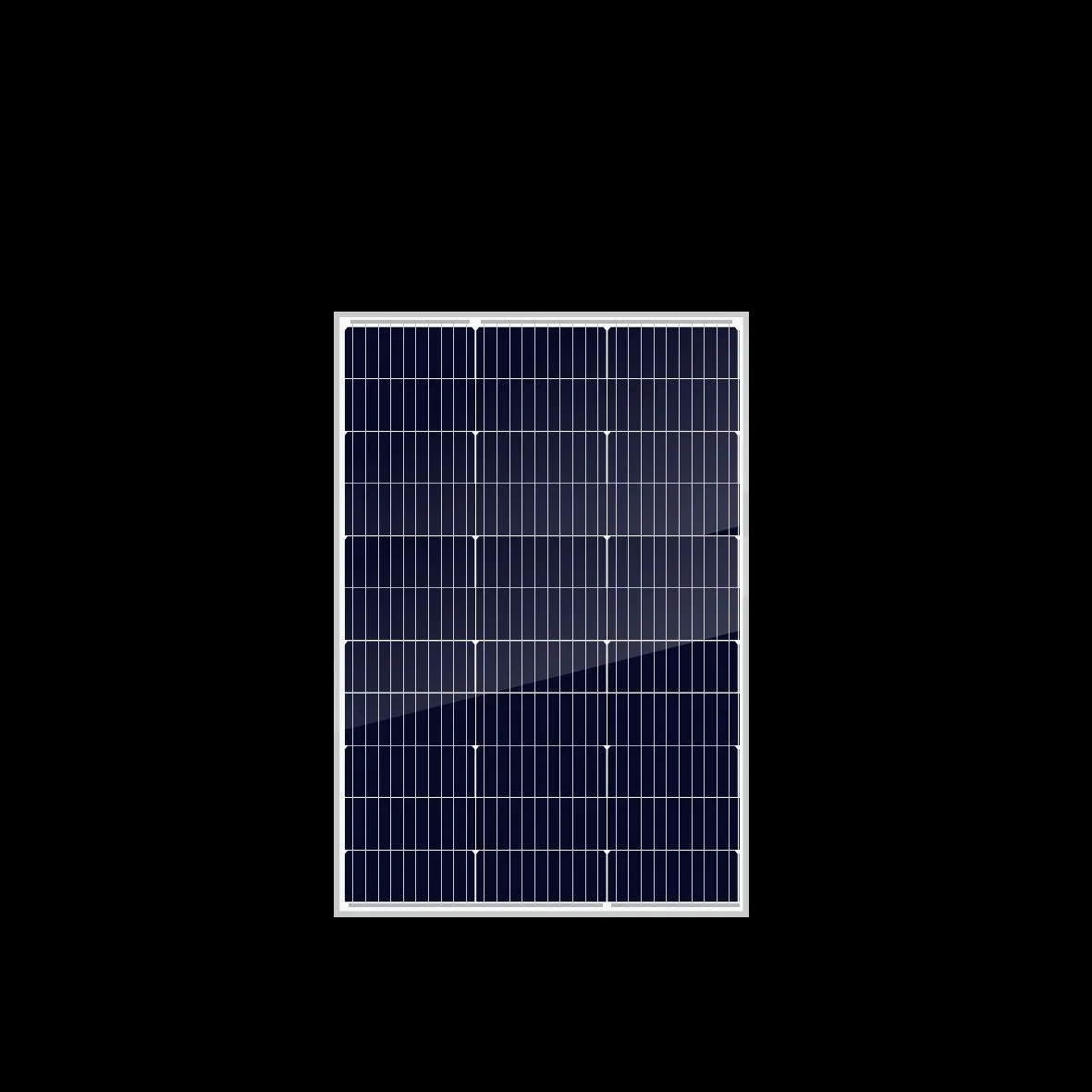
Prospective buyers comparing this against a traditional grid-tied build should ask four questions before signing: what does export actually earn per kWh, how many hours of critical load must ride through, what is the ambient temperature at the battery location, and who re-torques the terminals at commissioning. The module side is the easy part, and our [solar panel range](/products/solar-panels) is specified alongside the same battery and inverter stack across projects documented in the [project archive](/projects).
Answer those four questions first. The architecture usually picks itself.