News & Updates
Latest from DLXN Energy
1000 W solar panel price in Nigeria: Lagos quotes slide on FX
What a 1000W panel actually is in Lagos shops
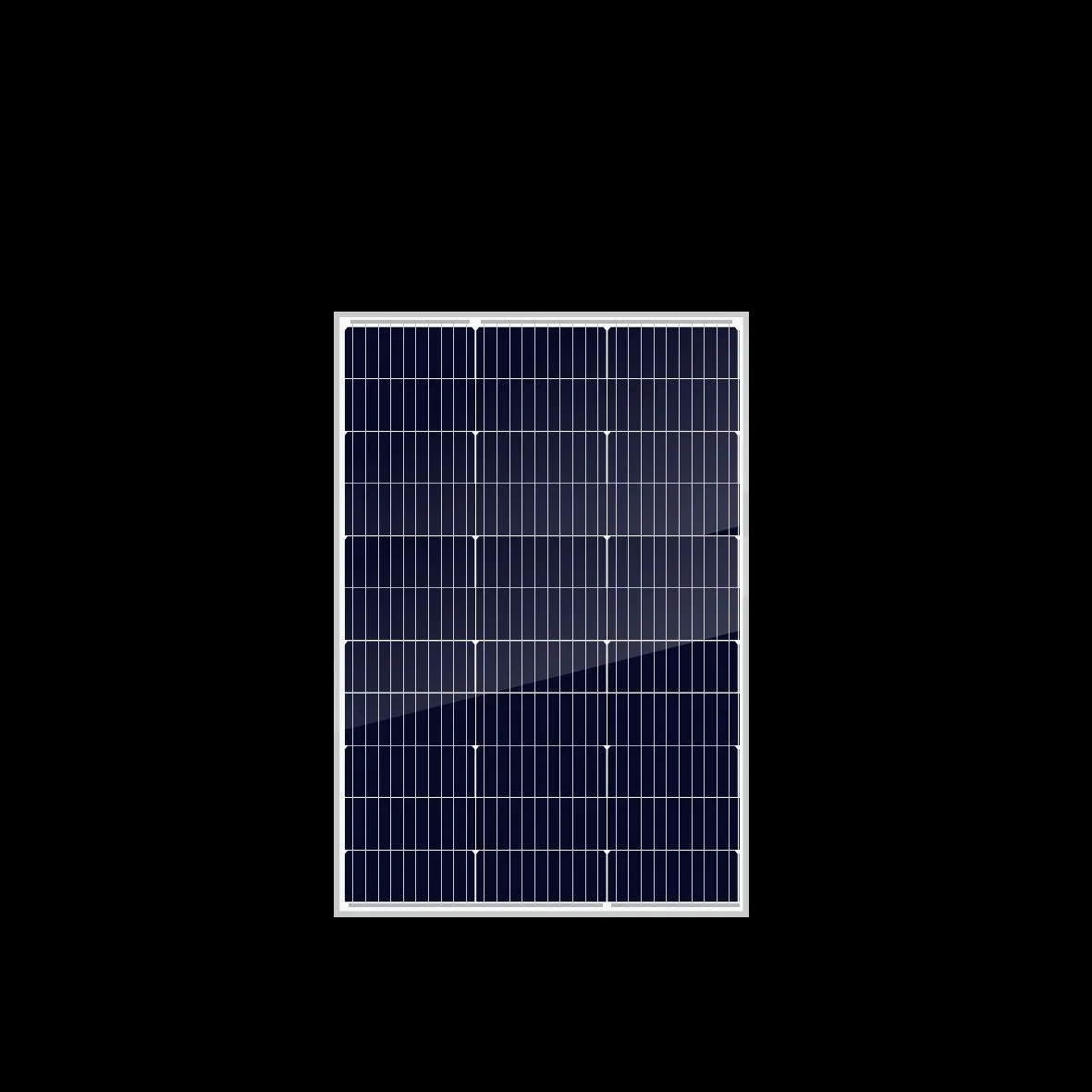
Walk into a dealer on Ojota or Alaba Road and the 1000w solar panel price in Nigeria you are quoted almost never refers to one module. It refers to two. Single-module 1,000W panels exist in datasheets but rarely in Lagos stock; what moves through Nigerian warehouses is 2 × 550W or 2 × 585W monocrystalline, sold as a "1kW set" with a combined nameplate of 1,100W–1,170W. Ask for the flash-test sheet before you accept the bundle. The distinction matters because dealers price sets, not watts. A pair of tier-2 500W poly or mono PERC modules and a pair of tier-1 585W TOPCon bifacial modules differ by 30–40% on the invoice while both get called "1000W". Check Voc, Imp and the temperature coefficient, then confirm the string fits your inverter's MPPT window. Catalogues for monocrystalline panels list these figures per model, which is the fastest way to compare what a Lagos or Abuja reseller is actually handing you.
Where quotes sit today in naira
As of this quarter, 1,000W of tier-2 mono PERC in Lagos clears at ~₦180,000–₦230,000; tier-1 550W pairs at ~₦230,000–₦290,000; and 585W bifacial TOPCon pairs at ~₦300,000–₦380,000. That works out to ~₦180–₦320 per watt at retail. Abuja quotes run 5–10% higher than Lagos on the same model, Port Harcourt similar, and Kano slightly lower on freight but with longer lead times. Our market price guide tracks the weekly spread. Set that against global pricing. BloombergNEF put TOPCon module prices at ~$0.09–$0.11/W through 2025, so 1,000W of glass and silicon is roughly $100 before freight. With the naira hovering around ~₦1,500–₦1,600/$ and landed costs layered on, the retail figure in Lagos is 15–20× the factory-gate number. Freight, clearing, duty treatment and two layers of dealer margin account for most of that gap, not the panel itself.
SONCAP, NERC and NEMSA add to the invoice
Compliance is a line item. Solar modules under HS 8541.40 need a SONCAP Product Certificate before Nigeria Customs will release them, and the Standards Organisation of Nigeria issues the SC used at the port. Importers without a valid certificate pay demurrage or reroute stock, and both costs reappear in the quote you hear in Kano or Port Harcourt. Counterfeit IEC labels are common; the SONCAP file number is the one document a buyer can verify. Installation is a separate regime. NEMSA certifies wiring, meters and connections, and any installer signing off on a commercial job should hold current certification. NERC's mini-grid framework, under the Electricity Act 2023, applies once a system crosses roughly 100kW and starts selling to third parties. For a 1kW rooftop array none of this binds you directly, but it explains why a certified installer in Abuja charges more than a roadside technician.
Freight, FX and dealer tier explain the spread
A 40-foot high-cube holds roughly 600–900 modules depending on wattage and packing. Freight rates on the China–Lagos lane have swung between ~$2,000 and ~$6,000 per container over the past two years, which translates to $3–$8 per module before clearing. Add terminal charges, agent fees and inland haulage to Abuja or Kano and the per-panel landed cost can move 20% in a quarter without any change in factory price. Dealer tier does the rest. Direct importers quote closer to landed cost; resellers two steps down the chain add 15–25%. Warranty provenance is the tell — a seller who cannot name the importer, produce serial numbers or show a 12-year product warranty document is unlikely to honour a claim in year four. Paying a 10% premium to a verifiable importer is usually cheaper than replacing a failed module at retail.
Panels are the cheap part of a 1kW system
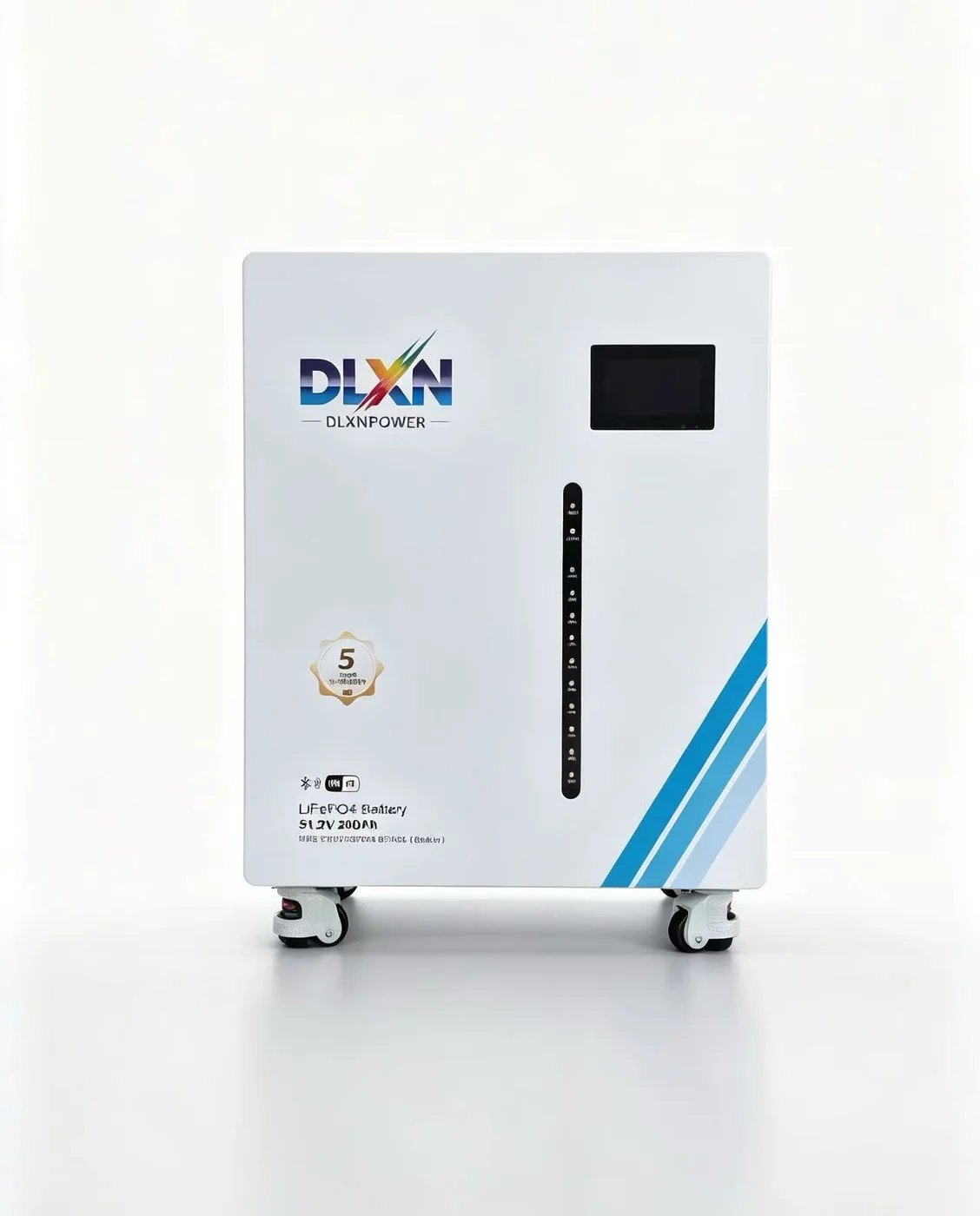
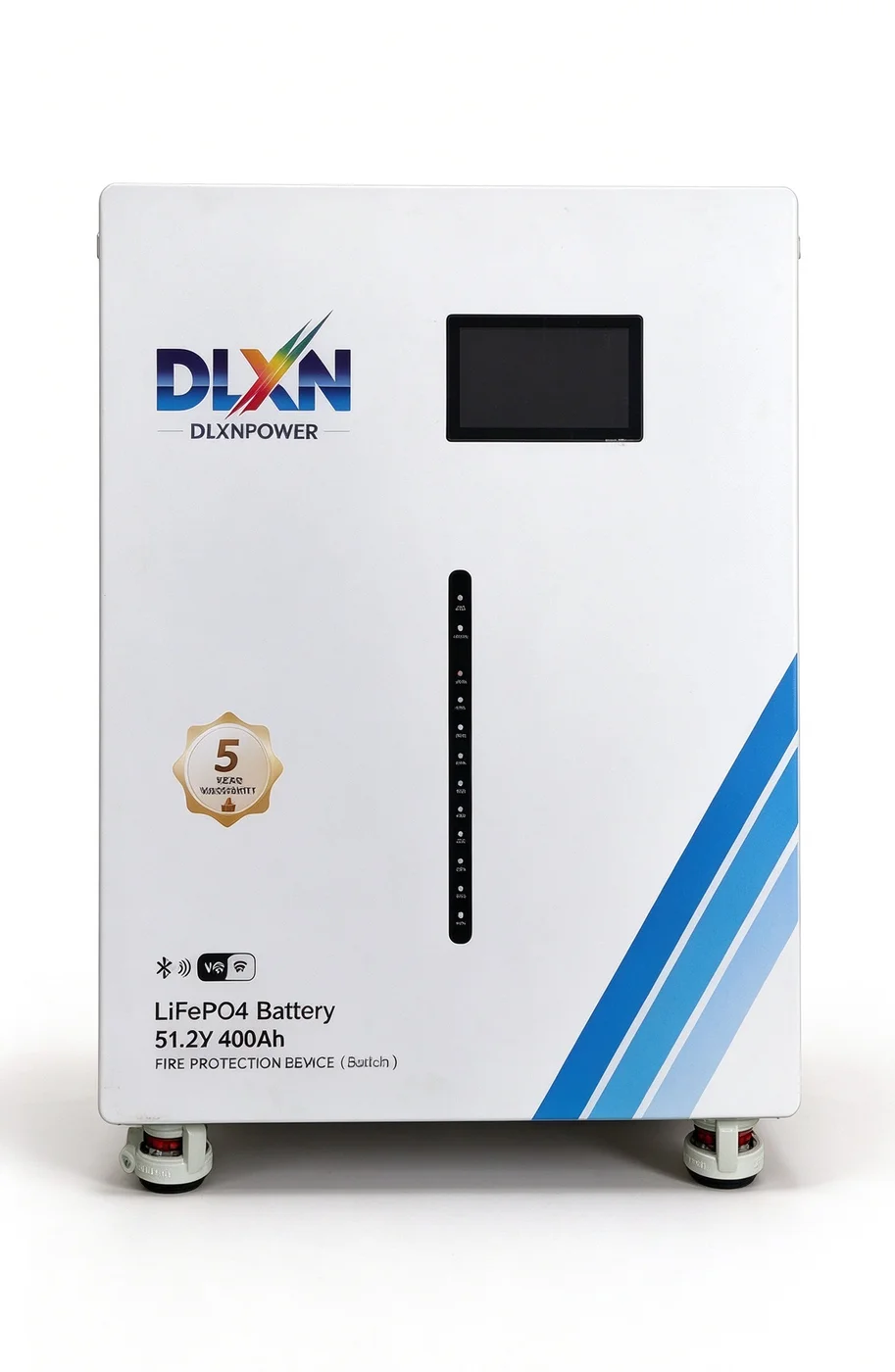
A 1kW array generates ~3.5–4.5 kWh/day in Lagos and Abuja, and ~4.5–5.5 kWh/day in the drier north, per NREL-style yield modelling adjusted for local dust and heat. That is modest. Pairing it with a 2.4–5kWh lithium battery and a 1–1.5kW hybrid inverter typically adds ₦700,000–₦1,400,000 to the project, so the modules are often under 25% of the total spend. Our LiFePO4 price index tracks that balance. The economics still hold against the alternatives. NERC Band A tariffs sit at ~₦206–₦210/kWh, and diesel in Lagos has traded around ~₦1,200–₦1,500/litre, which puts generator power well above ₦400/kWh once maintenance is counted. A 1kW solar-plus-storage system displacing 4kWh/day saves roughly ₦25,000–₦30,000 a month at Band A rates, before diesel backup is factored in. Sizing guidance sits in our battery storage section.
Before you pay in Abuja, Port Harcourt or Kano
Insist on four documents: the module datasheet with flash-test values, IEC 61215 and 61730 certificates with a traceable issuer, the SONCAP certificate number, and a written warranty naming the importer. Verify the nameplate totals at least 1,000W — a "1kW set" of 2 × 450W is 900W and will underperform your inverter's expectations. Ask whether mounting, DC cable and breakers are included; many Lagos quotes exclude them and the gap is ₦40,000–₦80,000. Climate changes the calculation by city. Kano's dust load and 40°C-plus afternoons cut yield and accelerate soiling losses, so budget for cleaning every two to three weeks and derate expectations by ~10%. Port Harcourt's humidity pushes you toward IP68 junction boxes and corrosion-rated mounting. If you are comparing inverter-and-battery bundles rather than panels alone, review residential ESS units and confirm the 1kW array's Voc stays inside the MPPT range at the coldest morning temperature you expect.
Related products
In-stock models that match this article — specs and RFQ on each page.