News & Updates
Latest from DLXN Energy
Nigeria solar panel price in Abuja: SONCAP checks add NGN costs
Abuja quotes move with clearance, not module efficiency
The solar panel price in abuja is now quoted mostly in NGN ranges of ~₦350-₦550 per watt for Tier-1 mono PERC and TOPCon modules, based on dealer checks in Wuse and Gudu in November 2026. A 550W panel therefore lands around ~₦193,000-₦303,000 before mounting, while 200W modules trade at ~₦70,000-₦110,000. Those ranges reflect stock cost and clearing, not a clean efficiency curve; two shops on the same street can differ by ~8-12% for the same wattage. Cash buyers in Lugbe often get better paper prices than installers buying on 30-day terms. Abuja is a landlocked distribution market, so haulage from Lagos ports and dealer warehouses adds a visible layer to the quote. Importers moving stock from Apapa or Lekki to Wuse, Gudu and Lugbe typically budget ~5-9% above Lagos landed cost, depending on truck size and security routing. Port Harcourt and Kano can be cheaper or dearer week to week because stock turns differ. Check solar panels specifications and ask for flash-test data, IEC certificate numbers and the actual landed batch date before comparing NGN quotes.
SONCAP, NERC and NEMSA shape the invoice
The solar panel price in abuja also carries compliance cost that buyers rarely see in a WhatsApp quote. SONCAP conformity assessment for regulated electrical imports adds inspection, certificate and clearing time; a missing document can hold a container while demurrage accrues. NERC rules matter more for mini-grid and embedded generation projects than for a single rooftop array, but installers still price licensing and metering risk into commercial proposals. NEMSA inspection requirements affect the balance-of-system and commissioning side, so a cheap panel can become expensive if the installation paperwork fails. On commercial rooftops in Abuja, NERC's mini-grid and embedded-generation framework can trigger permit work once a project crosses licence thresholds; the exact trigger depends on capacity, network and offtake structure, so developers should confirm with counsel. NEMSA's technical inspection is separate from NERC's market approval. For hybrid systems, the battery invoice can rival the panel invoice; use solar battery storage guidance to compare usable kWh, cycle warranty and inverter compatibility before accepting a bundled NGN price. Ask for datasheets and separate line items. Documentation is not paperwork theatre. A SONCAP certificate should match the model and importer; NEMSA inspection should cover earthing, surge protection and labelling; NERC approvals should match the project's offtake model. When an Abuja quote excludes these steps, the installer is either absorbing them or passing them to the client later. Ask for copies before paying a deposit, and check that the panel serial numbers on the invoice match the cartons delivered. A missing certificate is a price risk, not a discount.
NGN and FX set the floor, not panel wattage
Nigeria's naira cost of imported modules remains the dominant variable. BloombergNEF's 2025 module price surveys put global mono PERC/TOPCon module prices at record lows in USD per watt, but Nigerian buyers do not capture that fully because FX, freight, duty and clearing spread the benefit unevenly. IEA's PV market reporting shows shipment volumes rising, yet local stock is thin and dealers reprice weekly. Wood Mackenzie has flagged module price volatility from trade policy and manufacturing oversupply; in Abuja, that shows up as quote validity of ~7-14 days, not annual price lists. The solar panel price in abuja is therefore a distribution price, not a factory gate price. A dealer holding 550W stock bought at a weaker naira may quote below a competitor restocking this week; a buyer comparing only wattage will misread the market. The market price guide tracks NGN ranges by city and should be read beside current FX and clearing costs. Lagos quotes can be ~3-7% lower than Abuja on high-volume pallets; Kano and Port Harcourt swing with freight and local demand.
Spec sheets matter less than landed cost
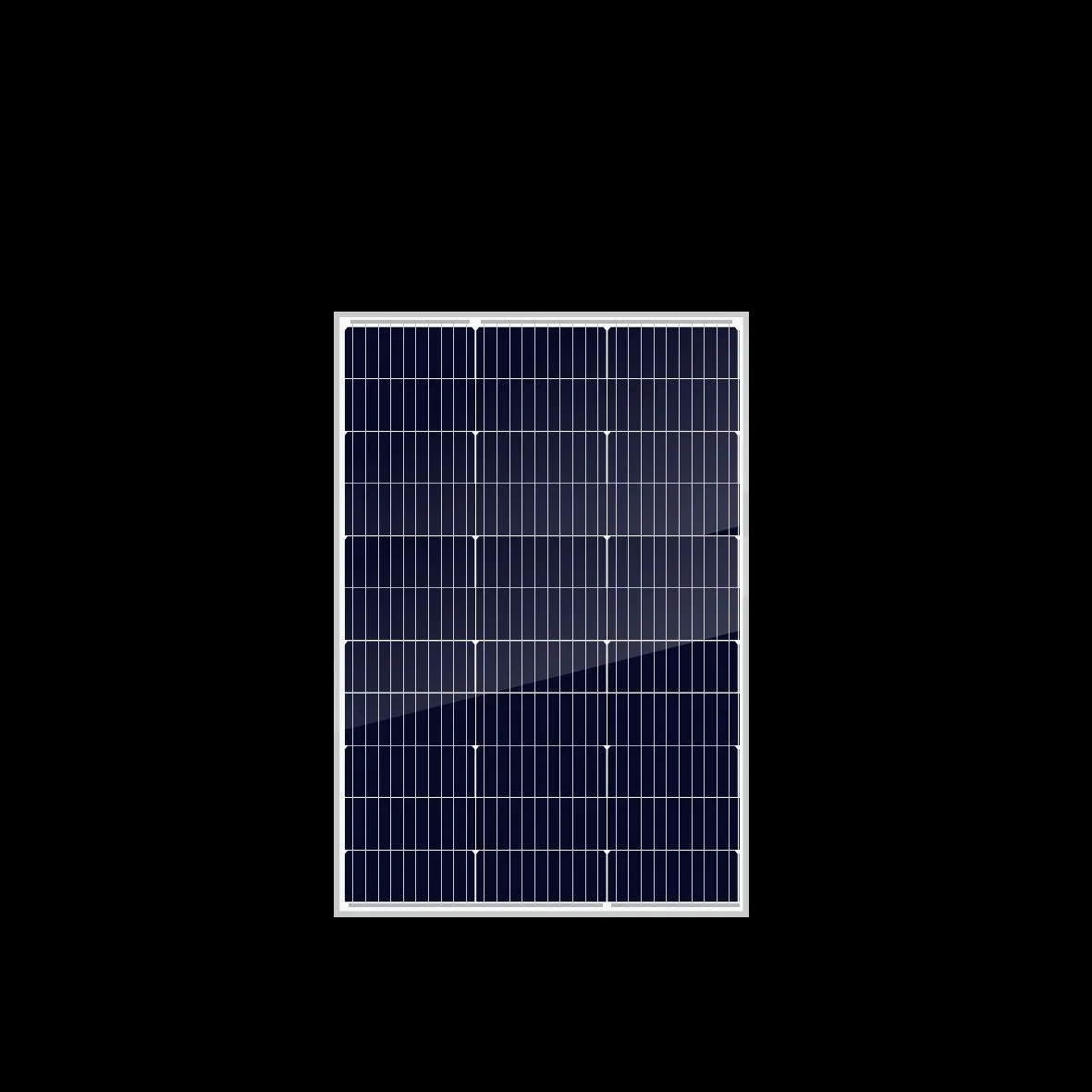
Model names help only after the landed cost is clear. A DLXN M10-230W mono module and a generic 230W panel can share a wattage label but differ in cell grade, junction box, connector brand and warranty entity. Check DLXN M10-230W data for IEC 61215/61730 claims, temperature coefficient and the local warranty holder. In Abuja, a 230W module quoted at the low end of the range may be older stock or a lower bin; ask for the date code and a flash test rather than accepting a model name as proof. Hybrid inverters and batteries complicate the comparison. A 5kWh lithium battery quoted with a rooftop kit can move the package price by more than the panel choice, and NGN battery prices have their own import and cell-supply cycle. The LFP battery price index gives a better cross-check than a dealer's bundled number. NREL's cost benchmarks show balance-of-system and labour can be ~35-50% of a small PV-plus-storage installed cost; in Abuja, mounting steel, cables and labour are where weak quotes hide.
What installers should quote in Abuja this quarter
For a 1kWp rooftop package in Abuja in Q2 2026, a realistic NGN quote for Tier-1 panels, mounting, DC/AC balance and basic labour sits around ~₦850,000-₦1.35m before storage, depending on module wattage and cable runs. Add a 5kWh LFP battery and hybrid inverter and the installed range moves to ~₦2.3m-₦3.2m. Those are estimates from dealer and installer ranges, not a regulator's tariff. NREL and IEA data support the component proportions, but Abuja logistics and NEMSA paperwork explain the spread. Ask for line items. The solar panel price in abuja should be quoted with a date, stock batch and clearing status, because an unsupported low number is usually a risk transfer to the buyer. Buyers in Lagos, Port Harcourt and Kano should run the same check: wattage, IEC certificate, warranty holder, landed date and NGN validity. With SONCAP and NEMSA documentation in hand, a slightly higher quote can be the cheaper project. Keep a written line-item comparison and revisit it when FX or port clearance changes, not when a dealer advertises a new wattage.
Related products
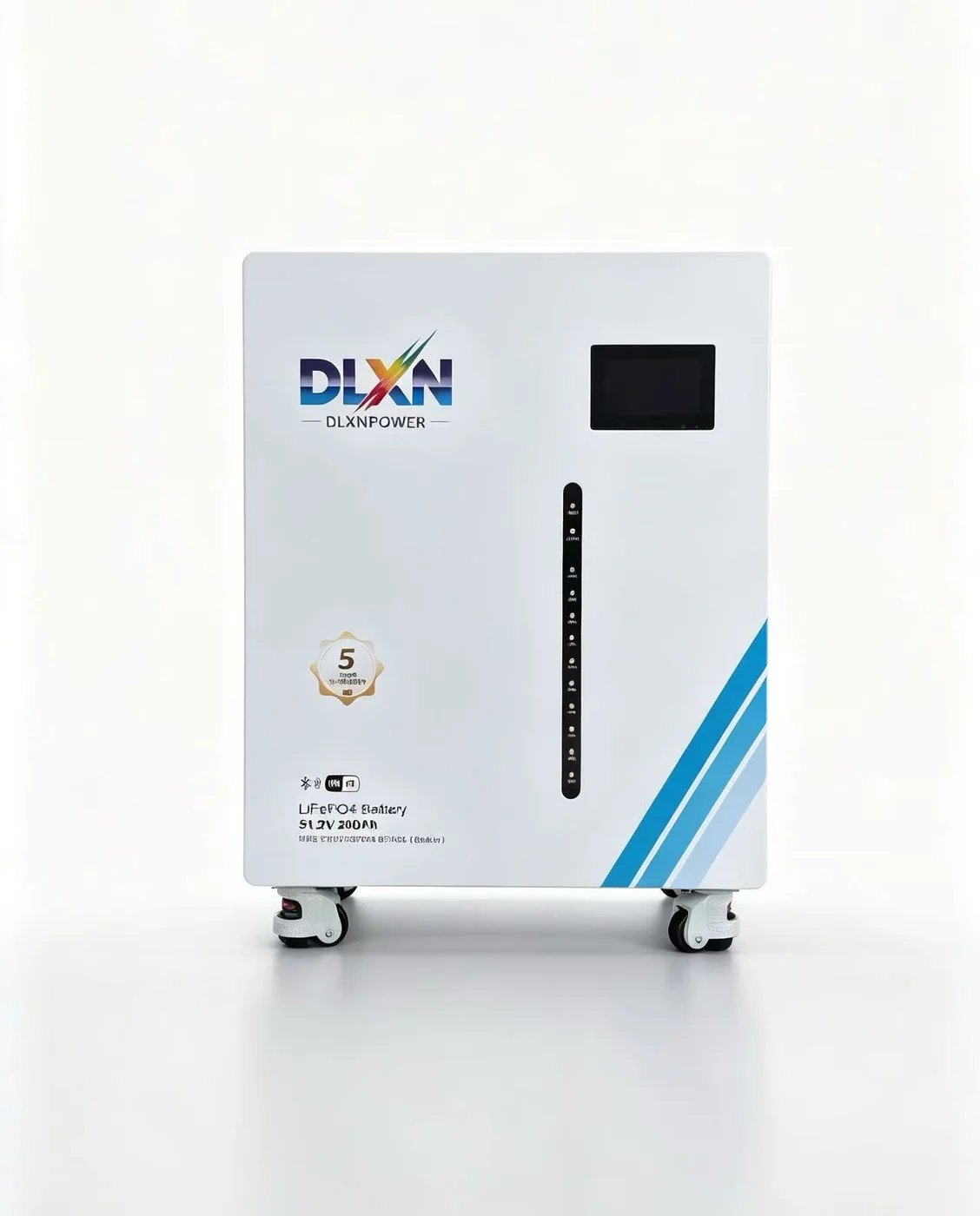
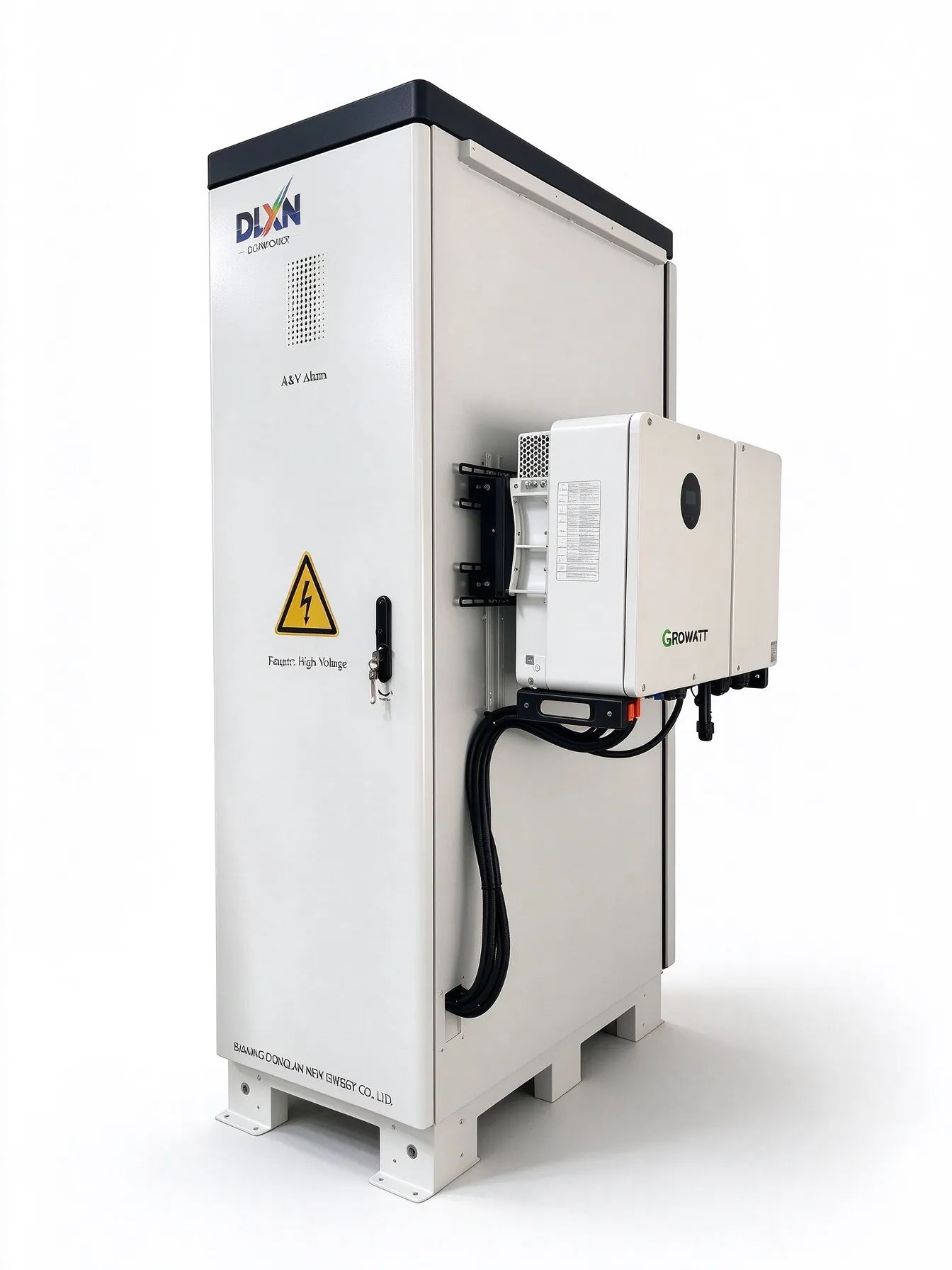
In-stock models that match this article — specs and RFQ on each page.