News & Updates
Latest from DLXN Energy
Metro Manila Meralco bill reduction solar math gets tighter in 2026
Why the Meralco bill math depends on the rate stack
In Metro Manila, meralco bill reduction solar proposals usually begin with a simple kWh offset, but Meralco's residential rate is a stack: generation, transmission, distribution, universal charges and VAT. In 2026, that all-in rate has hovered around ~PHP 12–13/kWh, depending on the month and customer class, according to ERC filings and Meralco rate disclosures. A rooftop system offsets only the import it avoids, so the first number to test is self-consumption, not array size. Use the market price guide to compare PHP benchmarks before signing. The meralco bill reduction solar calculation gets overstated when vendors assume every exported kWh is credited at the full retail rate. Under ERC net-metering rules, exports are typically settled at an avoided-cost rate, while imports are billed at retail. That gap matters in Metro Manila, Cebu and Davao, where air-conditioning loads peak after solar output falls. A system sized for daytime load can cut bills sharply; one sized for annual kWh can produce a modest credit and a longer payback. The distinction is arithmetic, not sales copy.
Net metering, ERC rules and the credit that actually lands
ERC net-metering rules allow qualified renewable generators up to 100 kW to interconnect with a distribution utility, but the credit mechanism is not a one-for-one swap. Meralco's net-metering process requires an application, a bidirectional meter and technical review before commissioning. The Philippine Electrical Code governs the wiring and protection, while DOE accreditation and local building permits sit alongside the utility approval. Skipping those steps can leave a rooftop system energized but not creditable, which turns a meralco bill reduction solar plan into an expensive self-consumption project. Timing is the practical constraint. Meralco's residential load often peaks between ~6 p.m. and 10 p.m., after PV output has collapsed. Without storage, a solar-only home exports cheaply at noon and buys back at retail in the evening. That is why a meralco bill reduction solar estimate should show hourly import and export, not just monthly kWh. For Cebu or Davao readers, the same logic applies under ERC rules, even if the utility is VECO or Davao Light rather than Meralco. The credit rate and load shape decide the result.
Hardware costs in PHP: panels, inverters and batteries
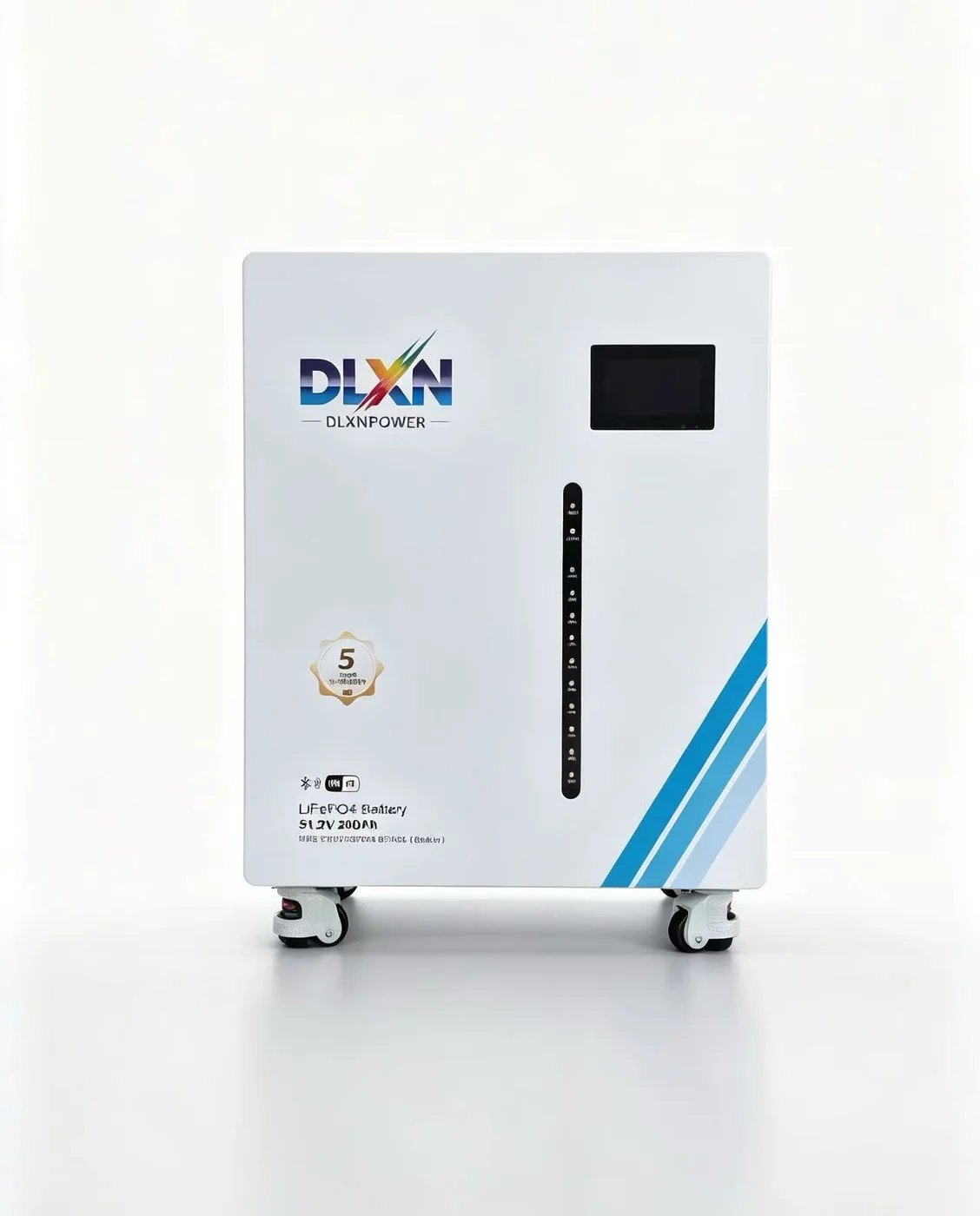
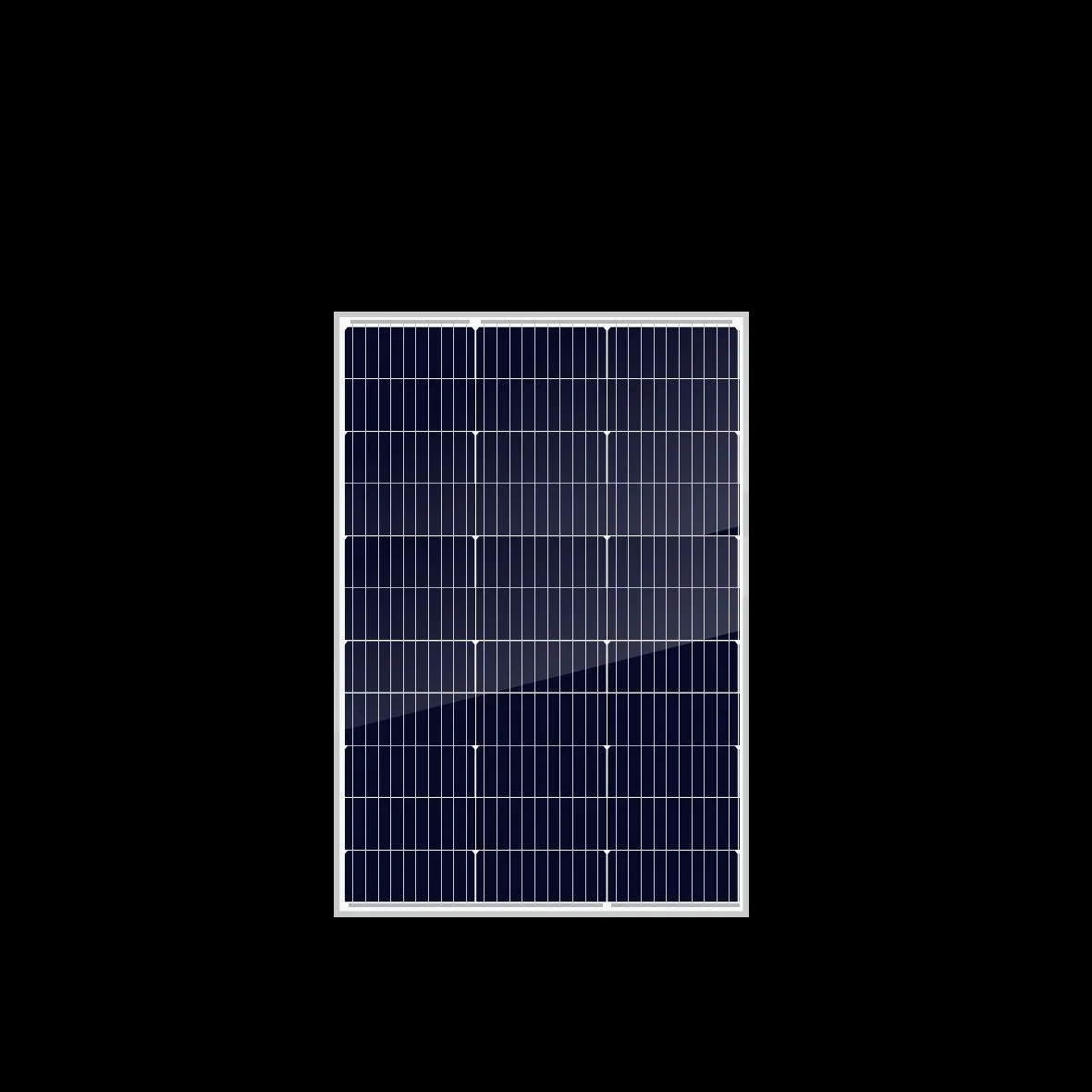
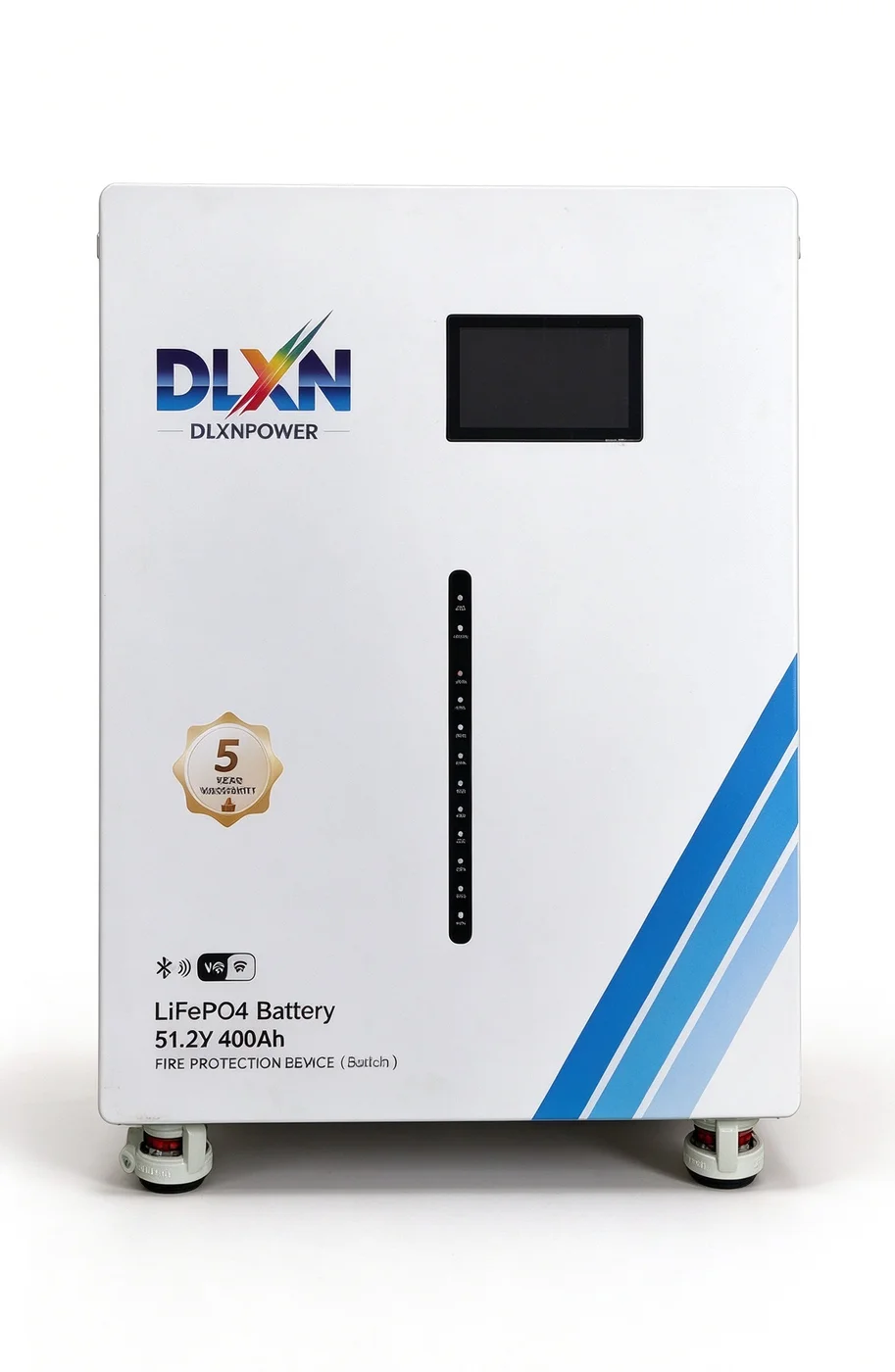
Global module prices remain the least volatile part of the quote. BloombergNEF tracked mainstream module prices at ~$0.09–0.12/W in 2025, and Wood Mackenzie expects another year of oversupply in 2026. In the Philippines, landed cost, freight, taxes and installer margin push a ~5 kWp rooftop using 550 W n-type modules into a wide ~PHP 250,000–350,000 range before storage. The solar panels line item is visible; the balance-of-system and labour are where quotes diverge. Compare per-kWp pricing, not headline panel watts. Batteries are the second cost centre. NREL's 2025 residential PV-plus-storage benchmarks show storage adding a meaningful share of installed cost, and Philippine quotes follow the same direction. A 5 kWh LiFePO4 pack can add ~PHP 90,000–140,000 installed, depending on inverter compatibility and backup circuits. The LiFePO4 price index tracks cell and pack trends, but landed prices in Manila include shipping and warranty. Storage improves a meralco bill reduction solar case only when it shifts evening imports; oversized batteries bought for outage cover often lengthen payback.
Case math for Metro Manila, Cebu, Davao and Clark
A ~5 kWp rooftop in Metro Manila can generate roughly ~18–22 kWh on a good day, but self-consumed energy may be only ~40–60% without storage. At ~PHP 12.5/kWh, every self-consumed kWh avoids the full retail stack; every exported kWh earns the lower net-metering credit. That is the core of any meralco bill reduction solar model. In Cebu and Davao, irradiance is comparable or slightly better, yet utility rates, outage patterns and roof orientation vary. Clark's commercial and industrial loads often have stronger daytime demand, which improves self-consumption. Run the numbers with a load profile, not a brochure. A household importing ~600 kWh/month and self-consuming ~50% of a 5 kWp system's output might avoid ~300 kWh of retail imports, worth ~PHP 3,750 at ~PHP 12.5/kWh, before fixed charges and financing. Add a 5 kWh battery and shift another ~150 kWh from evening to solar, and the monthly offset rises, but the added capex must be recovered. IEA's 2025 renewables report points to continued rooftop PV growth in Southeast Asia, yet the agency also flags grid and financing constraints. Project data should be read with those limits in mind.
Battery storage changes the payback, not the rulebook
Storage does not change ERC net-metering rules; it changes the fraction of PV output that avoids retail import. A 5–10 kWh residential system can lift self-consumption in Metro Manila homes with evening air-conditioning, while a commercial system needs load analysis before adding cabinets. Solar battery storage economics depend on cycle life, round-trip efficiency of ~85–90% and warranty terms, not just PHP/kWh. For a meralco bill reduction solar case, model a battery as a time-shift device first and a backup device second. Quotes that promise full backup and full bill offset from one small pack are usually optimistic. A 5 kWh pack cannot carry a typical Metro Manila home's evening load plus air-conditioning for long, and reserve settings reduce usable capacity. Residential ESS sizing should start with critical loads, then add solar self-consumption. In Cebu and Davao, where outages are a real design driver, the backup value may justify a larger pack even if the energy-arbitrage return is thin. Separate the reliability budget from the meralco bill reduction solar budget.
What to check before signing a 2026 contract
Start with paperwork. Ask for the DOE accreditation details of the installer, the ERC net-metering application path, the distribution utility's interconnection requirements and a Philippine Electrical Code compliance statement. For Meralco customers, confirm the bidirectional meter timeline before paying a mobilization fee. For Cebu, Davao or Clark projects, confirm the local utility's process in writing. A meralco bill reduction solar proposal that skips these items is a construction quote, not an energy project. Permits and approvals can move the commissioning date by weeks. Then check the model. Require hourly or 15-minute simulation, degradation assumptions, inverter clipping, net-metering credit rate and a sensitivity case for ~PHP 13/kWh and ~PHP 11/kWh. Meralco bill reduction solar payback claims should show the export credit separately from avoided import. A 2026 quote that assumes 100% self-consumption, no battery degradation and a 1:1 credit is not conservative. The Philippine market has enough installed rooftop capacity for buyers to demand measured data, commissioning tests and a written performance guarantee rather than a one-page savings table.
Related products
In-stock models that match this article — specs and RFQ on each page.