News & Updates
Latest from DLXN Energy
Solar system cost Ghana: Accra quotes for November 2026
What Accra installers are quoting this week
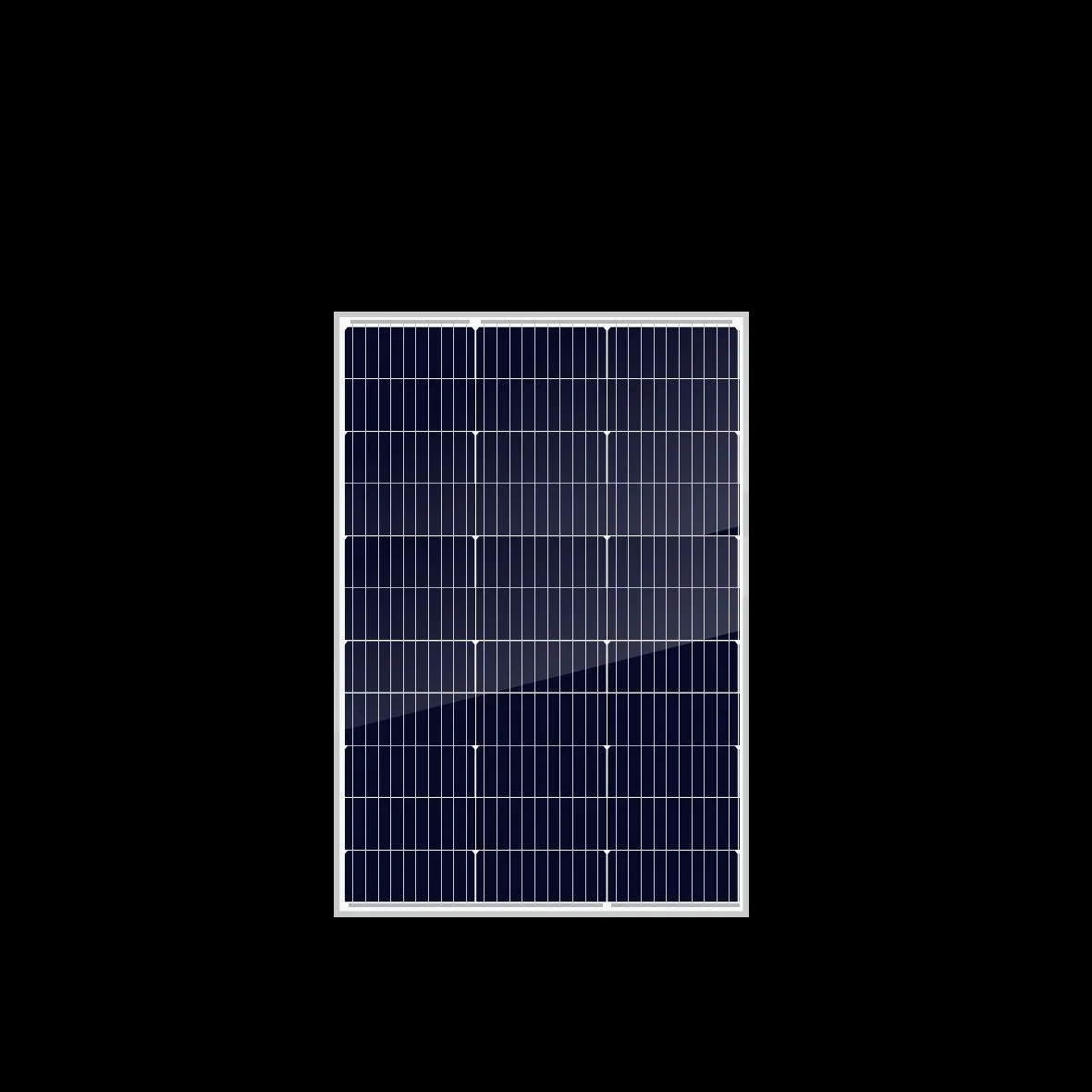
GHS 42,000 is roughly what the median 3 kW hybrid quote in Accra came to in the first week of November 2026 — panels, a 5 kWh lithium battery, a hybrid inverter and mounting, installed on a roof in East Legon or Spintex. The solar system cost Ghana buyers now see has settled into a band of ~GHS 13,000 to 17,500 per installed kilowatt for residential work, and ~GHS 9,000 to 13,000 at commercial scale. Our market price guide tracks those bands month by month, and the November 2026 update reads flat against October on modules, up ~2% on battery-backed packages as the cedi slipped past ~GHS 11 to the dollar, and unchanged on labour in Accra, where a licensed crew runs ~GHS 1,200 to 1,800 a day. For a 5 kW house system the spread is wider — ~GHS 62,000 to 88,000 — and most of that gap is storage capacity rather than module count. A 10 kW hybrid for a clinic in Kumasi or a guesthouse in Takoradi typically lands at ~GHS 125,000 to 175,000, with three-phase inverters and 15-20 kWh of LFP pushing toward the top of the range.
Duty, VAT and the G-CAP paperwork behind the number
The landed cost stack explains more of the price than any installer's margin. Import duty on solar panels has moved in and out of exemption under successive Ghanaian budgets; batteries and inverters still attract ~5% import duty plus the 15% VAT and its associated levies, which compounded to roughly 22% before the 2026 VAT changes removed the COVID-19 health levy and cut the effective take to ~20%. On a GHS 20,000 battery that is real money. Then there is conformity. Modules, inverters and lithium packs shipped into Tema and Takoradi fall under the Ghana Standards Authority's G-CAP pre-shipment regime, which means a certificate from an approved inspection body before the container leaves origin. Uncertified stock still reaches dealer shelves in Accra and Kumasi, but it is a false saving: the Energy Commission can refuse grid connection for equipment that fails conformity, and the warranty chain usually ends at the port. Installers themselves must be licensed by the Energy Commission under the Renewable Energy Act, 2011 (Act 832). A quote without a licence number is worth reading twice.
Why a Tamale number is not an Accra number
Freight is the single biggest reason the solar system cost Ghana buyers in Tamale see runs above Accra. A pallet of modules trucked from Tema to Tamale adds ~GHS 1,800 to 2,600 to a 5 kW package, and glass does not travel free — breakage allowances in the north run higher than in Greater Accra. Add thinner competition: Tamale has a handful of Energy Commission-licensed firms against dozens in Accra, so quotes carry less discounting and commissioning trips get priced in. Distance is not the only tax; scarcity of licensed technicians is. Strip out freight and the same 5 kW package varies by ~8% to 12% between Accra and Takoradi, which sits half an hour from the port and is usually the cheapest market in the country for identical hardware. Kumasi lands between the two.
The battery is the line item that moved
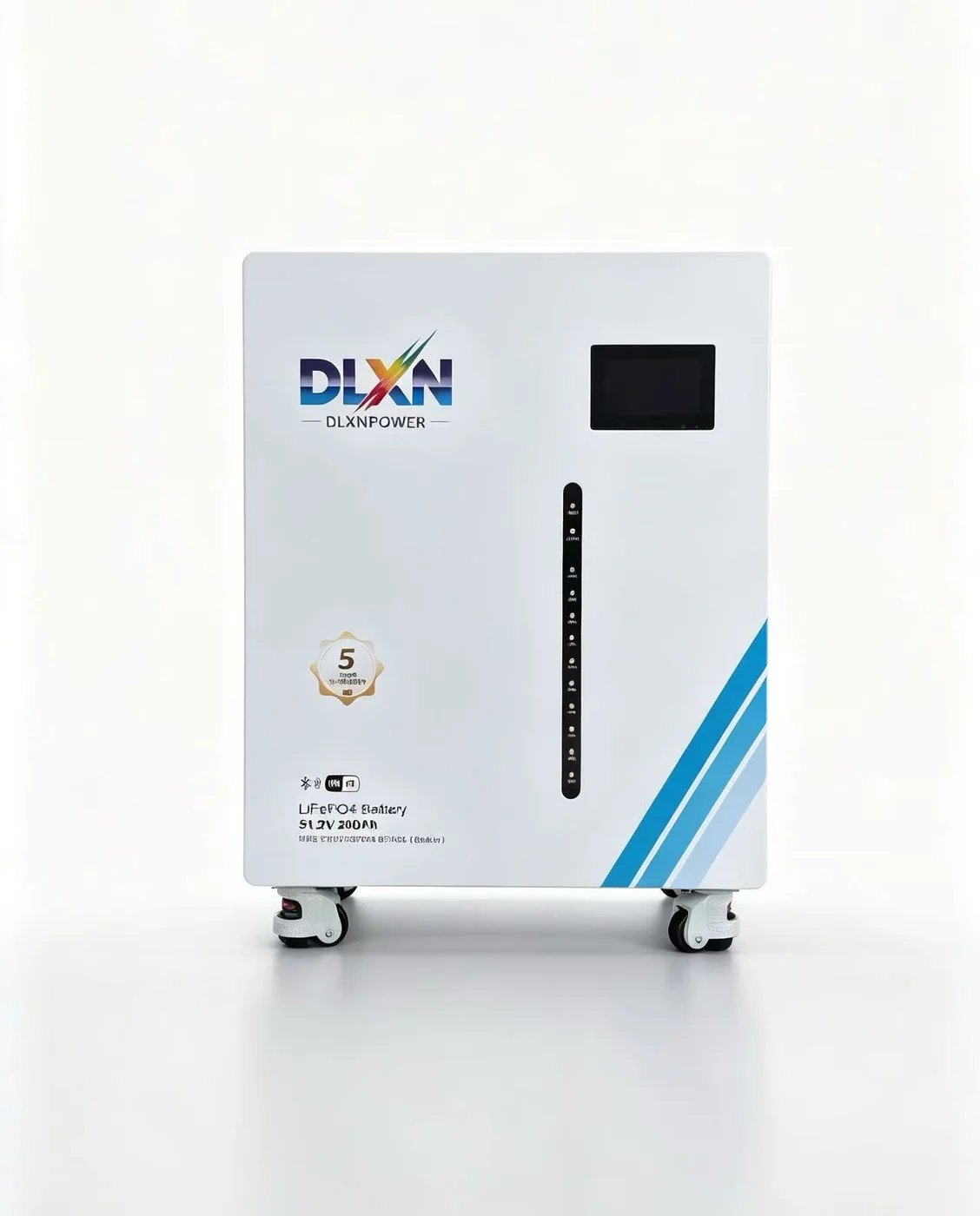
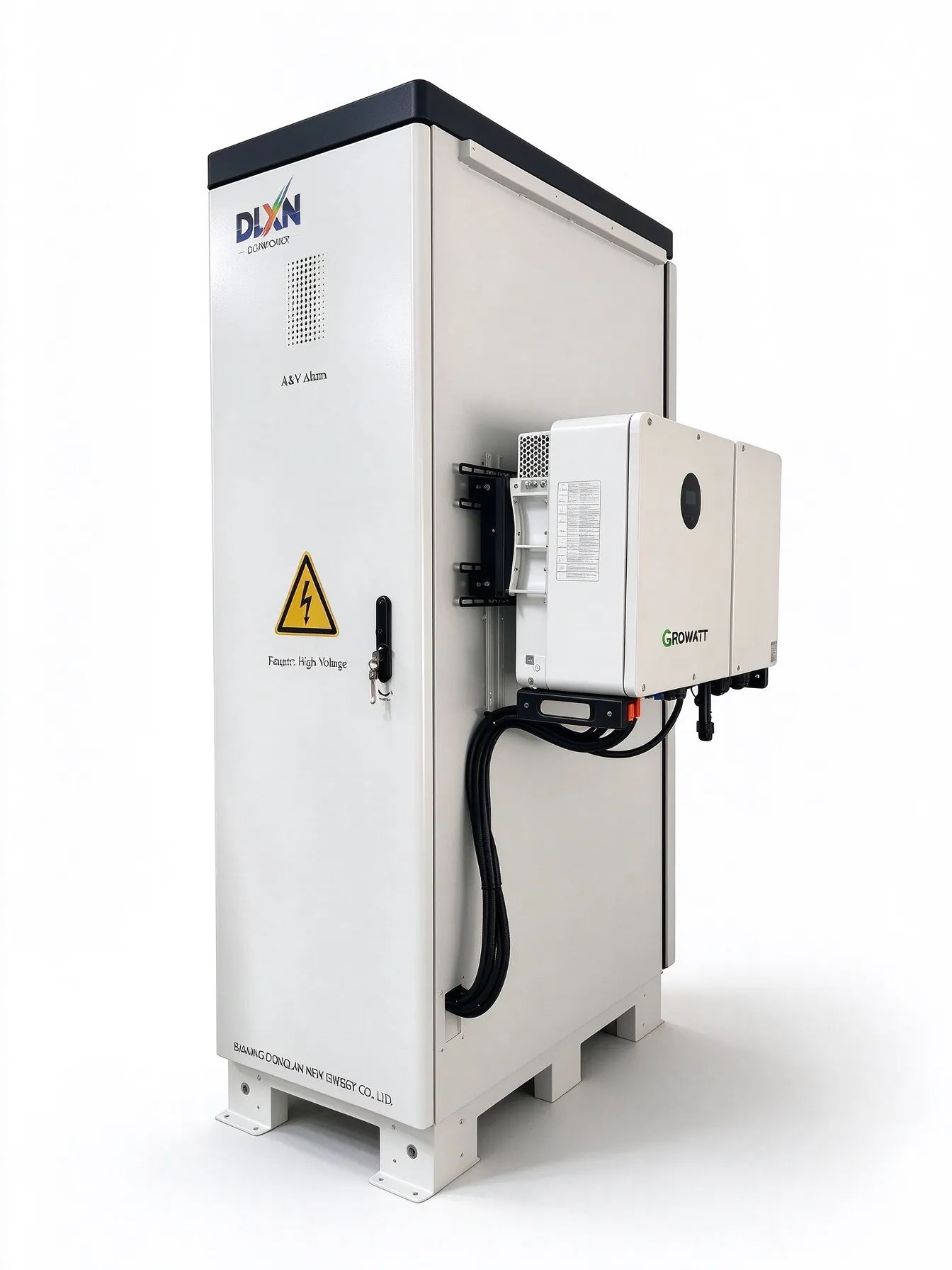
BloombergNEF's latest pack survey puts LFP cells at ~$100/kWh at pack level, down from ~$140 two years ago, and Chinese overcapacity has kept downward pressure through 2026. Ghana does not see that price directly: landed cost adds freight, duty and dealer margin, so a 5 kWh rack-grade pack trades at ~GHS 14,000 to 19,000 in Accra, depending on brand, BMS quality and whether the warranty is honoured locally or only on paper. Our LiFePO4 battery price index tracks the gap between import parity and shelf price. Cheaper chemistry is why 5 kWh, not 2.4 kWh, is now the default residential size, and why the residential ESS range sold here has shifted toward 10 kWh cabinets for new builds. Commercial buyers putting 50 kWh or more behind a factory in Tema should be pricing commercial and industrial storage rather than stacking domestic units — the per-kWh cost falls ~25% and the protection is better.
Net metering, ECG and the payback arithmetic
PURC's net metering framework lets embedded generators up to ~200 kW connect and export, with ECG crediting the export at an avoided-cost rate well below the retail tariff. That caps the value of oversizing. A 5 kW array in Accra yields roughly 6,500 kWh a year at a specific yield of ~1,300 kWh/kWp; at PURC's 2026 residential rate of ~GHS 2.30 to 2.80/kWh, self-consumed units are worth about twice what exported ones earn. So the honest simple payback on that GHS 75,000 package is ~5 to 6 years if the household runs air conditioning through the afternoon, and closer to 8 years if the family is out all day and the battery does the work at night. Quotes that assume 100% self-consumption at retail tariff overstate the return; so do quotes that quietly ignore battery replacement at year 8-10. Ask for the yield assumption, the tariff assumption and the degradation figure in writing before you compare two numbers. Where the solar system cost Ghana buyers face goes next depends on three variables: the cedi, cell and module prices out of China, and PURC's next tariff review. Two of the three look flat to mildly helpful into early 2027. The tariff is the wildcard — a 10% rise in residential rates takes roughly half a year off payback on a well-sized system.
Related products
In-stock models that match this article — specs and RFQ on each page.