News & Updates
Latest from DLXN Energy
BESS vs Traditional Storage: What Solar Projects Get Wrong
Name the incumbent before you compare anything
"Traditional storage" is not one thing. On solar sites it usually means flooded lead-acid or AGM banks, sometimes a diesel genset acting as the de facto battery, and occasionally pumped hydro at grid scale. These three compete with a BESS on completely different axes: capex per kilowatt-hour, cycle throughput, geography, and how much maintenance labour the site can absorb.
Comparing a lithium system against "traditional storage" in the abstract produces a meaningless answer. Pick the specific incumbent on your site, then compare against that.
Cost per delivered kilowatt-hour, not cost per installed kilowatt-hour
Lead-acid looks inexpensive at the point of purchase. Installed costs for an AGM or OPzS bank typically land in a band well below a comparable LFP enclosure, and that gap is what sells the technology to procurement teams. The gap closes once you divide by throughput.
A lead-acid bank cycled to 50% depth of discharge will deliver roughly 500 to 1,500 equivalent full cycles before capacity falls below acceptable levels, and its round-trip efficiency sits around 70 to 80%. A lithium iron phosphate system reaches 4,000 to 8,000 cycles at 80% DoD with 88 to 95% system round-trip efficiency. Lazard's Levelized Cost of Storage Analysis, 2024 places four-hour utility-scale LFP in the same cost band as new pumped hydro and clearly below gas peaking capacity, which is the comparison that matters for daily solar shifting.
| | Lead-acid bank | Diesel genset | LFP BESS | Pumped hydro |
|---|---|---|---|---|
| Round-trip efficiency | 70-80% | 35-40% fuel to power | 88-95% system | 70-80% |
| Usable cycles | 500-1,500 at 50% DoD | hours-based overhaul | 4,000-8,000 | 40+ year asset life |
| Footprint per MWh | 25-40 m² | 8-15 m² | 10-15 m² | site-specific, very large |
| Routine O&M | watering, equalisation | fuel, filters, servicing | thermal management, firmware | civil works |
| Best fit | rare shallow backup | long outages, remote sites | daily cycling, solar shifting | geography with head |
The table compresses a decision that is really about duty cycle. A site that discharges deeply once a day will exhaust a lead-acid bank inside three years while the LFP enclosure is still in its first fifth of life. A site that discharges twice a year will never recover the lithium premium.
The configuration we quote most often
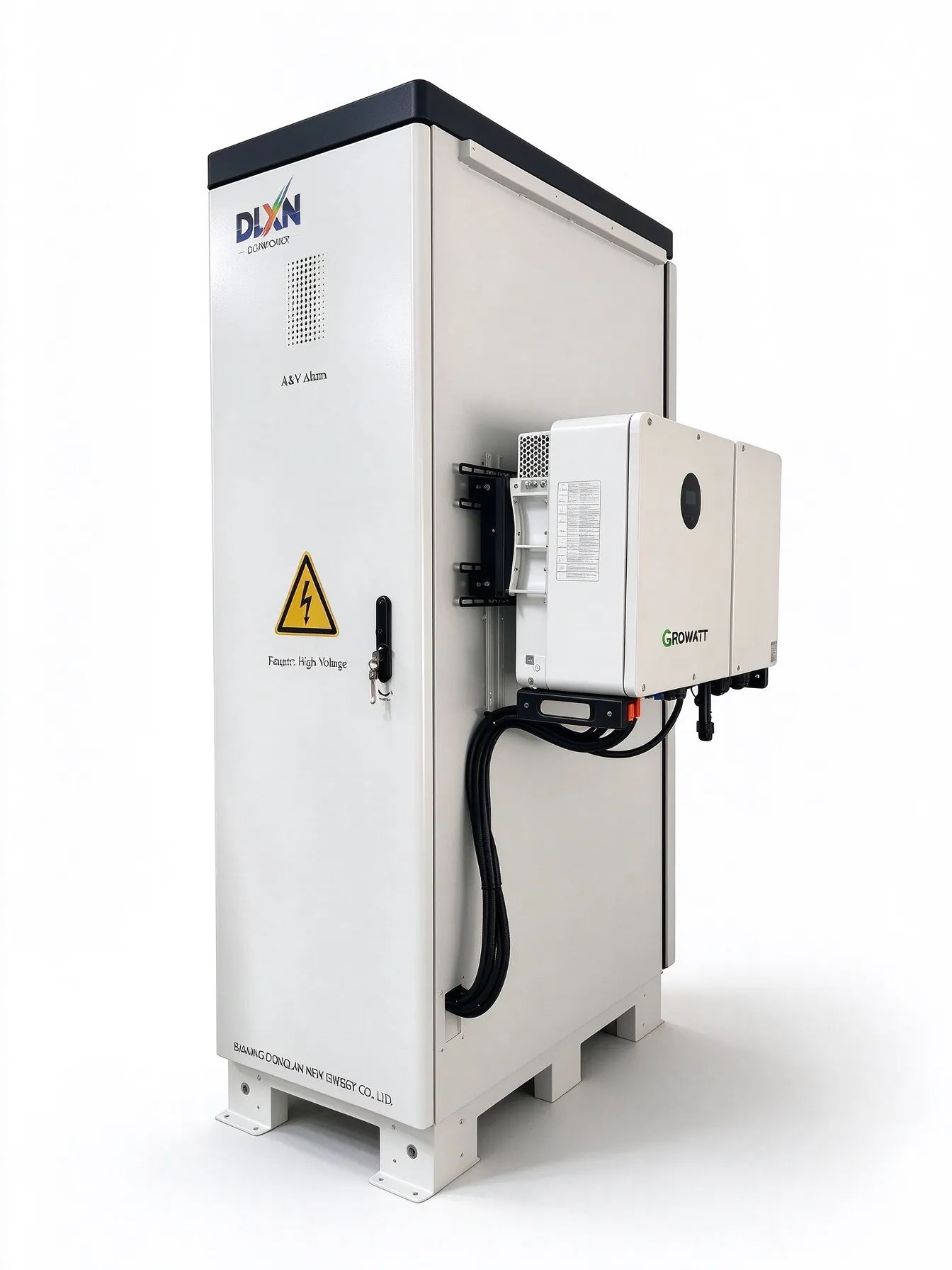
Take a representative configuration priced for a food-processing plant in northern Thailand: a 500 kW / 1.6 MWh containerized LFP system retrofitted to an existing 900 kWp rooftop array, commissioned in June 2025 and operated by the plant's own facilities team rather than a third-party O&M contractor. The duty cycle is one full cycle per day, shaving the evening peak and absorbing surplus midday generation that the local grid will not accept.
That project shape repeats across Southeast Asia and the Gulf because the economics rest on a single variable: how many times per year the asset cycles. Above roughly 250 cycles a year, lithium wins decisively. Below 50, the arithmetic rarely closes without a subsidy or a reliability argument that sits outside the spreadsheet.
Where lead-acid still earns its place
Two conditions favour it. The first is a duty cycle of a few discharges per year, typically pure backup duty where the battery sits at float for eleven months. The second is a site where the replacement cost in year four is genuinely acceptable because the capital budget is fixed and the operating budget is flexible.
Outside those two, we rarely specify lead-acid any more, and never where the ambient temperature is uncontrolled.
The site where a BESS is the wrong answer
Multi-day autonomy is the classic trap. An off-grid telecom or mining site at high latitude that needs four days of winter autonomy does not want a lithium bank scaled to that requirement, because you end up paying for capacity that cycles perhaps fifteen times a year while carrying the calendar ageing of a daily-cycled asset. A hybrid design with a smaller BESS for daily cycling plus a diesel genset or a flow battery for the rare long event is usually the lower-cost, lower-risk specification.
High ambient temperature is the second disqualifier. Above roughly 45°C without active cooling, most LFP warranties tighten sharply or void outright, and the auxiliary load from HVAC starts eating the round-trip efficiency you paid for. In those locations, a properly ventilated lead-acid room or a different chemistry deserves a serious look.
What the datasheet leaves out
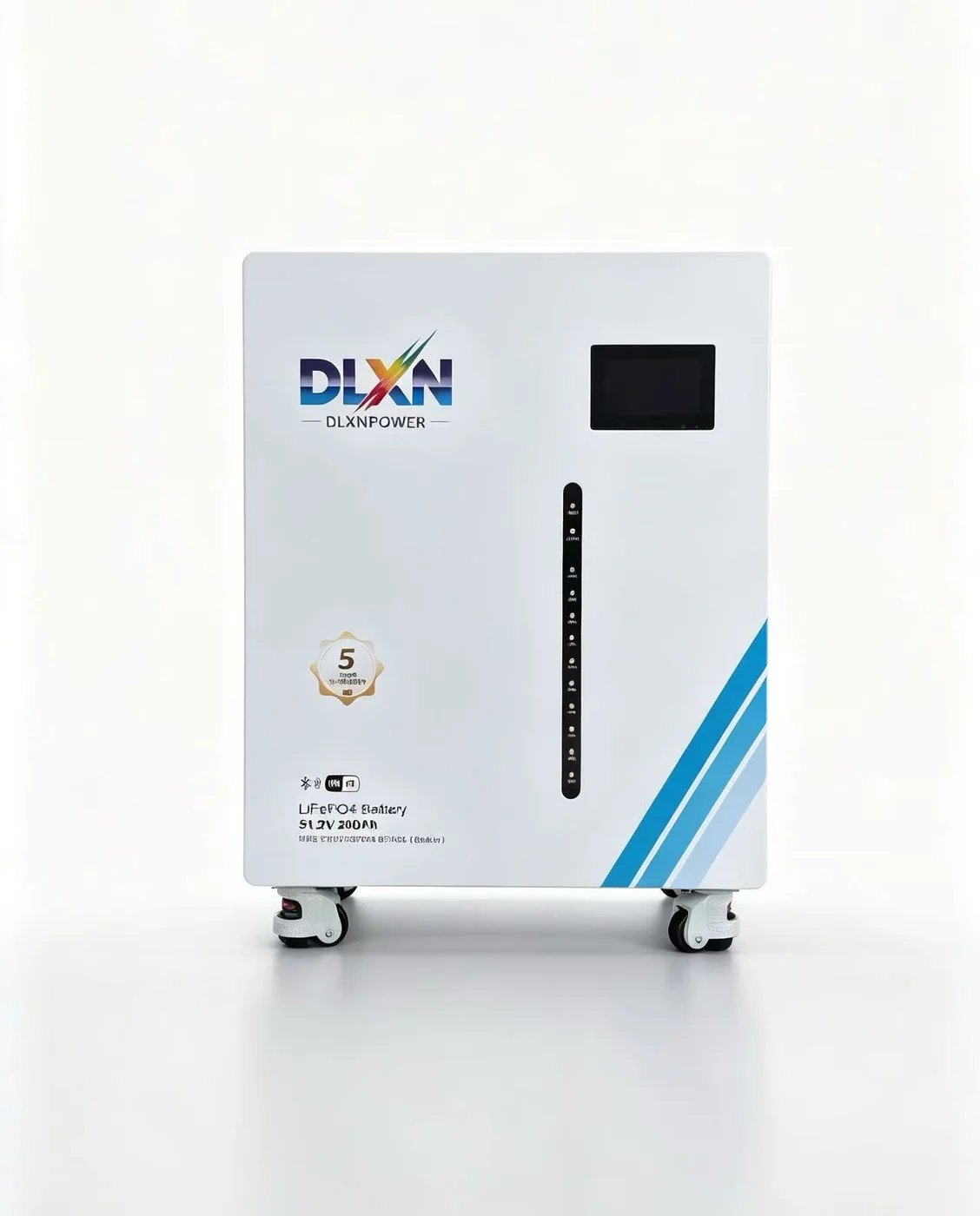
DLXN's lithium battery range uses 51.2 V, 100 Ah rack modules at 5.12 kWh nominal, rated 6,000 cycles at 80% DoD with 95% round-trip efficiency at 0.5C. Those figures are honest and they are also incomplete, because cycle life is measured on a single cell at 25°C with a perfect charge profile, not inside a container in August.
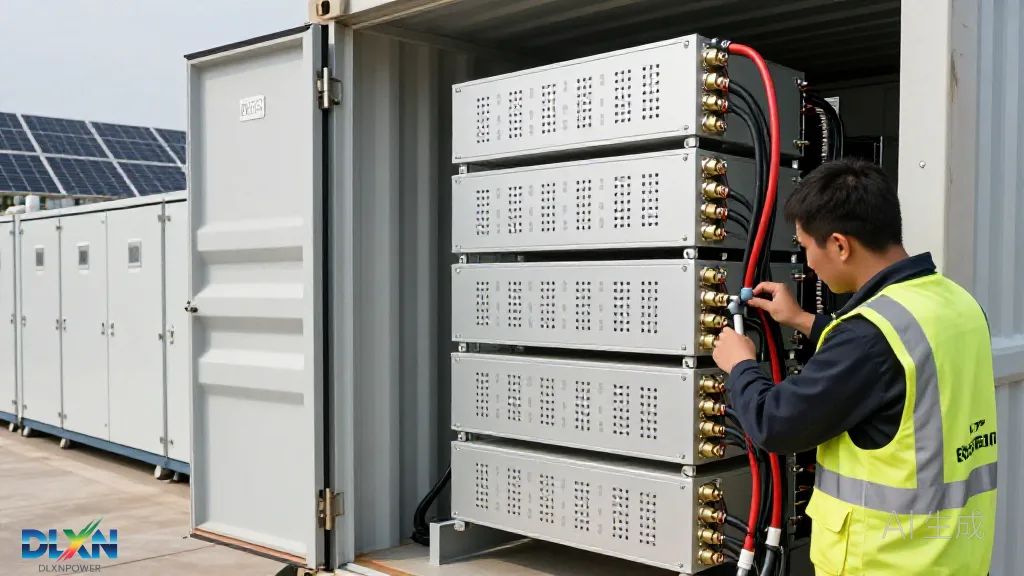
In our own QC and returns process, the failures we see are almost never the cells. They are busbar terminations, torque settings that were never re-checked after thermal cycling, and BMS harness connectors that corroded because the enclosure breather was specified for the wrong IP rating. Buyers comparing cycle-life numbers across vendors are usually comparing the one part of the system that fails least often.
Four questions that settle the specification
- How many equivalent full cycles per year, and at what depth? Anything above 250 favours lithium on pure economics.
- What is the longest outage the site must ride through without refuelling? Under eight hours, a battery handles it. Beyond 24, consider a hybrid.
- What is the maximum ambient temperature inside the enclosure in July, measured rather than assumed?
- Who re-torques the terminations, and on what schedule?
Answer those four and the technology choice usually makes itself. For most grid-tied solar sites cycling daily, the answer is a containerized LFP system sized to the evening peak rather than to annual consumption, paired with battery storage controls that can curtail charging when cell temperature drifts. For the remote, rarely-cycled, or brutally hot site, the honest answer is often that the traditional option is still the correct purchase, and a supplier who tells you otherwise is selling a catalogue rather than a system. Our project archive lists the configurations we have actually commissioned, including the ones where lithium lost the comparison.
Related products
In-stock models that match this article — specs and RFQ on each page.