News & Updates
Latest from DLXN Energy
5 kVA solar system price in Nigeria: Lagos, Abuja quotes
Lagos and Abuja quotes settle near ₦2.4m–₦4.1m
The 5kva solar system price in Nigeria is quoted in Lagos and Abuja at roughly ₦2.4m to ₦4.1m in July 2026 for a hybrid kit with 5kWp of panels, a 5kWh lithium battery and installation. That range comes from installer quotes reviewed against the market price guide, not a single retail sticker. In Lekki and Wuse, buyers are comparing 5kVA/48V inverters from Growatt, Victron and Deye, and Tier-1 panels from Longi and Jinko. The spread is wider than in 2024 because cell prices fell while the naira stayed volatile. Port Harcourt and Kano quotes sit at the top and bottom of that band. A Port Harcourt installer adds ~₦120,000–₦180,000 for surge protection, galvanised mounting and coastal cable glands; a Kano quote may save ~₦80,000 on labour but needs more panel cleaning and derating allowance for 40°C-plus afternoons. BloombergNEF’s latest battery price survey puts average lithium-iron-phosphate pack prices lower year on year, but landing costs, SONCAP certification and 7.5% VAT, where applicable, still shape the final naira figure. Buyers should ask for a line-item bill of materials.
What the ₦2.4m–₦4.1m buys
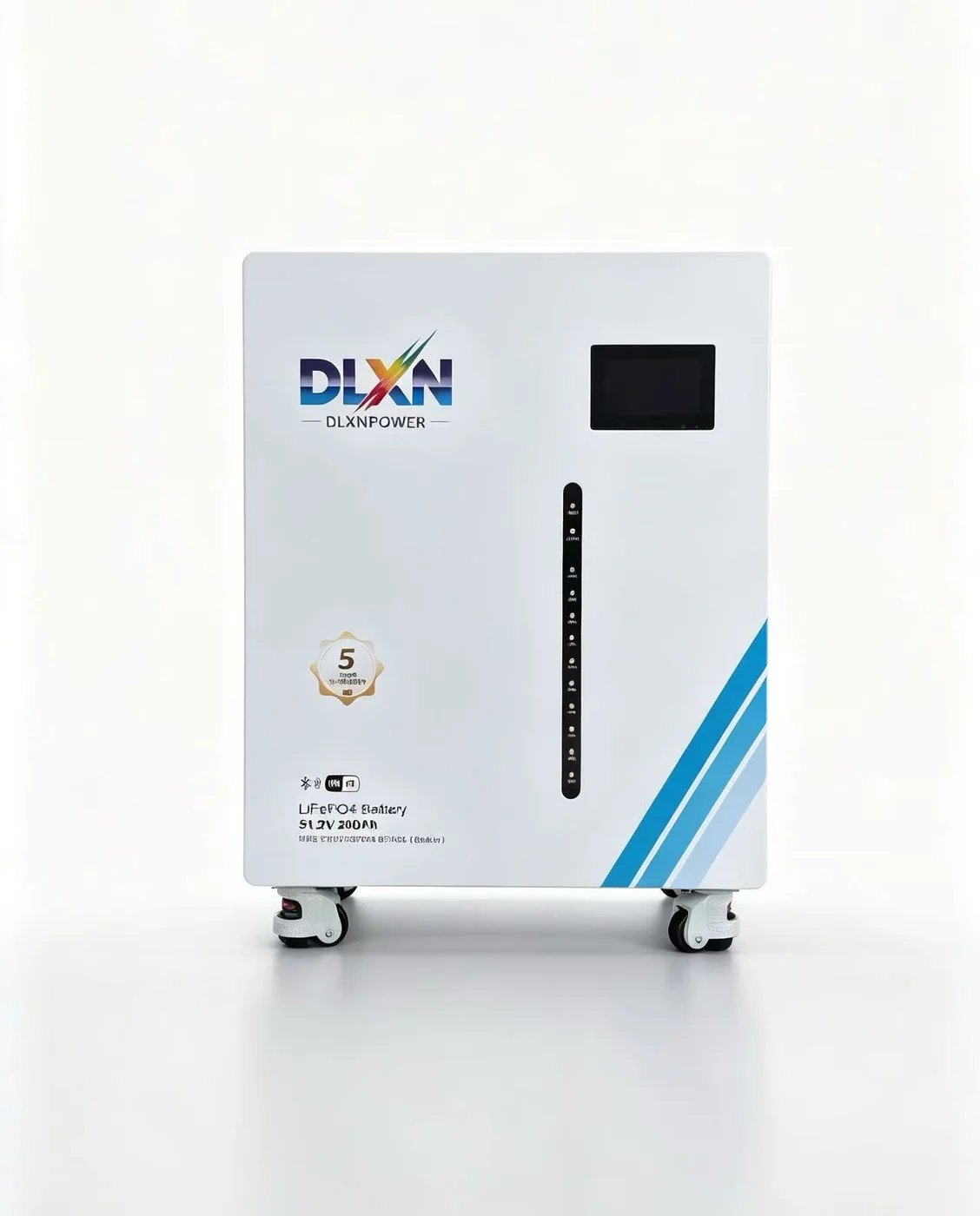
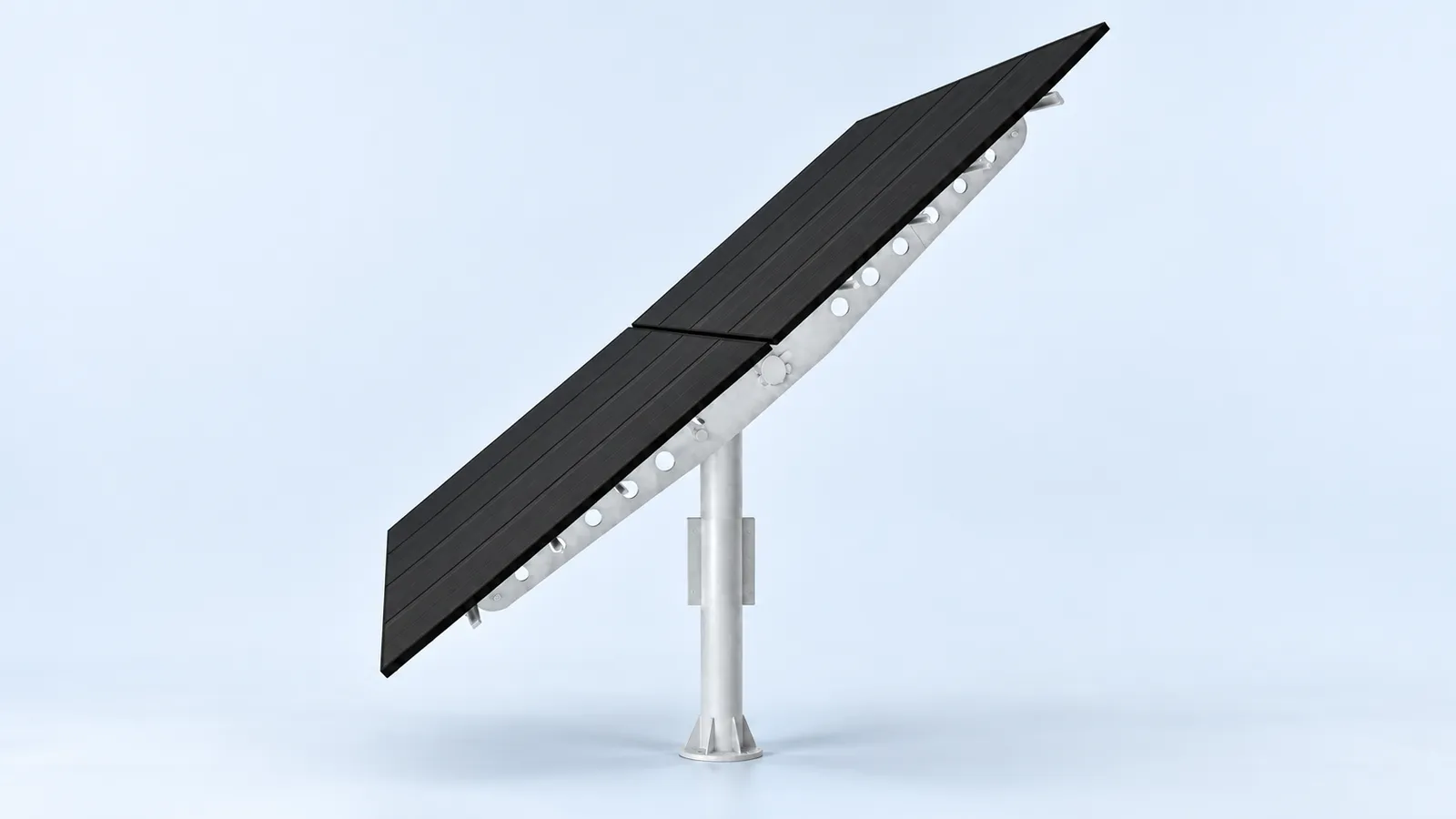
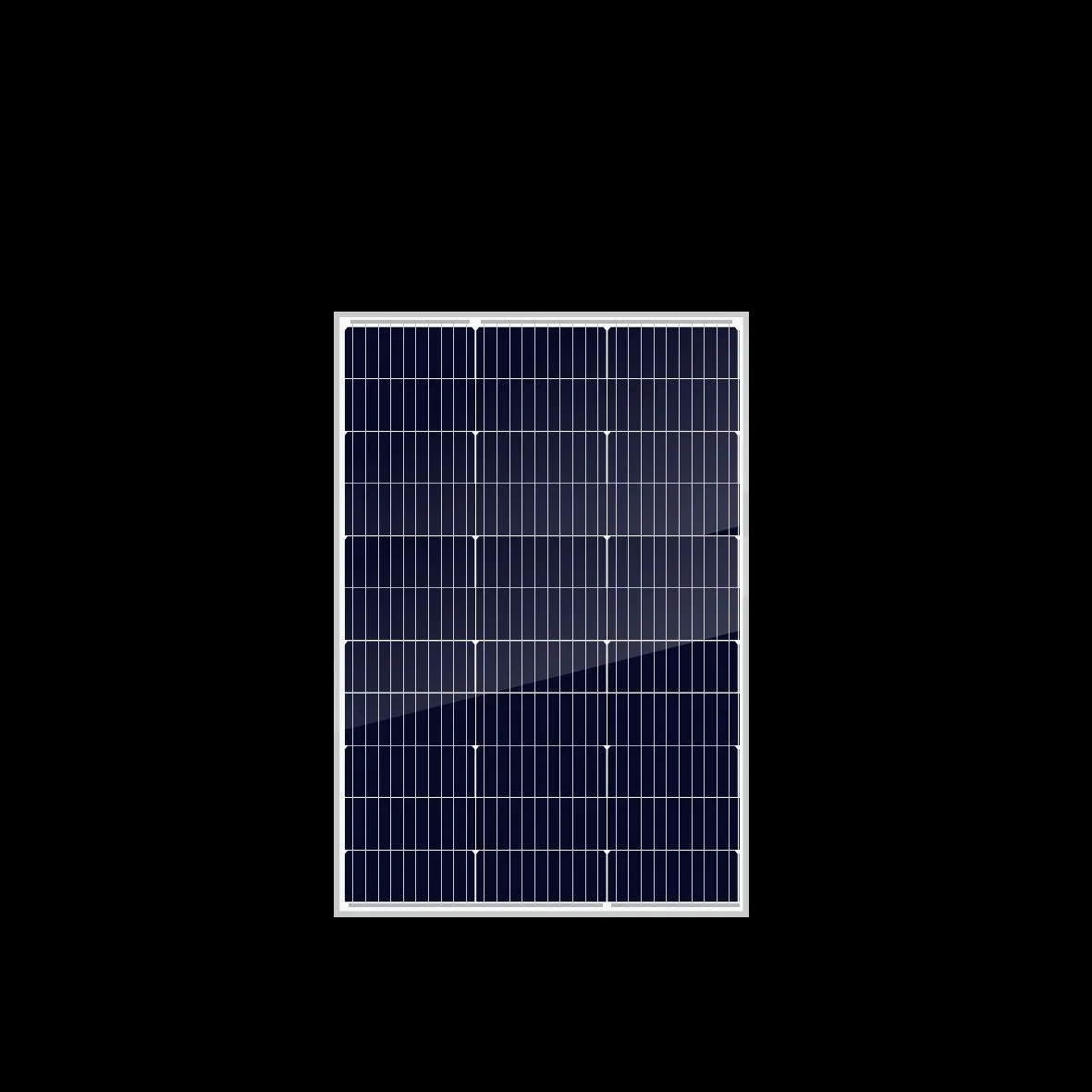
A typical 5kVA hybrid system in Nigeria splits into four cost centres. Panels: 10 × 550W monocrystalline modules, roughly ₦650,000–₦900,000 depending on brand and Lagos clearance. Inverter: a 5kVA/48V hybrid unit, ~₦450,000–₦850,000. Battery: one 5kWh LiFePO4 pack, ~₦1.1m–₦1.7m, with the LiFePO4 price index tracking cell and pack trends. Balance of system — mounting, DC/AC protection, cables, labour — adds ~₦250,000–₦450,000. The 5kva solar system price in Nigeria moves most when battery capacity or inverter brand changes, not when panel wattage rises by 10%. Cheap packages often hide a 24V inverter, a 2.5kWh lead-acid bank or no surge arrestor. A 5kVA/48V inverter with 5kWh lithium is the minimum sensible specification for a Lagos or Abuja home running a fridge, freezer, fans, lights, TV and router through the evening. For heavier loads — borehole pump, 1.5HP air conditioner — the same inverter will trip unless load management is agreed. Ask for a load audit in watts and a single-line diagram. NREL’s off-grid modelling work consistently shows that oversizing panels without matching battery dispatch raises cost per kWh.
SONCAP, NERC and NEMSA rules that change the quote
Regulation is not administrative decoration. SONCAP certification for panels, inverters and batteries is checked at port; uncertified stock can be cheaper on the day but risks seizure and void warranties. NERC’s mini-grid and embedded-generation rules govern anything that exports to a distribution network, while NEMSA inspects installations and meters for safety compliance. In Lagos, Ikeja Electric and Eko DisCo require approved contractors for grid-tied work; in Abuja, AEDC’s interconnection process adds weeks. A compliant 5kVA hybrid install should include a changeover switch, earthing and surge protection, not just a wall-mounted inverter. For most Nigerian homes, a zero-export hybrid setup avoids NERC licensing delays. The inverter’s CT clamp blocks reverse flow, and the system runs as a grid-assisted solar battery. That matters because NEMSA inspection requirements apply to unregistered installers, particularly in Port Harcourt industrial estates. Buyers should request the installer’s NEMSA accreditation, SONCAP certificates for each major component and a NERC-compliant commissioning sheet. These documents rarely appear in the lowest quote, which is why two 5kVA offers can differ by ₦600,000 without any visible hardware difference.
Port Harcourt, Kano and the diesel comparison
In Port Harcourt, humidity and salt air shorten connector life; IP65 junction boxes and tinned copper cable are worth the extra ~₦60,000. In Kano, dust and heat cut panel yield by ~8–12% without a cleaning schedule, so a 5kWp array may behave like 4.4kWp in the dry season. Across all four cities, the comparison is diesel. A 3.5kVA petrol genset burning ~1.5 litres/hour at ~₦1,100/litre costs ~₦1,650/hour; a 5kVA solar system with 5kWh storage shifts daytime load and evening baseload away from fuel. Payback depends on outage hours, not marketing claims. Use a simple monthly test. If a household spends ~₦120,000–₦250,000 on fuel and generator servicing, a ~₦3.2m installed 5kVA hybrid system has a nominal payback of roughly 18–30 months before battery replacement. Add financing at 20–30% annual naira rates and the case weakens unless the battery is sized to real nightly kWh. The 5kva solar system price in Nigeria should therefore be compared with a load profile, not a generator nameplate. Installers in Abuja and Lagos now offer remote monitoring to prove daily yield and battery throughput.
How to read a 2026 quote before you pay
Ask for a bill of materials with model numbers, serial-number warranty terms and a commissioning test. A credible 5kVA quote lists panel wattage and quantity, inverter continuous and surge rating, battery chemistry, usable kWh, depth of discharge, cycle warranty, mounting type and cable size. For lithium, confirm the BMS communicates with the inverter — CAN or RS485 — or the warranty may be void. Check that the solar panels are Tier-1 and not rebranded seconds, and that the lithium battery datasheet states usable capacity, not nominal. Payment terms matter. Avoid 100% upfront; 60–70% on delivery and 30–40% after commissioning is common in Lagos and Abuja. Insist on a performance test: PV yield, battery charge/discharge, grid changeover and zero-export clamp. Keep spare fuses and a commissioning report. The solar systems category shows how packaged 5kVA kits are configured, but local site conditions still decide the final number. Wood Mackenzie’s 2026 PV outlook points to softer module prices, but logistics and duties remain the swing factors. Get three itemised quotes.
Related products
In-stock models that match this article — specs and RFQ on each page.