News & Updates
Latest from DLXN Energy
5 kW solar system price South Africa: 2026 Johannesburg quotes
Johannesburg and Cape Town quotes cluster in a wide band
The 5kw solar system price south africa installers quote in Johannesburg and Cape Town in November 2026 is not a single sticker number: it is a band from ~R38,000 for a grid-tied kit to ~R95,000 for a hybrid system with a 5kWh lithium battery. Pretoria quotes sit close to Johannesburg’s; Durban adds humidity-rated mounting and coastal corrosion allowances. A 5kW PV-only system typically uses 10 x 550W panels and a 5kW string inverter. The same roof with a 5kW hybrid inverter and 5.12kWh LFP pack moves into the R60,000–R85,000 range. Our market price guide tracks these installed ranges, not advertised hardware prices. That spread explains why a R49,999 advertised special in Pretoria can become a R62,000 invoice. The low headline usually excludes the SANS 10142-1 Certificate of Compliance, DB-board replacements, surge protection and NRS 097-2-1 grid settings. Add ~R6,000–R12,000 for those items in a typical Johannesburg or Cape Town install. In Durban, salt-air mounting and cable protection can add another ~R3,000–R6,000. Buyers comparing a 5kW solar systems package should ask for a line-item quote with the CoC and grid-application fees named separately. Otherwise the cheapest quote is only cheapest before compliance.
The ZAR quote is mostly panels, inverter and LFP battery
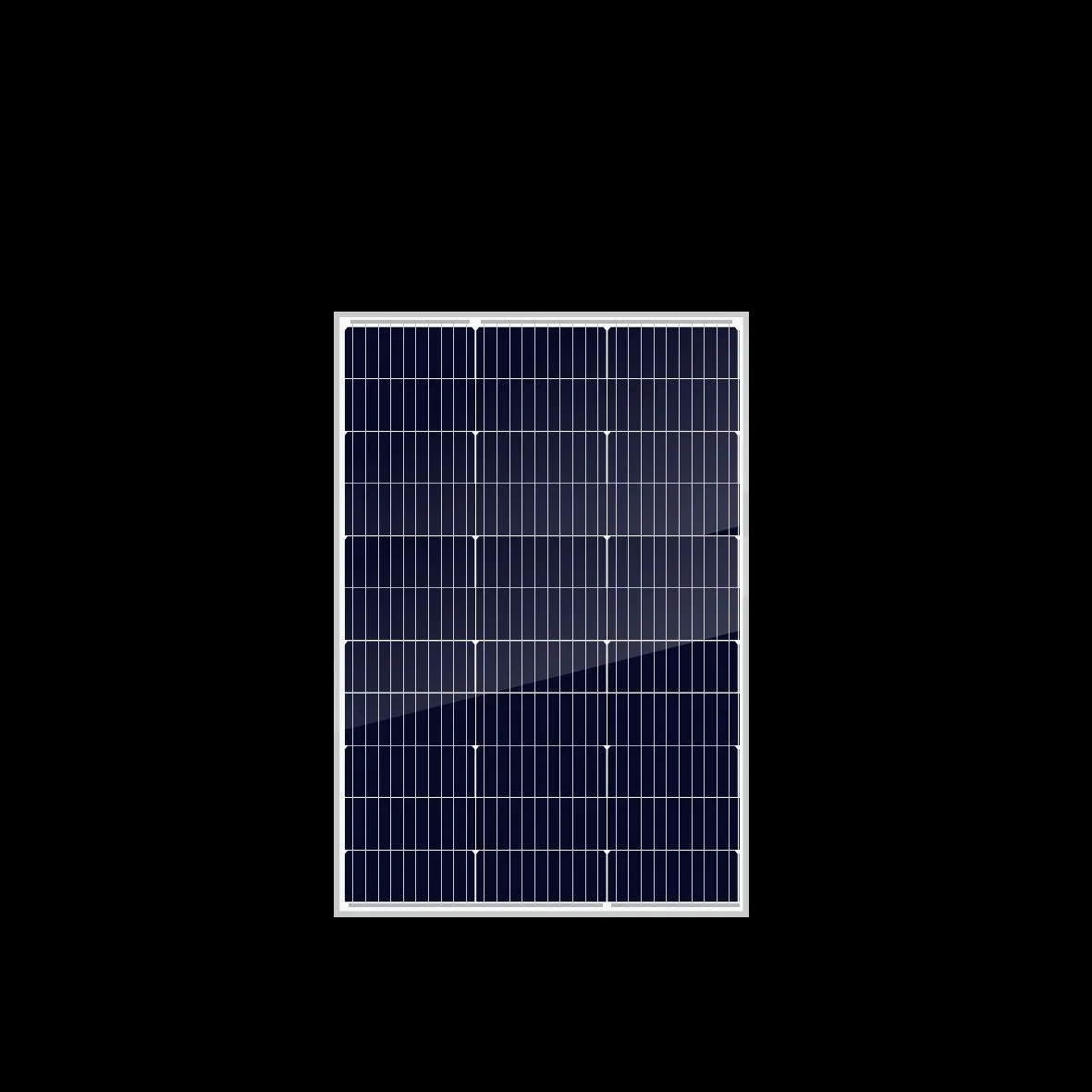
Hardware sets the floor. A 5kW system usually needs 10 x 550W modules (~R11,000–R15,000), a 5kW hybrid inverter (~R11,000–R18,000) and a 5.12kWh LFP battery (~R18,000–R28,000) if backup is required. Mounting, DC cabling, AC work, labour and CoC account for ~R10,000–R18,000. BloombergNEF’s 2025 battery price survey put average lithium-ion pack prices near ~$110/kWh; DLXN’s LFP price index shows South African landed pack prices tracking that trend with a Rand risk premium. That arithmetic explains why the 5kw solar system price south africa buyers see moves with battery choice more than panel choice. Not every cheap battery belongs on a compliant South African install. NRCS listing, IEC 62619 test evidence and a local warranty address matter more than a R2,000/kWh saving. NREL’s 2024 residential PV cost benchmarks show non-module costs—labour, permitting and electrical balance-of-system—dominate small systems, so a R3,000 inverter discount rarely changes the payback. Wood Mackenzie’s 2025 inverter market analysis also points to price stabilisation rather than steep declines in hybrid units. For buyers, the practical step is to compare a 5kW hybrid bill of materials against a 5kW PV-only bill, then decide whether the lithium battery earns its keep through evening load shifting.
NRS 097-2-1 and the CoC change the final invoice
Grid-tied systems in Johannesburg, Pretoria, Cape Town and Durban must satisfy NRS 097-2-1 if they export or run parallel with the grid. The standard covers anti-islanding, voltage and frequency protection, and the commissioning report the municipality or Eskom expects. SANS 10142-1’s Certificate of Compliance is separate: it is issued by a registered electrician after testing the installation, not by the salesperson. Cape Town’s SSEG application also asks for a single-line diagram, inverter datasheet and NRS 097 test evidence. City Power and Eskom embedded-generation processes have similar requirements. A quote that omits these documents is not a grid-ready quote. Compliance has a visible price. A SANS 10142-1 CoC typically adds ~R2,500–R5,000; NRS 097-2-1 settings and commissioning add ~R1,500–R4,000; SSEG application and metering can add another ~R1,000–R5,000 depending on the municipality. Cape Town approvals have run ~4–8 weeks for straightforward residential files, while Johannesburg applicants should budget for City Power protection checks. The 5kw solar system price south africa buyers compare should include these line items. Ask whether the installer is responsible for the SSEG submission or whether that falls to the homeowner. In Durban, coastal corrosion and DB-board condition can push electrical remediation higher before any CoC is issued.
Battery economics still decide whether 5kW is useful after dark
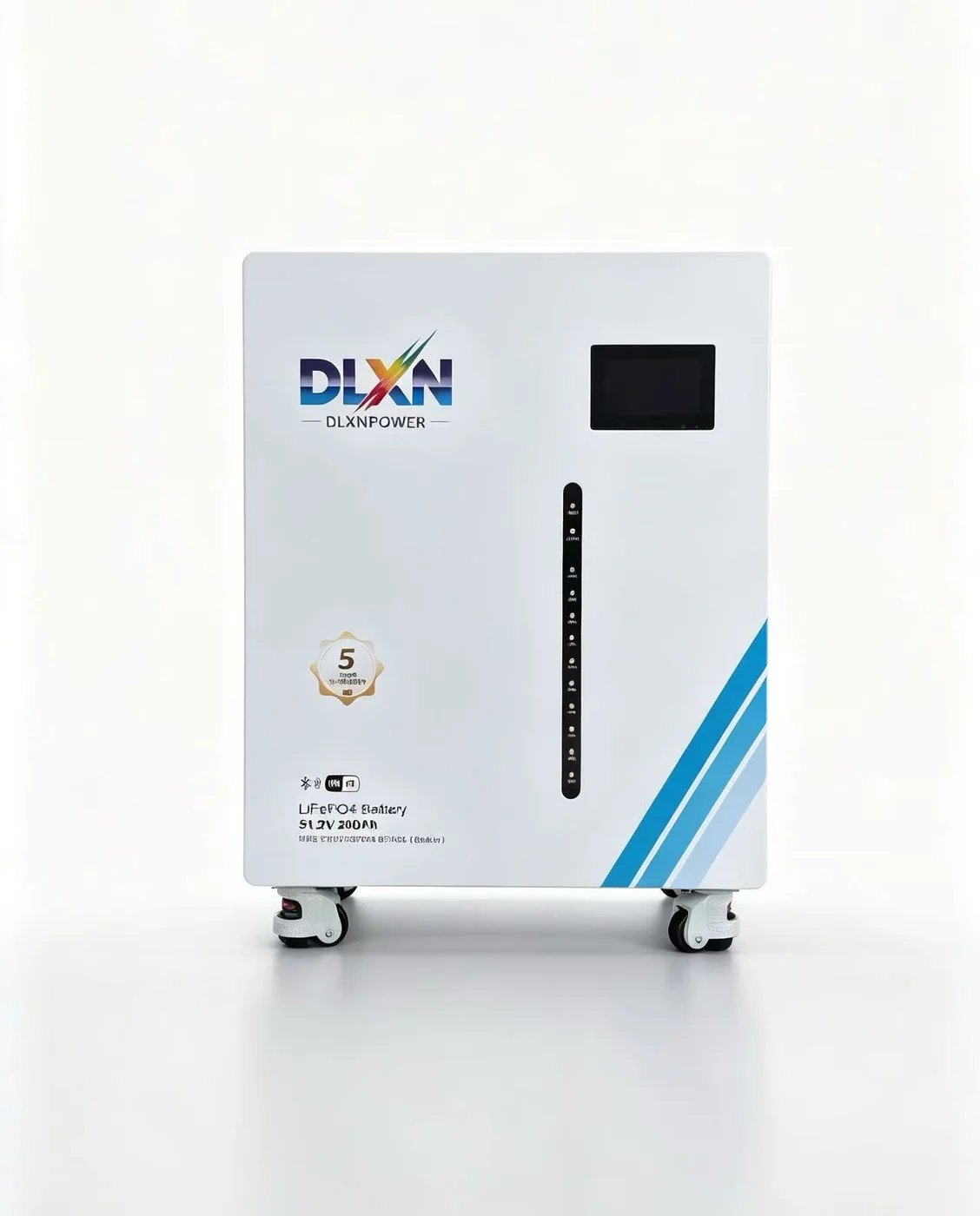
Battery economics decide whether a 5kW system is a backup asset or an evening-load tool. Load-shedding has been less frequent in 2025–2026 than in 2023, but Nersa’s 2025 tariff decision allowed Eskom’s average standard tariff to rise by ~12.7% from April 2025, and municipal tariffs have followed. For a Cape Town household on a time-of-use or home tariff, shifting ~4–6kWh of evening consumption to a 5.12kWh battery can improve the case more than chasing a lower panel price. IEA’s Renewables 2025 outlook still ranks South Africa among Africa’s largest distributed PV markets, with commercial and residential self-consumption growing even as load-shedding eases. LFP remains the default chemistry for these jobs. A 5.12kWh pack rated at 6,000 cycles to 80% depth of discharge will usually outlast the inverter warranty, but check the C-rate and the usable capacity, not just the nameplate kWh. A 5kWh battery covers ~4–6kWh of nightly baseload if the household avoids geysers, pool pumps and electric cooking. Model names such as the DLXN F5200, Sunsynk 5kW hybrid and Deye 5kW are common in quotes, but the paperwork matters: NRCS certificate, IEC 62619 report, local warranty and a datasheet that matches the NRS 097 file. Oversizing the battery to 10kWh can add ~R18,000–R25,000 without improving daytime self-consumption.
What to check before signing a November 2026 quote
Before signing, demand an itemised bill of materials: module wattage and quantity, inverter model and NRS 097-2-1 certificate, battery kWh and cycle warranty, mounting system, DC/AC protection, labour, CoC and SSEG fees. Ask for the NRCS certificate number for the battery and inverter, not a brochure logo. Confirm who signs the CoC, who submits the grid application and what happens if the municipality rejects the inverter settings. A 5kW quote that lists only “5kW panels, inverter, battery, installation” is not comparable with a compliant quote. In Pretoria and Johannesburg, DB-board photos and a site visit should precede the final price. The November 2026 outlook is stable rather than cheap. BloombergNEF expects LFP pack prices to remain under ~$120/kWh through 2026, IEA sees distributed PV expanding in Africa, and Wood Mackenzie flags inverter price stabilisation rather than another sharp decline. In South Africa, Rand volatility and NRCS enforcement will matter more than module spot prices. The 5kw solar system price south africa buyers pay at the end of 2026 will depend on battery capacity, compliance paperwork and whether the quote includes a grid application. A grid-tied 5kW system may still land near ~R38,000–R50,000; a hybrid with 5kWh LFP should stay near ~R60,000–R95,000.
Related products
In-stock models that match this article — specs and RFQ on each page.