News & Updates
Latest from DLXN Energy
5kW solar system price in Ghana: what Accra pays in November 2026
What a 5kW quote actually buys in Accra
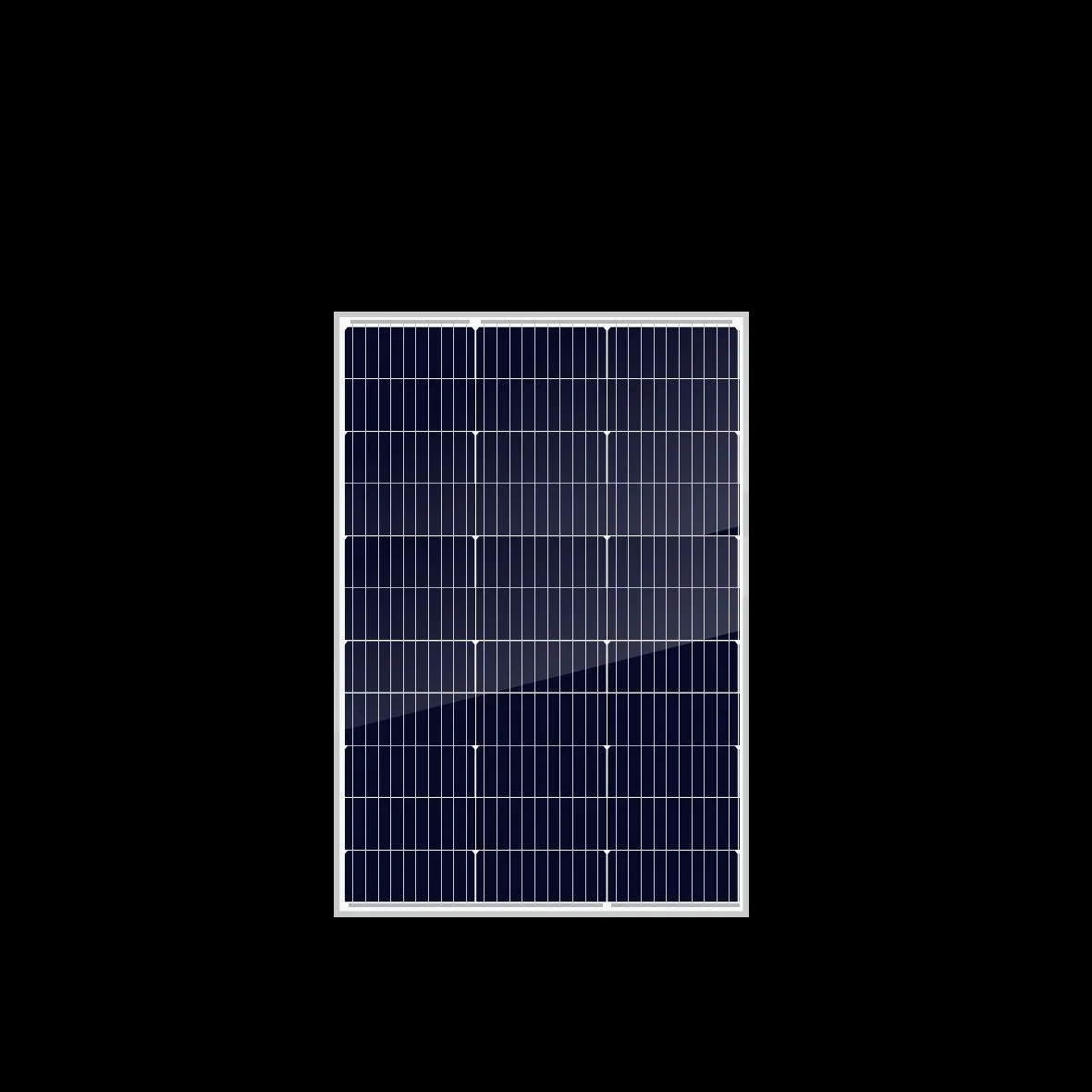
Forty-two thousand cedis buys a 5kW grid-tied array in Accra this week: no battery, no backup, roughly ten panels on aluminium rail, and a three-week wait for an Energy Commission-licensed installer. That figure sits at the bottom of the market, and it is where most first-time buyers start. The 5kw solar system price in Ghana currently spans about GHS 39,000 for that bare grid-tied package to GHS 56,000 for a hybrid unit with 5kWh of lithium storage, according to quotes tracked for our market price guide. Strip a quote back to components and the spread stops looking arbitrary. Ten 550W Tier-1 modules, landed duty-paid through Tema and sold retail in Accra, run ~GHS 11,000–15,000. A 5kW hybrid inverter adds ~GHS 9,000–13,000, and a 5kWh LiFePO4 pack adds ~GHS 11,000–16,000. Mounting, DC and AC cabling, a changeover panel, earthing, labour and commissioning account for another GHS 8,000–12,000 — the line item buyers underestimate most, because it is where installers carry their margin. Add certification paperwork and the total lands in the mid-forties.
G-CAP and the cedi do more damage than the panels
The Ghana Conformity Assessment Programme, run by the Ghana Standards Authority, requires pre-shipment inspection and certification for imported electrical goods, inverters and lithium batteries included. Consignments that reach Tema without it get held, and the demurrage ends up on the customer's quote. Installers who routinely bring in certified stock put compliance at ~3–5% of landed value — small, until you compare it with the 30–40% premium some Accra resellers still attach to "certified" stock whose certificate number nobody ever checks. Currency matters more. With the cedi trading around GHS 11–12 to the dollar in late November 2026, a 5% depreciation adds ~GHS 1,700–2,000 to a package carrying ~$3,000 of imported content, and that repricing usually reaches customers inside a month. Successive budgets have tinkered with VAT relief on renewable equipment; in practice the exemptions are narrower than the headlines suggest, and installers price as if they will not qualify. Inverters and lithium cells carry the import risk; panels are the least of it.
Battery choice moves the price by GHS 20,000
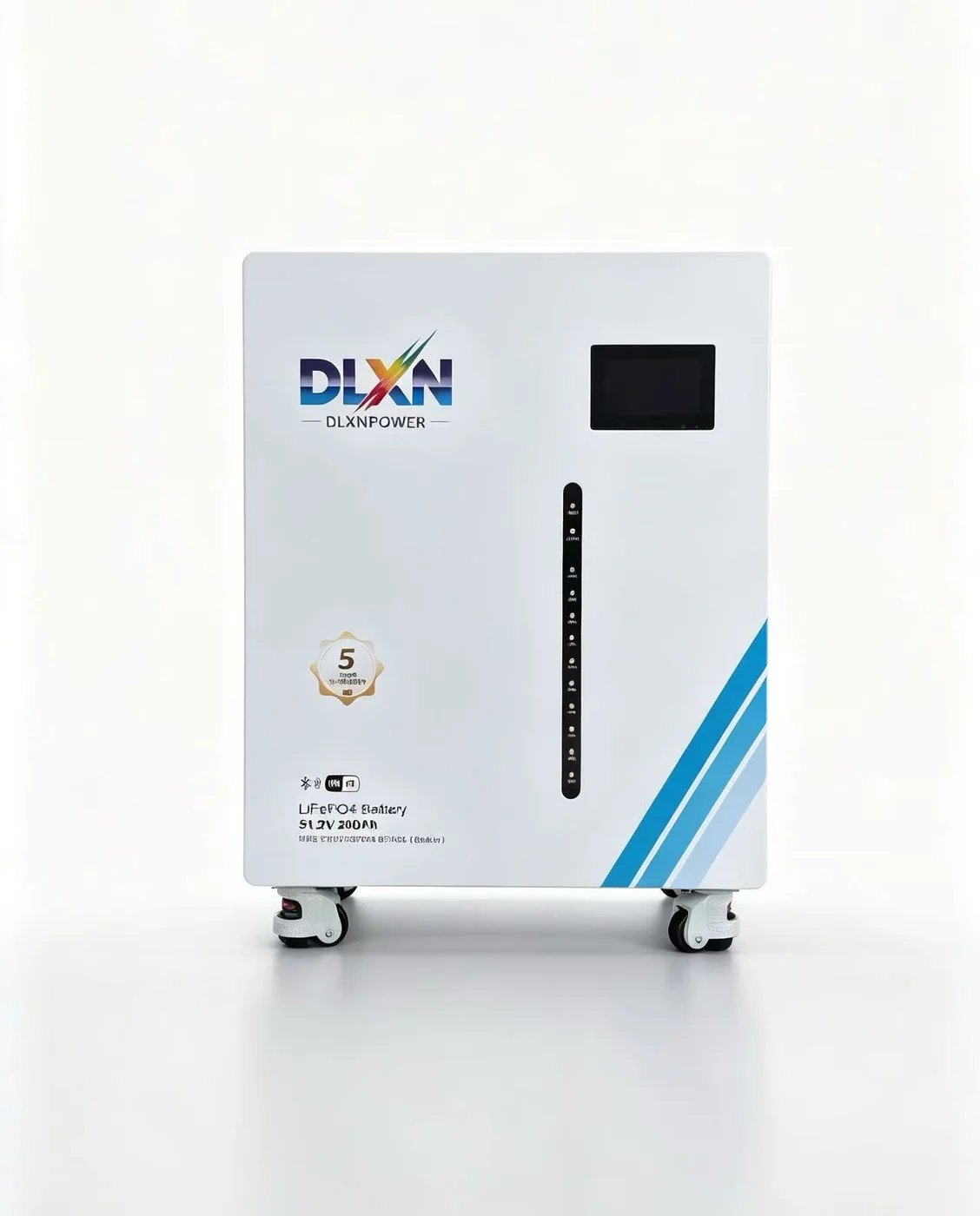
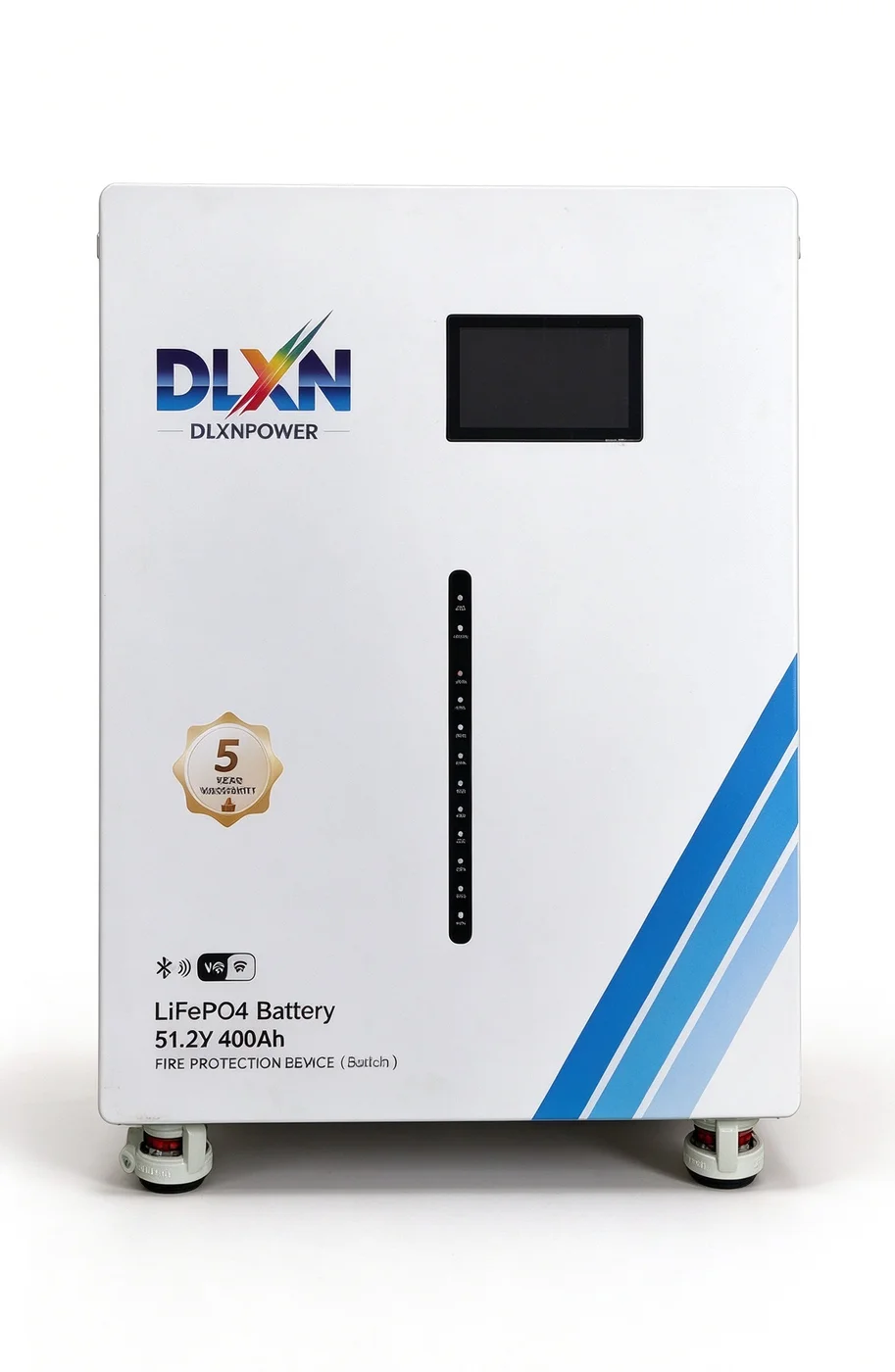
BloombergNEF and Wood Mackenzie both had LFP cell and pack prices on a downward slope through 2025–2026, with packs trading near ~$100/kWh at the Chinese cell level. Ghanaian retail does not track that closely. A 5kWh LiFePO4 unit still sells for GHS 11,000–16,000 in Accra, roughly double the landed cell cost once freight, G-CAP, warranty reserve and distributor margin are added. Our LiFePO4 battery price index tracks the gap quarterly. The practical consequence is simple. Stepping from 5kWh to 10kWh of storage adds ~GHS 10,000–18,000 to a quote, which is why so many 5kW buyers in Kumasi settle for 5kWh and keep the generator they already own. Lead-acid is still quoted at GHS 6,000–9,000 for a comparable nominal capacity, and it is almost always the wrong purchase at current lithium battery prices once you count replacement cycles.
Why 5kW keeps winning in Ghana
A middle-income Accra household runs 8–12 kWh a day. Global Solar Atlas puts practical yield in the capital at ~1,400–1,500 kWh per kWp per year, so a 5kW roof generates ~6–7 kWh on an average day — enough to flatten the daytime slice of an ECG bill without a full off-grid spend. The IEA counts Ghana's cumulative solar PV at well under 500 MW, against a peak demand that keeps climbing, and PURC's quarterly tariff reviews have done more to sell storage than any marketing campaign. Kumasi tells a slightly different story. There, 5kW systems increasingly go onto small commercial roofs — cold rooms, welding shops, clinics — where the load is daytime-heavy and a battery is optional. That is the segment where the 5kw solar system price in Ghana is most price-sensitive, and where a GHS 3,000 difference between two quotes actually decides the sale.
ECG net metering will not cut the bill much
PURC's net-metering rules let ECG customers with approved bidirectional meters export surplus, but approvals are slow, the domestic ceiling is modest, and the export credit sits well below the retail tariff. For a 5kW roof in Accra the annual export value is small change against the capital cost. Installers now default to zero-export hybrid configurations because the paperwork is lighter and the customer keeps the backup. The 5kw solar system price in Ghana is therefore set almost entirely by self-consumption economics, not by what ECG pays for a spill of midday units.
Kumasi, Takoradi, Tamale: the regional spread
Accra sets the reference price, but the regions diverge. Kumasi quotes run ~2–4% below Accra on labour, Tamale runs ~5–8% above on freight and thinner installer depth, and Takoradi tracks Accra until you specify marine-grade mounting and corrosion-resistant enclosures for the salt air, which adds GHS 2,000–3,500. The north also produces more: ~1,500–1,650 kWh per kWp per year in Tamale against ~1,400–1,500 in Accra, so the same money buys more kilowatt-hours.
How to read the quote before you sign
Ask for the G-CAP certificate number on every imported component and the Energy Commission installer licence number, and get the battery's cycle warranty in writing rather than verbally. Confirm whether the price is VAT-inclusive, whether it covers a changeover panel and earthing, and what the first service visit costs. Request the module datasheet too — 550W Tier-1 panels and 460W no-name panels look identical on a one-page quote. Our solar systems pages list the configurations that clear G-CAP most easily, and the team will review a quote line by line through contact.
Related products
In-stock models that match this article — specs and RFQ on each page.