News & Updates
Latest from DLXN Energy
How Much Solar to Run Aircon Philippines: 2026 Sizing Data

1.5 to 2.5 kWp Covers One Inverter Unit, Daytime Only
Three residential installs in Cebu this month used 1.6 kWp, 2.4 kWp and 4.8 kWp — same floor area, same 1.5HP inverter split. The question that separated them, how much solar to run aircon philippines households need, has no single answer: compressor type and run hours decide it, not panel brand. Start with the load, not the array. A 1.5HP (roughly 1.1 kW rated) inverter split in Metro Manila averages ~0.5–0.6 kW once the compressor modulates, so eight hours of operation draws ~4.0–4.8 kWh. A non-inverter unit of the same nominal capacity cycles at full load and can average ~1.1–1.3 kW across the same window, or ~9–10 kWh. That difference alone doubles the array. On the supply side, NREL's PVWatts model puts Manila, Cebu and Davao in a similar band at ~1,400–1,500 kWh per kWp per year, which is ~3.8–4.1 kWh per kWp per day before ~15–20% losses from heat, wiring and inverter conversion. Divide and derate. A 1.5HP inverter unit running eight daytime hours needs ~1.5–1.8 kWp of solar panels. Run the same unit at night and charge a battery, and the practical range climbs to ~2.0–2.5 kWp to cover cloudy stretches and round-trip losses. Non-inverter units push sizing to 3.0–4.0 kWp regardless of schedule, which is why so many older Metro Manila homes quote a figure that looks double a neighbour's.
Night Duty Is Where the Battery Bill Lands
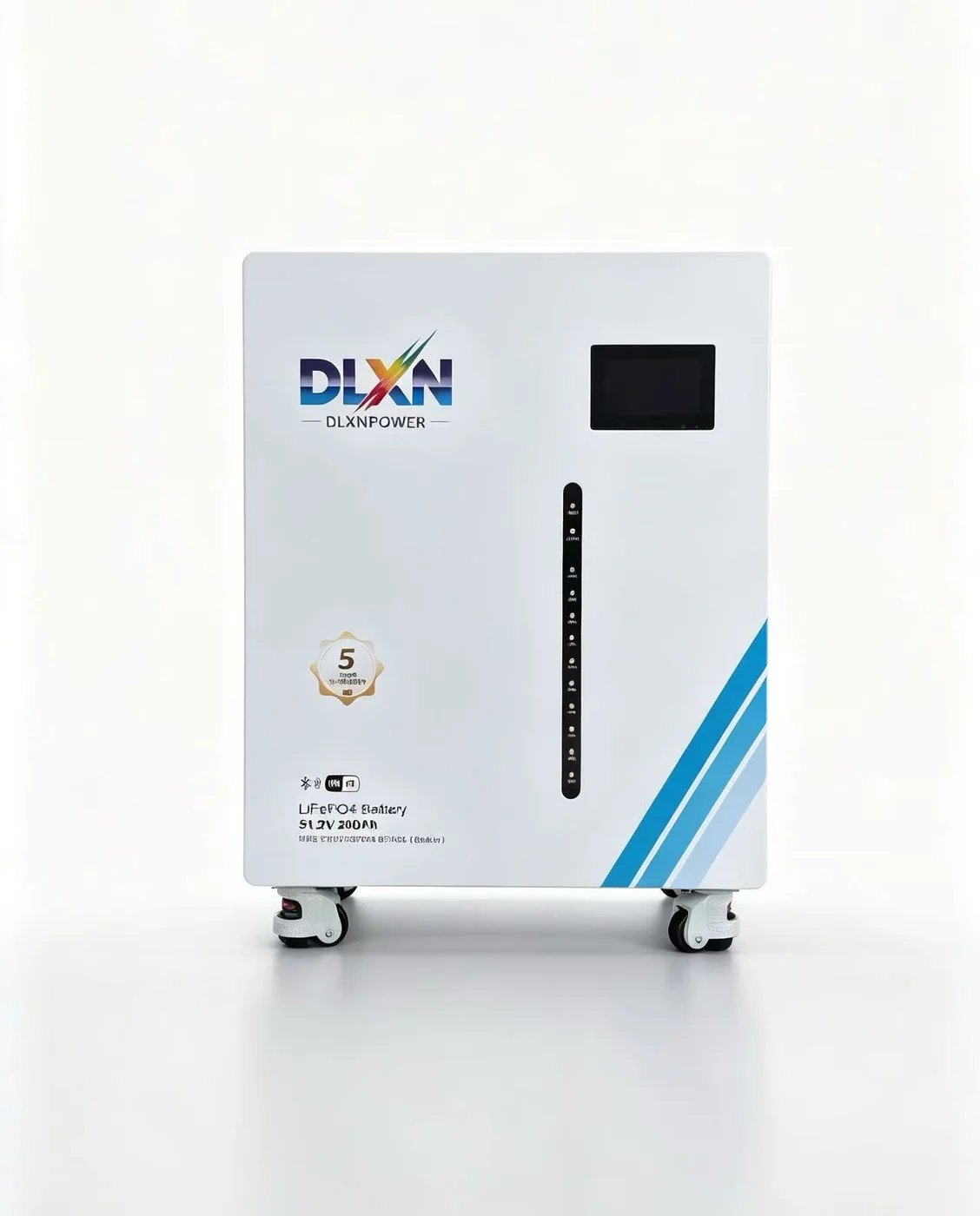
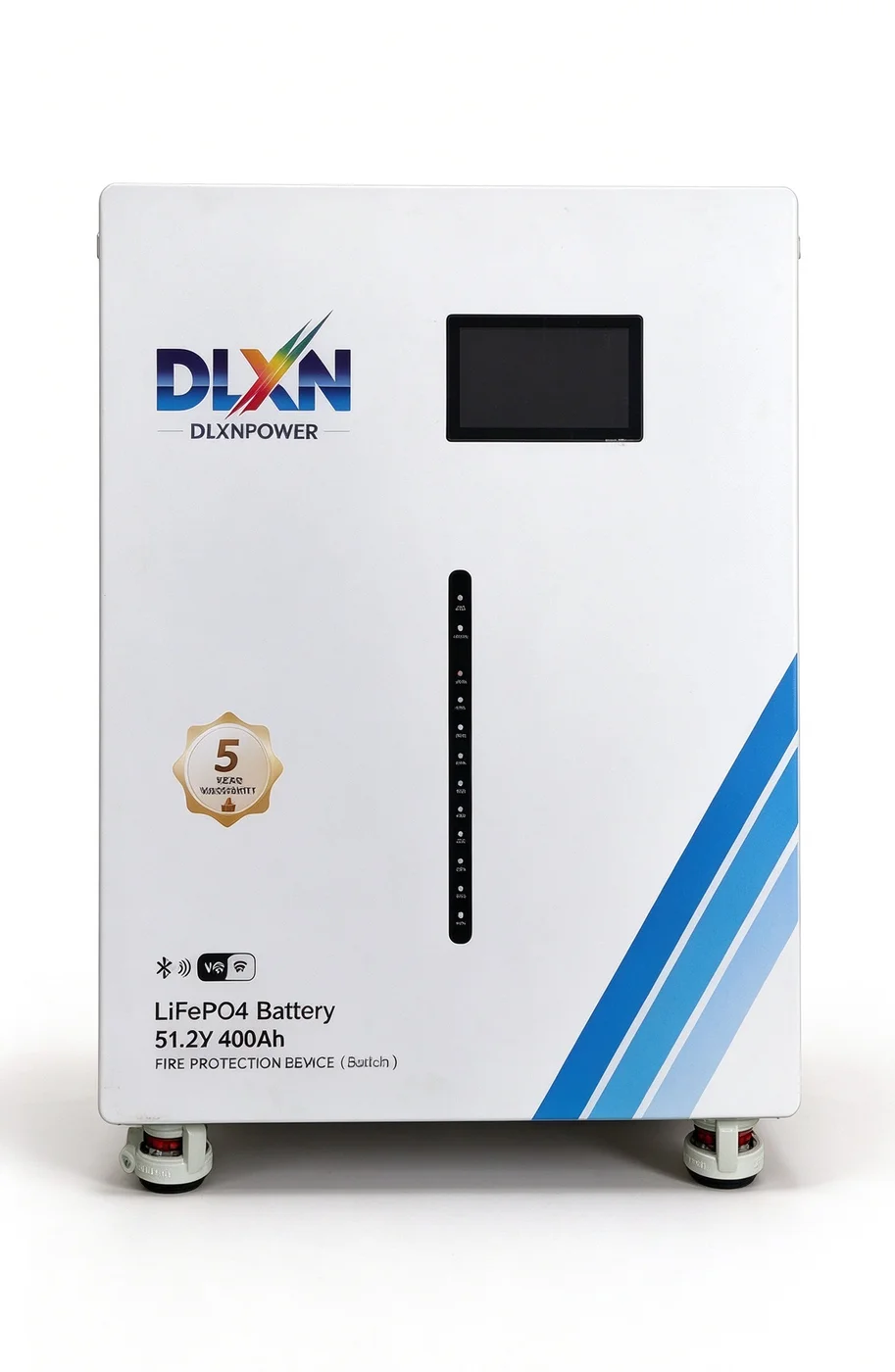
Most Filipino households run the aircon after sunset, when the array is producing nothing. Sizing then becomes a storage problem: 4.4 kWh of night consumption at 80% depth of discharge needs a ~5.5 kWh pack, and installers generally quote 5–6 kWh LFP for one bedroom unit, 10–12 kWh for two or three. At 2026 pack prices tracked in our LiFePO4 battery price index, that adds ~PHP 70,000–100,000 to a single-unit system on top of the ~PHP 45,000–60,000 per kWp installed cost of the PV side. A 5 kWh battery is not a luxury upgrade when the compressor runs at 10pm; it is the component that determines whether the system displaces grid power at all. Hybrid inverters with a residential ESS also solve a second problem: peak-hour clipping. Meralco's residential rate moves with the generation charge each month, and self-consumption at ~PHP 12 per kWh is worth roughly twice an exported kilowatt under net metering.
What the Per-KWh Rate Does to Payback
Residential rates across Metro Manila and Cebu have traded in a ~PHP 11.50–13.50 per kWh band through 2026, depending on the distribution utility and that month's generation charge. At PHP 12.50, the 1.5HP inverter unit above — 132 kWh a month — costs ~PHP 1,650. A 2 kWp rooftop with 5 kWh of storage typically lands at PHP 190,000–250,000 in November 2026, which puts simple payback at ~7–9 years if most kilowatt-hours are self-consumed. Our market price guide tracks the installed-cost range by region. Net metering changes that arithmetic, and not always in the homeowner's favour. Under the ERC's net metering rules, residential customers up to 100 kW get credited at the distribution utility's generation charge — ~PHP 5.50–6.50 per kWh in 2026 — not at the retail rate. Export a surplus and you recover roughly half its value. The rule quietly rewards self-consumption and battery storage over oversized arrays, and it is the main reason installers in Davao now quote 2 kWp systems instead of the 5 kWp arrays common in 2022.
Accreditation, Net Metering and the Electrical Code
Three regulatory gates matter. First, the Department of Energy requires installers to hold DOE accreditation, and utilities increasingly ask for the certificate number before approving a net metering application. Unaccredited work is a common reason applications sit for months. Second, the net metering application runs through the distribution utility and follows ERC-approved rules, including a two-way meter and an interconnection agreement. Third, the Philippine Electrical Code governs the DC side; DC isolators, grounding, string labelling and rapid shutdown provisions are inspected. Clark Freeport adds a local layer — building and electrical permits inside the zone go through the development corporation rather than the municipal hall, which can add two to four weeks. Budget for it in the project schedule rather than after the panels arrive.
A Sizing Shortcut for Cebu, Davao and Clark Homes
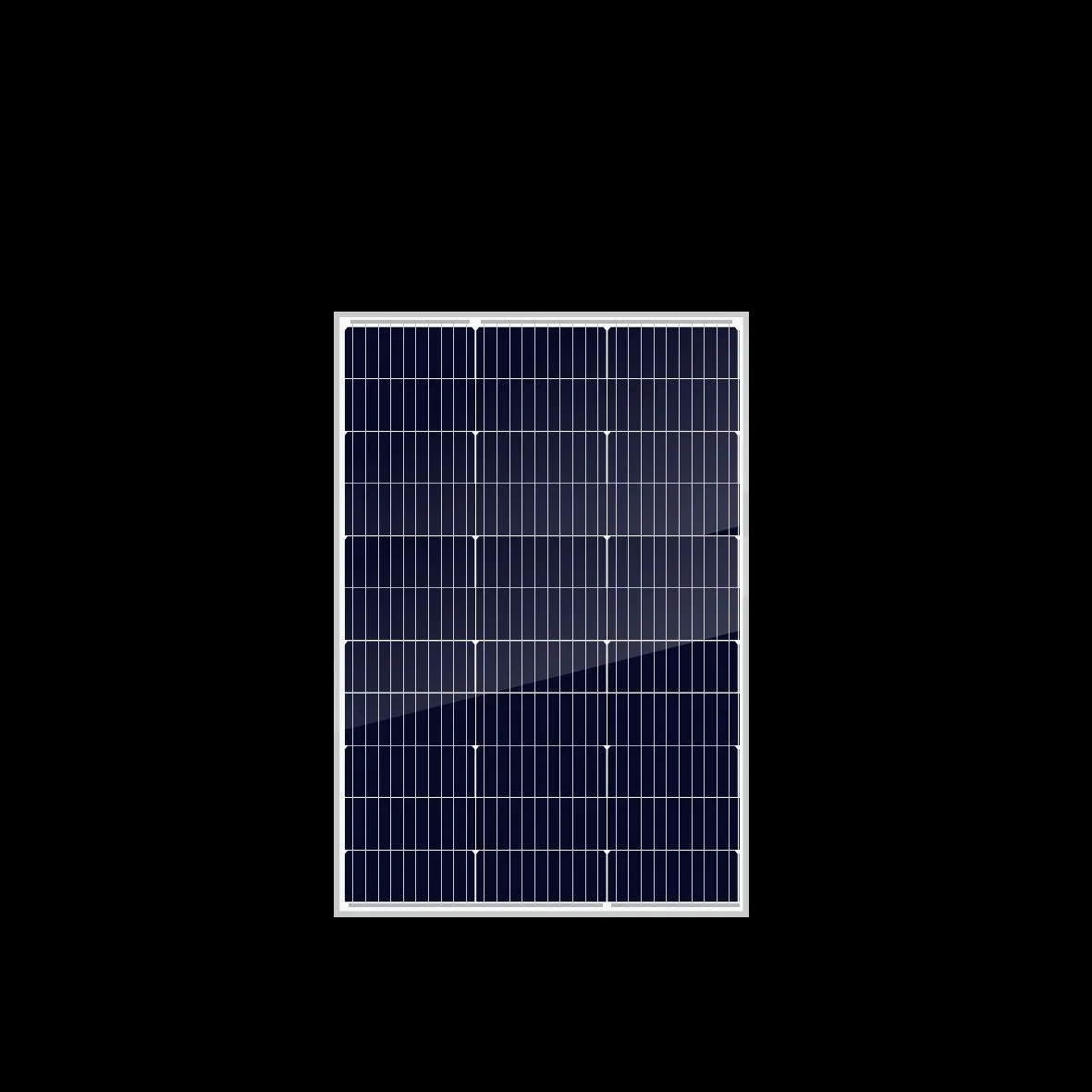
Count the aircon units, note whether each is inverter or fixed-speed, and log the hours. Multiply the daytime kWh by 0.25 to get a rough kWp figure, then add 30% if the unit runs at night. Check roof area at ~5.5–6 m² per kWp of modern 550–620 W modules, and confirm the distribution transformer and service entrance can take the backfeed. For anything beyond one unit, an engineered system package with a monitored hybrid inverter beats a component-by-component quote. The number that matters is not the array size on the brochure — it is the share of the Meralco bill the system actually erases.
Related products
In-stock models that match this article — specs and RFQ on each page.