News & Updates
Latest from DLXN Energy
How Many Solar Panels to Run a House in South Africa: 2026 Numbers

Load first: the kWh line decides everything
Fourteen 550 W panels. That is the working answer for a four-bedroom house in Johannesburg's northern suburbs burning ~900 kWh a month, and it is the number most Gauteng installers now quote when a homeowner asks how many solar panels to run a house in South Africa. The panel count, though, is the last number you should calculate — not the first. A three-bedroom townhouse in Centurion heating water on a 4 kW resistance geyser typically lands at ~750 kWh a month. Add a 1.1 kW pool pump running six hours a day and the same house climbs to ~1,000 kWh. In Cape Town's Southern Suburbs, where winter water heating loads run longer, a family of four with two geysers can touch 1,400 kWh in July. Your municipal bill, prepaid meter history, or the Eskom residential statement gives you the only figure that matters: kilowatt-hours per month, divided by 30 for a daily average. Everything else — panel wattage, inverter size, battery bank, roof layout — is downstream of that one number. The mistake installers in Durban see most often is a homeowner sizing arrays against the inverter's nameplate rather than against consumption, then discovering in the first winter that a 5 kW hybrid inverter with 6 kWp of panels still cannot carry a 4 kW geyser element plus a kettle at 07:00.
What a 550 W panel actually yields in Gauteng, the Cape and KZN
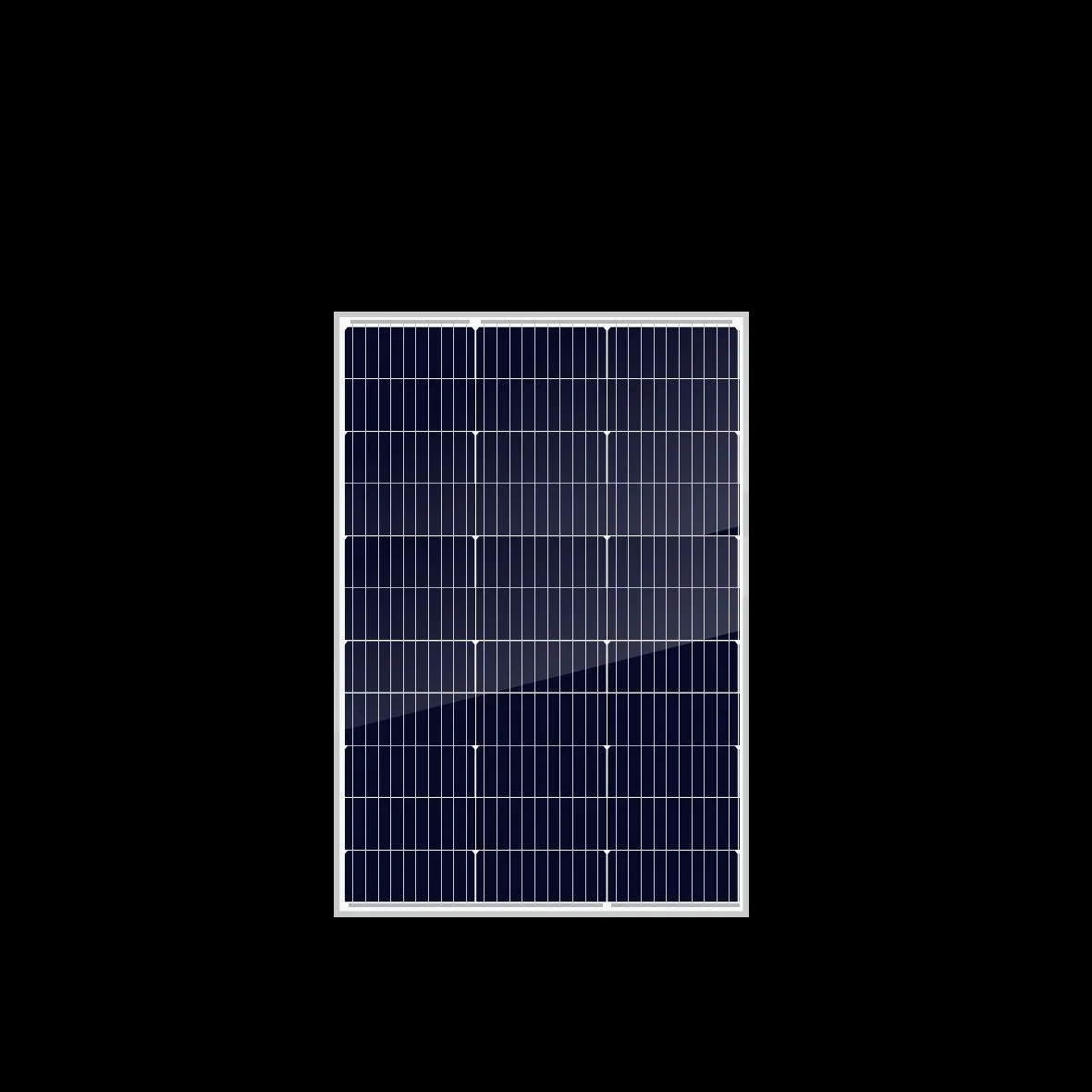
South Africa's solar resource is good but not uniform. Global horizontal irradiation sits around 5.1-5.5 kWh/m²/day on the Highveld, ~4.8 in Durban, and ~4.6-5.0 in Cape Town on an annual basis — with Cape Town's June yield falling to roughly half its December figure. Applying NREL's PVWatts default derate factors (soiling, wiring, mismatch, ~14% system losses, plus inverter efficiency), a modern 550 W n-type TOPCon module delivers roughly:
- Johannesburg and Pretoria: ~1.95-2.1 kWh/day per panel
- Durban: ~1.85 kWh/day
- Cape Town: ~1.8 kWh/day annualised, less in winter
Those figures assume a north-facing roof at 25-30° tilt with no shade between 09:00 and 15:00. A east-west split array loses ~8-12%, and a shaded chimney or jacaranda can be worse than halving a string's output. If a quote ignores a shade survey, the panel count is fiction. The rand picture has moved fast. Global TOPCon module prices tracked by BloombergNEF sat at ~$0.09-0.10/W through late 2026, which puts a 550 W tier-1 panel on a Johannesburg wholesaler's floor at ~R1,500-R1,750 including VAT and freight — roughly R2.80-R3.20/W. Modules are now the cheapest line on a residential quote, which is why the industry argument has shifted to inverter and battery quality. Our 550 W panel range sits in that band.
Three worked sizes, from a Durban townhouse to a Pretoria family house
Worked example one. A Durban townhouse at 600 kWh/month needs ~20 kWh/day. At 1.85 kWh per panel per day, that is 11 panels — a 6 kWp array — paired with a 6 kW hybrid inverter and a 5 kWh lithium battery for evening baseload. Installed cost in eThekwini in late 2026: ~R75,000-R95,000 depending on roof type and cable runs. Worked example two. The Johannesburg house from the opening, 900 kWh/month, needs ~30 kWh/day. At ~2.0 kWh per panel per day, that is 14-15 panels, or 8 kWp. Add a heat pump on the geyser and the array drops to 12 panels at a lower capital cost — a trade worth running both ways before signing. Worked example three. A Pretoria property with two geysers, a pool and a flatlet at 1,600 kWh/month needs ~53 kWh/day, which is 25-26 panels and a 14 kWp array. Almost nobody should build that. Cut the load first — geyser heat pump, pool timer, LED, gas hob — and 1,100 kWh/month becomes reachable, which brings the array back to 17-18 panels and saves ~R40,000 on the balance of system. How many solar panels to run a house in South Africa therefore has a range, not an answer: 8-11 for a townhouse, 12-16 for a family house without a pool, 18-26 for anything with two geysers and a pool. National housing data and the 2026 LiFePO4 price index both point the same way — batteries are now the swing cost, not panels.
The panel count hides the inverter, the battery and NRS 097-2-1
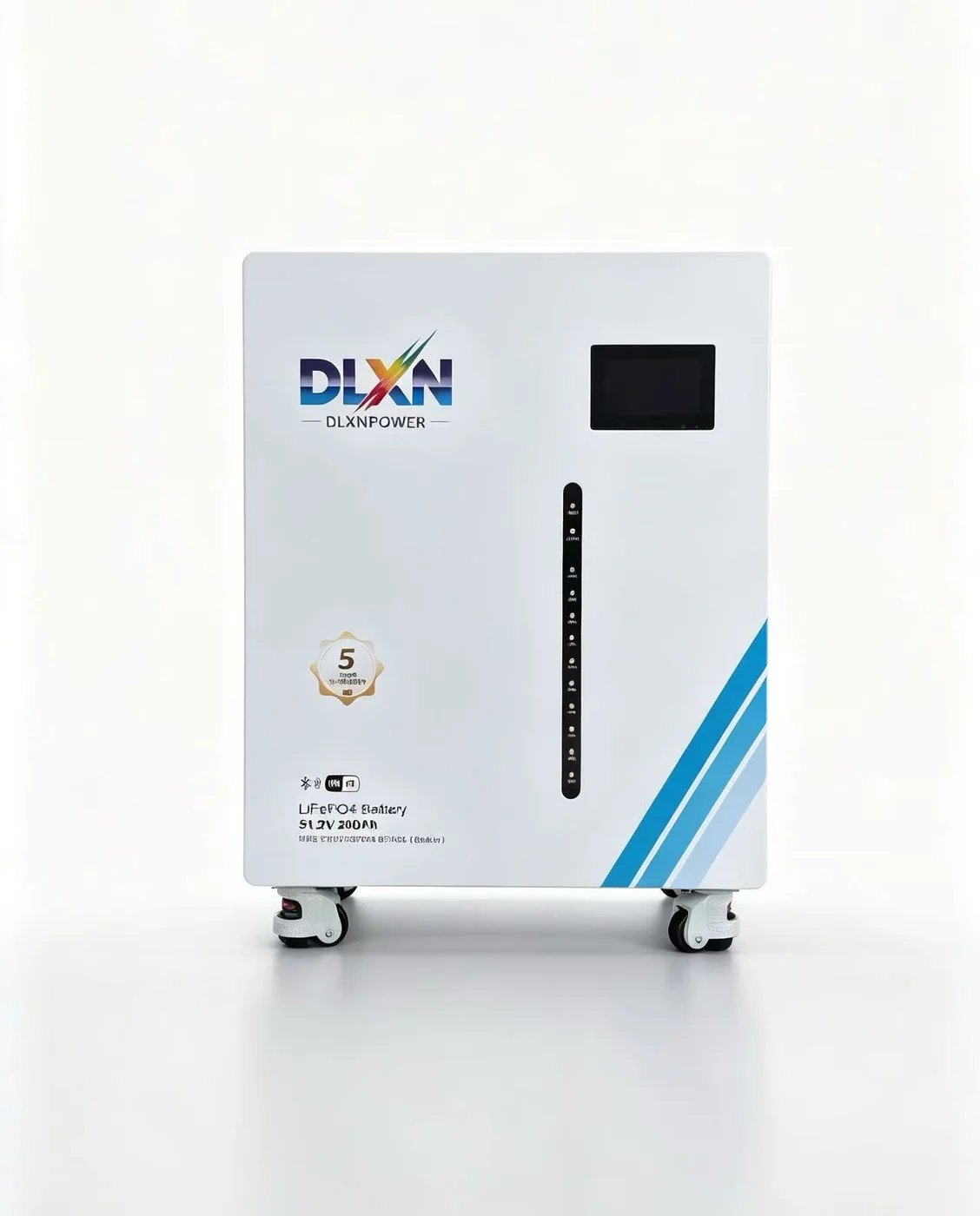
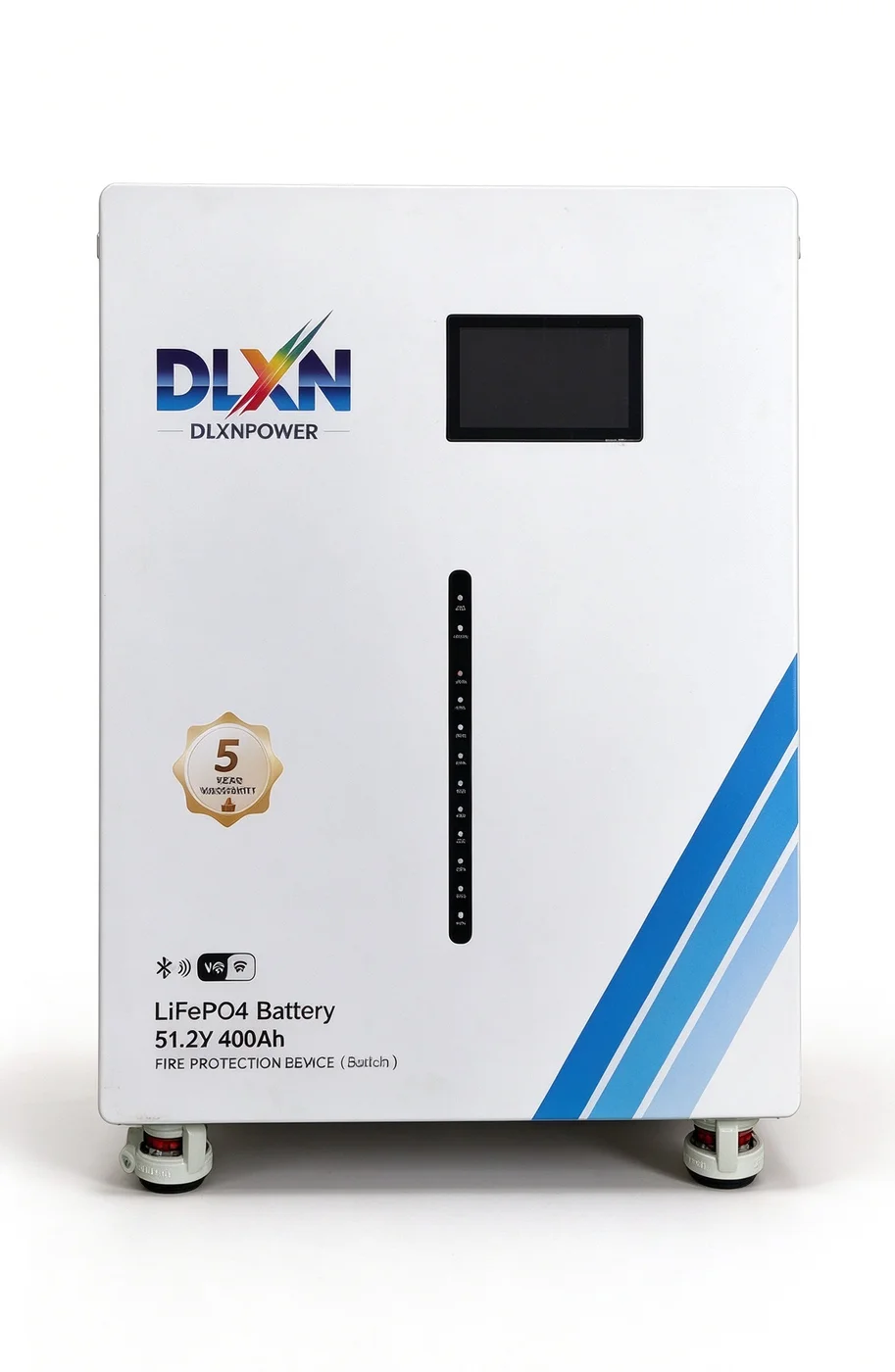
A rooftop array is a direct-current generator; everything a household actually wants happens downstream. Inverters must appear on the NRS 097-2-1 approved list if the system will parallel with the grid, even in zero-export mode, because the municipality has to be satisfied the unit cannot island during an outage. SANS 10142-1 is the wiring standard behind the Certificate of Compliance, and NRCS letters of authority are required for the modules, inverter and battery — a cheap import without an LOA is a problem at resale and at insurance renewal. Battery sizing is a separate calculation. A typical South African evening peak runs 6-9 kWh for a mid-sized house with a geyser on a timer; most Gauteng installers now default to 10 kWh rather than 5 kWh for that profile, and the residential ESS catalogues reflect it. Eskom's energy availability factor has stayed in the low 60s through 2025 and 2026, so load-shedding has been largely suspended — but NERSA's allowed tariff path (12.74% from April 2025, 5.36% from April 2026) has kept payback arguments alive at 5-7 years on a hybrid system.
What the municipality and the insurer will ask for
Grid-tied systems need SSEG registration: City of Cape Town, City Power in Johannesburg, and eThekwini all run authorisation processes, and all three require the CoC and inverter documentation before commissioning. Cape Town's residential feed-in credit sits in the ~70-85 c/kWh band under the current tariff schedule — useful, not transformative. Export-limited, non-exporting systems are simpler and cheaper to register. Our market price guide tracks installed R/kWp by province. The final line: ask any installer how many solar panels to run a house in South Africa and a competent one will ask for three months of bills before answering.
Related products
In-stock models that match this article — specs and RFQ on each page.