News & Updates
Latest from DLXN Energy
Solar panel installation in Lagos: now the paperwork matters
The bottleneck moved from containers to certificates
At a warehouse off Oregun Road in Ikeja, three pallets of 550 W monocrystalline modules sat under tarpaulin last week, waiting on a SONCAP certificate that had already been queried twice. That delay is now a familiar shape for solar panel installation in Lagos in the fourth quarter of 2026: the hardware lands, the customer's deposit clears, and the job stalls on paperwork that barely featured in most installers' workflows three years ago. The regulatory map changed underneath the trade. The Electricity Act 2023 pushed oversight of intra-state networks to state governments, and Lagos took the handover — the Lagos State Electricity Law 2024 created the Lagos State Electricity Regulatory Commission, and NERC formally transferred regulatory oversight of the state's electricity market to the state regulator in 2024. For a rooftop system well under 1 MW, that mostly means a different set of filings rather than different physics. For anything an installer wants to interconnect, it means the distribution company, NEMSA and now LASERC all get an opinion. NEMSA's role has not shrunk. The agency still tests and certifies installations, and its standards on earthing, changeover switching and protection are the ones that decide whether a job passes inspection. SONCAP sits upstream of all of it. Most imported inverters and lithium battery packs now clear the ports only with a Product Certificate issued under the Standards Organisation of Nigeria's conformity programme, and the certificate is tied to the specific manufacturer and model — not to the brand name on the carton. Installers who swap suppliers mid-project discover this the hard way, usually with a container already on the water.
What a 5 kW system costs in naira this month
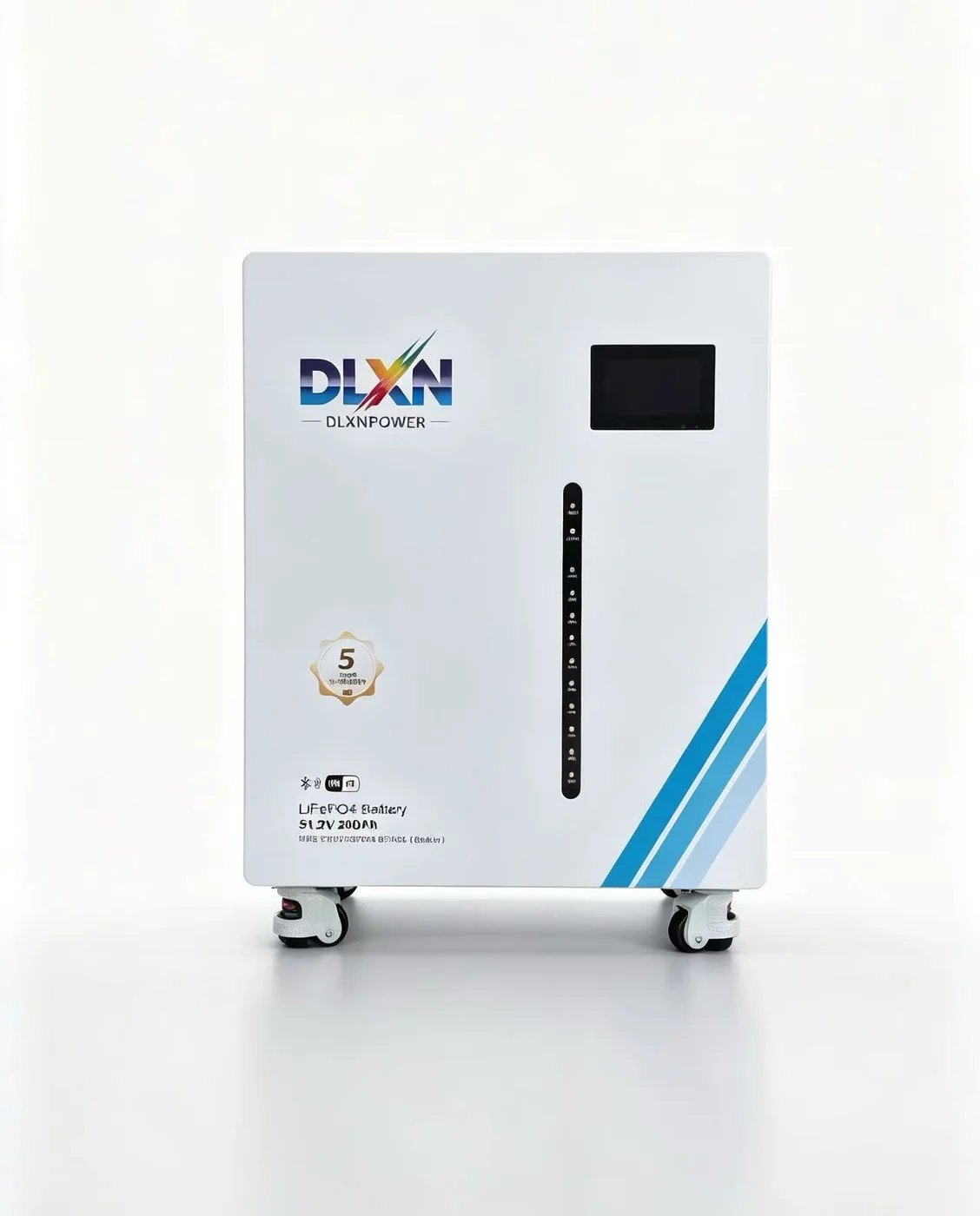
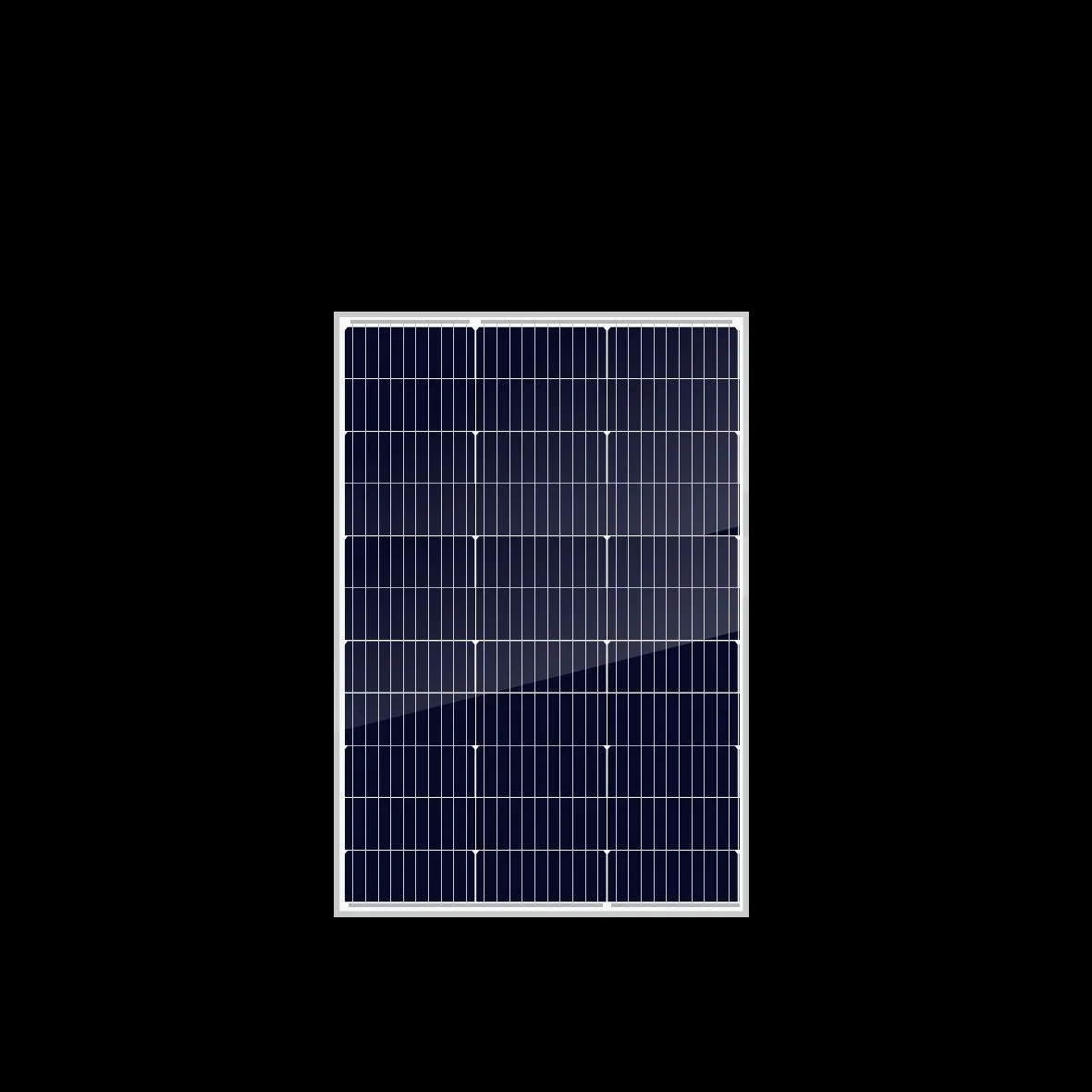
Global module prices are not the constraint. BloombergNEF has tracked tier-1 TOPCon modules in the ~$0.09–0.11/W band through 2026, and ocean freight into Apapa adds comparatively little. The naira does the damage, and so does the balance of system. A typical 5 kW hybrid package — ten 550 W modules, a 5 kW hybrid inverter, one 5 kWh lithium pack, mounting rails, DC and AC cabling, breakers, surge protection and earthing — is quoting at roughly ₦4.2m to ₦6.5m installed in Lagos this month, depending on roof type, cable runs and whether scaffolding is needed. A 3 kW/2.5 kWh starter package sits at roughly ₦2.2m to ₦3.2m. On their own, tier-1 550 W modules run ~₦150,000–₦210,000 each, and a 5 kWh LiFePO4 pack runs ~₦1.6m–₦2.4m depending on cell grade and BMS. Two installers quoting a 40 percent spread on the same roof are usually not competing on margin. They are competing on the battery. The LiFePO4 battery price index tracks the gap between grade-A cells with a documented cycle life and repacked or second-life stock, and that gap is wider in Lagos than in most import markets because so much of the volume moves through informal channels. Our market price guide breaks the same spread down by component for buyers who want to sanity-check a quote before signing. Installers also report that duty and VAT reliefs announced for renewable equipment in 2025 have not been applied uniformly at every port, so landed costs for identical containers still vary between brokers. Budget for variance rather than assuming the headline exemption.
Compliance is now a line item
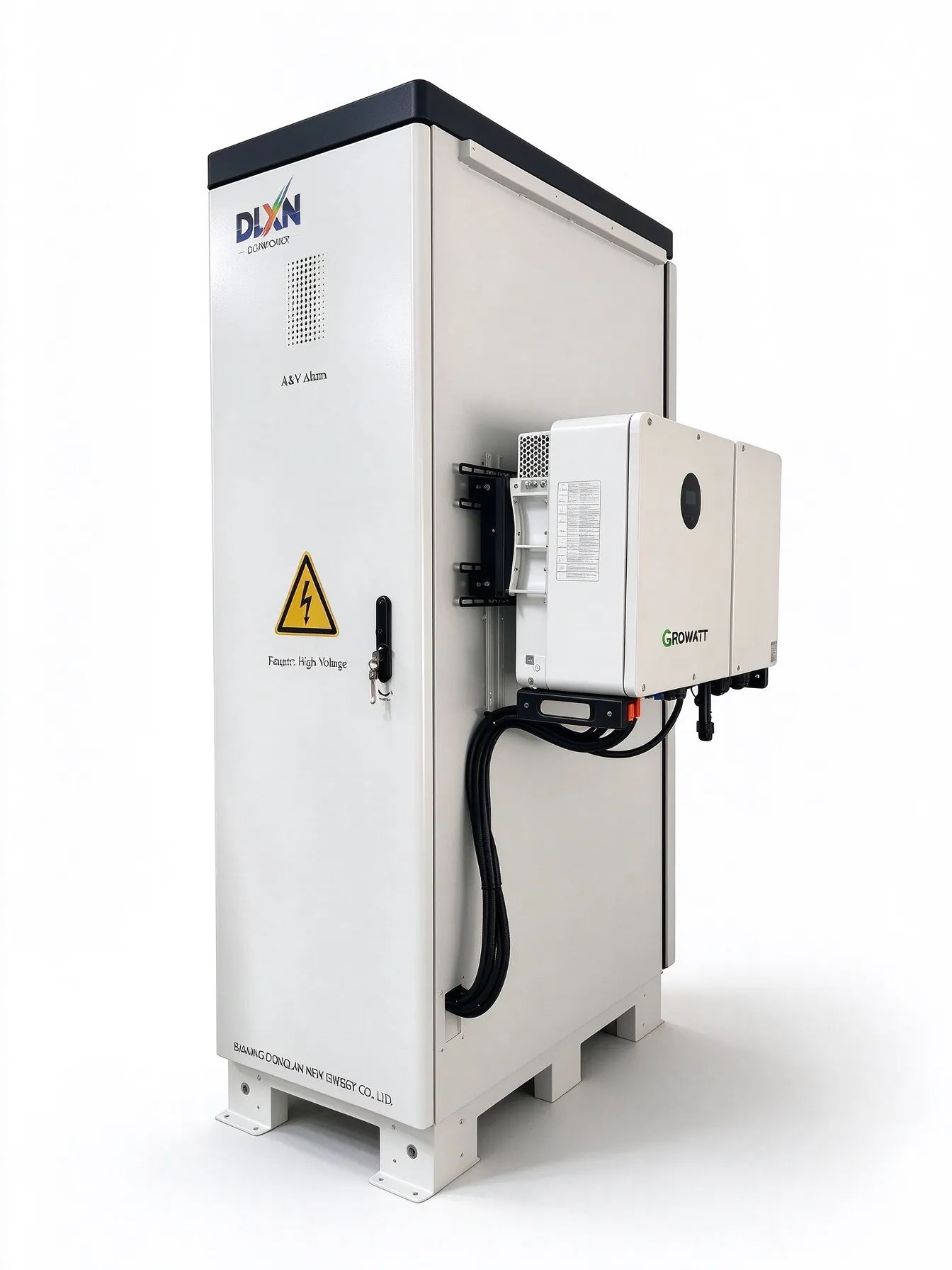
A compliant job in Lagos in late 2026 has a paper trail: a SONCAP-certified inverter and battery, a NEMSA-certified installation, an earthing test with recorded resistance values, and — for grid-tied work — written approval from the distribution company before the changeover switch is installed. None of that is free. Certification, inspection and mobilisation typically add ~₦150,000–₦400,000 to a residential project, and more where the supply authority insists on a dedicated meter or a visible isolator. The technical failures that inspectors flag are consistent: undersized DC cable between strings and inverter, no surge protection on the DC side, earthing bonded to a building's plumbing rather than to a proper electrode, and strings of mismatched modules wired in series because the pallet ran short.
Demand climbs anyway
Band A customers have paid well above ₦200/kWh since the April 2024 tariff jump, and diesel has hovered around ~₦1,300/litre through 2026. Against that, a 5 kW/5 kWh system that displaces grid and generator load pays back in roughly three to five years for a household running air conditioning, and faster for a shop with daytime load. The IEA has repeatedly flagged Nigeria's installed solar base as small relative to the size of its self-generation market, which is another way of saying the addressable demand is mostly still unmet. Be skeptical of payback arithmetic that assumes a flat tariff and a battery that never degrades. A LiFePO4 pack rated at 6,000 cycles to 80 percent capacity is a ten-to-fifteen-year asset in Lagos heat only if it is installed somewhere ventilated; a pack bolted to a sun-baked wall in a Lekki service corridor will not see that number.
Questions to ask before signing
Ask for the SONCAP product certificate number and check it against the model, not the brand. Ask whether the battery is grade-A or repacked, and ask for the datasheet cycle count at a stated depth of discharge. Ask who signs off the earthing test, and get the resistance values written into the handover document. Then ask whether the installer will still be reachable when the inverter throws a fault in 2029. The direction of travel is clear: solar panel installation in Lagos is becoming a licensed, documented trade rather than a cash-and-carry one. That is slower and more expensive per job, and it will push some of the informal end of the market out. It should also cut the number of 5 kW systems that quietly stop working in their second rainy season. For buyers comparing quotes, the solar panel range and residential ESS options give a baseline on specification before the conversation turns to price — and the lithium battery line is where most of the real variance sits.
Related products
In-stock models that match this article — specs and RFQ on each page.