News & Updates
Latest from DLXN Energy
Ghana Dumsor solar backup demand climbs in Accra
Accra demand rises as ECG outages persist
Demand for dumsor solar backup in Accra has firmed in November 2026 as ECG outage notices and fuel-supply wobbles push households and small businesses to plan for grid instability. The 2012–2015 dumsor crisis still shapes buyer behaviour: most Accra buyers ask for a battery-first system, not a generator-first kit. ECG's load-management schedule remains the trigger, but the buyer profile is broader now—pharmacies, cold rooms, welding shops and home offices in Kumasi and Takoradi are quoting backup autonomy in hours, not kilowatts. Installers say the market is splitting. Low-cost buyers want a 3–5 kW hybrid inverter and one 5 kWh lithium rack; commercial buyers ask for 10–20 kWh and split-phase output. The market price guide shows why quotes vary: GHS exchange rates, G-CAP paperwork and battery BMS choice move a 5 kW/10 kWh package by ~GHS 15,000. A generator-first buyer may spend less upfront, but diesel at current GHS pump prices makes the payback argument weaker each quarter. The trade is moving, slowly, toward measured backup load rather than panic buying.
Compliance is the first filter
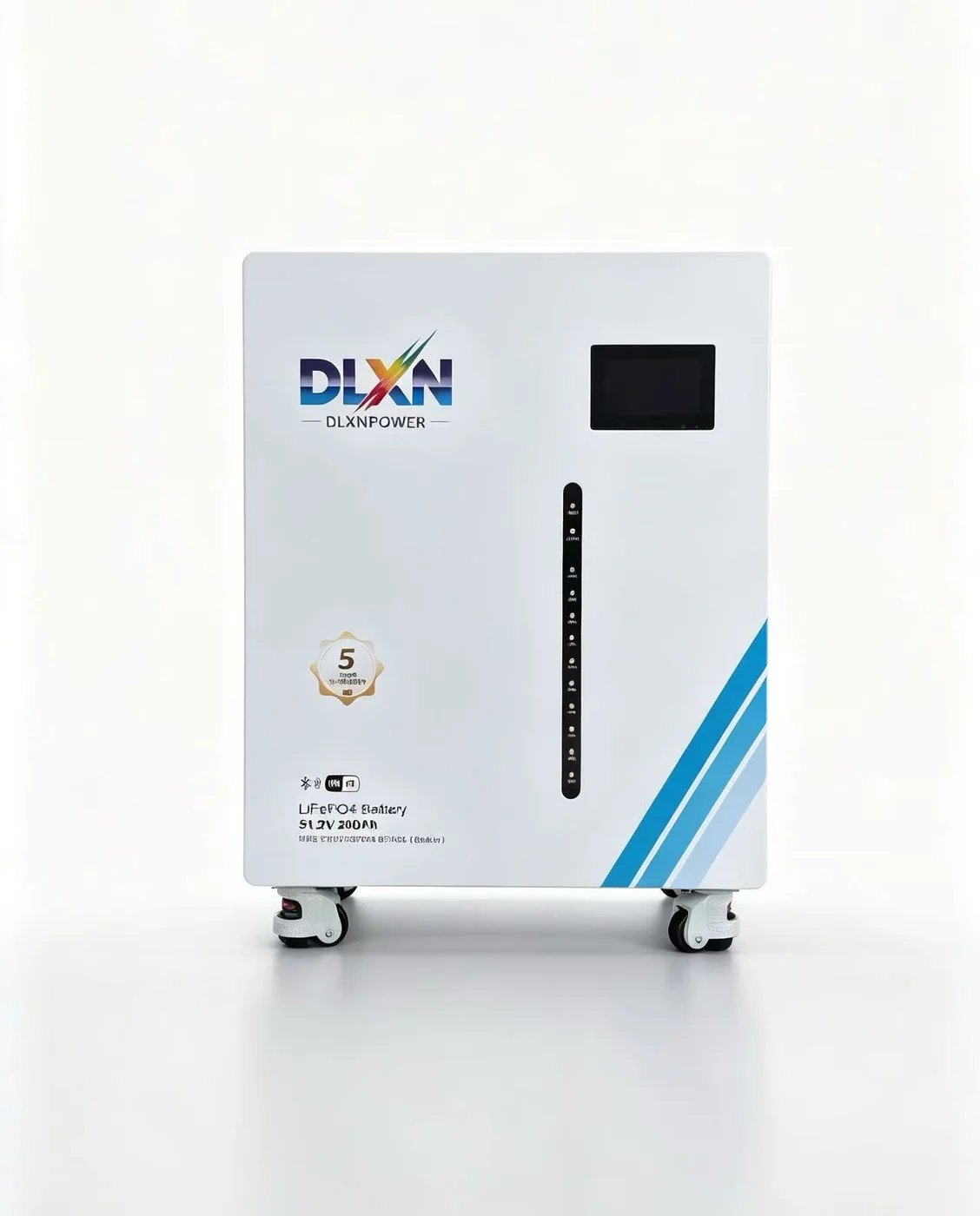
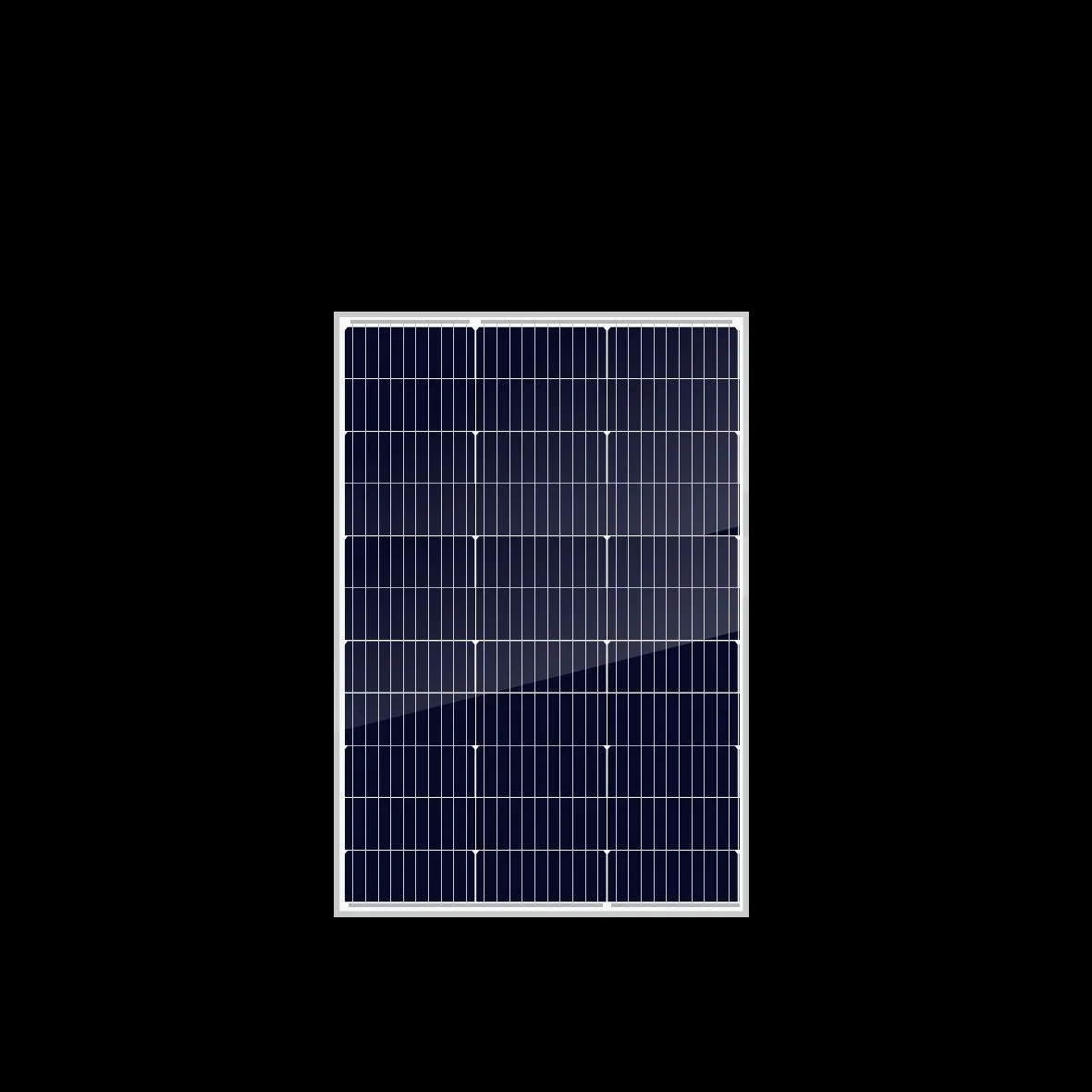
Ghana's dumsor solar backup buyers now hit a compliance filter before price. The Ghana Standards Authority's G-CAP programme covers imported panels, inverters and lithium batteries; an Energy Commission-licensed installer is expected for grid-tied work. For net metering, ECG requires a bi-directional meter and PURC-approved paperwork, and the process is not a same-week install. In Accra, a missing G-CAP certificate can turn a cheap quote into a stranded shipment. The Energy Commission has been tightening installer licensing, and buyers are asking for certificate numbers before deposits. A practical residential specification in November 2026 is ~5 kW of hybrid inverter capacity, ~10 kWh of LiFePO4, and 6–8 kWp of PV. Solar panels in the 550–590 W class are common; lithium battery racks with 48 V or high-voltage BMS designs compete on warranty and service. DLXN's M10-230W module and F5200 rack are among the models installers compare, though the brand decision usually follows local service response, not datasheet peaks. A 5 kW/10 kWh turnkey quote in Accra is ~GHS 45,000–75,000 before ECG/PURC fees.
Battery prices soften, but installation does not
The dumsor solar backup calculation still hinges on battery chemistry. BloombergNEF's 2026 battery price survey shows LiFePO4 cells under continued cost pressure, but Ghana landed prices include freight, duties, G-CAP testing and dealer margin. Accra installers quote ~GHS 8,000–14,000 for a 5 kWh LiFePO4 rack in November 2026, depending on BMS, enclosure and warranty terms. The LiFePO4 price index tracks that spread. Lead-acid remains cheaper upfront, but NREL's 2025 storage benchmark and local service records favour lithium for daily cycling in humid coastal conditions. Cycle life claims need scrutiny. NREL's benchmark work puts commercial LiFePO4 systems in the ~3,000–6,000 cycle range under controlled conditions, not the 10,000-cycle marketing sometimes quoted in Accra. A 5 kWh rack cycled once a day is a 10–15 year asset only if depth of discharge, temperature and BMS limits are respected. In Takoradi's humidity and Tamale's heat, enclosure choice matters as much as cell brand. Buyers should ask for a written capacity warranty and a local service address, not just a datasheet cycle count.
Net metering is not the main revenue case
PURC's net-metering framework and ECG's bi-directional metering let some Ghanaian customers export surplus PV, but the economics are thin. At current ECG retail tariffs, the export credit is not a reliable revenue stream for a 5 kW residential system. The main value of dumsor solar backup is avoided outage losses: spoilage, downtime, security lighting and mobile charging. Commercial buyers in Kumasi ask for peak-shaving and backup, yet most still size the battery for outage hours rather than arbitrage. That is a sensible correction after years of oversized promises. The regulatory queue matters. A grid-tied system needs ECG approval and an Energy Commission-licensed installer; off-grid or backup-only systems face fewer steps but still need G-CAP-compliant equipment. PURC tariff reviews can change the export credit, so a 2026 business case should not depend on a fixed net-metering rate for 10 years. For most Accra households, a backup-first design with a transfer switch and no export is simpler. If export is included, keep the paperwork and the bi-directional meter separate from the backup load panel.
Commercial buyers in Kumasi, Takoradi and Tamale
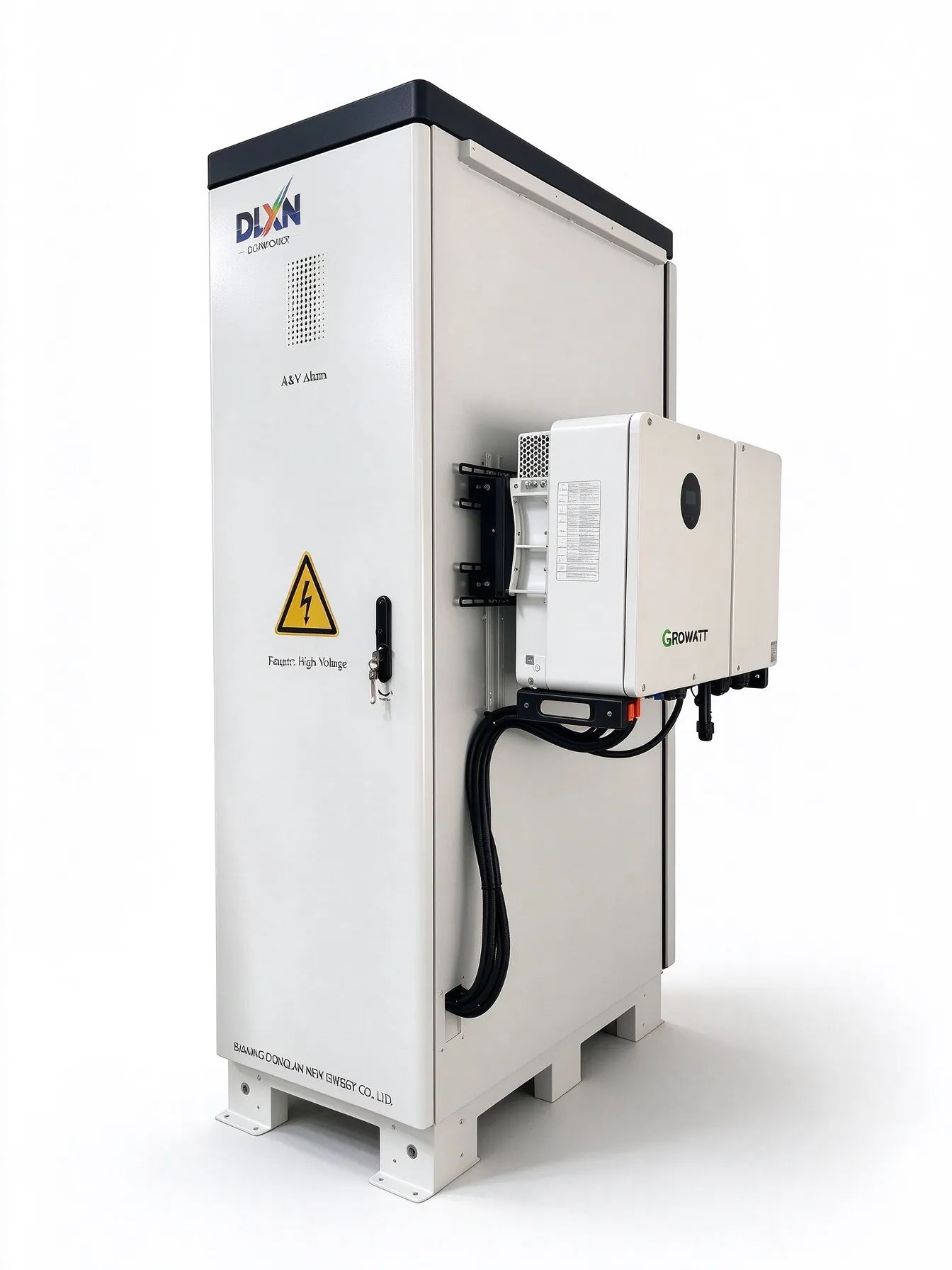
Commercial dumsor solar backup demand is strongest where outages hit revenue directly: cold chain in Kumasi, port and fabrication shops in Takoradi, clinics and agro-processing in Tamale. A 20–50 kWh lithium cabinet with three-phase output is now a common request, but load audits are poor. Installers report buyers sizing for every air conditioner at once, then paying for capacity they never use. A measured 15-minute load profile usually cuts the battery bank by 20–30%. That is the difference between a resilient system and an overpriced one. DLXN's GC100-120 battery cabinet and CGP-10 package are positioned for these loads, while the CI ESS line targets small industrial sites that need three-phase backup and peak control. The commercial case is still GHS-driven: diesel gensets have low capex but high running cost; lithium systems have high capex and lower running cost. Wood Mackenzie's 2025 Ghana solar outlook points to continued commercial uptake, but financing remains the constraint. Most SMEs in Accra and Kumasi still pay cash or use short dealer credit, not project finance.
What to specify before the next outage
A credible dumsor solar backup quote in Ghana should list inverter model, battery chemistry, usable kWh, PV kWp, transfer-switch type, G-CAP certificate and Energy Commission installer licence. It should also state the backup load in watts and the expected autonomy at that load. A 5 kW/10 kWh system may run a fridge, lights, fan, TV and router for ~8–12 hours, but not an air conditioner and water heater on the same circuit. Buyers should test the critical-load panel before signing, not after the first ECG outage. Watch three variables in 2026: GHS/USD movement, LiFePO4 landed cost and PURC tariff decisions. IEA's 2025 Africa Energy Outlook expects distributed solar plus storage to keep growing where grid reliability is uneven, but it does not promise falling Ghanaian install prices. A buyer who waits for a 20% price drop may instead face a 20% currency move. The practical move is to specify a modular system—one that can add a second battery rack when budget allows—rather than buy the largest kit today.
Related products
In-stock models that match this article — specs and RFQ on each page.