News & Updates
Latest from DLXN Energy
Philippines net metering Meralco requirements: Manila checklist
What Meralco’s desk checks in Metro Manila
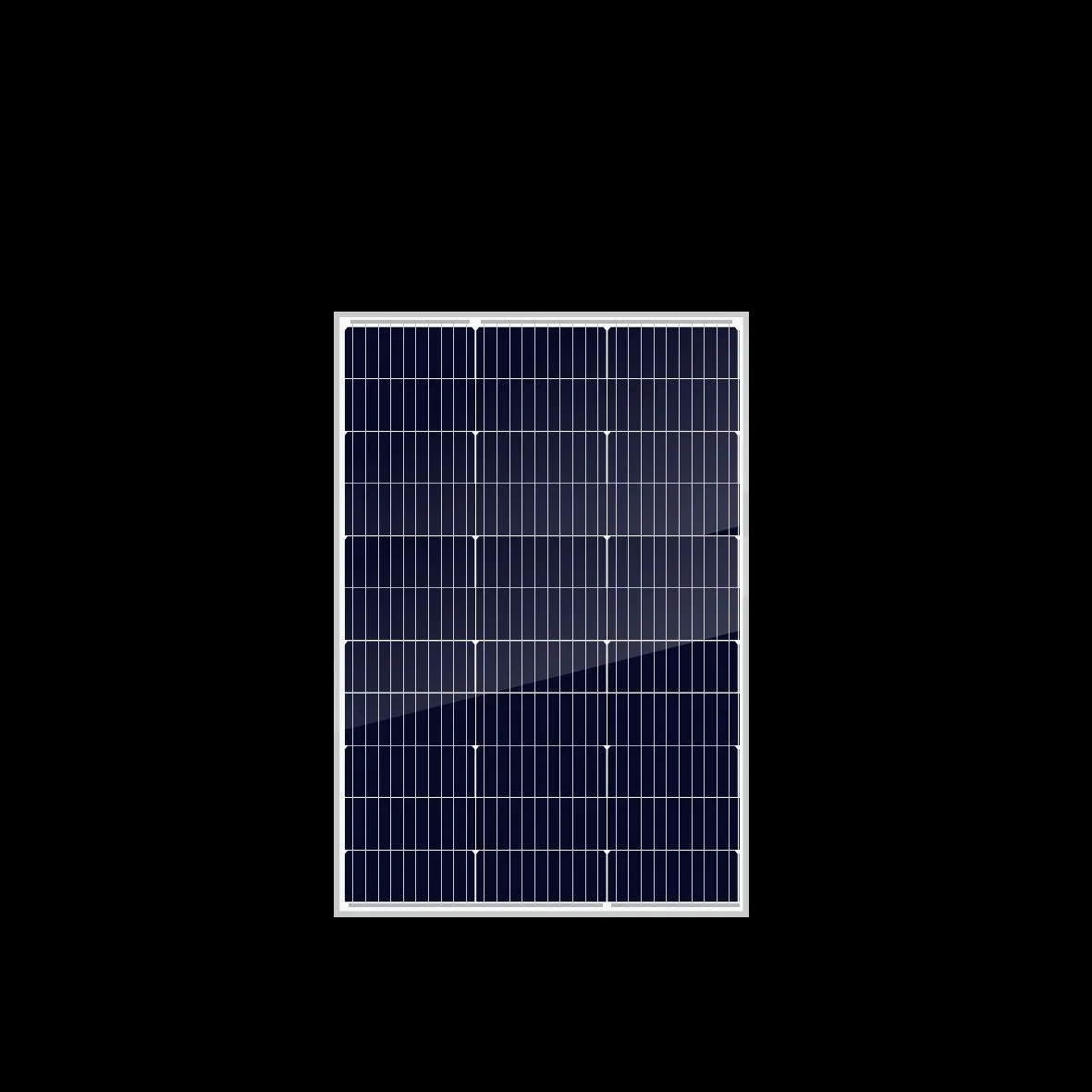
In Metro Manila, net metering meralco requirements remain a document-and-engineering hurdle rather than a rebate application. Meralco’s net metering program, run under the ERC’s 2013 net metering rules, accepts distributed solar up to 100 kW per qualified customer, but the desk checks ownership, electrical design, inverter compliance and the installer’s DOE accreditation before a bidirectional meter is approved. A complete file typically starts with the latest Meralco bill, proof of ownership or lease consent, a valid ID, a signed net metering agreement, a PEE-signed electrical plan and a certificate of final electrical inspection. The paper set is not the only filter. Meralco’s engineers also look for Philippine Electrical Code compliance, a building permit where required, and test reports showing anti-islanding protection; UL 1741 and IEEE 1547 are the usual references for grid-tied inverters. For a typical 5 kWp residential array in Quezon City or Makati, the hardware is straightforward, but the plan must match the as-built service entrance and metering arrangement. Contractors quoting solar panels without a PEE-signed single-line diagram are setting the applicant up for a return review.
ERC rules set the credit, not the retail tariff
The ERC net metering rules, originally issued as Resolution No. 09, Series of 2013, require distribution utilities to offer net metering to RE customers at or below 100 kW. The credit is not the full retail rate. Export credits are tied to the utility’s generation charge, so a household that buys at ~PHP 11–13/kWh all-in may see export credits closer to ~PHP 5–6/kWh, depending on the month’s generation mix and Meralco’s tariff filings. That gap is the single most common misunderstanding in Metro Manila inquiries. For a 5 kWp system, self-consumption matters more than export. If the house runs air-conditioning during the day and exports only ~150–250 kWh/month, the net metering credit is modest; if nobody is home, the export volume rises but the credit rate stays low. The market price guide is a better starting point for PHP budgeting than headline module prices, because freight, duties, labor and Meralco interconnection costs sit outside the panel quote. ERC filings and Meralco’s own program page are the documents to check before signing.
DOE accreditation and PEC compliance are separate checks
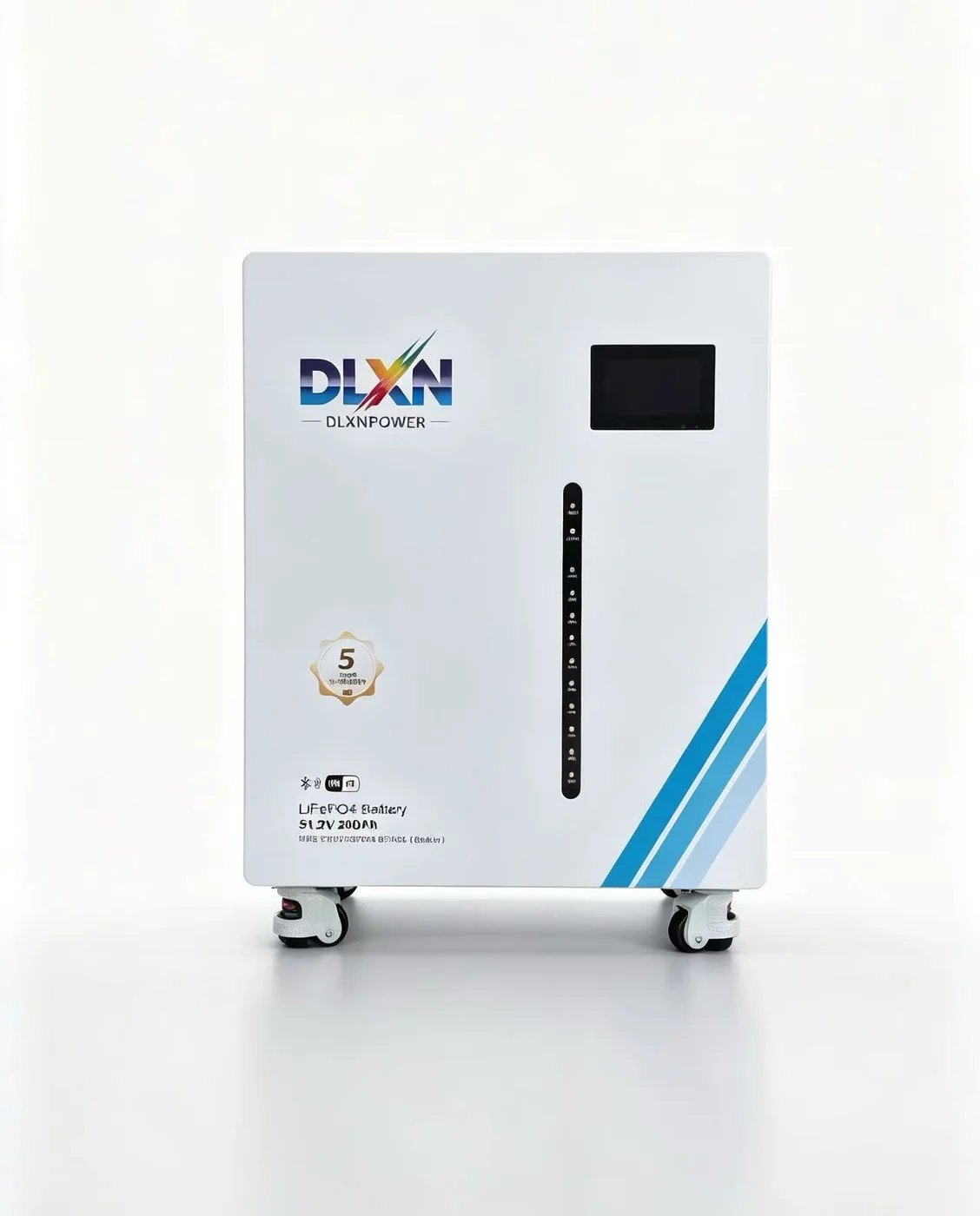
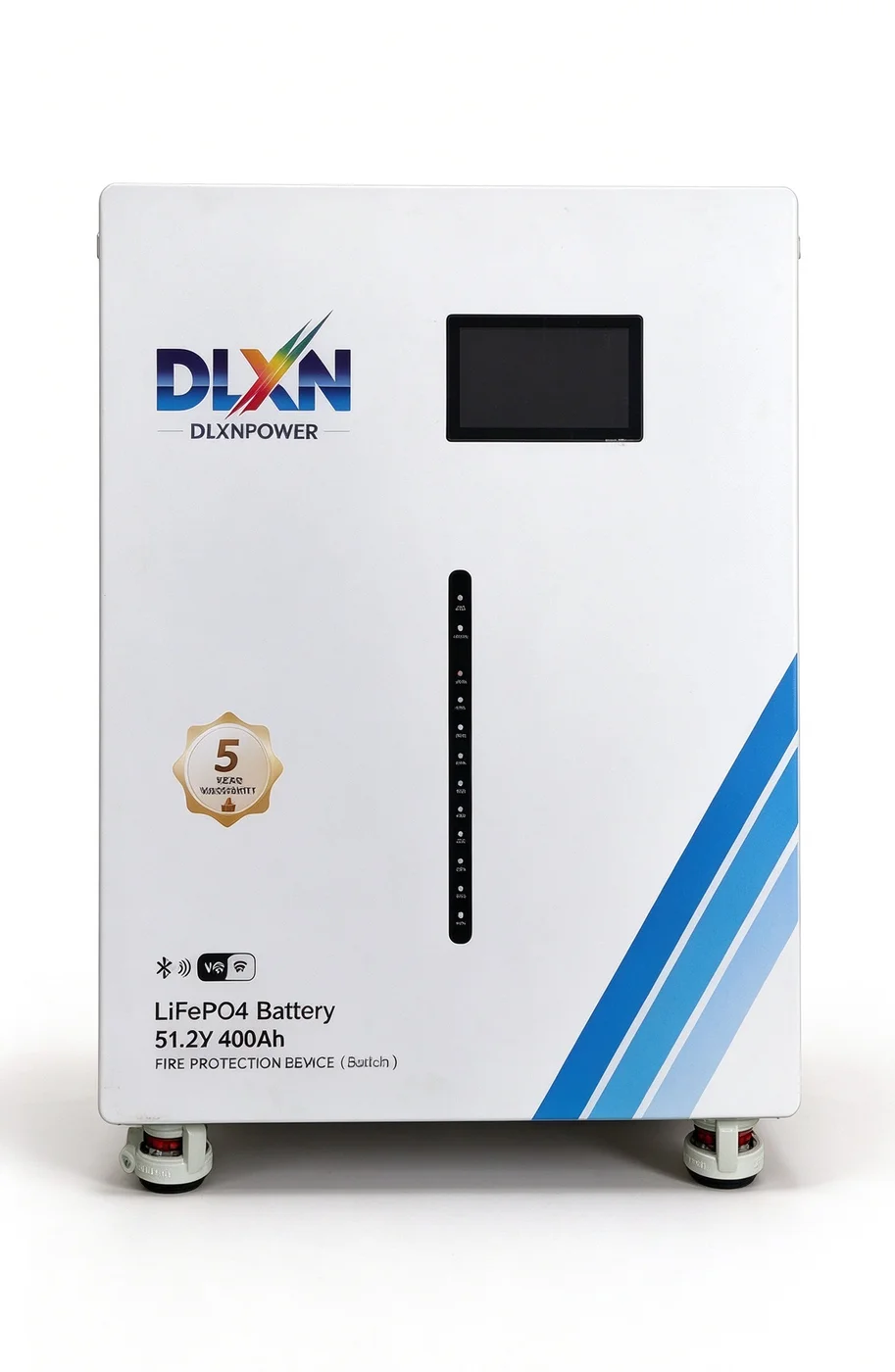
DOE accreditation is often treated as a contractor marketing badge, but in net metering meralco requirements it is a file item. Meralco’s checklist can ask for proof that the renewable-energy installer is accredited with the DOE’s Renewable Energy Management Bureau, while the electrical plan must be prepared and signed by a licensed Professional Electrical Engineer under the Philippine Electrical Code. The PEC 2017 edition governs service-entrance sizing, grounding and disconnect placement; a neat rooftop array does not cure a plan that ignores those clauses. Inverter documentation is the next rejection point. Meralco wants evidence of anti-islanding and grid-support settings, and the equipment should carry test certificates traceable to UL 1741 or IEEE 1547. A 2025 NREL review of distributed PV interconnection practice still found documentation gaps among small installers, and Philippine utilities have mirrored that concern in their review comments. For storage-backed systems, the battery and hybrid inverter must be shown on the same single-line diagram; a 5 kWh-class LFP unit such as the DLXN F5200 is not a plug-in accessory in the utility’s eyes.
Cost math in PHP: what the export credit really offsets
A 5 kWp residential system in Metro Manila commonly lands at ~PHP 250,000–350,000 in 2026, depending on roof works, inverter brand and whether a battery is included. BloombergNEF’s 2026 module benchmarks put mainstream TOPCon modules near USD 0.09–0.12/W ex-factory, but modules are a minority of the installed PHP price; racking, labor, permits and the bidirectional meter dominate. IEA PVPS’s 2025 cost snapshot shows the same pattern in Southeast Asia: balance-of-system and commercial margins can exceed module cost. Adding a 5 kWh LFP battery can add ~PHP 90,000–140,000, based on the Lifepo4 battery price index 2026. Under net metering meralco requirements alone, the credit is not a feed-in tariff. If a Metro Manila household exports ~200 kWh/month at an effective ~PHP 5.50/kWh generation credit, the offset is only ~PHP 1,100/month; self-consumed kWh avoid the full retail rate and are worth more. That is why a 5 kWp array with daytime load can show a ~7–9 year payback, while an export-heavy array can stretch past 10 years. A hybrid system with the solar battery storage can shift evening load, but it must be justified by outage risk, not net metering alone.
Queue, interconnection and what gets rejected
Meralco’s net metering approval is an interconnection process, not a rebate. Meralco’s review is technical, not commercial; it does not certify savings claims. Rejections cluster around missing building permits, a certificate of final electrical inspection, a plan that does not match the service entrance, and inverter settings that fail anti-islanding tests. In Cebu and Davao, VECO and Davao Light run their own net metering desks under the same ERC framework, so a Metro Manila checklist cannot be copied blindly. Clark’s distribution arrangement is different again; the common thread is PEC compliance and a utility-approved two-way meter. Timelines depend on completeness. A residential application with a clean 5 kWp file can move through Meralco’s review in ~30–60 days after the inspection, but missing DOE accreditation papers or a revised electrical plan can add weeks. The utility installs a bidirectional meter and updates the account before exports are credited; until then, exported kWh may be treated as ordinary consumption. Keep the as-built drawings, inverter certificates and PEC compliance records on site. That file is also useful when the account changes owner or the array is expanded beyond the original approved capacity.
Related products
In-stock models that match this article — specs and RFQ on each page.