News & Updates
Latest from DLXN Energy
Solar inverter price Ghana: Accra quotes for 2026
Accra: what a 5 kW hybrid costs this week
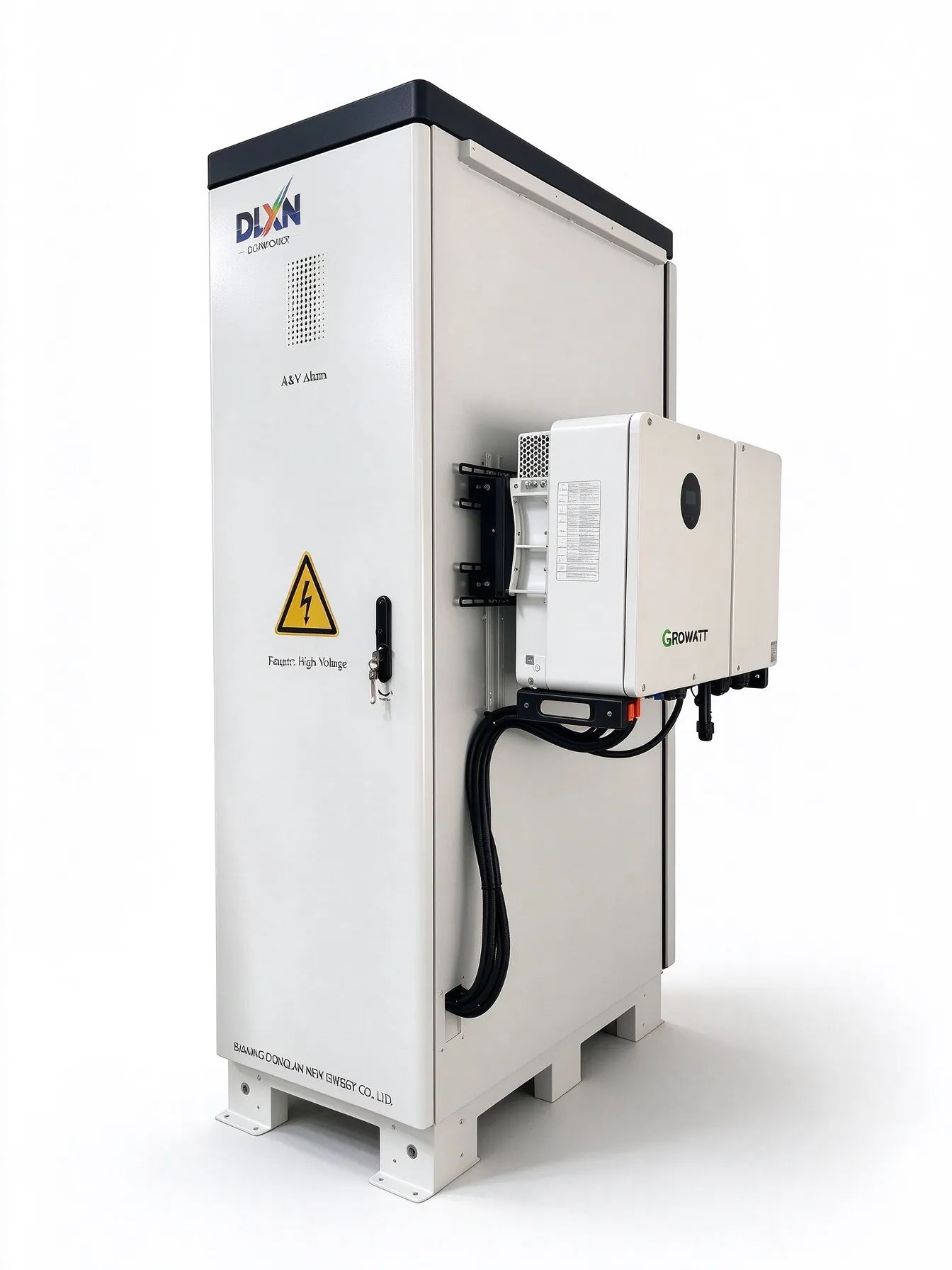
The “solar inverter price ghana” query returns ~GHS 6,000–11,000 for a 5 kW hybrid unit in Accra this week, based on quote sheets from Kaneshie electrical dealers and Spintex installers on 25 November 2026. A 3.6 kW hybrid runs ~GHS 3,800–6,200; a 10 kW three-phase unit ~GHS 18,000–28,000. Those figures cover the inverter only, not panels, lithium battery, mounting or labour. Brand, warranty length and whether the unit is single- or three-phase move the quote more than the headline wattage. Cash-and-carry prices sit at the lower end; credit terms from Accra distributors add ~5–8%. Landed cost explains most of the spread. Inverters enter via Tema port, where customs duty, 15% VAT and levies apply, and GSA’s G-CAP conformity check adds documentation and clearing time. A container of mixed hybrid units can carry several certificate lines. The Energy Commission’s licensing rules also require competent installers for grid-connected work, but the inverter itself is only one line on a quote. Dealers in Accra say the gap between a G-CAP-cleared Deye SUN-5K-SG03LP1 and a grey-import Growatt SPH5000 can reach ~GHS 2,000, even when both are 5 kW.
Kumasi, Takoradi and Tamale: the regional spread
Kumasi quotes for the same 5 kW hybrid typically land ~5–8% below Accra, according to dealers around Adum and Asafo, because several traders import directly and compete on cash sales. Takoradi sits closer to Accra levels; haulage from Tema is shorter than to Tamale but stock turns slower. Tamale carries the widest premium, ~10–15%, reflecting road freight and thinner inventory. For a buyer comparing the “solar inverter price ghana” market across cities, the inverter nameplate is a weaker signal than the importer’s certificate and the warranty address. Regional installers also bundle differently. A Kumasi quote may include a 48 V lithium battery and solar panels, while an Accra quote often prices the inverter alone. Ask for a line-item bill of materials: inverter model, MPPT count, DC isolator, surge arrestor, battery voltage and commissioning. The market price guide gives a useful cross-check on GHS ranges, but it cannot replace a site visit. Roof type, cable runs and ECG transformer capacity change the final number.
G-CAP, Energy Commission licences and ECG net metering
GSA’s G-CAP programme is the first filter. An inverter without a certificate of conformity can be held at Tema, and the clearing cost lands on the buyer. The Energy Commission licenses installers and electricians under the Renewable Energy Act, 2011 (Act 832); a cheap quote from an unlicensed crew can fail ECG inspection. When checking the “solar inverter price ghana” offer, ask for the G-CAP certificate number, the Energy Commission licence and the model’s datasheet, not just a WhatsApp price. ECG’s net-metering process remains the slow part. A grid-tied system needs an interconnection application, a bidirectional meter and PURC-approved terms before exports are credited. PURC’s tariff decisions set the compensation framework, but most Accra residential buyers still size systems for self-consumption rather than export. That keeps hybrid inverters with battery terminals in demand. For commercial rooftops in Takoradi or Tema, ECG’s transformer capacity and protection settings can delay approval by weeks, so the inverter’s grid-code settings matter as much as price.
The balance-of-system line items that change the total
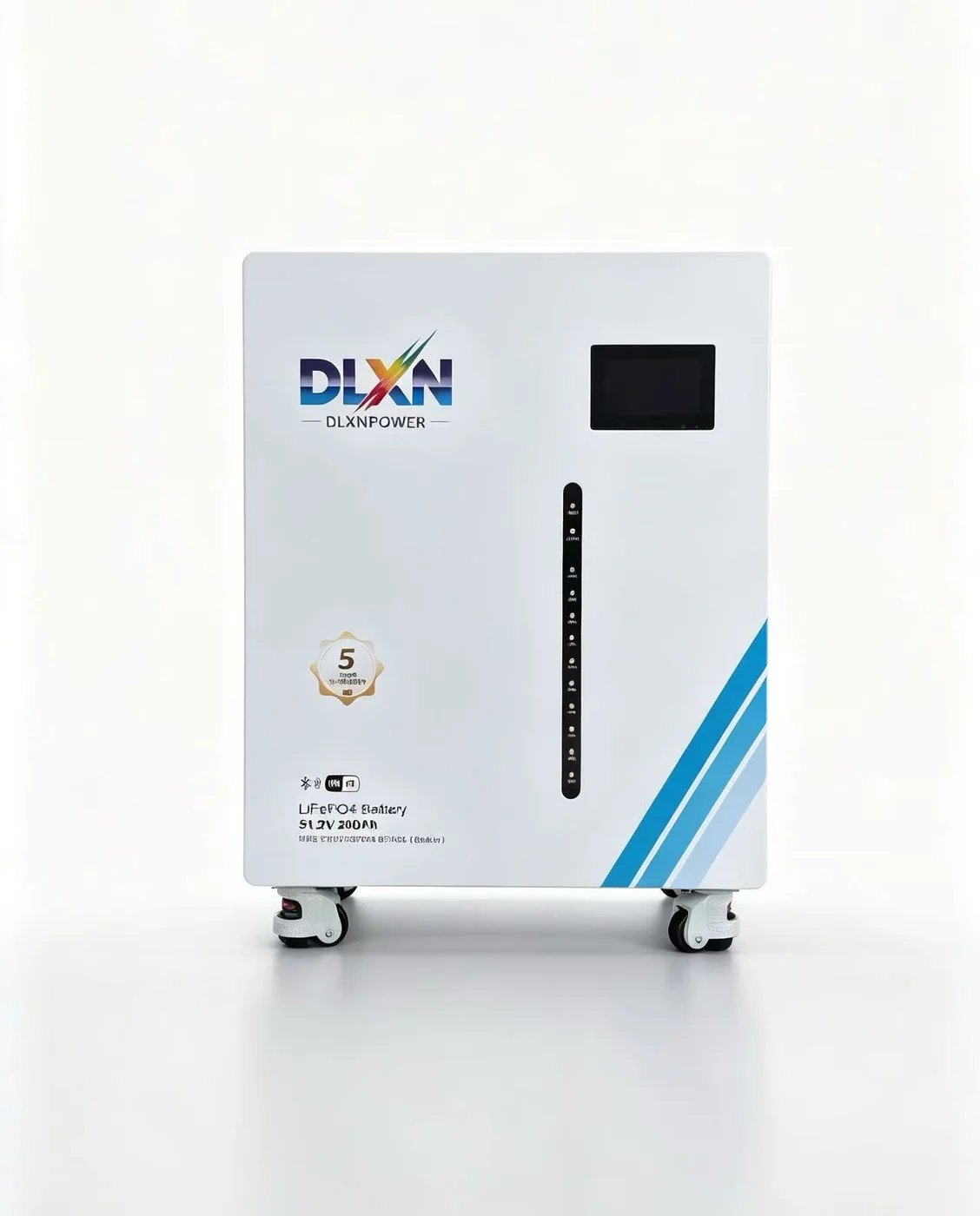
A 5 kW hybrid inverter at GHS 8,000 is not an installed system. Add mounting rails, DC and AC cabling, breakers, surge protection, earthing and labour. In Accra, labour for a 5 kW residential job runs ~GHS 800–1,500; Kumasi ~GHS 600–1,200; Tamale ~GHS 1,000–1,800. A 5 kWh lithium battery adds ~GHS 12,000–18,000, and 5 kW of panels adds ~GHS 8,000–14,000 depending on module tier. NREL’s 2025 cost benchmarks show balance-of-system work is a material share of residential installs, not a rounding error. The battery choice changes the inverter specification. Low-voltage 48 V systems dominate Ghana’s residential market because they are easier to expand and service, while high-voltage hybrids suit larger commercial loads. A lithium battery with a recognised BMS and a clear cycle warranty is worth more than a marginal inverter discount. For installers building repeatable packages, solar systems priced as kits reduce the risk of mismatched components. The invoice should separate inverter, battery, panels and labour so buyers can compare like with like.
How to read a GHS quote in November 2026
Start with continuous output, not peak. A 5 kW hybrid that cannot sustain 5 kW during Accra’s afternoon load is a 4 kW unit in practice. Check MPPT count and voltage window against the array design, battery charge/discharge current, and whether the importer can produce G-CAP and Energy Commission paperwork. Warranty terms matter: five years on the inverter is common, but local repair turnaround can be months. A G-CAP-cleared unit with a Ghana service address is worth a premium over a parallel import with no spares. Market direction is tighter, not looser. BloombergNEF’s 2026 inverter outlook points to continued price pressure on high-volume hybrid models, but cedi volatility and freight can wipe out global declines in Accra. IEA’s Renewables 2025 and Wood Mackenzie’s inverter tracker both show West African demand growing from a small base. For buyers tracking the “solar inverter price ghana” market, the practical move is to lock a G-CAP-cleared model, size the battery for night load, and revisit solar battery storage economics before adding export capacity.
What changes by July 2026
Two near-term variables matter. First, the cedi’s import cover and freight rates into Tema set the landed cost of every inverter line; a 5% move in the exchange rate can shift a GHS 9,000 quote by ~GHS 450 before margins. Second, PURC’s next tariff adjustment changes the economics of self-consumption, not the inverter price itself. If grid tariffs rise faster than battery costs, hybrid systems with 5–10 kWh storage pay back sooner in Accra and Kumasi. If tariffs are flat, buyers delay battery purchases and accept lower inverter specifications. For installers, the compliance queue is the bottleneck. G-CAP certificates, Energy Commission licences and ECG interconnection approvals do not scale with demand overnight. Buyers in Tamale and Takoradi should confirm spare-part support before paying a deposit. The “solar inverter price ghana” range will probably stay volatile through Q3 2026; a quote dated 25 November 2026 is not a commitment for August delivery. Get the certificate number, the model code and the warranty address in writing. That is the difference between a price and a system.
Related products
In-stock models that match this article — specs and RFQ on each page.