News & Updates
Latest from DLXN Energy
2026 update: Solar panel installation cost Philippines in Metro Manila
Metro Manila pricing holds a floor
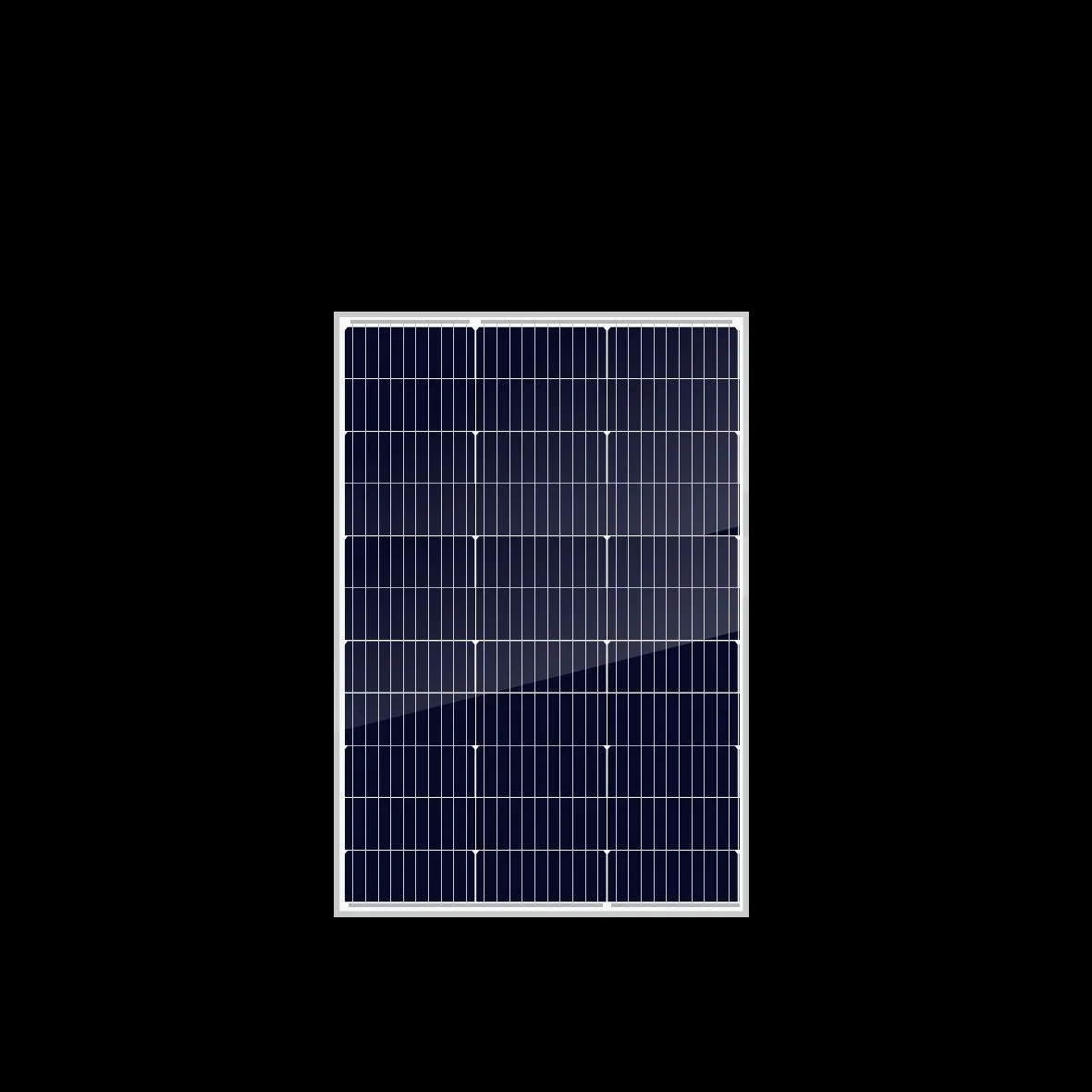
The solar panel installation cost philippines quoted in Metro Manila for a 5 kWp grid-tied rooftop package is running at ~PHP 250,000–320,000 in early 2026, or ~PHP 50,000–64,000 per kWp, based on installer quotes reviewed by DLXN Energy. Module pricing explains much of the floor. BloombergNEF puts mainstream TOPCon modules at ~USD 0.09–0.11/W ex-factory, and landed Philippine stock is moving at ~PHP 6.50–8.00/W depending on brand, wattage and Metro Manila warehousing. Below 5 kWp the maths changes. A 3 kWp package in Quezon City or Makati typically lands at ~PHP 165,000–210,000, with the inverter and permitting taking a larger share of the total. Commercial rooftops in Clark and Laguna are quoted at ~PHP 42,000–50,000 per kWp for 100 kWp and above. The spread between the cheapest and most expensive quote for the same 5 kWp specification in Metro Manila is still ~20–30%, driven mostly by inverter brand, racking gauge and how permitting is handled.
DOE accreditation and ERC net metering add fixed costs
Two regulators shape the invoice. The Department of Energy requires installers to hold DOE accreditation before a distribution utility will process a net metering application, and the Energy Regulatory Commission's net metering rules (ERC Resolution No. 09, Series of 2013, as amended) set the credit mechanism. Exported kWh are credited at the blended generation rate — roughly PHP 4.50–5.50/kWh with Meralco — not at the retail rate of ~PHP 11–13/kWh. That gap matters more than most homeowners expect when sizing a system. The Philippine Electrical Code (PEC 2017) adds design and inspection costs: DC and AC disconnects, surge protection, grounding and load-side tap rules that low-cost bidders routinely skip. A PEC-compliant drawing set signed by a Professional Electrical Engineer typically adds ~PHP 8,000–15,000 to a residential job, and the utility interconnection fee is separate. Installers quoting below ~PHP 45,000/kWp in Metro Manila are usually excluding one of these line items, then recovering it through a variation order.
Cebu, Davao and Clark spreads
Cebu quotes run ~5–8% above Metro Manila because of inter-island freight and a thinner installer base. Visayan Electric customers work under the same ERC framework, but inspection scheduling and documentary requirements vary by utility. In Davao, pricing has become more competitive since 2024 as module logistics through Davao port improved; 5 kWp packages now quote at ~PHP 240,000–310,000. Clark is the outlier: CDC and PEZA locators often bundle solar into a larger electrical scope, so per-kWp pricing disappears inside the EPC contract. Freight is the quiet variable. A 5 kWp kit shipped to Davao adds ~PHP 6,000–12,000 versus a Metro Manila delivery, and battery shipments cost more because of dangerous goods handling. That is why the solar panel installation cost philippines quoted in Davao can look 10% higher than a Quezon City quote for identical hardware. Labour rates are lower outside Metro Manila, but certified PV electricians are scarcer in Cebu and Davao, which pushes the labour line back up.
Battery adders and the hybrid premium
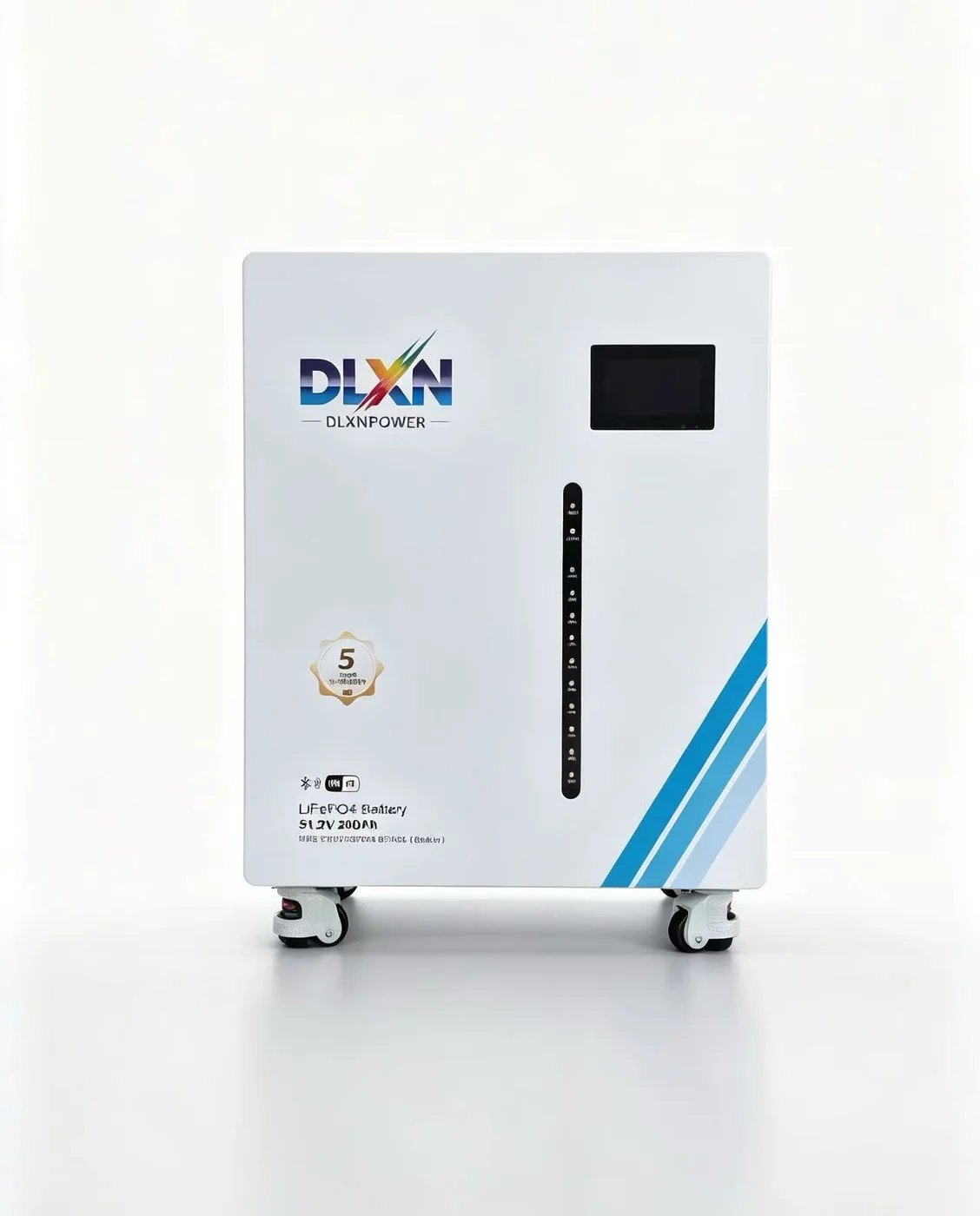
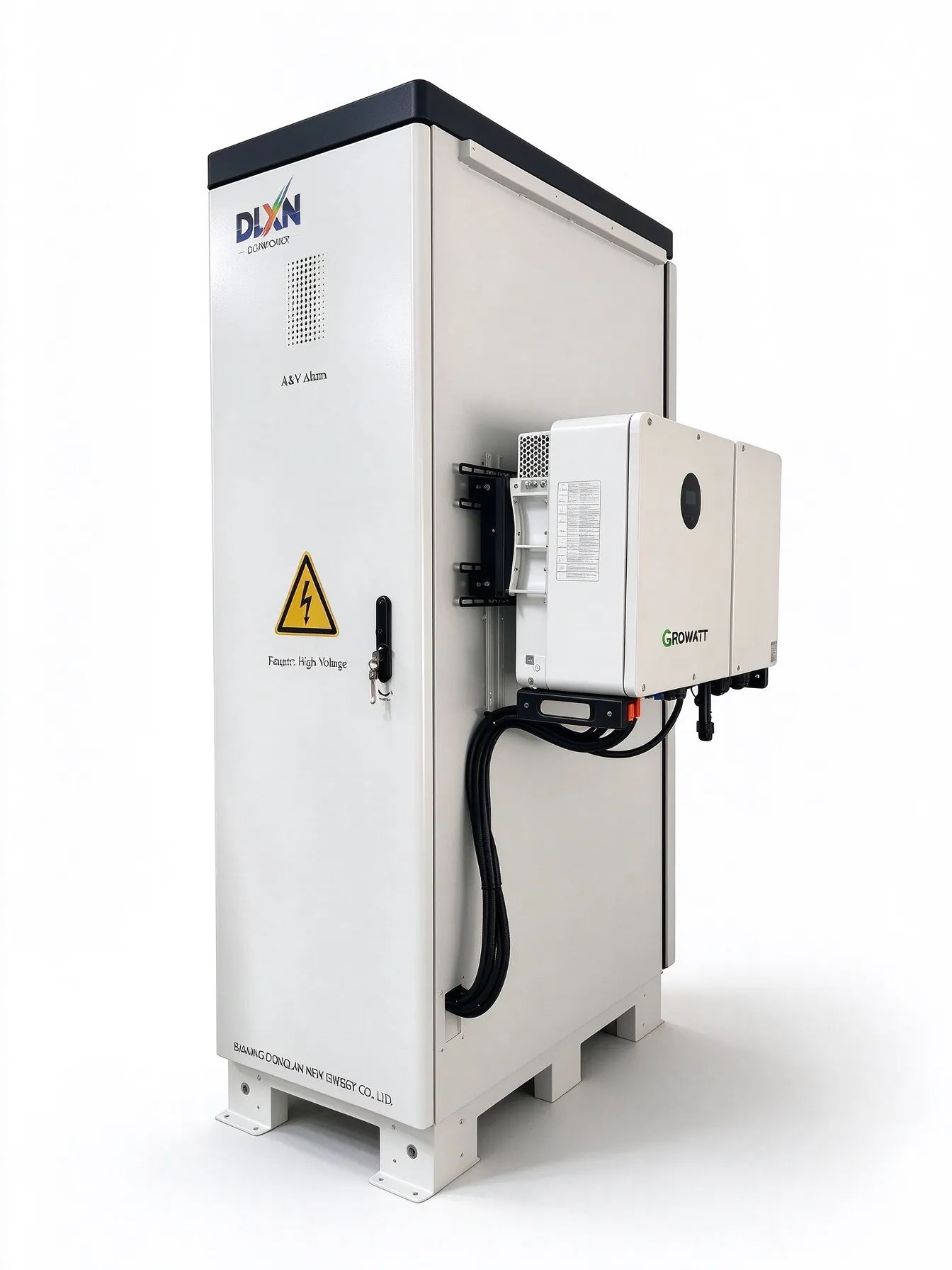
Battery adders are where 2026 quotes diverge most. A 5 kWh LiFePO4 pack installed with a hybrid inverter adds ~PHP 70,000–95,000 to a residential job, based on the LiFePO4 battery price index. Cell prices have fallen, but landed Philippine prices include 12% VAT, freight and dealer margin, so the saving is smaller than headline Chinese spot prices suggest. Hybrid inverters carry a ~PHP 15,000–25,000 premium over grid-tied units of the same brand. For commercial and industrial sites, the economics shift. A 250 kWh / 125 kW cabinet in a Cebu manufacturing plant is priced against demand charges, not net metering, and payback depends on the Meralco or VECO demand tariff. Buyers comparing the solar panel installation cost philippines across grid-tied, hybrid and storage-backed designs should separate the PV line from the storage line; bundled quotes obscure both. A commercial ESS quote should state round-trip efficiency, usable kWh and warranty throughput.
Where the quote breaks down
A typical 5 kWp Metro Manila quote breaks down roughly as follows: modules ~35–40% of the total, inverter ~12–15%, racking and balance of system ~15–18%, labour ~10–15%, permitting and interconnection ~5–8%, and installer margin ~10–15%. When a bid comes in 25% below the median, the cut is usually in module tier, racking gauge or omission of PEC-required protection. The solar panel installation cost philippines figure is only comparable when the bill of materials is itemised line by line. Standardised packages are compressing the middle of the market. Pre-engineered systems with a named inverter and a fixed bill of materials now quote at ~PHP 48,000–58,000/kWp in Metro Manila, leaving less room for site-built pricing. For reference, pre-engineered solar systems show how a bill of materials should be itemised; the same discipline applied to a custom quote makes comparison straightforward. The market price guide tracks these PHP ranges quarterly.
What to check before signing
Ask for the installer's DOE accreditation number and the PEE-signed PEC drawings. Confirm who files the net metering application and who pays the utility's interconnection fee; Meralco's process typically runs ~60–90 days from complete submission, and a rejected application can stall a system for a quarter. Check warranty structure: 12–15 years on modules is now standard, 5–10 years on inverters, and 5–10 years on workmanship. Get monitoring portal terms in writing. Finally, verify the production estimate against a bankable yield figure. A 5 kWp system in Metro Manila should model at ~6,500–7,200 kWh/year using PVsyst or PVWatts defaults for the site; a quote promising 9,000 kWh is either oversizing the array or understating degradation. NREL's PVWatts and IEA PVPS data are reasonable cross-checks. Reviewing completed installations in Cebu and Davao gives a sense of real-world yields before committing.
Related products
In-stock models that match this article — specs and RFQ on each page.