News & Updates
Latest from DLXN Energy
Solar panel price in Accra: GHS rates, duties and 2026 buyer's guide
What a 550W module costs in Accra this month
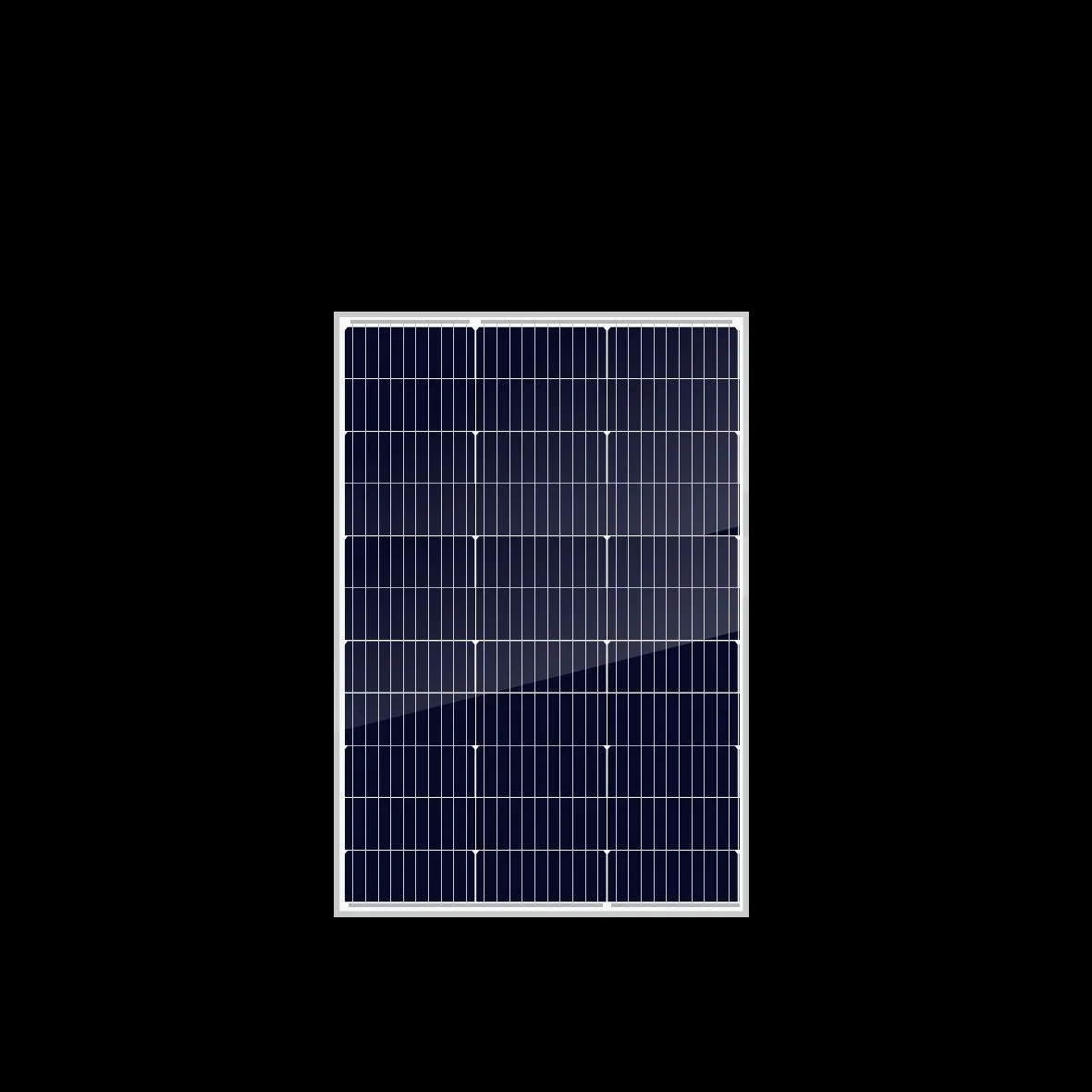
The solar panel price in Accra for a single 550W TOPCon module is running at ~GHS 2,000–3,200 retail this month in Kaneshie, Spintex and Abossey Okai, depending on brand, wattage tolerance and warranty terms. That is ~GHS 3.6–5.8 per watt, or roughly US$0.31–0.50/W at an exchange rate of ~GHS 11.5 to the dollar. Buyers taking pallets of 30 modules or more report ~GHS 1,750–2,300 each. Smaller 450W panels and 600W bifacial units sit either side of that band, and most Accra dealers now stock both. Landing costs explain most of the gap with global benchmarks. BloombergNEF puts tier-1 TOPCon modules at ~US$0.09–0.11/W ex-China, so a 550W panel is worth ~US$55 before freight, insurance, port charges and margin. Ghana's retail price carries three to four times that. Importers also absorb G-CAP conformity certificates, GSA marking and the working capital tied up in a 40-foot container that may take six to ten weeks to clear and sell. Order size matters more than brand loyalty here.
The cedi, not Chinese factories, moves your quote
Accra traders price modules in dollars and sell in cedis, so the solar panel price in Accra tracks the interbank rate more closely than it tracks factory gate prices in Jiangsu. Between 2022 and 2024 the cedi's swings forced two rounds of re-pricing even as module costs fell. Dealers holding old stock sometimes sell below replacement cost; dealers quoting fresh containers price defensively. Ask any supplier for the shipment date and the exchange rate they used. A quote with no date is a quote you cannot compare. Tax and compliance sit on top of that. Panels enter under HS 8541.43, attract 15% VAT plus the 2.5% NHIL and 2.5% GETFund levies, and need a certificate of conformity under the Ghana Conformity Assessment Programme before shipment. The 2025 Budget signalled relief for solar equipment, and importers say the practical effect at Tema has been uneven. Add clearing agents, haulage from Tema into Accra and a dealer margin of 15–25%, and the arithmetic behind a GHS 2,600 panel becomes visible.
Panels are no longer the expensive part
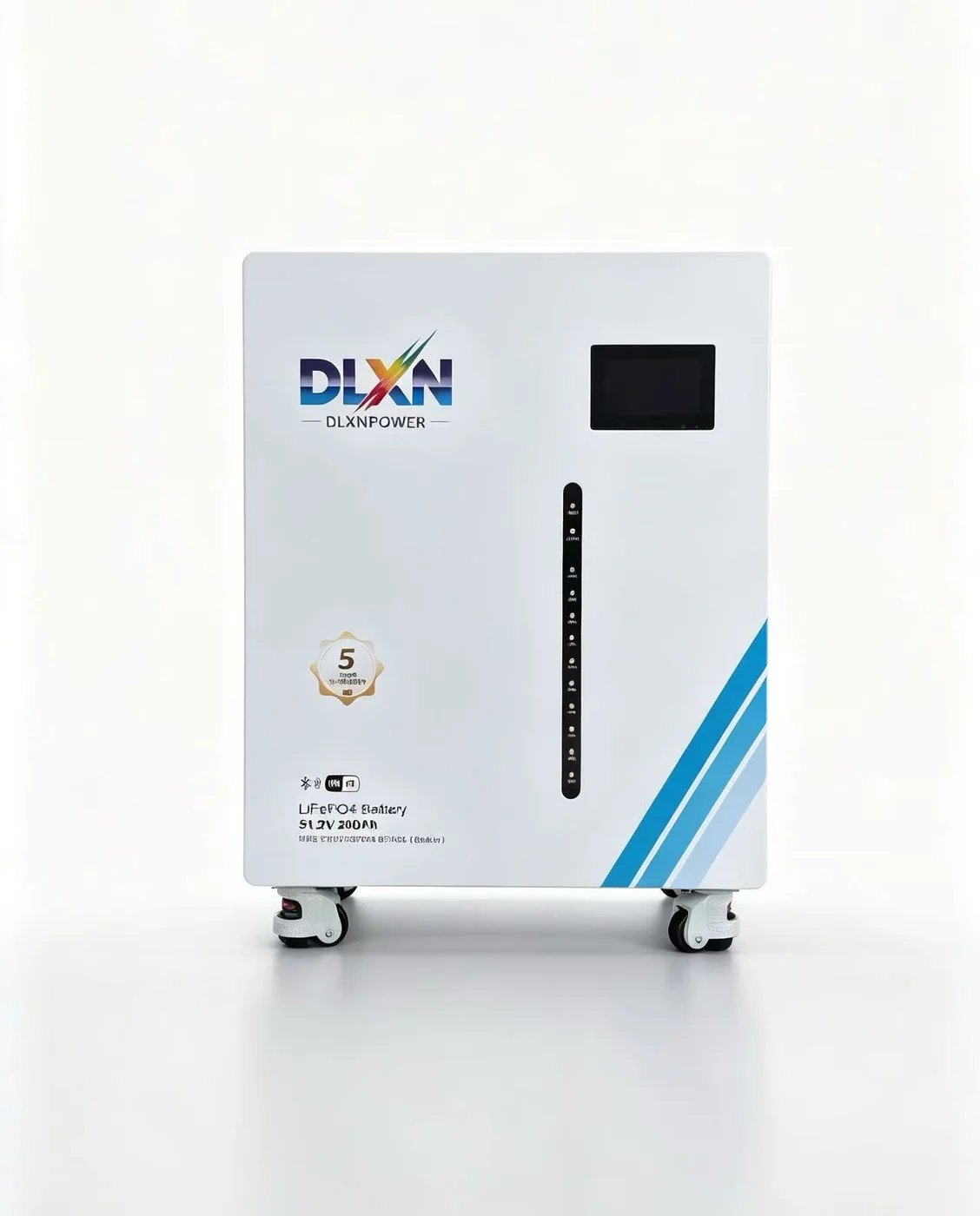
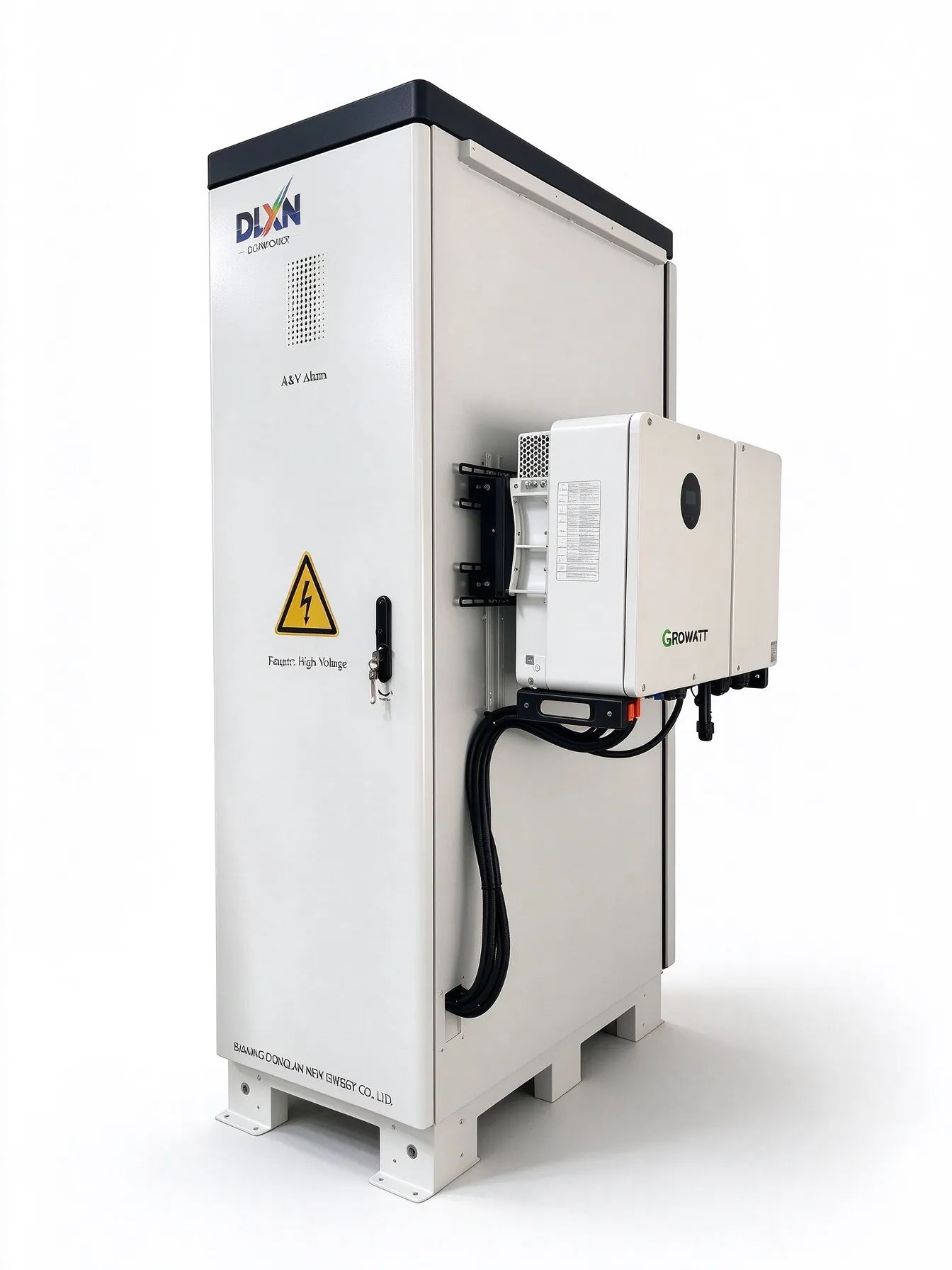
On a typical 5kWp hybrid installation in Accra, modules now account for ~25–30% of the bill. A 5kWh LiFePO4 battery is quoted at ~GHS 11,000–17,000, a 5kW hybrid inverter at ~GHS 8,500–14,000, and mounting, cabling, changeover and labour at ~GHS 6,000–9,000. Installed cost lands at ~GHS 42,000–68,000 before any net metering work. Buyers who compare panel prices alone routinely misjudge the project by 50% or more. Battery pricing is the volatile line. Our LiFePO4 price index tracks cell and pack costs, and Ghanaian buyers pay a premium for brands with local service points and honest cycle-life documentation. Packs rated at 6,000 cycles on paper often carry 2,000-cycle cells inside. Ask for the cell manufacturer, the BMS model and a written capacity warranty, not a datasheet headline. Sizing guidance sits in our solar battery storage section.
Net metering, ECG and the paperwork that sets payback
Ghana's net metering framework runs under the Energy Commission's Net Metering Sub-Code, with ECG administering connections and PURC approving the credit rate applied to exported units. Residential and small commercial systems are currently capped at ~100kW; anything larger is treated as a feed-in or IPP arrangement. Installers quote ~GHS 3,000–6,000 for the bi-directional meter and interconnection works, and approval timelines run from a few weeks to several months depending on the district office. The economics are sensitive to that credit rate. If exported units are credited below the retail tariff, oversizing the array is a losing strategy in Accra; self-consumption plus a modest battery performs better. Under the Renewable Energy Act 2011 (Act 832), installers should be able to show GSA compliance and GS IEC 61215/61730 test reports. Our market price guide sets out current local benchmarks, tariff bands and the documents ECG expects with an application.
Kumasi, Takoradi and Tamale pay a haulage premium
The solar panel price in Accra anchors the national market, but upcountry quotes run ~5–10% higher. A 550W module quoted at GHS 2,400 in Spintex is typically GHS 2,550–2,650 in Adum, Kumasi, and higher again in Takoradi and Tamale once haulage and slower stock turnover are added. Northern buyers also wait longer for warranty replacements, which is why some pay extra for dealers with depots in Tamale rather than relying on an Accra-only supplier. Whatever the city, insist on the GSA mark, a flash-test report covering the module's serial range, and a written warranty of 12 years product plus 25–30 years performance. Compare solar panels on degradation figures rather than wattage claims, and request solar systems quotes as a single itemised package so balance-of-system costs surface early. Cash buyers should still ask what the same package costs on 30-day terms.
What the next two quarters look like
Module prices have limited room to fall further in dollar terms. BloombergNEF and InfoLink both report manufacturer margins near or below cost, with Chinese capacity rationalisation under way. For Accra, the swing factors are the cedi and whether the VAT treatment of solar equipment is applied consistently at Tema. If it is, landed costs could drop ~8–12% by mid-2026; if not, expect the current retail band to hold through the third quarter. For buyers in Accra, Kumasi, Takoradi and Tamale, the advice is unchanged: price the whole system rather than the panel, get two quotes with shipment dates attached, and check conformity paperwork before paying a deposit. Watch the battery line as closely as the module line, because that is where quotes diverge most. Broader regional context, including Nigeria and South Africa comparisons, sits in our Africa market coverage.
Related products
In-stock models that match this article — specs and RFQ on each page.