News & Updates
Latest from DLXN Energy
Solar panel price Cape Town: 2026 ZAR check
What the quote actually covers
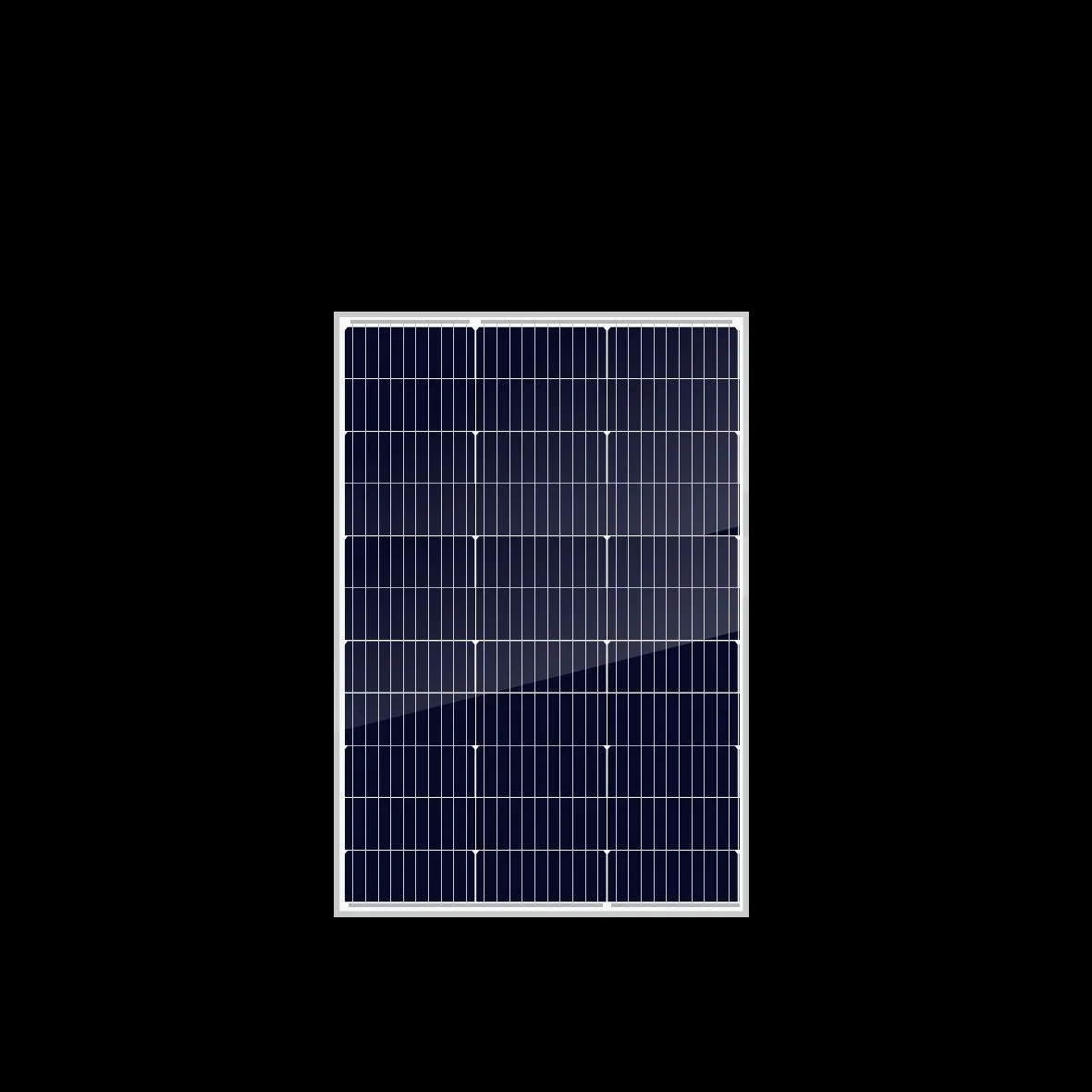
In Cape Town, South Africa, the solar panel price Cape Town buyers see in November 2026 starts at ~R2.30–R2.80/W ex-VAT for tier-1 550 W monocrystalline modules in pallet quantities. That is module-only, not an installed system. A 6 kWp array needs 11 panels, so the hardware line is ~R13,900–R16,900 before mounting, cable, inverter, battery or labour. BloombergNEF put global mono PERC module prices at ~$0.10–0.12/W in Q1 2026; with the rand around R18–R19/USD, import parity and local stock still explain most of the gap. Retail single-panel prices are higher. Most Cape Town quotes bundled as “6 kWp installed” include a 5 kW hybrid inverter, mounting, DC/AC protection, labour and a SANS 10142-1 CoC. They often exclude battery, SSEG application fee and any municipal meter change. Ask for a line-item bill of quantities. The solar panels line should state wattage, cell technology, IEC 61215/61730 certificates and NRCS letter of authority; tier-1 examples include JinkoSolar Tiger Neo and LONGi Hi-MO 6. If the quote gives one lump sum, you cannot tell whether the installer is discounting modules or loading the balance of system.
Why the rand and China set the floor
Global module supply remains long. IEA’s November 2026 PV market update and BloombergNEF both point to manufacturing capacity above demand, which keeps tier-1 module prices near floor levels in USD. For South Africa, the rand is the swing factor: a move from R18 to R19/USD adds roughly 5% to landed cost before freight. The solar panel price Cape Town distributors quote therefore moves with exchange rates and container schedules, not with Eskom tariffs. Local stock bought in Q4 2025 can still be sold at older costs, so two suppliers can quote very different numbers in the same week. Importers also carry NRCS compliance, port charges and finance costs. A module without an NRCS letter of authority should not be sold as a grid-connected product in South Africa, even if it has IEC certificates. Freight from China to Cape Town has been volatile; ~$2,000–$4,000 per 40-ft container changes the landed cost per watt by cents, not rands. Check the market price guide for a ZAR range, then ask the supplier for the landed batch date. Old stock is not automatically cheap; it may be priced against replacement cost.
Compliance is not optional
NRS 097-2-1 is the grid-connection standard that matters for Cape Town SSEG applications. It covers voltage, frequency, power quality and anti-islanding for inverter-based generation. SANS 10142-1 is the wiring code; a Certificate of Compliance from a registered electrician is required for the installation, and the City of Cape Town will ask for it with the SSEG application. A CoC is not a design review, so it does not prove the array is correctly sized or that the inverter is on the approved list. Budget ~R1,500–R3,500 for the CoC and inspection, plus the municipal application fee. The solar panel price Cape Town homeowners compare often leaves out the bidirectional meter and registration. City of Cape Town charges an application fee and may require a new meter; timelines have ranged from weeks to months depending on depot workload. If the system includes a residential ESS, confirm the inverter is NRS 097-2-1 compliant and that the battery is DC-coupled or AC-coupled as designed. Unregistered grid-tied systems can be disconnected. The compliance line is not optional, and it is not a place to shave R2,000 from a R100,000 quote.
Battery and hybrid economics
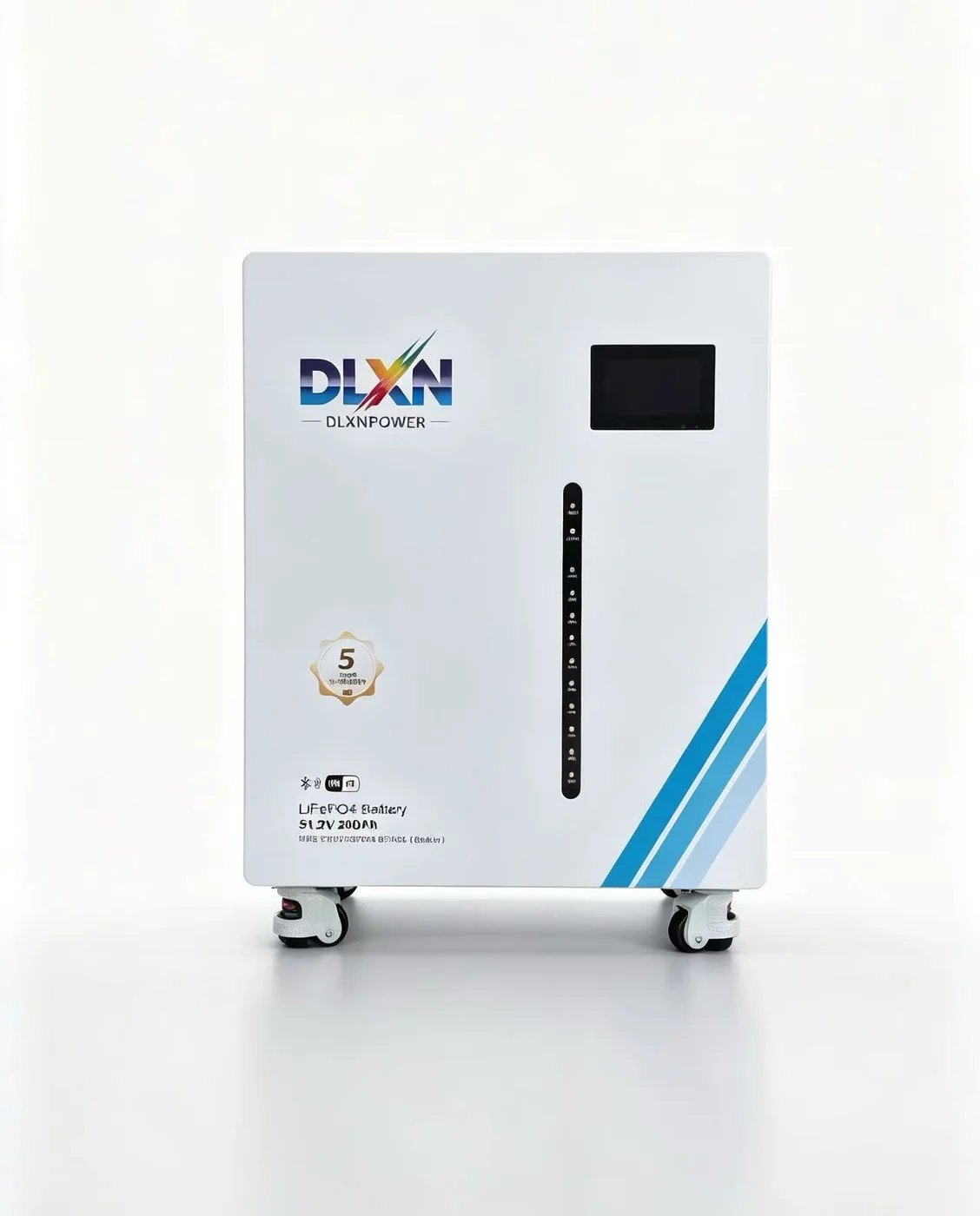
Battery prices change the payback more than module prices in 2026. The LFP battery price index tracks cell and pack prices; in November 2026, a 10 kWh LFP pack landed in South Africa is ~R28,000–R38,000 ex-VAT depending on brand, BMS and cycle warranty. Add a 5 kW hybrid inverter at ~R12,000–R20,000, mounting and labour, and a 6 kWp hybrid system lands around R95,000–R135,000. A grid-tied system without battery is ~R55,000–R80,000. The spread is wide because “10 kWh” can mean 9.2 kWh usable or 8 kWh after reserve. Use the lithium battery spec sheet, not the brochure headline. Check continuous charge/discharge current, round-trip efficiency, depth of discharge, cycle life at 80% DoD and the warranty’s throughput cap. A cheap pack with a 3,000-cycle claim and a 10-year warranty may cap throughput at 20 MWh; a premium pack may allow more. For Cape Town load-shedding backup, size for critical loads, not the whole DB. The solar panel price Cape Town buyers pay is now a smaller share of the total than the battery, inverter and compliance package.
What installers are quoting in November 2026
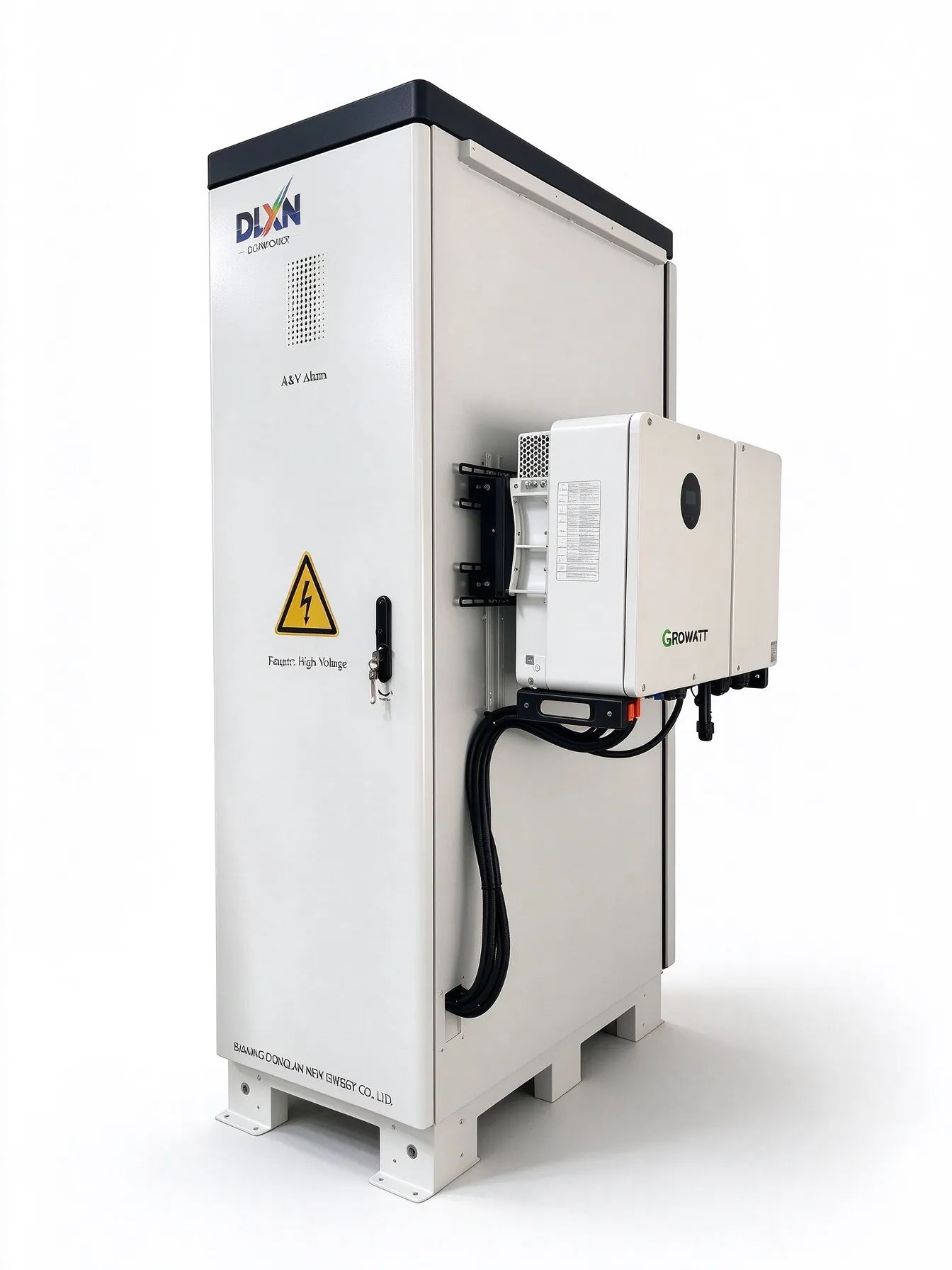
November 2026 installer quotes in Cape Town cluster in three bands. A 3 kWp grid-tied string system with 5 kW inverter is ~R38,000–R55,000; a 6 kWp grid-tied system is ~R55,000–R80,000; a 6 kWp hybrid with 10 kWh LFP is ~R95,000–R135,000. A 10 kWp hybrid with 15–20 kWh storage is ~R165,000–R230,000. These are ex-VAT ranges from installers with PV GreenCard electricians. Johannesburg and Pretoria quotes can be ~5–10% lower on larger commercial roofs; Durban is similar to Cape Town once coastal corrosion mounting is specified. Check what the solar systems package includes: DC combiner, surge protection, isolators, cable tray, earthing, monitoring and commissioning. Coastal installations need marine-grade or stainless mounting; galvanised rail can fail inspection or corrode within years. A cheap quote may omit the SSEG fee, meter, engineering sign-off or battery fuse. Ask for the NRS 097-2-1 test report and the inverter’s approved-model reference. A R10,000 gap between quotes is often a R15,000 scope difference. Do not compare a bare module price with a commissioned system price.
How to read the next quote
Read the quote from the bottom up. Confirm the NRCS letter of authority for modules and inverter, the SANS 10142-1 CoC, the NRS 097-2-1 compliance statement and the City of Cape Town SSEG approval responsibility. Check module warranty terms: 12–15 years product and 25–30 years performance are common, but the claim process matters. Confirm who handles the warranty labour and whether the installer will still be trading in year eight. A registered contact point and a physical address are basic checks, not proof of quality. The solar panel price Cape Town searchers see in ads is usually a module-only teaser. A real budget needs the full bill of quantities, the compliance path and a battery sizing decision. Get three quotes with the same scope, same panel wattage and same battery usable capacity. Ask for the expected first-year yield from PVGIS or PVsyst, not a salesman’s kWh figure. Then compare the ZAR per kWp and ZAR per usable kWh. In November 2026, a fair Cape Town residential hybrid benchmark is ~R15,000–R22,000 per kWp including 1.5–2 kWh battery per kWp. Anything far below that deserves a scope check.
Related products
In-stock models that match this article — specs and RFQ on each page.