News & Updates
Latest from DLXN Energy
Solar panel prices in Ghana: What Accra pays in 2026
Accra module quotes flatten as the cedi holds
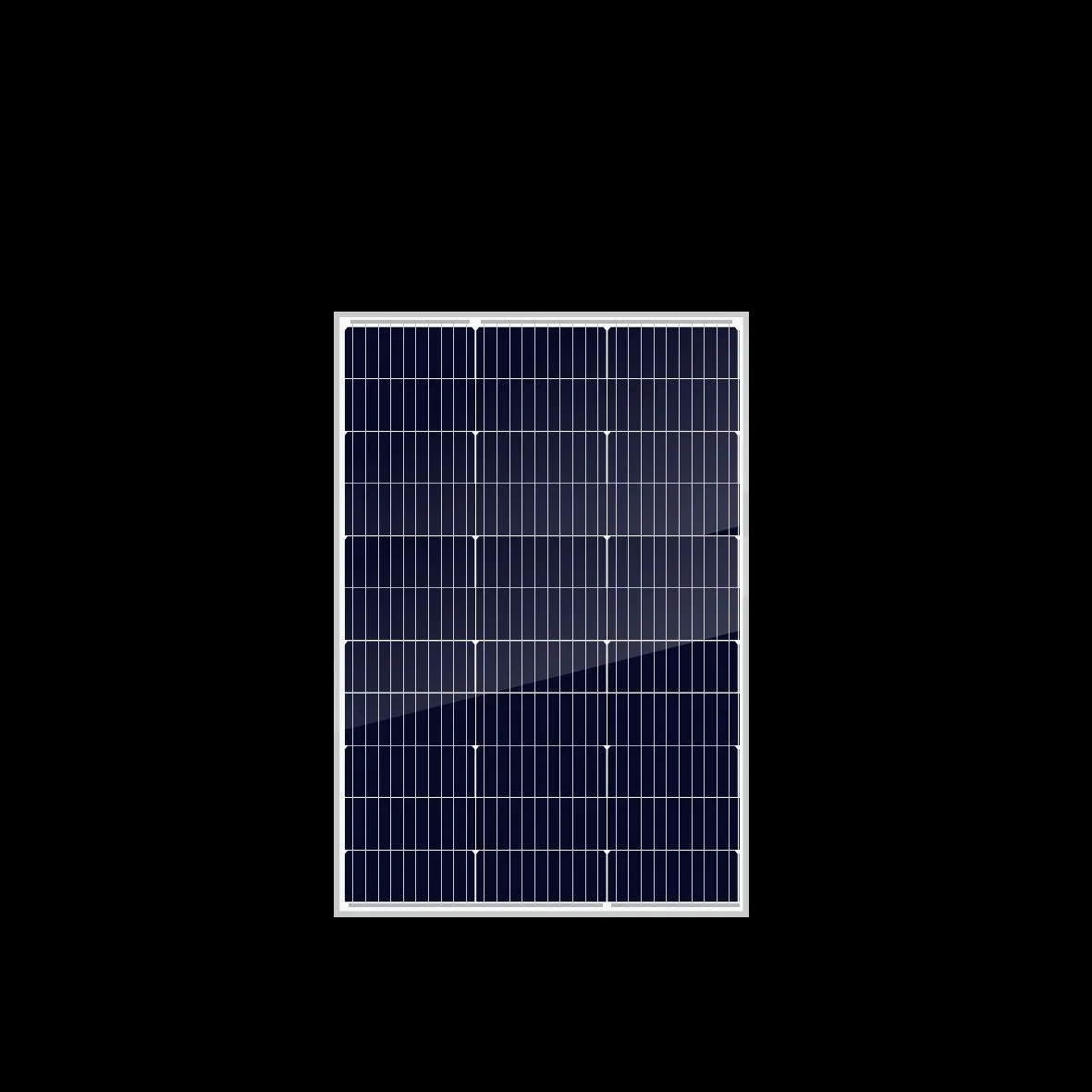
In Accra this week, solar panel prices in Ghana are quoted at roughly GHS 2.1–2.6 per watt-peak for Tier-1 550–620 W TOPCon modules, depending on brand, warranty and clearing route. That is down from ~GHS 2.6–3.2/Wp in mid-2024, when the cedi was weaker and freight rates higher. BloombergNEF puts ex-works Chinese module prices at ~$0.09–0.12/W in early 2026; landed Accra cost is closer to ~$0.15/W after freight, insurance, G-CAP checks and dealer margin. At ~GHS 11 to the dollar, the maths leaves little room for the “cheap panel” claims on social media. Wholesale buyers in Accra’s electrical markets are paying ~GHS 1,150–1,650 for a 550–620 W panel, or ~GHS 2.1–2.7/Wp. Common SKUs include Jinko Tiger Neo 580 W and Longi Hi-MO 6 585 W. Retail counters add 10–20% for split pallets, testing and delivery. The market price guide tracks these bands weekly; it is a better reference than a single WhatsApp quote. GSA certification and G-CAP conformity assessment add ~GHS 15–35 per module at volume, according to clearing agents, and that cost is now baked into formal invoices. Cash buyers still get the best spread; 30-day credit adds ~3–5%.
Kumasi and Takoradi carry a freight premium
Outside Accra, solar panel prices in Ghana rise by ~5–10% because of haulage, handling and thinner competition. In Kumasi, installers quote ~GHS 2.3–2.9/Wp for the same 550–620 W tiers; in Takoradi, ~GHS 2.25–2.85/Wp; in Tamale, ~GHS 2.4–3.0/Wp. The spread widens for small orders under 10 kW, where a single damaged module can wipe out the dealer’s margin. Buyers should ask for the module’s flash-test sheet and confirm the solar panels are IEC 61215 and 61730 listed, not just “Tier-1” by brochure. Small-format panels carry a different price curve. A 100 W mono module in Tamale or Accra often sells at ~GHS 320–420, or ~GHS 3.2–4.2/Wp, because volume is low and retail packaging adds cost. For 200 W panels, expect ~GHS 3.0–3.8/Wp. These are the sizes used in kiosks, borehole pumps and small clinics, not grid-tied rooftops. The premium is not a rip-off; it reflects breakage, storage and the cost of holding slow-moving stock. Buyers comparing GHS/Wp across 100 W and 550 W products are comparing different businesses.
Certification, taxes and net metering add real cost
Ghana’s formal channel is not optional. The Ghana Standards Authority (GSA) requires imported modules to carry certification, and the Ghana Conformity Assessment Programme (G-CAP) checks conformity at port. The Energy Commission licenses installers and registers renewable-energy systems; ECG and PURC govern net metering. In 2025 the government exempted VAT on specified solar equipment, but clearing agents say G-CAP assessment, freight and demurrage still add ~8–12% to landed cost when documents are incomplete. A GHS 2.2/Wp quote can become GHS 2.5/Wp after a two-week hold at Tema. PURC’s net-metering rules allow eligible customers to offset consumption, but ECG’s interconnection review remains the bottleneck. Installers in Accra report ~6–12 weeks from application to meter change, depending on transformer capacity and paperwork. That delay matters because the payback case for solar battery storage depends on export credits and time-of-use tariffs, not just panel cost. For commercial sites in Takoradi and Kumasi, a 20–50 kW rooftop is usually sized to self-consume, with export treated as a bonus rather than the core return.
Batteries now decide the payback
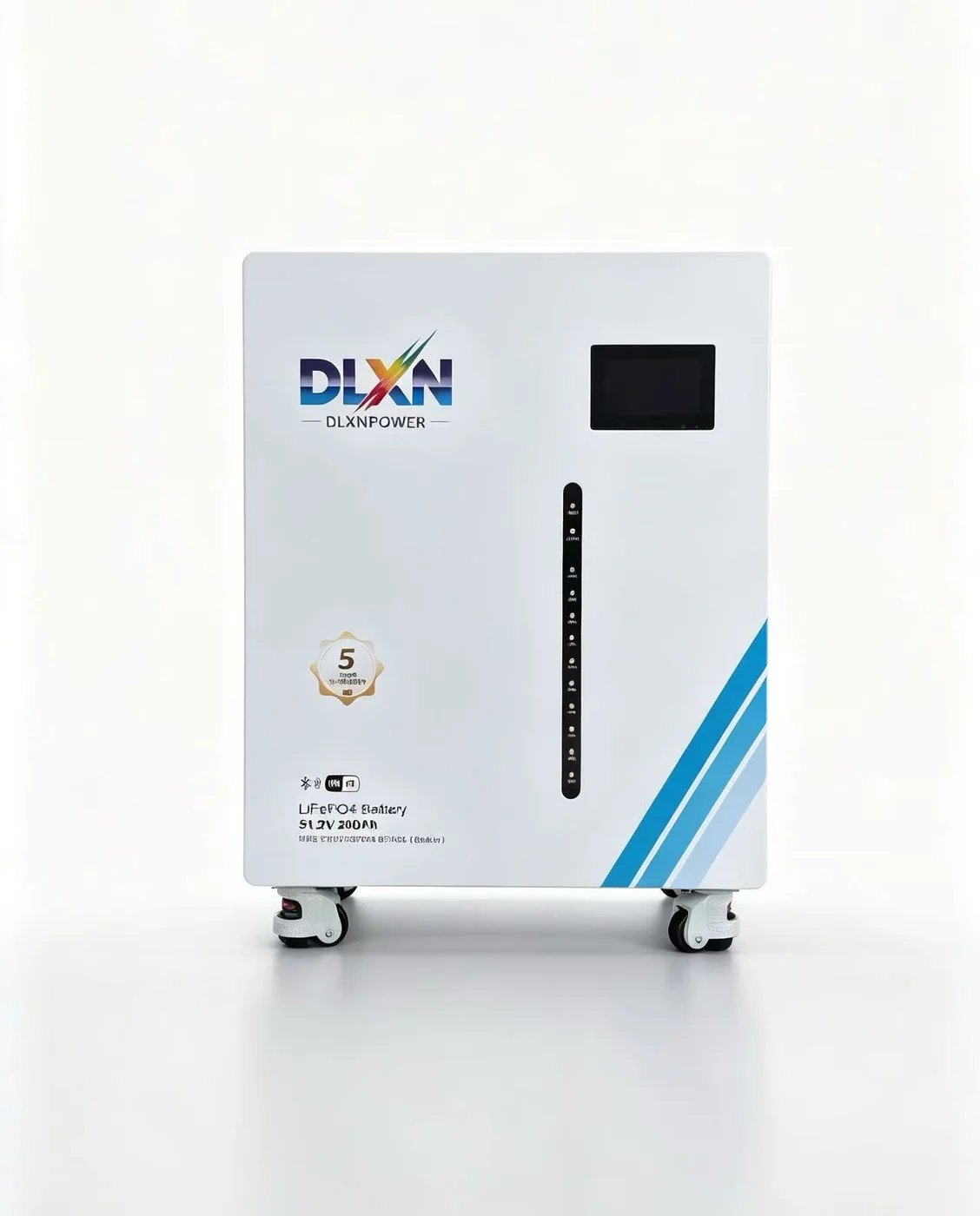
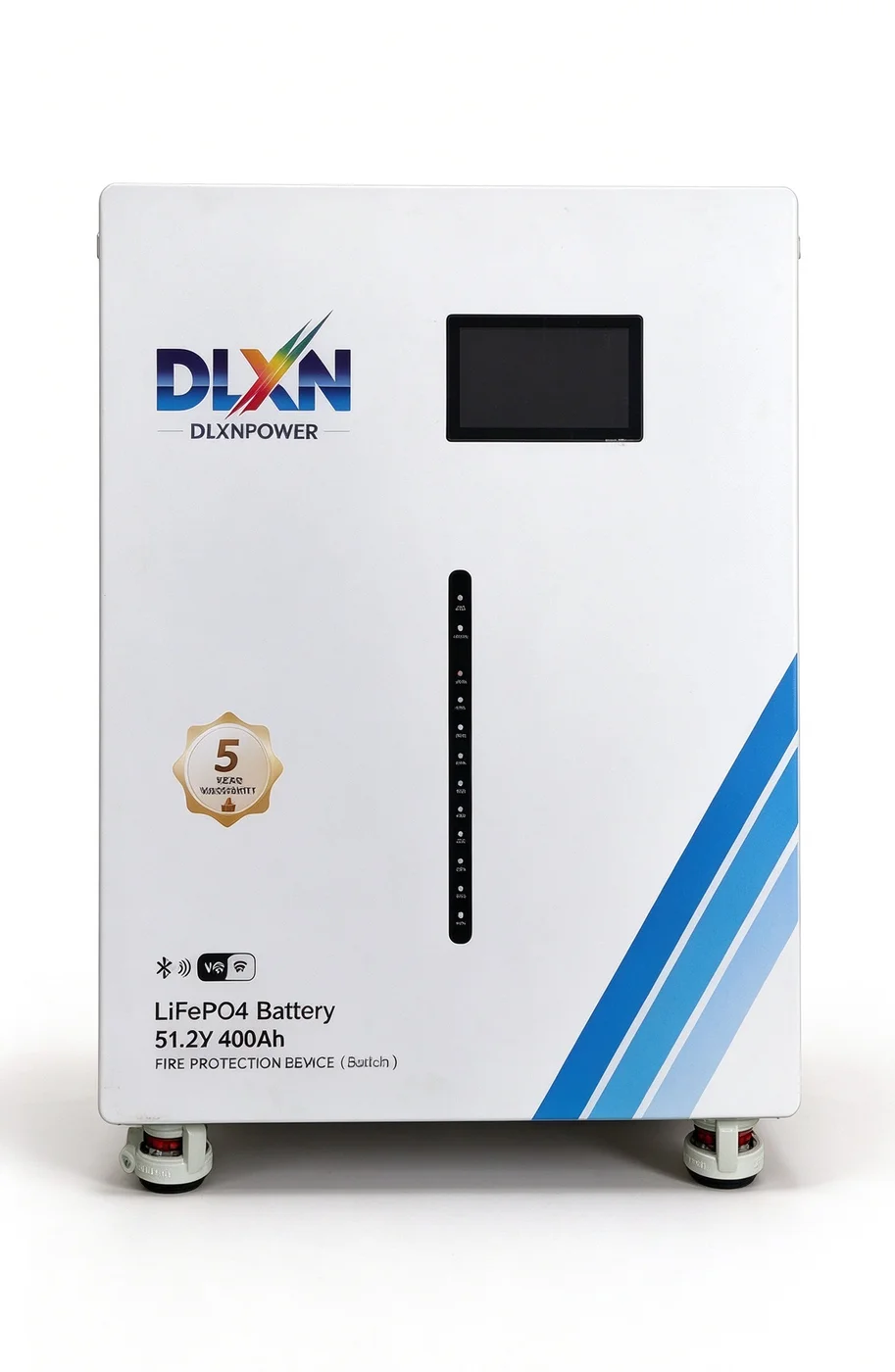
Module cost is no longer the main variable. A 5 kWh LiFePO4 battery in Accra retails at ~GHS 15,000–22,000, or ~GHS 3,000–4,400/kWh, depending on brand, BMS and warranty. That is down from ~GHS 4,500–6,000/kWh in 2023, tracked in the LiFePO4 price index. BloombergNEF’s 2025 battery price survey put global pack prices at ~$110–130/kWh; Ghana’s landed retail price is higher because of freight, duties and low volume. For a 5 kWp rooftop with 10 kWh storage, the battery can be 35–45% of the total invoice. A grid-tied 5 kWp system in Accra now quotes at ~GHS 9,000–14,000/kW installed, or ~GHS 45,000–70,000, excluding batteries. Add storage and the range moves to ~GHS 65,000–100,000. NREL’s 2025 residential PV-plus-storage benchmark for the US is ~$2.6–3.3/W installed; Ghana’s labour is cheaper, but logistics, financing and import friction keep installed costs nearer $0.9–1.3/W for pure PV. Wood Mackenzie’s 2026 outlook sees global module oversupply persisting, which supports flat GHS prices if the cedi holds.
What to check before paying a deposit
For buyers tracking solar panel prices in Ghana, ask for three documents: the GSA certificate or G-CAP release, the module datasheet with IEC 61215/61730 marks, and the Energy Commission installer licence. Check that the quote separates modules, inverter, mounting, DC cabling, battery and commissioning. A single GHS/Wp number hides the balance-of-system, which can be 25–35% of a rooftop job. For commercial buyers in Kumasi or Takoradi, insist on a transformer-capacity check before signing; ECG can reject an interconnection application after the hardware is on site. The solar systems page lists the usual configurations, but the site survey still decides. Payment terms matter as much as price. Most Accra dealers want 50–70% on order and the balance before delivery; reputable installers will accept a retention of 10% until commissioning. Avoid “lifetime” warranty claims without a Ghanaian entity and a local service address. Module warranties of 12–15 years product and 25–30 years performance are standard for Tier-1 brands; batteries typically carry 5–10 years. If a quote is 15% below the Accra wholesale band, ask which item was removed: surge protection, DC isolators, earthing or the G-CAP fee. The IEA expects global solar PV additions to stay near ~500 GW in 2026, so supply is not the constraint; execution is.
Related products
In-stock models that match this article — specs and RFQ on each page.