News & Updates
Latest from DLXN Energy
Solar system price South Africa: What Johannesburg buyers pay in 2026

Johannesburg and Cape Town quotes diverge
In November 2026, the solar system price South Africa installers quote in Johannesburg for a 5 kW hybrid package with 5 kWh lithium battery is ~R95,000–R140,000 including VAT, mounting, a SANS 10142-1 CoC and NRS 097-2-1 paperwork. Cape Town quotes for the same specification run ~5–8% higher because City of Cape Town SSEG application and engineering sign-off are separate line items. Durban and Pretoria sit between those bands, although coastal mounting specifications and older distribution boards can move the number. The spread is not random: installers are pricing different batteries, inverter firmware and compliance work under the same headline. A 10 kW hybrid with 10 kWh storage now quotes at ~R180,000–R260,000 in Johannesburg and Cape Town, while a grid-tied 5 kW PV system without battery is ~R55,000–R75,000. BloombergNEF’s 2026 rooftop outlook still shows battery costs dominating hybrid quotes, and South African installers are adding margin for warranty logistics rather than panels. The market price guide puts the residential midpoint near R22,000/kW for PV-only and ~R32,000/kW for hybrid in early 2026. Those are benchmarks, not invoices: roof access, DB upgrades and cable runs can swing a quote by 20%.
What moves the rand number
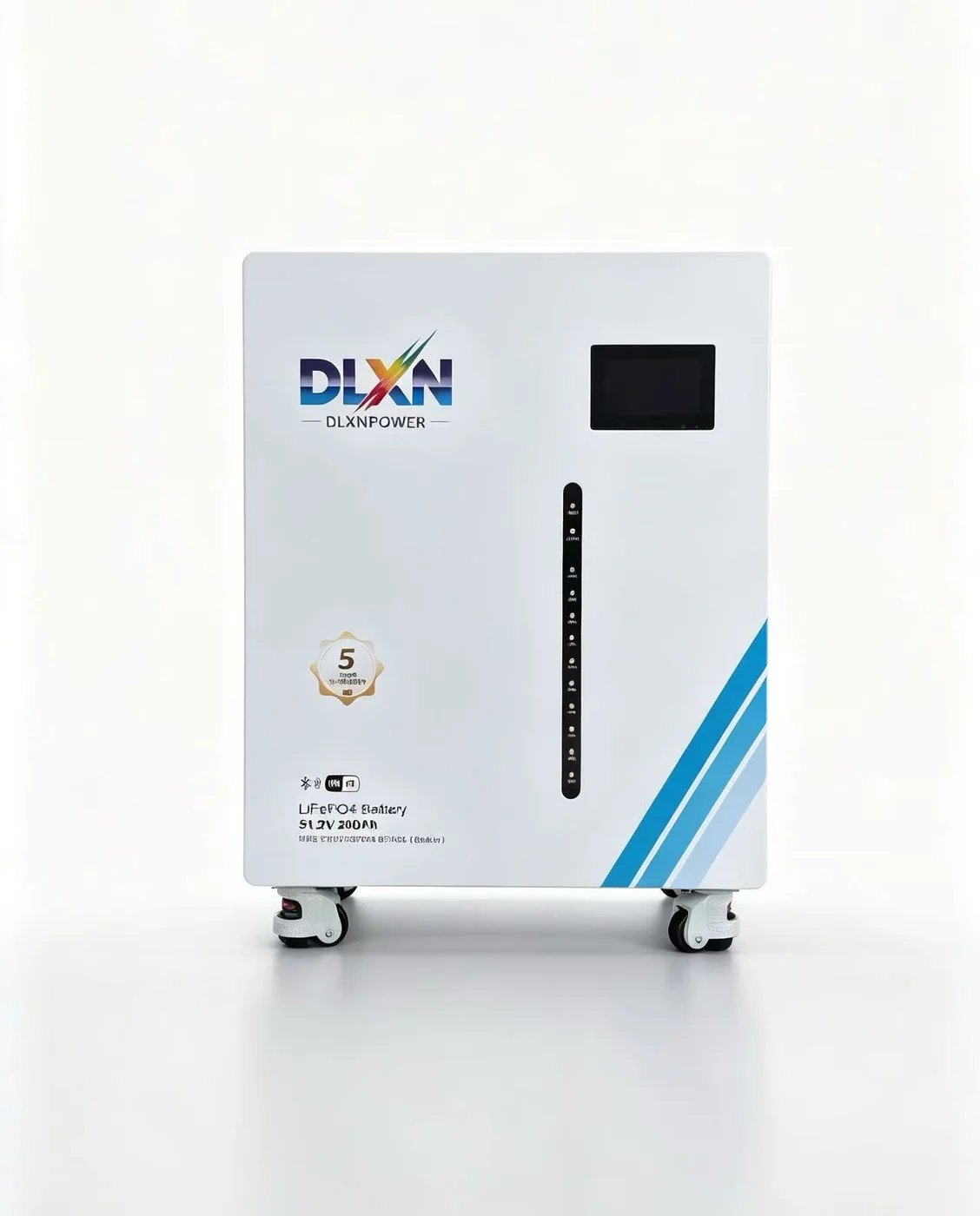
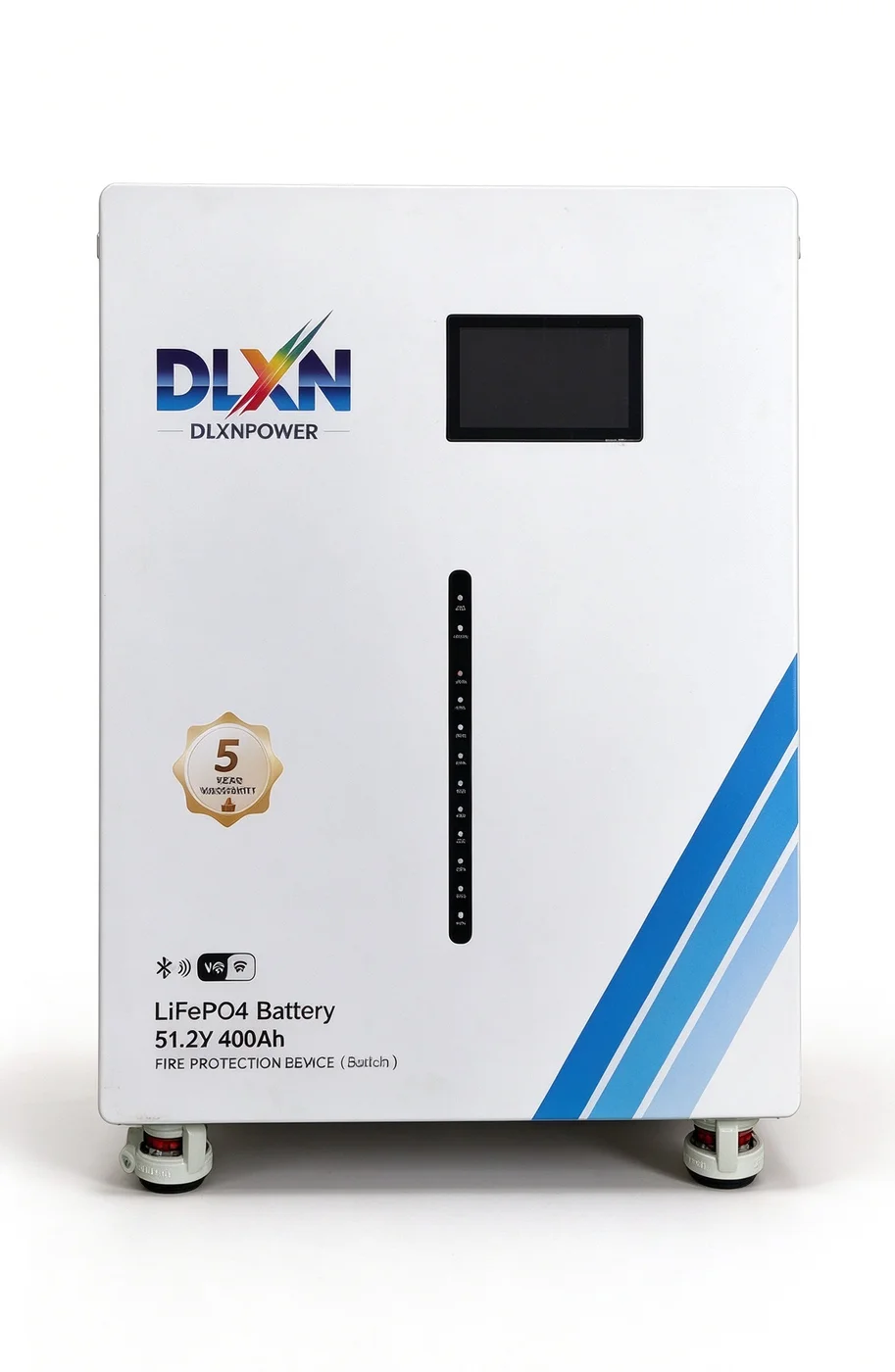
The solar system price South Africa buyers in Cape Town see is more exposed to landed import costs than to module factory gate prices. IEA PVPS’s 2025 survey data put global module prices at record lows, but South African quotes still carry 15% VAT, freight, clearing and forex cover. A 5 kW string inverter adds ~R12,000–R22,000; a Sunsynk or Deye-class hybrid inverter adds ~R18,000–R35,000 depending on backup capability and NRCS listing. The solar systems quote should show these as separate items, not as one bundled number that hides the inverter model. Battery chemistry is the bigger swing factor. The LiFePO4 battery price index tracks branded 5 kWh rack batteries such as Pylontech US5000 and Freedom Won eTower at ~R19,000–R28,000 in early 2026, before installation. Wood Mackenzie’s 2026 storage outlook still shows cell prices falling, but rand volatility and shipping delay pass-through keep landed pack prices sticky. A 10 kWh hybrid therefore moves by ~R35,000–R55,000 depending on battery brand, BMS and warranty terms. Buyers comparing only rand per kW miss that the battery often accounts for 35–45% of a hybrid quote.
Compliance is a line item, not overhead
Compliance is a real cost line. NRS 097-2-1 governs the small-scale embedded generation connection; SANS 10142-1 requires a Certificate of Compliance (CoC); NRCS letters of authority cover inverter and battery models. In Johannesburg and Cape Town, the application, schematic, commissioning and CoC package can add ~R8,000–R20,000 to a residential job. Nersa’s 2026 tariff decisions do not set installation prices, but municipal SSEG fees and metering changes affect payback. A quote that omits the CoC or the NRS 097-2-1 application is not a cheaper quote; it is an incomplete one. The cheapest quote often excludes these items. A cash price of R78,000 for 5 kW/5 kWh may become R95,000 once the CoC, NRS 097-2-1 documentation, DC/AC isolation and surge protection are added. Without an NRCS-listed hybrid inverter, City Power or Cape Town may reject the application, and insurers can dispute a claim. Ask for certificate numbers and the electrician’s registration before paying a deposit. The solar battery storage checklist is more useful than a headline rand-per-kW number because it separates hardware, labour and paperwork.
Durban and Pretoria premiums
The solar system price South Africa buyers see in Durban carries a coastal premium. Salt spray and humidity push mounting and enclosure specifications toward 316 stainless or coated galvanised steel, adding ~5–10% on residential roofs. Pretoria quotes are closer to Johannesburg, but older DB boards and long cable runs can add ~R6,000–R15,000. NREL’s 2024 rooftop cost work still points to soft costs—labour, permitting, inspection—as the least transparent part of the quote. In South Africa, those soft costs now include municipal registration and the CoC, which vary by metro. Commercial buyers need a different comparison. A 50 kWp rooftop with 100 kWh C&I storage is quoted on demand-charge reduction and outage coverage, not household backup. Wood Mackenzie’s 2026 C&I outlook points to South Africa as a growth market for behind-the-meter storage, but payback depends on municipal tariffs and load profiles. The solar system price South Africa number for C&I can vary by ~30% for the same kWp because battery duration, switchgear and grid-connection studies change. A low rand-per-kWp quote with a 1-hour battery is not comparable with a 4-hour design.
How to compare November 2026 quotes
For November 2026 quotes, demand line items: module make and wattage, inverter model and NRCS certificate, battery kWh and warranty cycles, mounting, DB work, CoC, NRS 097-2-1 application and commissioning. Compare at least three installers in Johannesburg, Cape Town, Durban or Pretoria on the same schedule. A credible 5 kW hybrid quote should state whether VAT and CoC are included. A regional benchmark helps, but it is not a substitute for a site-specific design. If an installer cannot name the inverter and battery model, the price is not comparable. Financing changes the cash number. A prime-linked instalment plan can make a R120,000 system look like a monthly utility line, but total interest and battery replacement at year 10–12 are rarely shown. Eskom and municipal tariff increases under Nersa approvals improve the case, yet export credits remain small in most metros. Treat any payback under five years as a scenario, not a promise. The solar system price South Africa buyers pay is now a compliance-and-battery story as much as a panel price story.
Related products
In-stock models that match this article — specs and RFQ on each page.