A buyer assembling a solar project from three suppliers does not save money. He pays for it at the port. Three invoices, three packing lists, three lead times, three crate specifications that do not fit together in one container, and when something goes wrong at commissioning, three suppliers each explaining why it is not their part.
A single package removes that, at the cost of buying from one company instead of shopping three. Whether it is better depends on what you are buying and who has the engineering capability. Below is what a real package contains, what the documentation should look like, and where mixed sourcing actually breaks.
What is actually in the package
| Category | Contents | What gets missed when assembled from three suppliers |
|---|---|---|
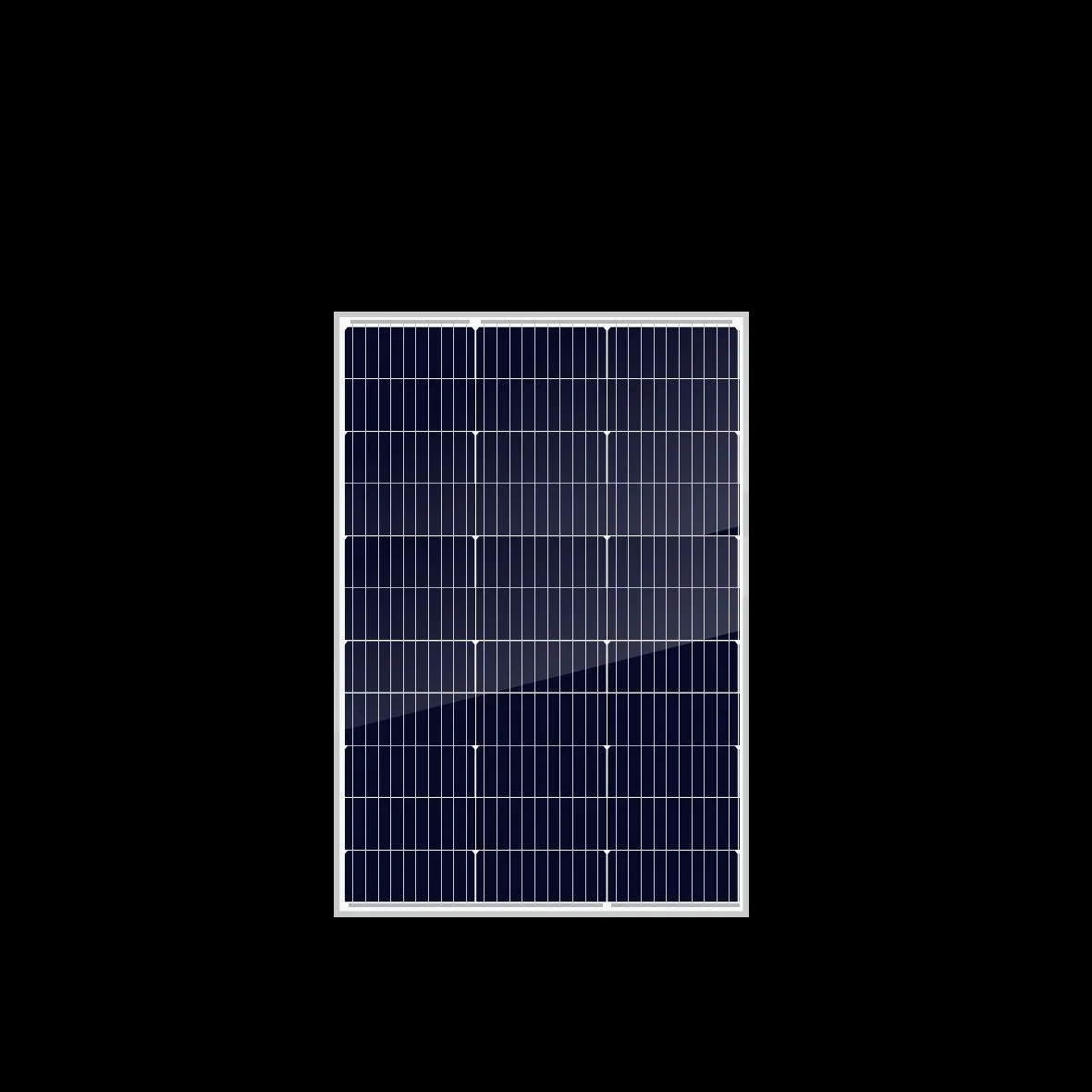
| Generation | Modules (including custom sizes), mounting structure, foundations | Rail spacing versus module frame dimensions |
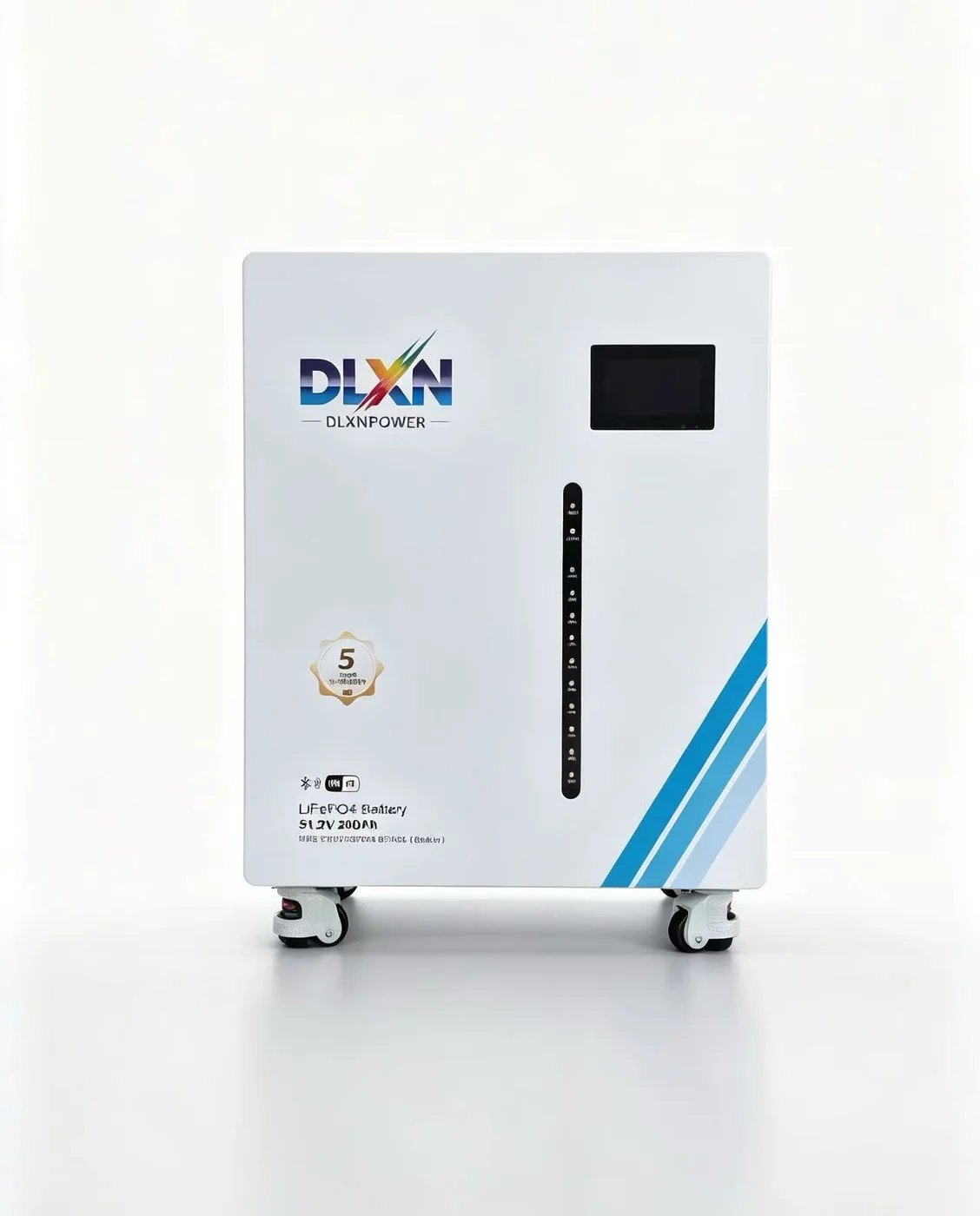
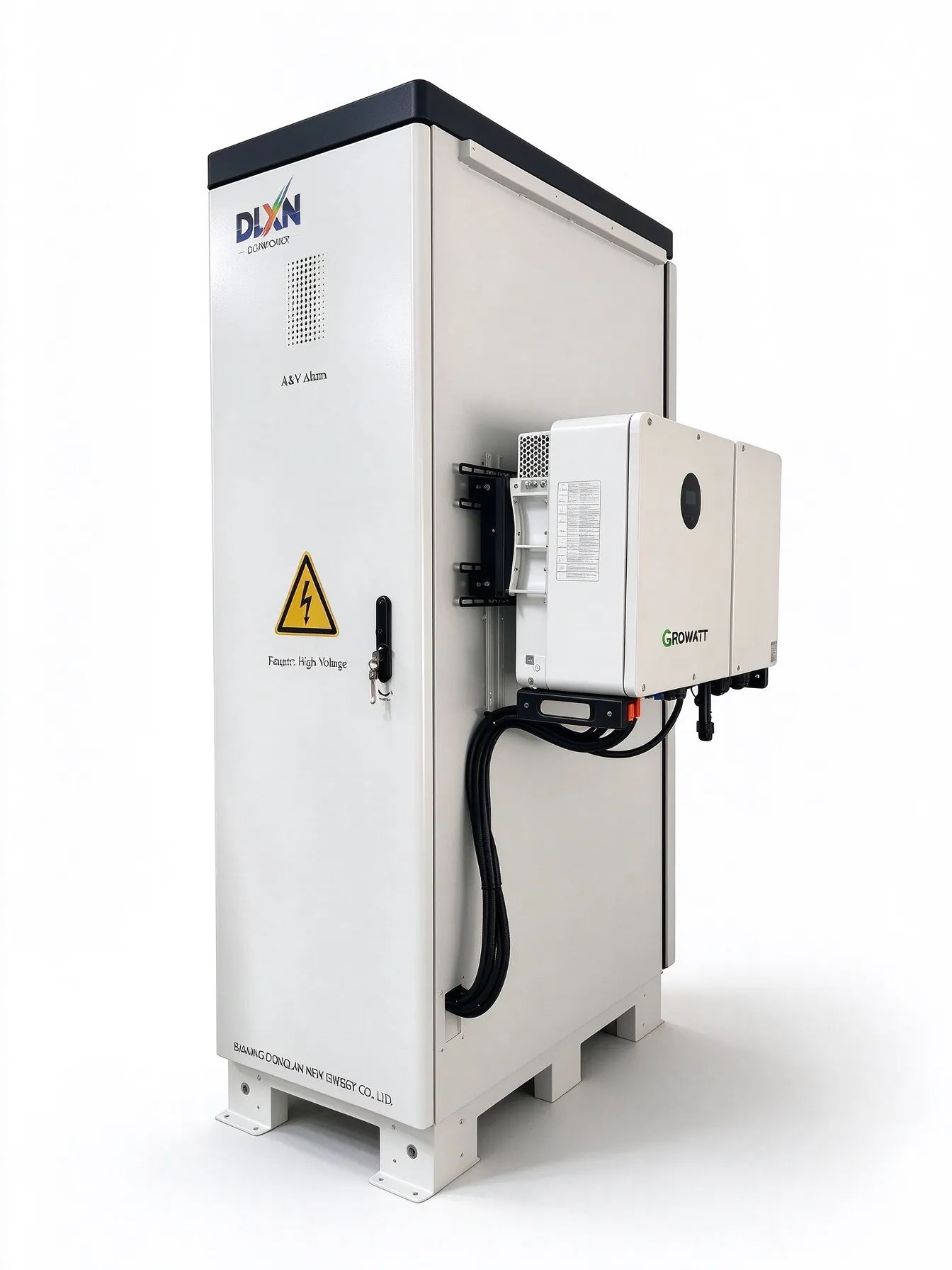
| Storage | Battery cabinet, BMS, fire suppression, thermal management | The fire test report, not just the datasheet claim |
| Power conversion | Hybrid inverter or PCS, MPPT controllers | CAN protocol version between BMS and inverter |
| Distribution | Combiner box, DC breakers, AC distribution, metering | DC voltage rating and the components' certificates |
| Cabling | PV cable, connectors, earthing material | Voltage drop calculation at the actual run length |
| Monitoring | Data logger, platform access | Protocol support on the inverter |
The items nobody owns in a three-supplier setup are the intersections: rail spacing against frame, protocol versions, DC ratings. Each supplier is correct about his own product and none is responsible for the seam.
The design deliverables
Half the value of a package is the engineering that comes with it. Six documents:
- Load schedule and consumption calculation — device ratings, start methods, run hours. Every other number derives from this.
- System configuration table — array kWp, battery kWh, PCS kW, DC/AC ratio, with the source of each figure.
- Single-line diagram — DC side, AC side, earthing, surge protection, metering points.
- Layout and mounting drawing — module arrangement, tilt, rail spacing, foundation positions.
- Operating strategy — grid/island transfer logic, charge and discharge priority, generator start conditions.
- BOM and lead-time table — quantities, spare ratio, ex-works dates.
If a proposal arrives without the first item, the numbers were invented. We have seen "100 kW of modules and 200 kWh of battery" offered with no load schedule behind it, justified as "the client said it was about right".
Five places mixed sourcing breaks
DC/AC ratio in off-grid systems. Oversizing the array at 1.2–1.4 is normal for grid-tied. In off-grid, high oversizing causes midday curtailment and constant power limiting. Keep it at 1.1–1.2 when the system is islanded.
BMS-to-inverter communication. CAN protocol, baud rate, register map. Three manufacturers, three dialects. Either the suppliers provide a protocol cross-reference document, or you standardise on equipment that supports a common one. This is a two-to-three day fault at commissioning if it is discovered on site.
Surge capacity versus PCS overload rating. Pumps and compressors draw three to eight times rated current at start. A PCS rated at 1.1× for ten seconds can or cannot start the load, and the answer decides the sizing. Either upsize the PCS or add soft starters; the package design should make that call explicitly.
Mounting versus module format. Module long side going from 2,278 mm to 2,384 mm changes every rail position. When the array and the structure come from one supplier, the drawing follows the module. When they do not, the installer drills holes.
Equipotential bonding and earthing. Module frames, structure, cabinet, inverter enclosure. This crosses three trades and is the most commonly missed item in mixed packages. Off-grid systems have stricter earthing requirements than grid-tied.
Consolidation and documents
Container loading. Modules, structure, cabinets and inverters have very different packaging densities. Work from volume first, then weight. A 40HQ holds 12–18 commercial cabinets, or roughly 600–900 modules depending on wattage. Mixed loading follows heavy-and-large at the bottom, with securing points designed before packing, not improvised at the warehouse.
One document set per shipment. With multiple suppliers, invoice descriptions drift from what is in the box, HS codes disagree across documents, and packing lists include items that were not loaded. Consolidated supply removes most of this because one party reconciles the set.
Certificate consistency. Modules, batteries and inverters each carry their own certificates. What the buyer actually needs is a system-level conformity statement for local approval, not three unrelated certificates. Whoever can issue that statement makes the delivery smooth.
Terms and timing
| Term | Responsibility | Fits |
|---|---|---|
| FOB | To the port of loading, export clearance by us | Buyer has a forwarder and knows the process |
| CIF | To destination port, freight by us | Buyer wants freight handled, does own clearance |
| DDP | To door, including destination clearance and duty | End user without an import entity |
Lead time is structural: standard items 15–30 days, custom modules 20–30 days, new model certification two to three months. Certification goes before the order, not after, otherwise the delivery date slips by a quarter.
What we package, and what we do not
We supply: custom 20–650 W modules, 100–260 kWh cabinets, hybrid inverters, mounting, and complete off-grid packages, with load calculation, single-line diagram, layout drawing, BOM, and the export documentation set. One invoice, one packing list, one responsible party for the intersections.
We do not take: utility-scale grid-forming projects, projects requiring UL 9540A for North America, and single-point DC systems above 500 kWh. On those we refer buyers to a tier-one supplier, because quoting would waste their time and ours.
Send the load schedule, the destination country and the required delivery window. We will come back with a configuration, a BOM and a production schedule before discussing price.