Egypt is a market where the case for solar is obvious and the difficulty is administrative. Irradiation is high, summer load shedding has become routine, tariffs are moving upward under the subsidy reform programme, and the government wants private generation. What stops shipments is ACID, the pre-shipment cargo registration system, and a hard currency situation that decides whether your buyer can actually pay.
Both matter more than the module price.
The demand side is real
Three segments buy:
Agricultural off-grid. Pumping for irrigation and drainage, far from reliable distribution. Diesel is expensive and its delivery to remote plots is worse. Solar pumping with a small storage buffer has a clear cost case and a short payback.
Commercial and industrial rooftops in the industrial zones around Cairo, Alexandria and the Delta. Factories running two shifts have daytime load that matches solar production almost exactly, and the tariff trajectory makes self-generation attractive.
Telecom and street lighting. Remote base stations and rural roads, where the alternative is a diesel generator and a maintenance visit.
Residential net metering exists under the regulatory framework, but the case depends on tariff bands and approval timelines, so it is not where the volume is for a supplier shipping from China.
ACID is the first thing to understand
Egypt requires an Advance Cargo Information declaration (ACID) before goods ship. The importer registers the shipment on the NAFEZA platform, the exporter receives an ACID number, and that number must appear on the bill of lading and the commercial documents.
Get this wrong and the container cannot be cleared, regardless of how correct the certification is. Practical points:
- The importer initiates ACID; the exporter cannot. If the buyer has not done it, nothing else matters.
- The ACID number must match across B/L, invoice and packing list. A mismatch is a clearance stop.
- It has to be in place before the vessel sails, not before arrival.
This one step explains most first-shipment failures into Egypt.
Conformity and inspection
Import control runs through GOEIC, with product registration and pre-shipment inspection for regulated categories. Modules and batteries fall into categories that require test documentation, typically IEC 61215 and IEC 61730 for modules, IEC 62619 and UN38.3 for batteries, plus MSDS.
Two things to confirm with the importer before quoting: which category the specific product falls into under current GOEIC rules, and whether the registration of the manufacturer or the model has to be completed before the shipment. The rules have moved more than once; a 2023 answer is not a 2026 answer.
Hard currency is a commercial risk, not a paperwork issue
Egypt has faced prolonged foreign exchange shortages. The practical effects on a supplier:
- Letters of credit can take weeks to open, and some banks ration USD.
- Buyers may ask for longer payment terms than the transaction justifies.
- Documentary collections can stall.
For a first order, a confirmed LC or a deposit with balance against documents is normal. Open credit to a new buyer in a constrained currency environment is not a business decision, it is a donation. If a buyer pushes hard for extended terms on a first order, that is information.
Heat, dust and the grid
Ambient temperatures reach 40–45°C in summer, higher in Upper Egypt. Cell temperature and cabinet interior temperature go well beyond that.
- Derating curves, not nameplate capacity. Air-cooled cabinets derate hard. Ask for the curve at 45°C, not the marketing number at 25°C.
- Dust is continuous. Soiling losses are significant and cleaning is an operating cost. Design access.
- Sand ingress. IP55 minimum, and door seals matter more than the IP number.
- Voltage and frequency. Egypt runs 50 Hz, 220/380 V. Unlike the Gulf, equipment standard for Africa fits.
- Load shedding. Systems that are specified as grid-tied need a battery and a transfer scheme, because the grid disappears on schedule in summer.
What sells, and what does not
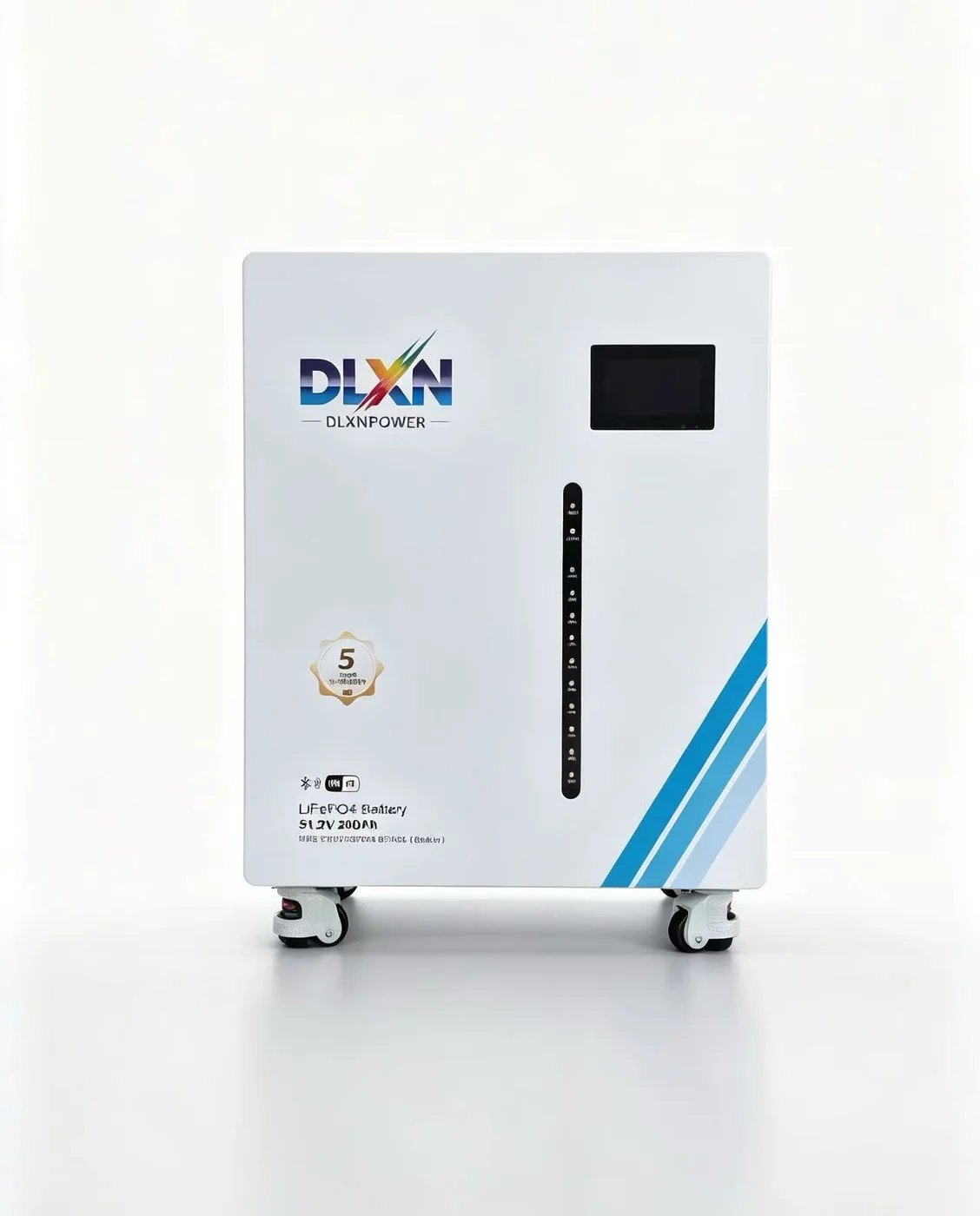
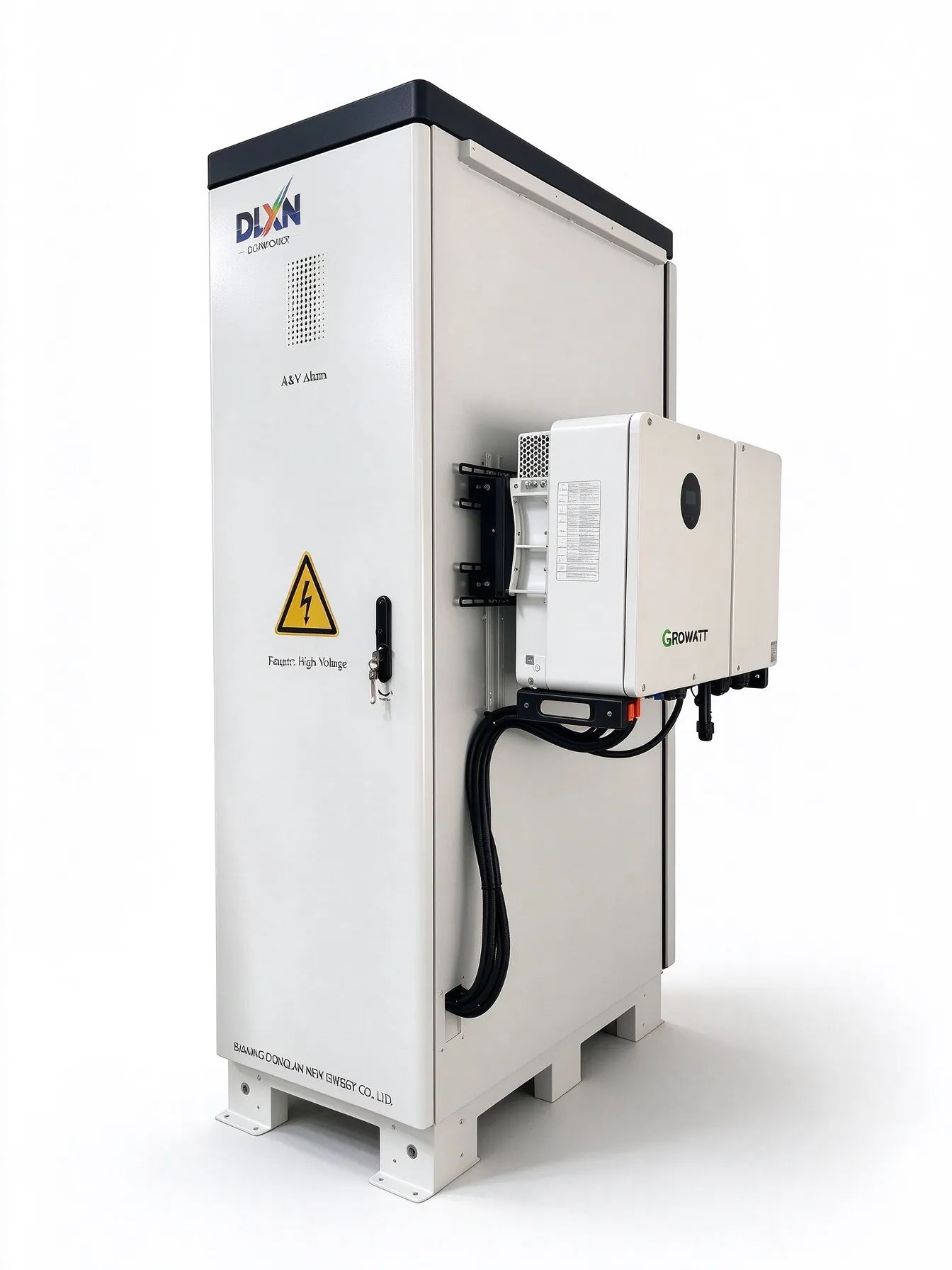
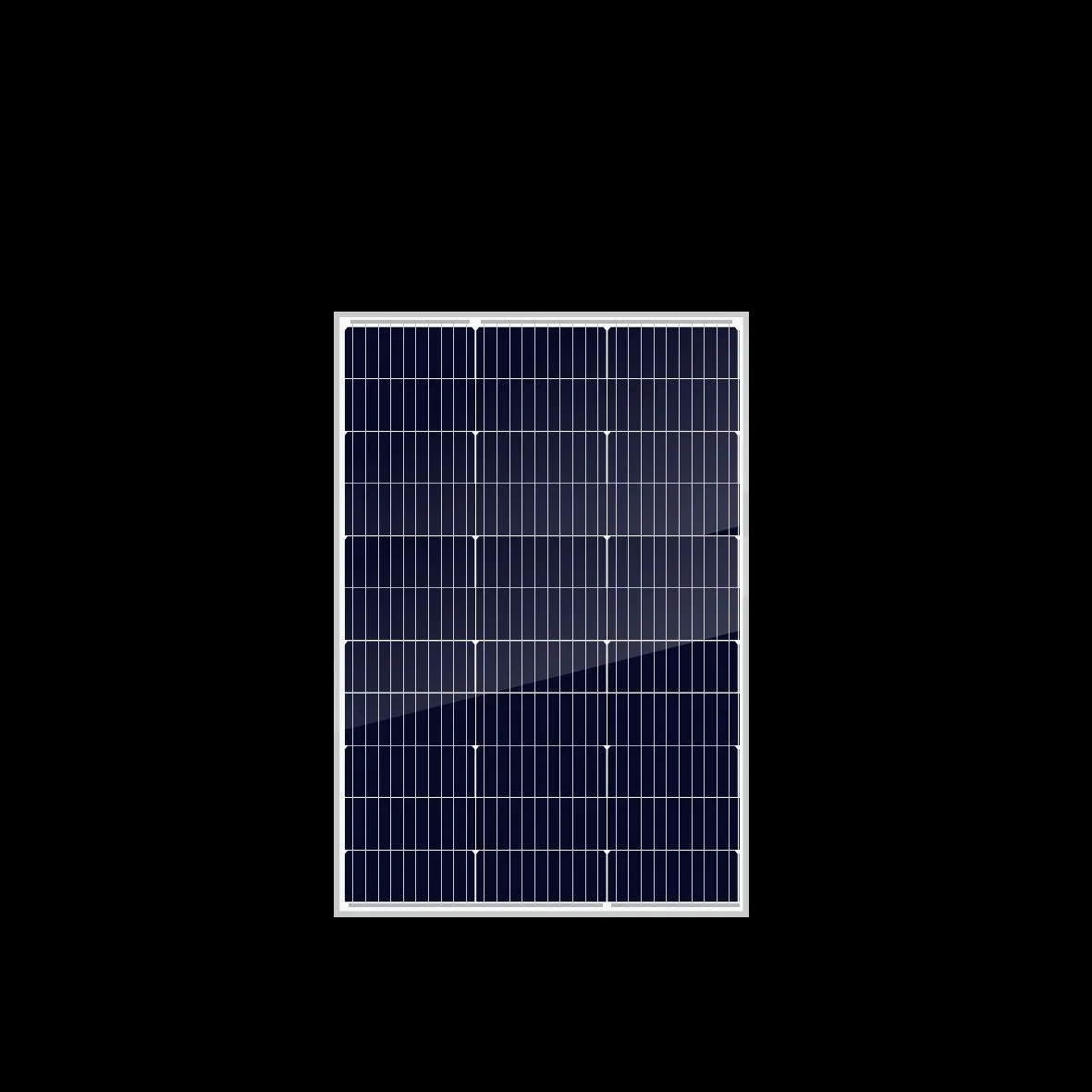
Sells: custom small and mid-format modules for pumping, lighting and telecom; 100–260 kWh cabinets for commercial sites; hybrid inverters with generator input; complete off-grid packages with a pump controller matched to the actual head and flow.
Does not sell from a Chinese mid-size manufacturer: utility-scale ground mounts and anything requiring the tier-one documentation that multilateral lenders insist on. Those go to the large EPCs.
Delivery
Alexandria and Sokhna are the main container ports; Port Said for some routes. Transit from China is around three to four weeks plus clearance.
FOB China for buyers with their own forwarder. CIF Alexandria for those who want freight handled. DDP is possible for smaller projects but carries valuation and clearance risk in a controlled-currency environment, and should be priced accordingly.
Lead time: stock 15–30 days, custom modules 20–30 days, plus testing time if a new model needs reports before registration.
What we do for Egypt
Donglan ships custom 20–650 W modules, 100–260 kWh cabinets, hybrid inverters and off-grid packages, with the documentation set that GOEIC and Egyptian buyers ask for: IEC 61215/61730, IEC 62619, UN38.3, CE, MSDS, with test records keyed to serial numbers. We provide the system-level configuration: load calculation, single-line diagram, mounting layout and BOM, and we can supply the pump controller matched to the site's head and daily water requirement.
What we do not do: utility-scale grid-forming projects, and anything requiring UL. On those we will point you to a tier-one supplier rather than quote.
Send the site location, the load or water requirement, and confirm the importer can raise ACID, and we will come back with a configuration and a schedule.